Skip links

Window Replacement Cost in San Francisco: Budget + Timeline

Replacing windows can quickly change how your home feels—less draft, smoother operation, and better sound control. If you’re researching remodel cost for window replacements in San Francisco, the wide price spread usually comes down to scope: an insert swap, a full-frame replacement, or changes to an opening are not the same job.

This guide lays out practical budget ranges, the hidden line items that tend to show up mid-project, and a timeline you can plan around so your estimate conversation stays focused and clear.

TL;DR: Pricing follows window count, window type, and installation method. Planning and ordering typically take longer than the install itself, so start with a written scope.

Quick checklist before you request pricing:

  • Count the windows you want replaced (note any oversized or unusual shapes)
  • Decide what matters most: comfort, noise reduction, energy performance, or looks
  • Snap a few interior and exterior photos around representative windows
  • Note access constraints (upper floors, tight exterior access, condo rules)
  • Ask whether an insert/retrofit or full-frame approach fits your openings
  • Keep a buffer for repairs if the crew uncovers wood rot or water damage

Remodel Cost Reality Check For Window Replacements

Online price lists rarely match real projects because “window replacement” bundles several decisions together. Additionally, The window you choose matters, of course, but the biggest swing usually comes from how the installer handles the existing frame, interior trim, exterior finish, and any repairs discovered after removal.

Use the ranges below as planning numbers, also then tighten them with a written estimate that spells out the installation method and what “done” includes (trim, paint, hauling, and any patching).

How Much Does Window Replacements In San Francisco Cost In San Francisco?

For many homeowners planning a San Francisco project, a reasonable starting range is about $900–$2,500 per window installed. For this reason, Premium materials, very large openings, or full-frame work can push higher. Overall, A multi-window project often lands in the $10,000–$45,000+ range depending on how many windows you’re doing and how much finish work is involved.

Cost Drivers That Move The Number

  • Installation method: insert/retrofit vs full-frame replacement
  • Window size and shape: standard sizes vs custom units, bays, arches, and oversized glass
  • Frame and wall conditions: rot, water intrusion, or out-of-square openings that need carpentry
  • Interior/exterior finish: casing, stool, drywall repair, paint, stucco or siding patching
  • Access: upper floors, limited staging space, or multi-unit building coordination
  • Glass package: upgraded performance glass, privacy glass, tempered glass where needed

Simple Cost Breakdown (Typical Line Items)

  • Window units: roughly $350–$1,800+ each depending on material and options
  • Removal + installation labor: roughly $400–$1,200+ per opening based on method and access
  • Finish work: roughly $150–$600+ per opening for trim, patching, and touch-up paint
  • Hauling/disposal: often $25–$75 per window (varies by site conditions)
  • Permitting/inspections: depends on scope and jurisdiction; plan time and budget if your project triggers it
Key decisionBudget impactTimeline impact
Insert vs full-frameMedium to highLow to medium
Standard vs custom sizesMedium to highMedium to high
Higher-performance glassLow to mediumLow
Condo/upper-floor accessMediumMedium

If you’re comparing remodel cost numbers from different contractors, look for these line items (or ask why they’re missing). Also, A low quote often excludes finish work, disposal, or the labor needed for a full-frame install, which can make apples-to-apples comparison tough.

Basic Vs Mid-Range Vs High-End

These examples are hypothetical and meant to show how scope changes the budget. Meanwhile, Your home’s openings, access, and finish details will set the real price.

Basic Budget Example (Hypothetical)

  • 6–8 standard-size windows
  • Insert/retrofit replacement where the existing frame stays
  • Vinyl windows with standard glass
  • Minimal interior trim changes

Planning range: about $7,500–$15,000 total.

Mid-Range Budget Example (Hypothetical)

  • 10–15 windows with a mix of sizes
  • Combination of insert replacements and a few full-frame openings where needed
  • Upgraded vinyl or fiberglass, better comfort and sound control options
  • Interior trim touch-ups and selective exterior patching

Planning range: about $18,000–$40,000 total.

High-End Budget Example (Hypothetical)

  • 15–25 windows including oversized or feature windows
  • Full-frame replacements for most openings
  • Premium materials and custom sizing
  • More extensive finish carpentry, patching, and paint work

Planning range: about $45,000–$100,000+ total.

Value Choices That Hold Up Over Time

When you want long-term value, prioritize the parts you can’t easily fix later. Overall, A better window won’t perform if the installer skips proper flashing, sealing, or shimming. In addition, Similarly, spending on the right glass package can matter more than paying for cosmetic upgrades that don’t change performance.

  • Ask for the installation method in writing (insert vs full-frame) and why it fits your openings
  • Prioritize weatherproofing details (flashing, sealants, and water management)
  • Choose a glass package that matches your goals (comfort, noise reduction, privacy)
  • Budget for finish work so the job looks complete inside and out

Resale Value And ROI Priorities

Window replacements can support resale value because buyers notice comfort, smooth operation, and consistent appearance. In addition, ROI usually comes from choosing the right scope, keeping the style consistent, and making sure the work meets code and inspection expectations where applicable.

  • Keep window styles consistent across the front elevation for curb appeal
  • Save documentation (window specs, warranties, permits if required) for future buyers
  • Avoid over-customizing one room if the rest of the home still has older windows
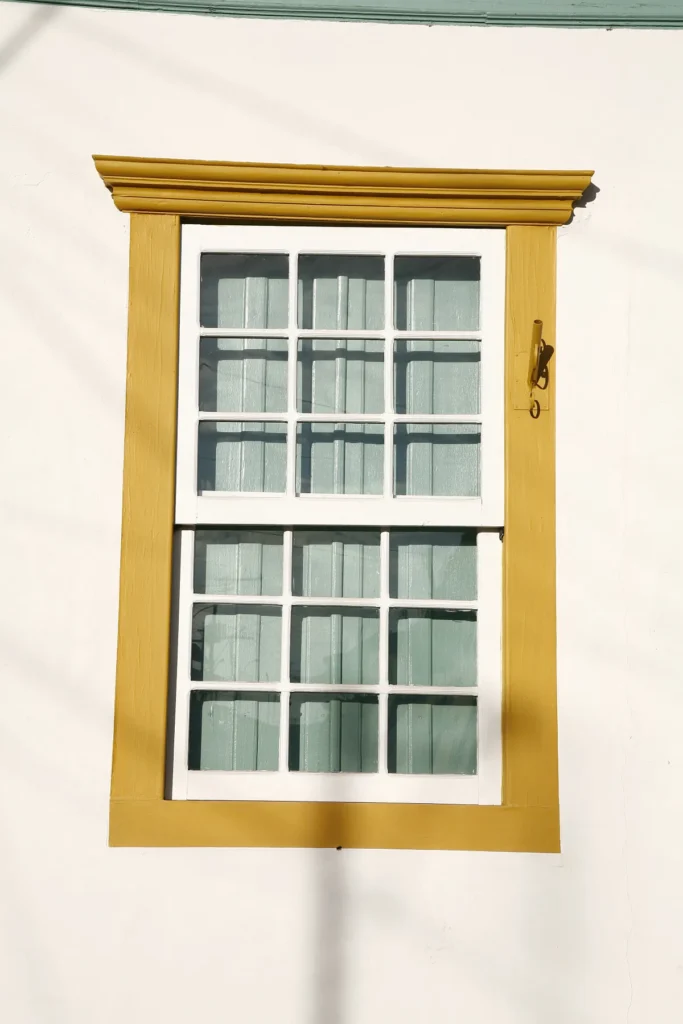
exterior window trim window in colonial house in paracatu colonial tow

Hidden Costs To Plan For

A window quote can look straightforward until the crew removes an old unit and sees what’s underneath. For example, Planning for a few common add-ons keeps the project moving and prevents last-minute compromises.

Common Add-Ons That Can Change The Total

  • Interior trim and paint: new casing, drywall patching, texture match, or repainting around openings
  • Exterior patching: siding/stucco repairs, trim boards, and waterproofing touch-ups
  • Rot or water damage repairs: sill/framing carpentry if you uncover deterioration
  • Safety glass needs: tempered glass or specialty glazing in certain locations
  • Lead-safe practices: if your home was built before 1978, federal rules can affect prep and cleanup
  • Multi-unit coordination: HOA approvals, scheduling constraints, and protection of shared areas
  • Blinds, security sensors, and screens: removal/reinstall or replacements when hardware doesn’t fit
  • Permit-related steps: when your scope triggers permitting, plan for review time and inspections

Common Mistakes That Raise The Bill

  • Comparing quotes that don’t match the same installation method or finish scope
  • Ordering windows before the installer completes on-site sizing and confirms fit
  • Skipping exterior photos during estimating, which hides access and finish needs
  • Assuming trim, paint, or hauling are included without seeing it in writing
  • Changing scope midstream after materials are ordered

From Planning To Completion

Most of the calendar time happens before installation day. As a result, Product selection, manufacturing lead time, and any required approvals often determine your schedule more than the actual labor onsite.

Typical Schedule By Phase (Planning Ranges)

  • 1–3 days: site visit, scope review, and options discussion
  • 3–7 days: written proposal, revisions, and decision on window line/options
  • 1–3 weeks: permitting or HOA steps (when required; timing varies)
  • 3–8 weeks: manufacturing and delivery (depends on brand and custom options)
  • 1–3 days: installation for a typical home; larger scopes take longer
  • 1–7 days: finish work, inspections (when applicable), and punch list

What To Expect During Installation

Install crews typically work one opening at a time to keep your home secure. Also, You can expect some noise, dust control measures, and short periods where a room is partially blocked off. Overall, If you’re living in the home during the work, ask the estimator to outline which rooms get tackled each day so you can plan around meetings, pets, and furniture.

Weather and access can still shift the schedule. Additionally, Building in a small buffer—especially for finish touch-ups—helps the project end cleanly instead of being rushed.

Questions To Ask Before You Book An Estimate

A good estimate conversation should feel specific to your home, not generic. Overall, These questions help you get clarity on scope, timeline, and the real remodel cost drivers.

  • Are you recommending insert/retrofit replacements or full-frame replacements, and why?
  • What finish work is included (interior trim, drywall patching, paint touch-ups, exterior repairs)?
  • Which window material and product line are you pricing, and what warranty comes with it?
  • How will you protect flooring and manage dust, especially in lived-in rooms?
  • What could change the price once the old windows come out, and how do you handle change orders?
  • Will you handle disposal of old windows and packaging, or is that separate?
  • Does the scope trigger permits or inspections, and who manages those steps?

What To Prepare For A Written Estimate

  • Window count and any priorities (front elevation first, bedrooms first, etc.)
  • Photos of a few representative windows (inside and outside)
  • Your goals (draft control, noise reduction, easier operation, appearance)
  • Any known constraints (condo rules, limited access, preferred work hours)
  • Whether you want to keep the existing opening sizes or change them

Ready for numbers you can actually compare? Meanwhile, Call +1 (916) 234-6696 or request a written estimate online at https://usconstructioncali.com/free-estimate/.

exterior window trim white windows on old black building facade

San Francisco Planning And Permit Notes

San Francisco projects often involve extra coordination, even for straightforward replacements. Also, The Department of Building Inspection (DBI) offers online permit tracking, and some residential scopes may qualify for faster or more streamlined permit pathways. Meanwhile, Whether your project needs a permit depends on what you change—like-for-like swaps can differ from work that alters openings, framing, or certain safety features.

Permits And Inspections In San Francisco

Ask your contractor to explain what triggers permitting for your exact scope and what’s included in their proposal: drawings (if needed), submittals, fees, and inspection scheduling. Additionally, Clear answers here prevent delays later, especially when you’re replacing multiple windows or changing the way an opening is built.

A Written Scope From US Construction & Remodeling Corp.

US Construction & Remodeling Corp. In addition, serves San Francisco homeowners with straightforward, written estimates that itemize windows, installation approach, finish work, and hauling. That level of detail makes it easier to compare options and decide where you want to spend for comfort and long-term value.

Call +1 (916) 234-6696 or book a site visit at https://usconstructioncali.com/free-estimate/.

Helpful Links

Frequently Asked Questions

As a planning range, many installed replacements land around $900–$2,500 per window. Full-frame work, oversized openings, custom sizes, and premium materials can run higher. For accurate pricing, ask for a written estimate that states the installation method and what finish work is included.

It depends on what you’re changing. A like-for-like swap may be treated differently than work that alters an opening, framing, or certain safety features. Your contractor should explain whether your scope triggers permitting and how they will coordinate inspections if needed.

Installation can be quick, but lead time can stretch the schedule. Many projects spend weeks in planning and product lead time, while onsite installation may take 1–3 days for a typical home. Finish touch-ups and any inspection steps (when applicable) can add a few more days.

Often, yes—because an insert/retrofit approach can reduce demo and exterior/interior finish work. However, full-frame replacement can be the better choice when the existing frame is damaged, out of square, or when you need to address water intrusion and long-term durability.

The fastest way to get a solid price is to share:

  • Window count and a few photos inside and outside
  • Your priorities (comfort, noise reduction, energy performance, appearance)
  • Any access constraints (upper floors, condo rules)
  • Whether you want to keep openings the same size

You can absolutely replace one window. It’s a common choice when a single unit is broken, drafty, or hard to operate. If you plan to replace more later, ask about matching the look and hardware so future phases stay consistent.

To price a small scope, call +1 (916) 234-6696 or book online at https://usconstructioncali.com/free-estimate/.

Licensed, insured & trusted local contractor

US Construction & Remodeling Corp.
9821 Business Park Dr, Sacramento, CA, 95827
Phone: +1 (916) 234-6696

CSLB License #: 1117562 Fully licensed and insured.

View our Google Business Profile

Leave a comment

This website uses cookies to improve your web experience.
Explore
Drag