Window Replacements Permit Requirements In San Francisco
Planning a window update in San Francisco can get confusing fast, especially when you’re trying to sort out window replacements permit requirements, product lead times, and what inspections may be involved. This page gives you a practical checklist and a realistic timeline so you can plan the work with fewer surprises.
Quick checklist:
- Choose the scope: replace all windows or stage the project by priority rooms.
- Confirm install type (retrofit vs full-frame) and any trim/stucco work.
- Pick a glass package for comfort and efficiency (Low-E, argon, U-factor/SHGC).
- Finalize measurements before ordering and confirm lead times.
- Compare 2–3 bids with the same scope (demo, install, disposal, exterior/interior finish).
- Confirm permit/inspection requirements and egress rules if applicable.
TL;DR: “In-kind” swaps (same size/opening) tend to be simpler; once you change openings or touch structure, you should plan for permits and inspections. If you want a written, itemized estimate, request one here: https://usconstructioncali.com/free-estimate/.
- Count the windows and take clear photos (inside + outside).
- Decide whether any openings will change size or location.
- Check condo/HOA requirements and building access rules.
- Choose window style/material early to avoid scope changes.
- Plan for ordering lead time and install days.
- Leave calendar space for inspections if required.
Permits, Timeline, And What To Expect For Window Replacements Permit Requirements
| Decision | Why it matters | Quick check |
|---|---|---|
| Install type | Retrofit vs full-frame changes cost and finish work. | Confirm if trim/stucco and interior casing will be disturbed. |
| Glass package | Affects comfort, energy use, and condensation. | Compare Low-E/argon and key ratings (U-factor/SHGC). |
| Measurements | Ordering wrong sizes causes delays and rework. | Do final measurements before ordering; confirm egress where needed. |
| Lead times | Windows often drive the schedule. | Lock selections early and confirm delivery dates. |
Most window projects look straightforward until a detail changes the scope: a bigger opening, a new egress requirement, a condo rule about exterior appearance, or framing that needs reinforcement. In San Francisco, those details can also change whether you need a permit, how many inspections happen, and how long the overall project takes.
This guide is also written for homeowners who want clarity before they spend money on windows. It’s also useful if you’re coordinating around tenants, shared building rules, or a tight schedule where a missed inspection window creates a domino effect.
- Good fit for: drafty windows, single-to-double pane upgrades, noisy rooms, stuck sashes, water intrusion around frames.
- helpful for: condos/multi-unit buildings, any project that changes window size/location, and remodels that touch walls near windows.
San Francisco Permit And Inspection Notes (High Level)
In San Francisco, the Department of Building Inspection (DBI) manages building permits and provides online permit tracking; in addition, some common residential scopes may qualify for faster online pathways. Also, The exact requirement depends on your scope and address, so treat the items below as planning guidance—not a substitute for DBI direction.
Permits and inspections are more likely when the work affects the building structure or the approved exterior conditions.
- Changing the rough opening size/shape (wider, taller, lower sill height).
- Modifying framing (headers, studs, shear elements) around a window.
- Creating a new window where there wasn’t one, or converting a window to a door opening.
- Bedroom egress changes, or other life-safety considerations that need verification.
- Work that impacts shared/common areas in a multi-unit property.
Want to reduce surprises? Overall, Start with a written estimate that clearly states what changes (or does not change): opening size, frame type, interior trim/patch level, and any exterior finish work. US Construction & Remodeling Corp. As a result, can walk the site, outline likely permit triggers, and provide an itemized quote—call +1 (916) 234-6696 or use the booking form.
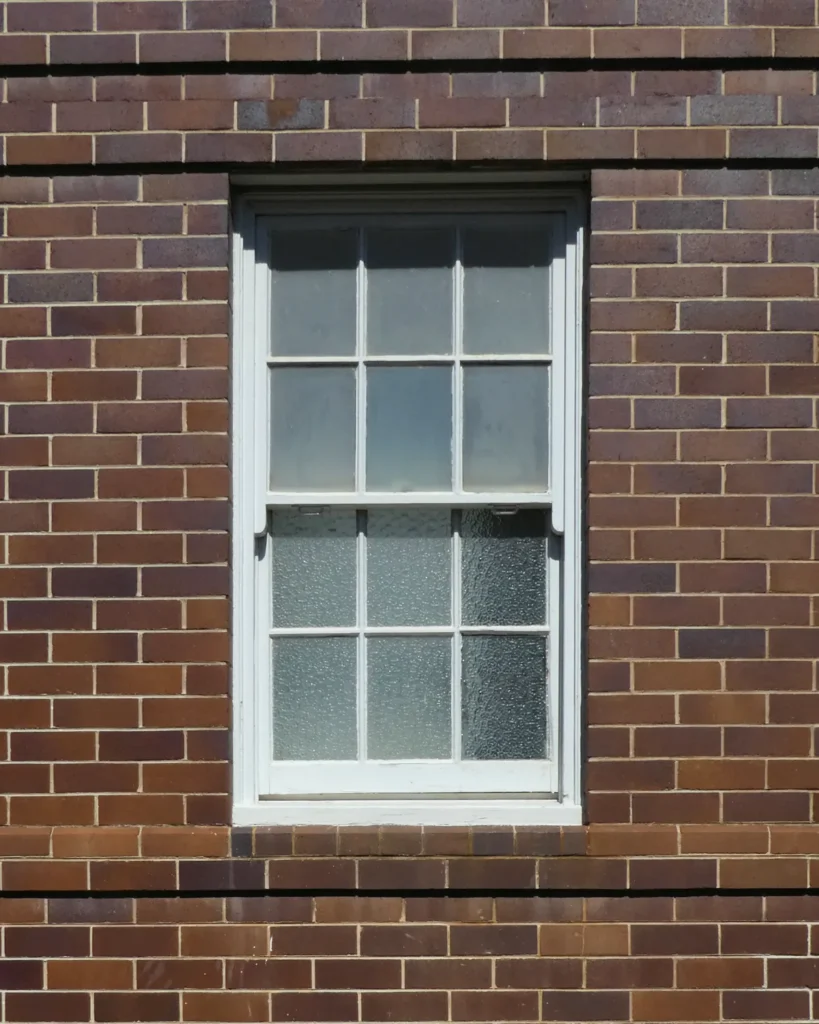
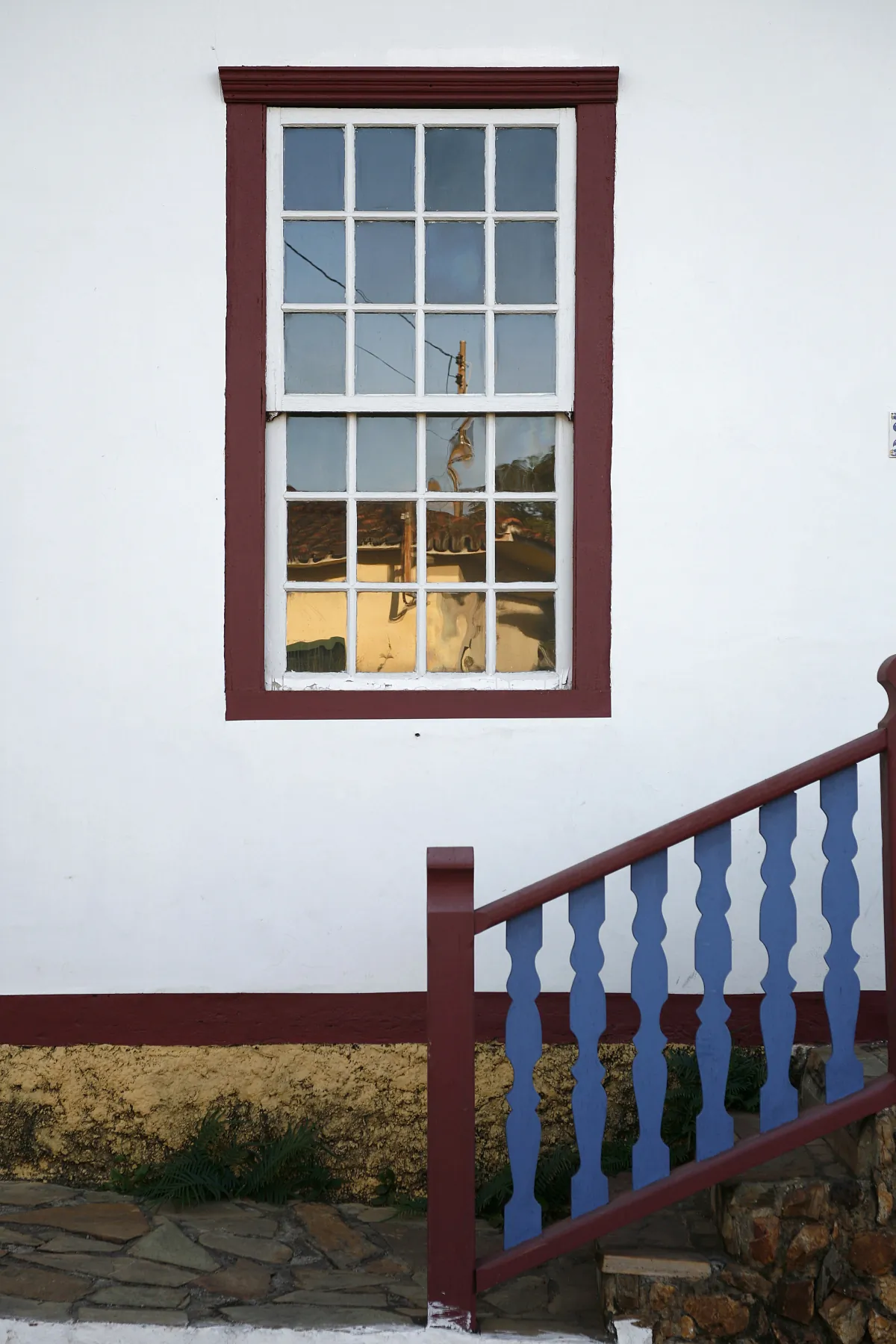
When Permits Are Typically Necessary (General) For Window Replacements Permit Requirements
A simple way to think about permits is this: the more your window replacement behaves like “construction” (structure, size, life-safety, exterior changes), the more likely you’ll need approvals and inspections. For this reason, Even when the work feels like a swap, you still want the scope defined in writing so everyone agrees on what gets opened up and what gets repaired.
- Often triggers permits/inspections: resizing openings, altering framing, changing sill height, adding/removing windows, or any structural repair tied to the window area.
- May be more straightforward: replacing a window in the same opening with no framing changes and no exterior modifications beyond normal weatherproofing.
- Always verify: condo/HOA rules, historic considerations, and address-specific requirements can change what “straightforward” means.
Typical Milestones
Window work usually fails on scheduling—not craftsmanship—when homeowners underestimate lead times or assume inspections can happen “any day.” A realistic plan builds slack into the calendar and locks decisions early so you don’t re-open scope after materials arrive.
- Scope + window selection (about 3–10 days): confirm opening sizes, decide on frame material and operating style, and align on finish work (trim, patch, paint).
- Permit planning (varies if required): assemble drawings/photos as needed, submit, and track review status; schedule around DBI availability.
- Ordering + delivery (often 2–8+ weeks): lead time depends on window type, finish, and availability.
- Installation (from 1–3 days to multi-week): small groups of windows move quickly; whole-home or multi-story access can take longer.
- Inspection + punch list (about 1–2 weeks): address any notes, confirm operation, and complete touch-ups.
| Decision | What it affects | Common schedule impact |
|---|---|---|
| Same opening vs resized opening | Permits, framing work, inspections | Days to weeks depending on review |
| Insert replacement vs full-frame replacement | Interior/exterior finish scope | More patch/trim time if full-frame |
| Standard vs custom windows | Manufacturing lead time | Longer ordering window for custom |
| Condo/HOA coordination | Approvals, access windows, exterior match | Can add weeks if not handled early |
Decisions That Affect Schedule
If you want a predictable timeline, make these choices early and document them in the estimate. In addition, That prevents last-minute changes that restart ordering or expand patch work after demolition begins.
- Which windows are being replaced (room-by-room list) and how many total.
- Operating style (single-hung, slider, casement) and frame material (vinyl, fiberglass, wood, aluminum).
- Whether any openings change size/location, including sill height changes.
- Interior finish level: trim replacement, drywall/plaster patch, paint touch-up.
- Exterior finish level: stucco/siding repairs, trim, and waterproofing details.
- Access constraints: parking/loading rules, upper-story access, working hours.
- Occupancy plan: pets, security, and which rooms need to stay usable.
Accessibility And Aging-In-Place Upgrades To Consider
Window replacements can also solve everyday usability problems. Additionally, If you plan to stay in the home long-term, consider comfort and safety features while you’re already opening up trim and dealing with hardware.
- Choose an operating style that’s easy to open and secure (especially in bedrooms).
- Use hardware that’s comfortable to grip and reachable for all household members.
- Improve ventilation strategy (for example, pairing windows so you can get cross-breeze without forcing heavy lifting).
- Coordinate window coverings (cordless options reduce hazards for kids and seniors).

How To Avoid Delays
Delays usually come from missing information, not bad luck. For example, A clean window replacement schedule comes from a tight scope, early approvals, and a plan for inspections and access.
- Lock the scope in writing: specify opening changes, finish work, and who handles patch/paint.
- Handle condo/HOA items early: confirm exterior appearance requirements and work-hour rules before ordering.
- Plan access like a jobsite: decide where materials land, where installers park, and which rooms stay clear.
- Build an inspection window into the calendar: don’t schedule installation with zero slack if a permit applies.
- Order with confidence: verify rough openings and the manufacturer’s sizing requirements prior to purchase so you don’t lose weeks to reorders.
Maintenance Tips For New Windows (So They Stay Smooth And Tight)
After installation, a few simple habits keep windows operating properly and help you spot small issues before they become leaks.
- Clean frames with mild soap and water; avoid harsh solvents that can dull finishes.
- Vacuum tracks and weep paths so water can drain as designed.
- Inspect caulked joints seasonally and after major storms; re-seal small gaps early.
- Lubricate moving hardware as recommended by the manufacturer.
- Keep painting and pressure-washing off seals and tracks to prevent premature wear.
Request A Written Estimate (Estimate-First CTA)
If you’re planning window replacements in San Francisco and want clarity on scope, scheduling, and permit coordination, start with a written estimate from US Construction & Remodeling Corp.. Meanwhile, Call +1 (916) 234-6696 or book here: https://usconstructioncali.com/free-estimate/.
To move faster, have this ready:
- Address and whether it’s a single-family home or multi-unit building.
- Window count and clear photos (inside and outside).
- Any planned opening changes (bigger/smaller/new location).
- Preferred frame material/style and finish expectations (trim/paint).
- Access notes (upper floors, parking/loading rules, work-hour limits).
Helpful Links
Frequently Asked Questions
In San Francisco, permit requirements depend on scope. A true “like-for-like” replacement (same opening, no framing changes) is often simpler, while projects that change openings or affect structure typically require permits and inspections through DBI.
To get to a confident answer, clarify these items early:
- Are you changing the opening size, sill height, or location?
- Will any framing be altered or repaired (headers/studs around the opening)?
- Is the property a condo or multi-unit building with shared exterior rules?
If you share the address, photos, and scope, we can provide a written estimate that flags likely permit triggers so you can plan the schedule realistically.
Not automatically. “In-kind” describes the intent (same opening and similar function), but DBI requirements can still vary by property and specific conditions. In addition, condo/HOA rules can add approvals even when the building department paperwork stays light.
The safer approach is to treat “in-kind” as a planning assumption and verify it against the actual scope and address. When your estimate describes the work clearly—opening size, interior/exterior finish, and weatherproofing details—you reduce the risk of a mid-project stop or rework.
Most timelines are driven by two things: (1) whether a permit/plan review is necessary and (2) window manufacturing lead time. Even for simple replacements, ordering can take several weeks depending on material, color, and availability.
As a planning baseline, many homeowners see a sequence like: scope and selections (days to a couple weeks), ordering (weeks), installation (days to weeks depending on quantity/access), and final touch-ups/inspection windows (about a week or two). A written estimate helps you pick dates that align with deliveries and inspection availability.
Inspection steps depend on what the permit covers, but most permitted window work is verified for safe installation and weather-resistance. If the project includes framing changes, inspections may also verify structural elements around the opening.
Practical tip: keep the work area accessible on inspection day (interior and exterior), and avoid covering critical areas until you know what needs to be visible. Your contractor should also confirm what documentation to keep on-site during the work.
Pricing varies by home and window package, so focus on how the estimate is structured. A solid written estimate breaks costs into clear components so you can compare apples-to-apples.
- Window units (material, operating style, glass options, screens).
- Installation labor (access, stories, protection, removal/disposal).
- Finish work (interior trim, patching, paint touch-ups; exterior repairs if needed).
- Permit and inspection costs if the scope requires them.
If you’re collecting quotes, ask each contractor to state whether openings change, and whether patch/paint is included or excluded.
Schedule changes usually come from product lead time and specialty scope. Standard sizes and common colors often arrive faster than custom sizes, specialty shapes, or uncommon finishes. Likewise, full-frame replacements can add time because they typically involve more trim and patch work.
If you’re deciding between multiple options, ask your contractor to estimate lead times for each window line and to describe what finish work each option requires. That way, you can trade off budget, performance, and timing without guessing.
Preparing a few details upfront helps you get an accurate, comparable estimate and reduces back-and-forth.
- Property address and building type (single-family, condo, multi-unit).
- Window count and photos (inside and outside, including trim and any damage).
- Any planned changes to opening size or sill height.
- Your preferred window material/style (or a short list of acceptable options).
- Access constraints (upper floors, parking/loading rules, work hours).
You can book an estimate at https://usconstructioncali.com/free-estimate/ or call +1 (916) 234-6696.
Licensed, insured & trusted local contractor
US Construction & Remodeling Corp.
9821 Business Park Dr, Sacramento, CA, 95827
Phone: +1 (916) 234-6696
CSLB License #: 1117562 Fully licensed and insured.