Typical Price Ranges By Scope Level
Davis varies because homes vary. Also, Still, most projects fall into broad buckets once you account for system size, roof conditions, and whether you’re adding storage.
- Basic solar (no battery): roughly $12,000–$22,000 for many homes with straightforward roof and electrical conditions.
- Mid-range solar (higher output or more complex install): roughly $22,000–$35,000 when roof complexity, longer wire runs, or equipment upgrades apply.
- Solar + battery storage: roughly $30,000–$55,000 depending on battery capacity and electrical work needed.
Hypothetical example: A homeowner aiming for a moderate offset might choose a mid-sized solar-only system; if the roof is simple and the main panel has room, pricing could land in the lower-to-mid part of the mid-range bucket.
Major Line Items That Move The Total (cost_table)
| Line item | Typical range | What can change it |
|---|
| Design/engineering | $800–$2,500 | Structural review needs, plan complexity |
| Equipment (panels + inverter/controls + racking) | $6,500–$18,000 | System size, product tier, warranty terms |
| Labor (mounting, wiring, commissioning) | $4,000–$12,000 | Roof access, roof height, run length, crew time |
| Roof prep/repairs (if needed) | $0–$6,000+ | Decking condition, flashing details, replacement needs |
| Electrical upgrades (if needed) | $0–$6,000+ | Main panel capacity, code compliance updates |
| Permits/inspections | $300–$1,500+ | Scope and review requirements |
| Battery storage (optional) | $8,000–$18,000+ | Battery size, electrical integration needs |
| Contingency | 5–15% of total | Hidden conditions discovered during install |
Use the table to plan your budget, not as a substitute for an on-site assessment. In addition, Two homes can land in different ranges based on attic access, roof details, and the condition of existing electrical equipment.
Cost Breakdown List (What You Should See In A Quote)
- Equipment: panels, inverter/controls, racking, and required electrical parts listed by model (or at least by tier).
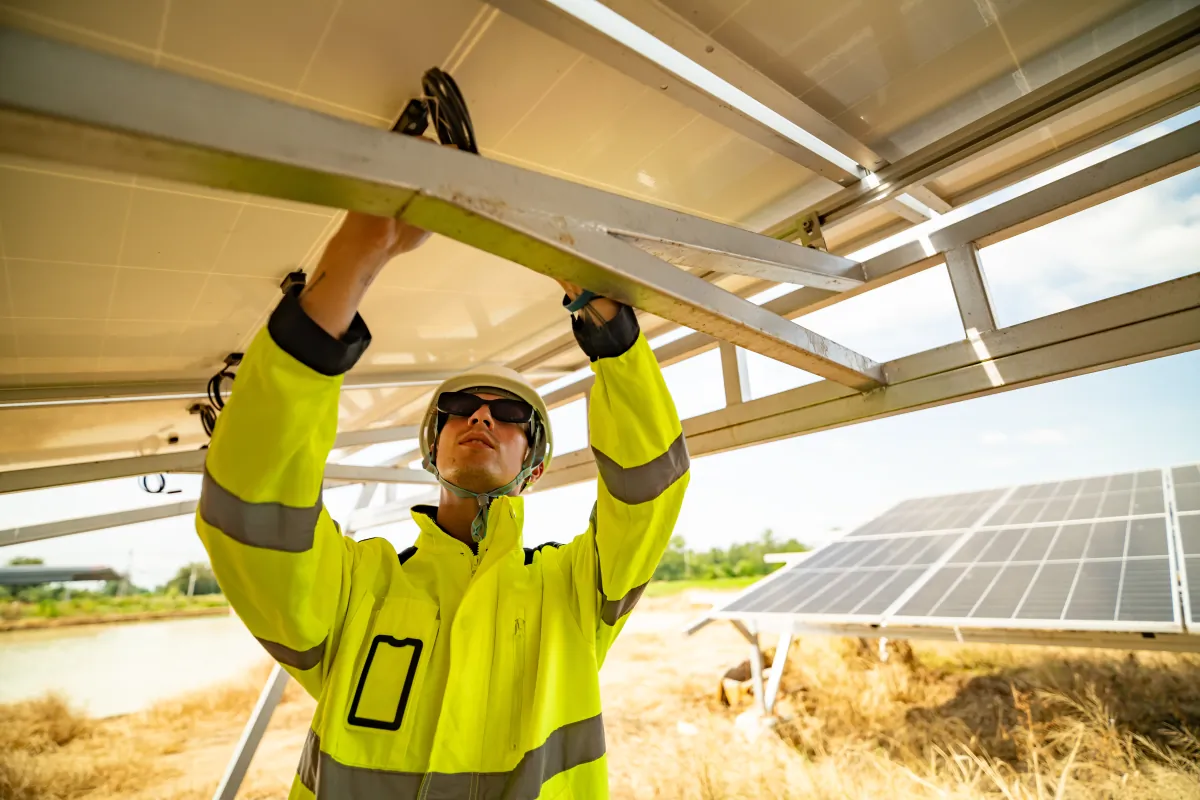
- Labor: roof mounting, wiring, weatherproofing, and system commissioning.
- Permits/inspections: what’s included, what’s estimated, and who handles scheduling.
- Electrical upgrades: called out clearly if there’s any chance your panel needs changes.
- Closeout package: warranties, manuals, and final sign-offs.
Trade-Offs: Finishes Vs Layout Changes
For solar projects, “finishes” are the choices you see (panel appearance, conduit routing, roof aesthetics). “Layout changes” are the choices you feel in the scope (electrical upgrades, roof work, or repositioning equipment). For example, Both affect the budget, but they do it in very different ways.
Best Long-Term Value Vs Nice-To-Have (value_roi)
- Prioritize durability: proper flashing, roof prep, and code-compliant electrical connections protect the home.
- Size for real usage: right-sizing often beats paying extra for features that don’t match your consumption.
- Pick aesthetics intentionally: cleaner-looking conduit routes can require extra labor; decide if it’s worth it to you.
- Add storage with a clear goal: batteries can add resilience, but they also add cost and complexity.
If the budget is tight, keep layout changes minimal and invest in solid fundamentals. As a result, That’s a practical way to protect remodel cost while still improving long-term value.
How To Avoid Change-Order Surprises
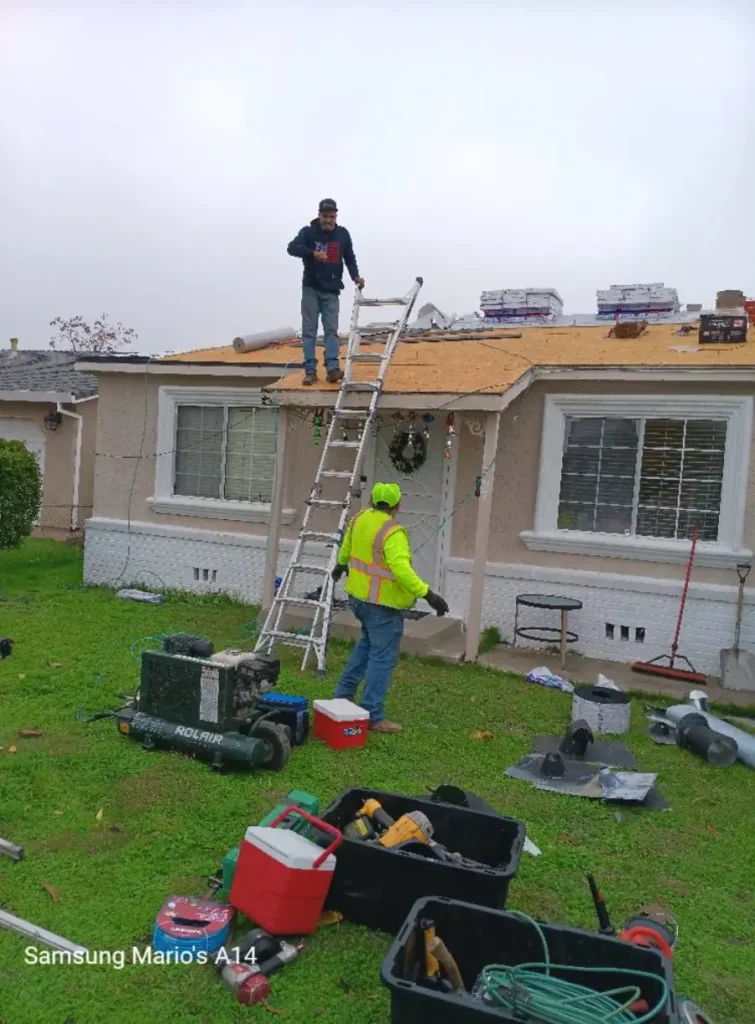
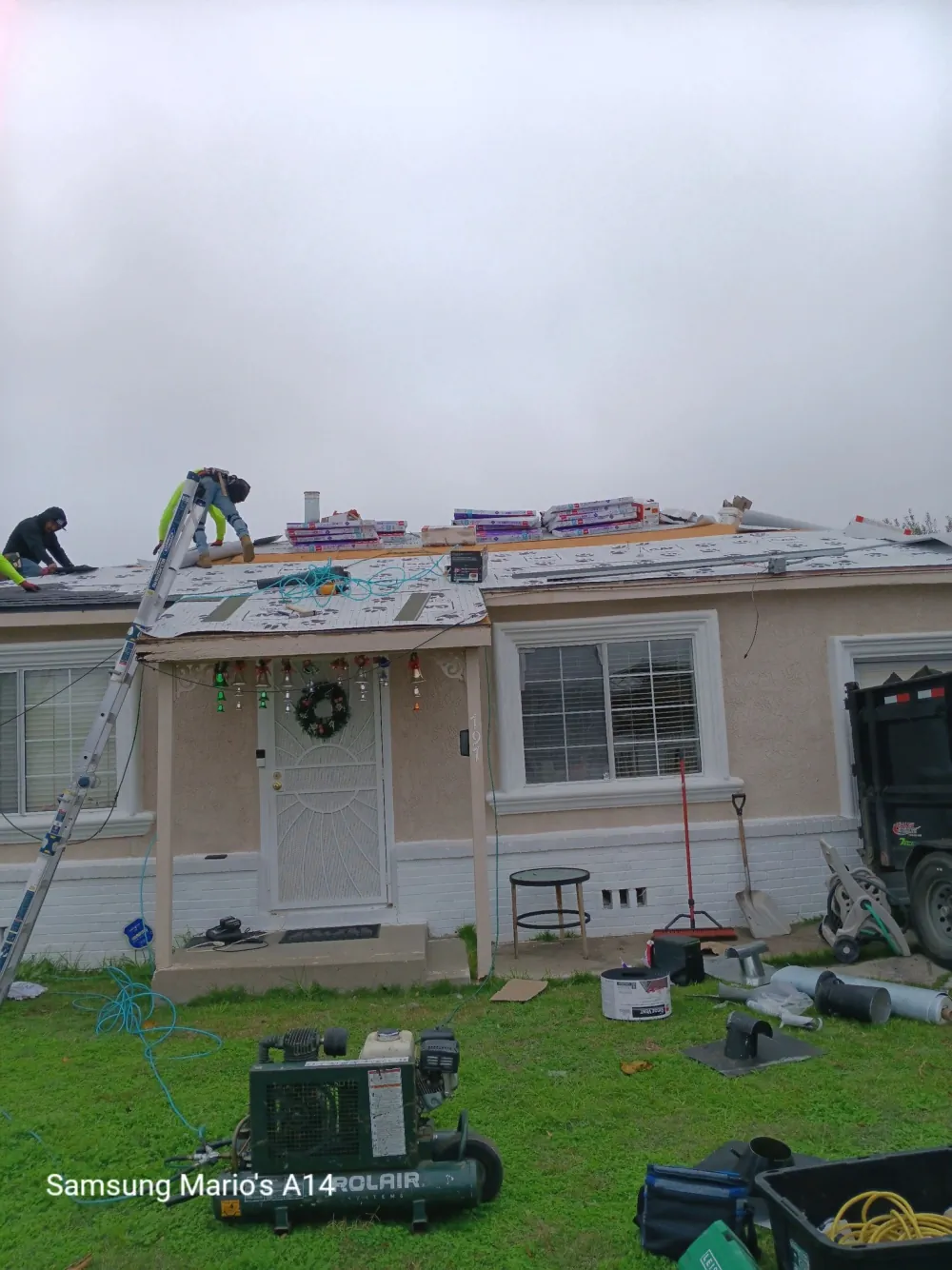
Change orders usually happen when the original scope missed something that only becomes obvious on site: roof issues under the surface, limited attic access, or an electrical panel that can’t safely accept additional work. For this reason, You can reduce surprises by collecting a few details upfront and insisting on clarity in writing.
Questions To Ask Before You Sign
- What exactly is included in the base price (equipment tier, mounting method, electrical scope)?
- What conditions trigger additional charges (roof repair, panel upgrade, trenching, drywall patching)?
- Is there an itemized allowance for permits/inspections and plan review?
- What documents do I receive at closeout (warranties, manuals, inspection sign-offs)?
Financing Options Homeowners Commonly Use (financing_options)
Homeowners fund solar in a few common ways. Meanwhile, Cash keeps the project simple and avoids financing fees. For this reason, Home equity loans/lines can be a fit if you want longer terms and potentially better rates than unsecured options. For this reason, Some people use dedicated solar loans or personal loans; whichever route you choose, compare total payback and fees, not just the monthly payment.
incentives may apply depending on your situation. Overall, Review current program details directly with official sources and your tax professional before you rely on any credit in your budget.
Planning, Build, And Closeout
Most homeowners want two timelines: how long the on-roof work takes, and how long the full project takes from design to final approval. Meanwhile, Installation can be quick, but review queues and scheduling often set the pace.
A Realistic Project Timeline (Not Optimistic)
- Design + site verification: a few days to 2 weeks
- Permit review + scheduling: often 2–6+ weeks (varies by scope)
- Installation: commonly 1–3 days for many homes
- Inspections + utility approval (permission to operate): 1–3+ weeks
- Closeout: same week as final approvals when documentation is organized
Permits And Inspections In Davis, High Level (permit_notes)
Most residential solar projects require building and/or electrical permits and at least one inspection. Meanwhile, In Davis, the Building Division supports electronic submittals, and parts of the permitting and inspection coordination may happen online or via email depending on scope. Meanwhile, The exact steps depend on the address and project details, so treat this as a high-level roadmap.
- Plan set preparation (layout, attachment details, electrical diagram)
- Permit application and plan review
- On-site installation
- City inspection(s) as required
- Utility paperwork and permission to operate
Clear scope and complete paperwork protect your schedule and your remodel cost by reducing rework and resubmittals.
For a timeline tailored to your house, call +1 (916) 234-6696 and we’ll narrow the range based on your roof, panel, and goals.