Planning To Completion
US Construction & Remodeling Corp. For this reason, helps Novato homeowners weigh solar panels vs diy with a roof-and-electrical-first plan, so the project stays buildable, inspectable, and clean-looking. For this reason, You get one point of contact for planning, coordination, and a clear timeline.
Book a planning call to talk through your timeline and the key decisions that shape scope and cost.
Roadmap At A Glance
- Site check: review roof condition, shading, attic access, and electrical panel capacity.
- System design: finalize panel layout, equipment locations, and wiring/conduit path.
- Plans and City submittal: prepare drawings and submit for review, then schedule inspections.
- Ordering and scheduling: confirm lead times and lock installation dates.
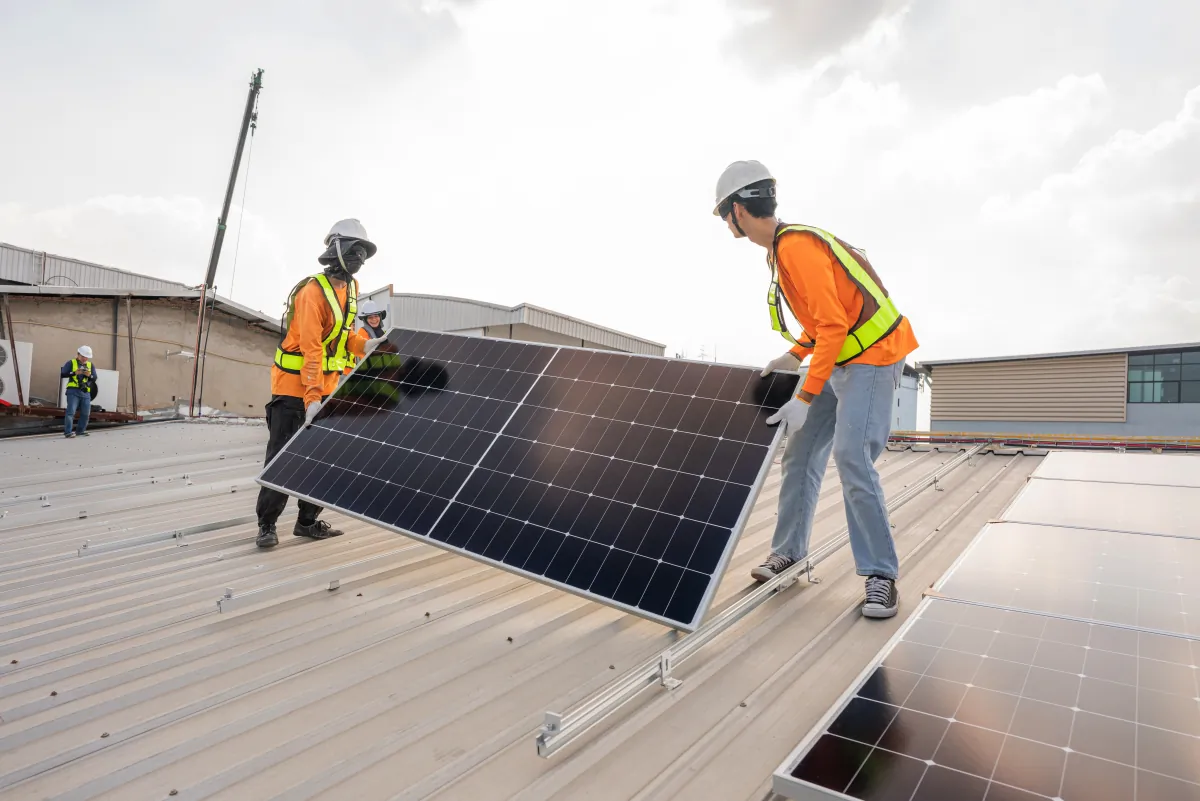
- Installation: mount, flash, wire, and commission the system.
- Inspection and utility approval: complete City inspection and any required utility sign-off before turning the system on.
Getting The Array And Equipment Placement Right
Layout planning is where DIY projects often drift. For example, A good layout accounts for performance, safety, service access, and how the finished system will look from the street.
- Choose roof planes with the best sun exposure while avoiding heavy shade.
- Work around vents, skylights, chimneys, and roof geometry so rows stay straight and balanced.
- Plan a conduit route early to keep runs tidy and minimize exterior clutter.
- Pick equipment locations that stay accessible for service (and do not block walkways).
- Think ahead about roof work: if the roof is near end-of-life, coordinate roofing before solar.
Before/After Snapshot (Hypothetical Example)
Hypothetical example: A homeowner in Novato considers a DIY kit to speed things up. In addition, After a site check, they realize their planned panel area has afternoon shading and their electrical panel needs a cleaner layout for new breakers. For example, The finished plan shifts the array to a better roof plane, routes conduit in a less visible path, and documents equipment locations so inspections and future service go smoothly.
Budget & Timeline (Typical)
Every home is different, but the same few factors drive most budgets and schedules. Also, When you compare solar panels vs diy, include the value of warranty coverage, roof protection details, and inspection-ready documentation.
- Roof complexity: steep roofs, tile, or limited access can add labor and planning time.
- Electrical readiness: limited panel capacity or needed upgrades can add scope.
- Array size and layout: more panels and more roof planes increase wiring complexity.
- Equipment choices: panel aesthetics, mounting approach, and any battery-ready planning can change cost.
Budget Ranges & Timeline (Typical)
- Design and City review often take longer than the on-site work.
- Once materials are on hand, installation commonly completes in a few working days.
- City inspection timing varies by workload and project scope.
- Plan extra time for final utility approval before the system is producing.
What To Prioritize
Solar can support resale value when the install looks professional and the paperwork is complete. Overall, Buyers tend to value clarity more than complexity.
- Keep a simple closeout packet: inspection sign-offs, equipment list, and warranty documents.
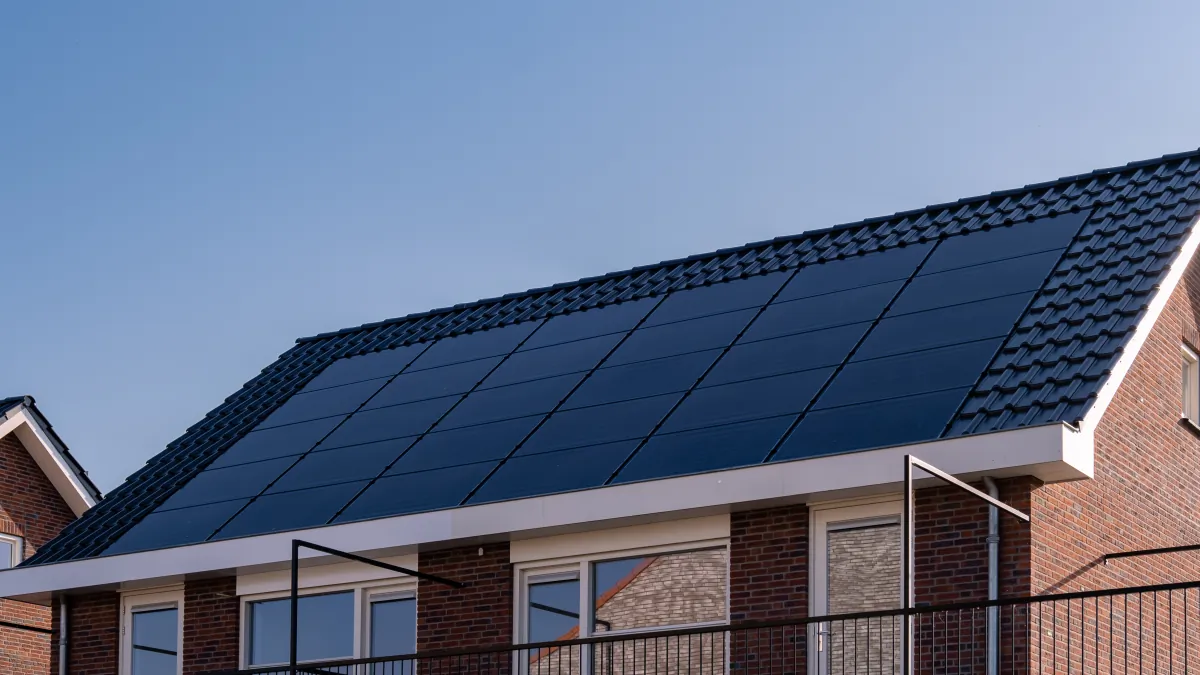
- Prioritize a clean exterior appearance (straight rows, organized conduit, neat equipment placement).
- Make sure the system stays serviceable; future troubleshooting should not require guessing.
How We Help In Novato
Novato-Specific Permitting And Scheduling
For many City of Novato projects, permit applications, plan check steps, payments, and inspection scheduling run through the 'Novato Permits' online portal (MaintStar). In addition, We help keep submissions aligned with the installed scope so the review and inspection steps stay straightforward.
Trust And Accountability Checklist
- Licensing and insurance: we can provide documentation during the planning phase, and you should verify it for any contractor you consider.
- Permit responsibility: we clarify who submits plans, pulls permits, and schedules inspections before work starts.
- Communication: you get a clear point of contact and milestone updates, not vague windows.
- Workmanship verification: we document key roof and electrical steps so you can understand what was done and why.
- Change control: scope changes get written approval, with pricing and schedule impact spelled out.
Prefer to talk it through on the phone? In addition, Call +1 (916) 234-6696 and tell us what you're trying to accomplish and when you want the project completed.
Maintenance Tips After Installation
- Rinse panels only when needed and follow manufacturer guidance for cleaning.
- Trim nearby trees to reduce shade and debris buildup.
- After major weather, do a quick ground-level visual check for shifted components.
- Keep your documentation in one folder so service calls stay fast and precise.
Helpful Links
Frequently Asked Questions
DIY can work for small, stand-alone systems, but most residential installations involve roof penetrations and electrical tie-ins that need to pass inspection. For a grid-connected home system, many homeowners hire a professional to manage waterproofing details, electrical scope, and the City inspection path.
If you're still considering DIY, start with a site assessment and a written plan before purchasing equipment.
Many solar installations involve roof and electrical work that typically requires a permit and an inspection. In Novato, the City commonly manages applications and inspection scheduling through the 'Novato Permits' online portal (MaintStar), and a contractor can handle the submission and track updates for you.
Because requirements vary by scope and address, confirm the details for your specific project before work starts.
Equipment matters, but scope details often drive the real differences. If you're comparing solar panels vs diy, factor in planning time, roof protection details, and the cost of correcting mistakes.
- Roof type and access (steeper or more complex roofs take longer).
- Electrical panel capacity and any needed upgrades.
- Array layout across one roof plane vs multiple planes.
- Permit fees, inspections, and documentation requirements.
- Workmanship warranty and ongoing service support.
For many homeowners, design and City review take longer than the physical installation. Once materials arrive and the install date is set, the on-site work often finishes in a few working days, with inspection and utility approval happening afterward.
To get a realistic timeline for your home, it helps to map the roof, electrical scope, and submittal steps on a planning call.
The biggest roof risks come from how the team mounts and seals, not the panel brand alone. Ask specifically about the mounting and flashing approach for your roof type.
- Mounting hardware and flashing method at every penetration.
- How sealants are used (and how they are protected from weather).
- How wiring is routed to avoid unnecessary holes and exposed runs.
- How the system stays accessible for future roof or solar service.
Look for clarity and accountability. A professional proposal should spell out scope, responsibilities, and timeline in plain language.
- Verify active licensing and ask for proof of insurance.
- Request a roof layout plan and an itemized equipment list.
- Confirm who handles permits, inspections, and closeout documents.
- Review warranty terms (equipment vs workmanship) and service expectations.
- Make sure payment terms match milestones, not vague promises.
Licensed, insured & trusted local contractor
US Construction & Remodeling Corp.
4424 Freeport Blvd, Sacramento, CA, 95822
Phone: +1 (916) 234-6696
CSLB License #: 1117562 Fully licensed and insured.
View our Google Business Profile