Skip links

Solar Panels Timeline in Placer: Planning Checklist

Planning a solar project often starts with one question: what does a solar panels timeline placer homeowners can count on actually look like? The install day is usually the fast part; the calendar is won or lost in planning, equipment availability, and local review/inspection scheduling.

Quick checklist:

  • Verify roof condition first; plan reroof timing before installing panels.
  • Size the system from real kWh usage and shading, not just panel count.
  • Compare inverter options (microinverters vs string + optimizers) and monitoring.
  • Confirm permitting and utility interconnection responsibilities and timeline.
  • Review the contract (warranties, production assumptions, exclusions, roof penetrations).
  • Confirm any electrical panel upgrades and inspection steps.

TL;DR: Set scope early (system goals, roof readiness, electrical panel needs), pick equipment before drawings go in, and leave buffer time for plan review and inspections. Most delays come from late scope changes, not from the crew on site. For a timeline built around your address and goals, book a planning call or call +1 (916) 234-6696.

  • Confirm your goals: bill offset, backup power, or both
  • Check roof condition and any needed repairs
  • Verify electrical panel capacity and breaker space
  • Decide on batteries, EV charger plans, and future loads
  • Choose panels and mounting approach early to avoid backorders
  • Clarify who coordinates permits and inspections in Placer

The Planning Checklist That Prevents Rework For Solar Panels Timeline Placer

DecisionWhy it mattersQuick check
Roof conditionInstalling over an aging roof risks rework later.Inspect first and plan reroof timing if needed.
System sizeDetermines cost and energy offset.Size from real kWh usage and shading.
Inverter typeAffects monitoring and shade performance.Compare microinverters vs string + optimizers.
Permits & interconnectionApprovals can drive the schedule.Ask who handles permits/utility and expected timelines.

A clean schedule comes from removing “unknowns” before anyone starts ordering parts or booking inspections. Also, When homeowners get wildly different time estimates, it usually means the scope isn’t defined yet or the contractor is guessing around permitting and availability.

This checklist is designed to keep a solar panels timeline placer plan realistic, with fewer mid-stream changes. Meanwhile, You’ll still have variables, but you’ll know which ones actually move the schedule.

Where Timelines Usually Slip

  • Roof surprises: repairs or re-roofing decisions made after design is also started
  • Electrical upgrades: limited panel capacity or breaker space discovered late
  • Late equipment picks: swapping panels, adding a battery, or changing mounting after drawings
  • Access constraints: attic access, tight side yards, or parking restrictions not planned for
  • Scheduling pinch points: inspection availability and utility sign-off windows

Who This Is For

  • Homeowners who want a timeline before committing to a contract
  • Anyone considering a battery, main panel changes, or roof work alongside solar
  • Busy households that need install-day logistics (parking, pets, power shutoffs) planned upfront

Define Scope And Must-Haves

Before you compare quotes, decide what “done” means. Additionally, A clear scope protects your budget and your calendar because it reduces redesign and resubmittals.

Scope Decisions To Lock In Early

  • Primary goal: offsetting usage, adding backup capability, or preparing for future loads
  • Battery yes/no: adding storage changes equipment, layout, and sometimes electrical work
  • Roof readiness: confirm remaining roof life and whether repairs happen before solar
  • Main electrical panel: verify capacity, breaker space, and whether upgrades are necessary
  • Aesthetics and layout: panel placement priorities and conduit routing preferences
  • Budget guardrails: what you will (and won’t) change once drawings are underway

Contractor Questions That Protect The Timeline

  • What information do you need from me to produce a schedule you’ll stand behind?
  • Who will pull permits and schedule inspections, and what do you need from the homeowner?
  • What equipment is actually available now, and what items commonly backorder?
  • If the inspector calls out a correction, how fast do you typically return to resolve it?
  • How do you handle change orders so scope changes don’t quietly extend the calendar?
  • What paperwork is necessary for utility permission to operate (PTO), and who submits it?
  • Where can I verify contractor licensing and check status? (California CSLB: https://www.cslb.ca.gov/)

If you want to walk through these questions with a real schedule in mind, call +1 (916) 234-6696 or use our booking page: https://usconstructioncali.com/free-estimate/.


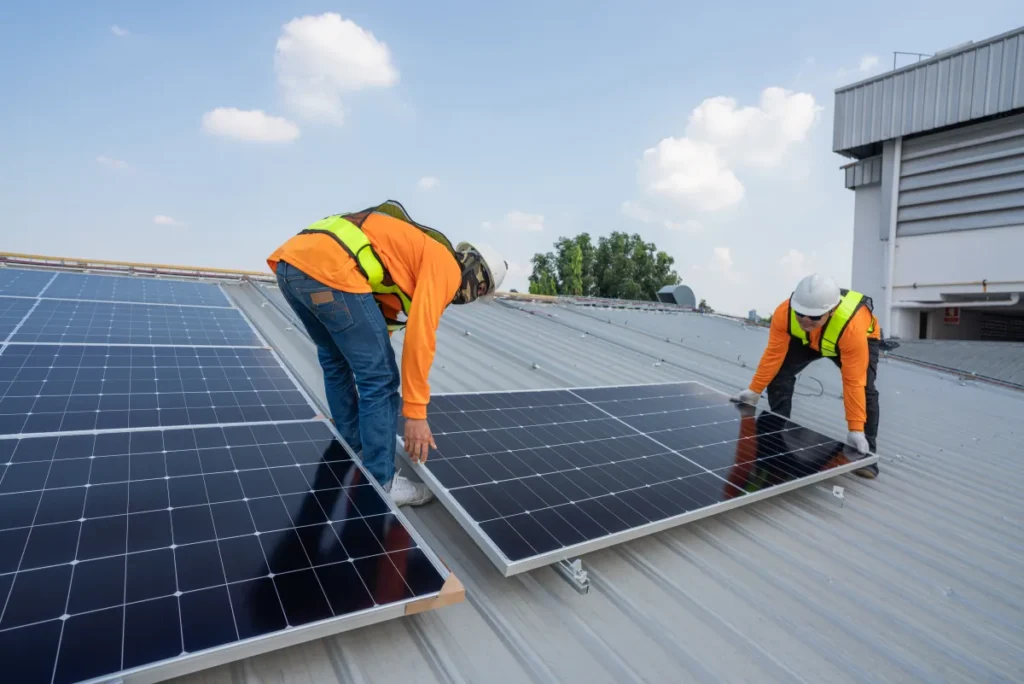
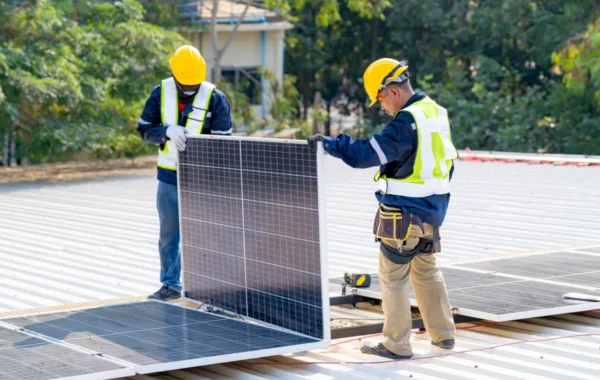
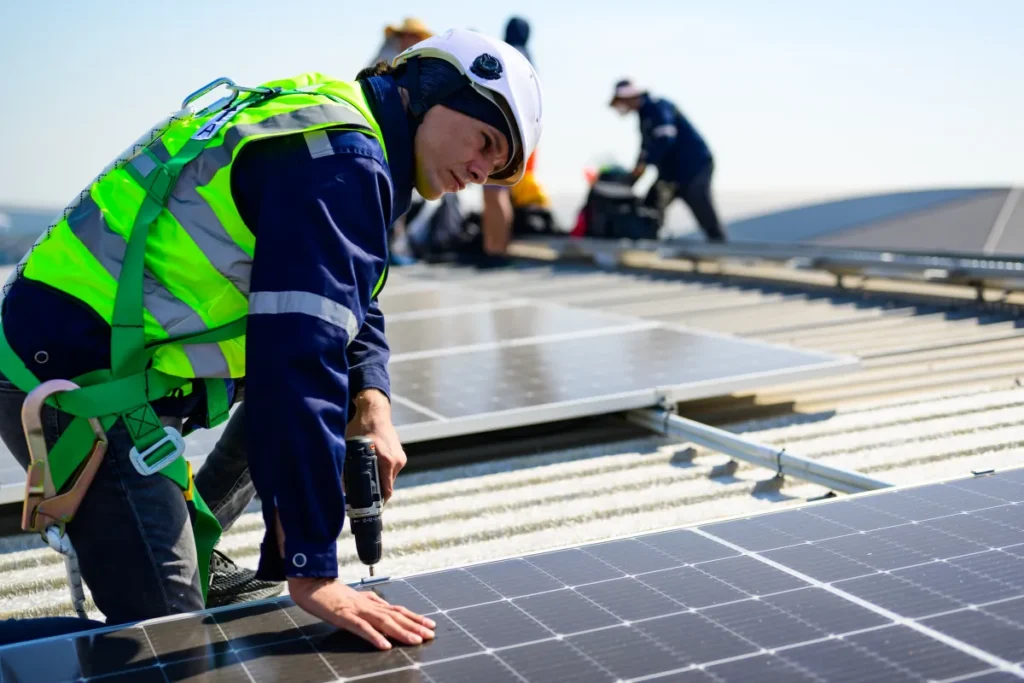
metal roof installation technicians carrying photovoltaic solar module whi

Material Selections And Lead Times For Solar Panels Timeline Placer

Material choices affect both the design and the delivery window. In addition, Even when the panels themselves are available, related components (mounting hardware, electrical parts, or batteries) can change the start date.

Lead-Time Drivers To Decide Early

  • Battery storage: adding storage often adds design coordination and equipment sourcing time
  • Roof type and mounting: some roof materials require specialty mounting methods or extra prep
  • Electrical scope: a main panel change or subpanel work can add coordination with inspections
  • Monitoring and shutoff components: required safety equipment varies by design and may affect sourcing
  • Appearance preferences: specific panel colors or edge details can narrow availability

When you pick your must-haves up front, the rest of the timeline becomes easier to predict. In contrast, late swaps can trigger drawing updates and new review cycles.

Permits, Inspections, And Scheduling

Permits and inspections are part of most residential solar installs, and they influence the calendar more than the on-roof work. For example, The exact steps depend on jurisdiction, scope, and the property address.

Permit And Inspection Basics In Placer

For Placer County projects, permitting is typically handled through the county permit portal (Accela / e-Permits), depending on jurisdiction and scope. Overall, Your contractor should confirm the correct path for your address and outline which inspections are expected.

  • Plan review: drawings are reviewed before work starts
  • Inspections: inspections verify the installation matches approved plans and safety codes
  • Scheduling reality: inspection availability can vary week to week, so build buffer time

Typical Timeline (Phases + Ranges)

  • Planning + site check: often 1–2 weeks (scope, roof/electrical review, layout planning)
  • Design + drawings: often 1–2 weeks (final layout, equipment list, permit-ready plans)
  • Permit review: often measured in weeks (varies by jurisdiction and completeness of submittal)
  • Install scheduling: often 1–3 weeks (align crew, materials, homeowner access)
  • Installation: commonly 1–3 days for many homes (scope-dependent)
  • Inspection + sign-offs: often 1–3 weeks (inspection appointment + any corrections)
  • Utility PTO: timing varies (paperwork, meter work, and utility processing time)

What Can Change The Schedule (And Budget)

Decision/driverWhy it mattersCommon impact
Roof repairs or replacementSolar mounting should go on a roof that’s ready to lastCan add coordination time and shift install dates
Main electrical panel capacityLimited space or older equipment may require upgradesMay add permitting/inspection steps and materials
Battery storage add-onChanges equipment, wall space needs, and electrical designCan extend design and sourcing timelines
Equipment availabilityBackorders push the first viable install windowCan shift the start date by weeks
Inspection appointment availabilityWork cannot close out until inspections are signed offCan delay activation if not buffered

To keep the schedule moving, have photos of the roof and main electrical panel ready, decide on battery/no-battery early, and avoid changing equipment once plans are submitted.

energy efficient upgrade expertise happy family near their house with solar panels

Site Prep And Living-Through Tips

Solar installs are usually less disruptive than major interior remodels, but the prep still matters. For this reason, A few small steps can prevent a “simple” install from turning into multiple return trips.

Homeowner Prep That Saves Time

  • Access: clear a path to the electrical panel, attic access point, and side yard gates
  • Parking: reserve space for a work vehicle and material staging if possible
  • Power interruptions: plan for brief shutoffs; protect computers and sensitive devices
  • Pets and kids: set boundaries for ladders, tools, and open gates
  • Communication: confirm who approves field changes if something unexpected is found

Closeout Checklist And Warranty Notes

Closeout is where you protect the investment. As a result, The goal is simple: you should finish with documentation, a working system, and clear contacts for warranty issues.

Closeout Packet Checklist

  • Final approved plans and any as-built changes
  • Inspection sign-offs (as applicable)
  • Equipment documentation and serial numbers list (kept in a safe place)
  • Warranty terms for panels, inverter(s), and any batteries (read the exclusions)
  • Workmanship coverage details and how service requests are handled
  • Utility PTO confirmation and any final account notes

Maintenance Tips After Activation

  • Keep panels clear: rinse dust/pollen as needed; avoid harsh chemicals
  • Watch production trends: a sudden drop can signal shade growth, debris, or a component issue
  • Trim vegetation safely: reduce new shading over time without damaging wiring or mounts
  • After storms: do a visual check from the ground for shifted panels or obvious damage

If you want a solar panels timeline placer plan that includes permitting buffers and a realistic install window, talk with US Construction & Remodeling Corp. Also, Call +1 (916) 234-6696 or book a planning call here: https://usconstructioncali.com/free-estimate/.
Helpful Links

Frequently Asked Questions

Many homes see the on-site installation completed in days, while the full project often spans several weeks due to planning, permit review, inspections, and utility PTO processing. Your exact timeline depends on roof condition, electrical scope, equipment availability, and local scheduling.

  • Fastest path: clear scope + available equipment + smooth review/inspection scheduling
  • Common slowdowns: late scope changes, roof repairs, or electrical upgrades discovered late

Most delays are preventable when you decide key items before plans are submitted. The goal is to avoid redesign, resubmittals, and multiple inspection trips.

  • Changing equipment late: pick your panels and any storage early
  • Unverified electrical capacity: confirm the main panel and breaker space upfront
  • Roof work not planned: handle repairs before solar is mounted
  • Missing homeowner info: provide roof/panel photos and access notes early
  • No buffer for inspections: build in calendar cushion for scheduling

In many cases, yes. The exact permits and inspections depend on your address, jurisdiction, and project scope (for example, whether electrical work is included). A qualified contractor should confirm what applies to your project and coordinate the submittals and scheduling.

For Placer County projects, permitting is typically handled through the county permit portal (Accela / e-Permits), depending on jurisdiction and scope.

They often do. Adding a battery can change equipment needs and electrical design, and a main panel upgrade can add additional coordination and inspections. Neither is “bad,” but both are easier when planned early.

  • Battery add-on: can add design coordination and sourcing time
  • Main panel work: can add materials, inspections, and scheduling steps

Cost depends on system size, roof conditions, electrical scope, equipment choices, and whether storage is included. The schedule is usually driven more by design decisions, permitting timelines, inspection availability, and equipment lead times than by the price tag.

If you want a quote tied to a realistic calendar, call +1 (916) 234-6696 or use https://usconstructioncali.com/free-estimate/.
Ask questions that force clarity on responsibilities, lead times, and what happens when something changes. A good proposal should explain the schedule drivers, not just the install date.

  • Who is responsible for permits, inspections, and utility PTO paperwork?
  • What equipment is in stock now, and what items are commonly delayed?
  • What is your plan if an inspection needs a correction?
  • How do you price and approve change orders?
  • How will you protect the roof penetrations and sealants during install?

Solar is relatively low-maintenance, but a simple routine helps you catch issues early and protect warranties.

  • Keep panels reasonably clean (especially after heavy dust or pollen)
  • Check monitoring periodically for unusual drops in output
  • Maintain roof drainage and trim vegetation that creates new shade
  • After major storms, do a ground-level visual check for obvious damage

keep your closeout packet (warranties, serial numbers, and sign-offs) accessible in case service is necessary.

Licensed, insured & trusted local contractor

US Construction & Remodeling Corp.
9821 Business Park Dr, Sacramento, CA, 95827
Phone: +1 (916) 234-6696

CSLB License #: 1117562 Fully licensed and insured.

View our Google Business Profile

Leave a comment

This website uses cookies to improve your web experience.
Explore
Drag