
Skip links

Solar Panels Permit Requirements In Placer

If you're planning rooftop solar in Placer, understanding solar panels permit requirements early helps you avoid redesigns, missed inspections, and surprise costs.

Quick checklist:

  • Verify roof condition first; plan reroof timing before installing panels.
  • Size the system from real kWh usage and shading, not just panel count.
  • Compare inverter options (microinverters vs string + optimizers) and monitoring.
  • Confirm permitting and utility interconnection responsibilities and timeline.
  • Review the contract (warranties, production assumptions, exclusions, roof penetrations).
  • Confirm any electrical panel upgrades and inspection steps.

TL;DR: Most residential solar projects need a building/electrical permit, at least one inspection, and utility approval before you turn the system on. Projects move faster when the roof, electrical panel, and equipment layout are decided up front.

  • Check your roof condition and remaining life
  • Confirm main electrical panel capacity and breaker space
  • Decide where equipment will go (panels, inverter, disconnects)
  • Decide if you want a battery now or later
  • Check HOA or architectural rules (if applicable)
  • Put in writing who pulls permits and schedules inspections

Want a contractor to sanity-check the scope before you spend time on designs? Free estimate, or call +1 (916) 234-6696.

How To Plan Solar Panels Permit Requirements In Placer Without Surprises

DecisionWhy it mattersQuick check
Roof conditionInstalling over an aging roof risks rework later.Inspect first and plan reroof timing if needed.
System sizeDetermines cost and energy offset.Size from real kWh usage and shading.
Inverter typeAffects monitoring and shade performance.Compare microinverters vs string + optimizers.
Permits & interconnectionApprovals can drive the schedule.Ask who handles permits/utility and expected timelines.

In Placer, the paperwork is usually straightforward when the design matches the home. For example, Understanding solar panels permit requirements early can prevent delays that come from late discoveries: a roof that needs repair, a main panel that can't support the new load, or an equipment layout that doesn't meet working clearances.

Before you sign a contract, get clarity on where the permit will be submitted (county vs. In addition, city jurisdiction) and what the plan set will include. Overall, Many Placer County projects move through an online permit portal, but the exact path depends on the address.

Decisions To Lock In Early

  • Roof readiness: leaks, weak decking, or an end-of-life roof can also force redesigns
  • Electrical capacity: service size, breaker space, and where the disconnect will mount
  • Equipment placement: roof faces, vents/skylights, and where conduit will run
  • Future upgrades: EV charging, HVAC changes, or a battery addition later
  • Access planning: attic access, working clearances, and safe roof walk paths

Common Mistakes That Slow Approvals

  • Skipping a roof evaluation and discovering issues after plans are drawn
  • Assuming the existing electrical panel is "fine" without a load review
  • Choosing equipment locations without checking working clearances
  • Leaving permit fees, engineering, or panel upgrades out of the written scope
  • Not keeping a copy of the approved plan set for inspection day

Scope, Budget, And Priorities

Solar isn't just a product choice; it's a scope decision. Additionally, The smoothest installs happen when the homeowner and contractor agree on priorities and what's included, in writing, before ordering equipment.

Scope And Budget Checklist

  • Define your goal: maximum bill offset, backup power, or "future-ready" capacity
  • Decide on add-ons now: battery storage, main panel upgrade, or roof repairs
  • Ask for a line-item scope that includes permitting, inspections, and close-out documents
  • Clarify what triggers a change order and how pricing is approved
  • Confirm who coordinates inspection scheduling and jobsite access

If you want a straightforward scope review before you move forward, US Construction & Remodeling Corp. As a result, can walk the site and outline a permit-ready path. Additionally, Book online or call +1 (916) 234-6696.
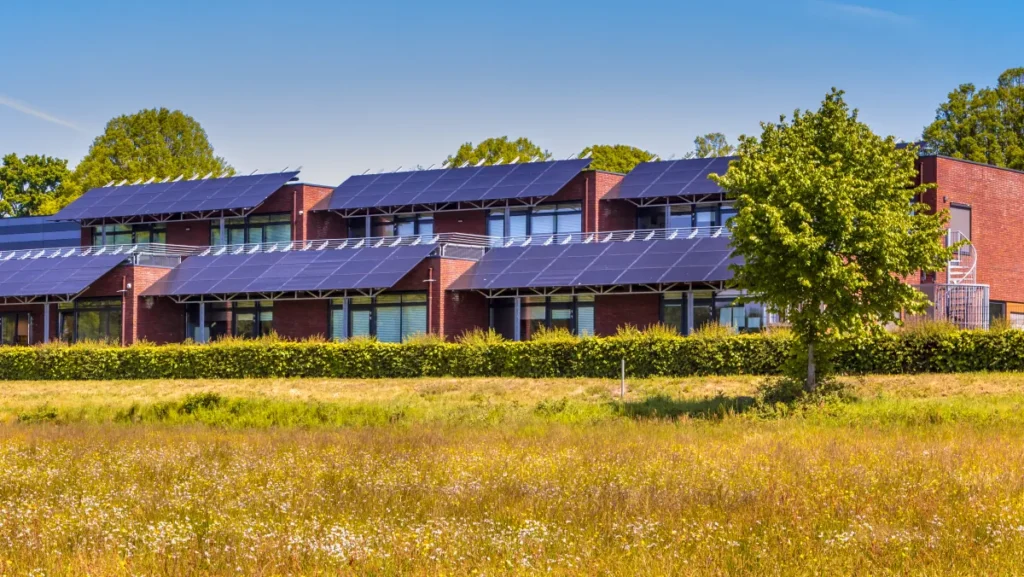
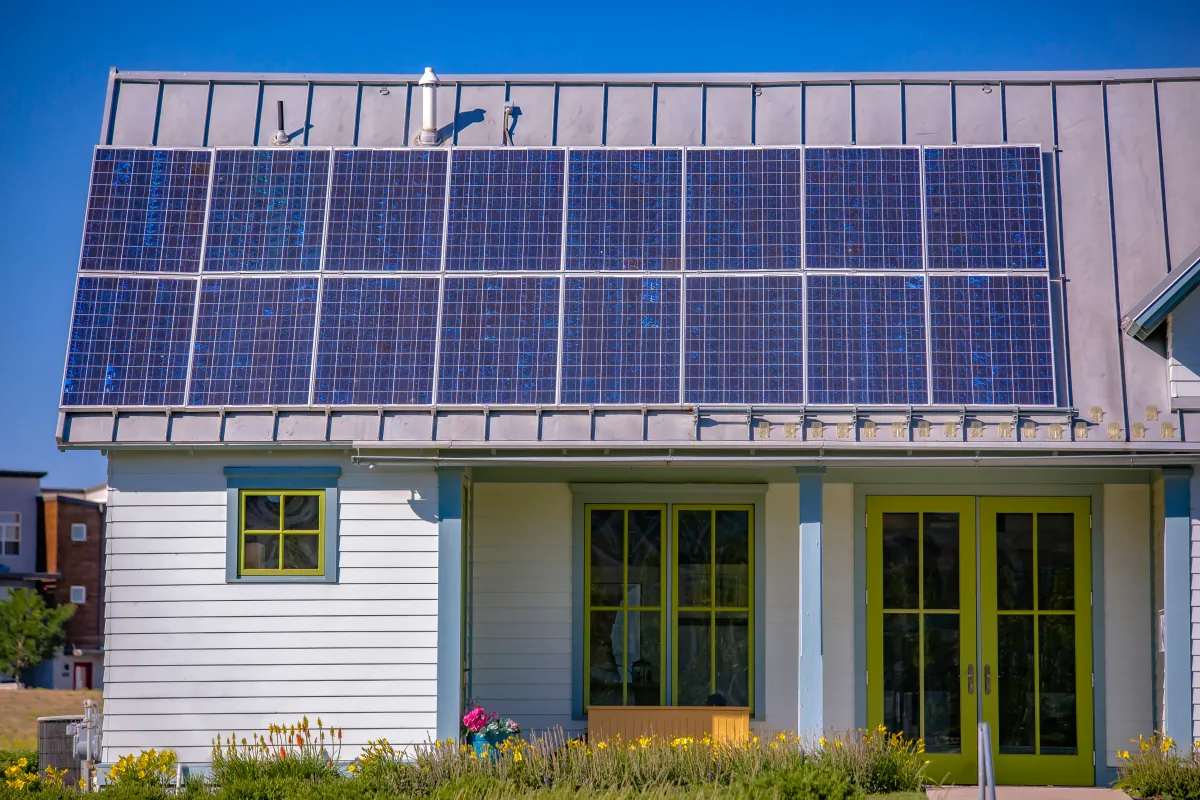
solar panel workers installing solar panels for efficient ene

Permits & Inspections (General Guidance)

Most residential solar installs require permits because the work ties into the structure (roof attachments) and the electrical system (new circuits, disconnects, labeling, and grounding). For this reason, If you plan around solar panels permit requirements from day one, inspection day goes smoother and you reduce last-minute fixes.

Permit Notes For Placer Homeowners

  • Rooftop systems typically involve a building permit and an electrical permit; battery storage or a main panel upgrade can add more review
  • If the roof structure needs reinforcement or engineering, build that into the schedule before ordering materials
  • Ground-mounted solar may introduce additional site considerations such as trenching, grading, or setbacks
  • Inspections commonly verify roof attachment methods, electrical safety, equipment labeling, and working clearances
  • Keep the approved plan set on site so the inspector can quickly match what's installed

Key Decisions At A Glance

DecisionWhat to verify earlyHow it can affect approvals
Roof conditionRemaining life and any leaksRepairs or reroofing can change layout and timing
Main electrical panelBreaker space and service sizeUpgrades often require a separate permit and inspection
Equipment locationsInverter/disconnect placement and conduit routeClearances and labeling need to match code and plans
Battery now vs. laterSpace, ventilation, and backup loadsStorage can add review steps and equipment requirements
Mount typeRoof vs. ground mountGround mounts can add trenching and site review items

Timeline And What To Expect

Permit timing varies across Placer depending on jurisdiction workload and how complete the submittal is. Meanwhile, Even so, the sequence is predictable, and you can keep it moving by locking decisions early and avoiding midstream design changes.

A Realistic Project Sequence

  1. Site assessment and preliminary design (roof, shading, electrical)
  2. Plan set preparation and permit submittal
  3. Plan review and any requested corrections
  4. Installation and jobsite walkthrough
  5. Inspection scheduling and final approval
  6. Utility approval to energize the system (timing varies by provider)

Scheduling is where many projects stall. Overall, Make sure someone is responsible for booking inspections, being on site, and bringing the approved plans. Also, That coordination matters as much as the installation work itself.

solar panel workers installing solar panels for efficient ene

When To Call A Licensed Contractor

Solar work touches your roof and your electrical service. Also, If your project includes a complex roof, a service upgrade, battery storage, or any structural repair, a qualified contractor can reduce rework and keep the inspection path clear.

If you're collecting bids, focus on clarity over speed. Overall, A clean scope, a permit-ready plan set, and a realistic schedule will save you time during plan review and inspections.

Questions To Ask A Contractor Before You Sign

  • Who will pull the permits and respond to plan-check comments?
  • What is included in the price: permitting fees, engineering, roof work, and close-out documents?
  • What happens if the main electrical panel needs an upgrade after the site review?
  • How will roof penetrations be flashed, and who is responsible for roof repairs if needed?
  • How will the crew protect landscaping and keep the jobsite clean?
  • Who schedules inspections and who will meet the inspector on site?
  • How will you support system monitoring and troubleshooting after turn-on?

Maintenance Tips After Installation

  • Review production in your monitoring app weekly for the first month, then monthly
  • Rinse panels with clean water when dust buildup is visible; avoid abrasive tools
  • Keep roof drains and gutters clear so water doesn't pool near mounting points
  • Trim trees that shade panels or drop debris onto the array
  • Watch for error notifications and address them quickly to prevent downtime

Ready to talk through your home and get a clear plan? Free estimate. In addition, If you prefer, call +1 (916) 234-6696.

Helpful Links

Frequently Asked Questions

In most cases, yes. Grid-connected residential solar usually requires permits because the work affects both the roof structure (attachments and weatherproofing) and the electrical system (new circuits, disconnects, labeling, and grounding).

Placer includes multiple jurisdictions, so the exact submittal route can vary by address. A careful contractor will confirm where the permit is filed and what the plan set needs to include before equipment is ordered.

  • Ask who is responsible for pulling permits and being the point of contact for corrections
  • Make sure the contract scope includes permitting and inspection coordination
  • Confirm whether any related work (roof repair, main panel upgrade, battery) will be permitted separately

Most residential installs involve an electrical inspection and a building/structural inspection (sometimes combined, sometimes separate). The goal is to verify the installation matches the approved plans and meets safety requirements.

Inspectors commonly check items like roof attachment methods, flashing at penetrations, grounding/bonding, conduit support, equipment labeling, disconnect accessibility, and working clearances at electrical equipment.

  • Keep the approved plans on site and make sure the installer follows them
  • Provide access to the main electrical panel, attic (if needed), and roof areas
  • If a main panel upgrade is part of the project, expect that to be inspected as its own scope

A complete submittal reduces back-and-forth. While requirements vary, plan review often moves faster when the package clearly shows where equipment goes and how it ties into the electrical system.

  • Roof layout showing panel placement, roof features (vents/skylights), and attachment points
  • Equipment specification sheets (modules, inverter equipment, racking/mounts, battery if included)
  • Electrical single-line diagram and labeling details
  • Structural details or engineering letters when the roof framing or attachment method needs verification
  • Photos of the main panel and service equipment to support an electrical capacity review

If you have an HOA or architectural committee, getting that approval early can also prevent a late redesign.

Fees vary widely by jurisdiction and by project scope, so the right approach is to plan for a dedicated line item rather than guessing. In many cases, permit and plan review costs are a smaller slice of the total project, but they can climb when extra scopes are added.

Cost drivers that commonly change the total include structural engineering needs, a main electrical panel upgrade, battery storage, and any roof repair work required to make the roof ready.

  • Ask for an itemized estimate or a clear allowance for permit-related costs
  • Confirm whether re-submittals or revisions are included if the plan checker requests changes

The overall timeline can range from a few weeks to a few months. The biggest variables are how quickly a complete plan set is submitted, how many plan-check comments come back, and how fast inspections can be scheduled.

A practical way to think about the timeline is in phases: site assessment and design, permit submittal and review, installation, inspections, and then the final utility approval to energize the system.

  • Speed improves when the scope is settled early (roof readiness, electrical capacity, battery decisions)
  • Delays tend to happen when design changes occur after submittal or when inspection access isn't coordinated

Often, yes. Battery storage and service upgrades can add design requirements, equipment placement constraints, and additional inspection steps. The earlier you decide on these scopes, the fewer revisions you face later.

A battery system may affect where equipment can be installed, how circuits are backed up, and how the electrical diagram is designed. A main panel upgrade can also involve coordination beyond the solar install itself.

  • Decide now whether you want whole-home backup or only selected circuits
  • Plan wall space and clearances for new equipment
  • Ask whether the upgrade work is included and permitted as part of the same project

The most reliable way to reduce rework is to treat solar panels permit requirements as a design constraint, not an afterthought. That means verifying roof and electrical readiness before plans are finalized and materials are ordered.

  • Have the contractor document roof condition and any needed repairs before final design
  • Get an electrical capacity review (service size, breaker space, and equipment locations)
  • Confirm what is included in writing: permitting, inspections, engineering, and close-out documents
  • Agree on a clear change-order policy and who approves pricing
  • Set expectations for scheduling: who books inspections and who meets the inspector

If you'd like a clear scope review for your Placer home, Free estimate or call +1 (916) 234-6696.

Licensed, insured & trusted local contractor

US Construction & Remodeling Corp.
9821 Business Park Dr, Sacramento, CA, 95827
Phone: +1 (916) 234-6696

CSLB License #: 1117562 Fully licensed and insured.

View our Google Business Profile

Leave a comment

This website uses cookies to improve your web experience.
Explore
Drag