
Skip links

Solar Panels Timeline in Los Angeles: Permits, Scheduling, Checklist

When homeowners search for a solar panels timeline los breakdown in Los Angeles, they usually want a realistic schedule. They also want fewer surprises with permits, inspections, and scheduling.

Quick checklist:

  • Verify roof condition first; plan reroof timing before installing panels.
  • Size the system from real kWh usage and shading, not just panel count.
  • Compare inverter options (microinverters vs string + optimizers) and monitoring.
  • Confirm permitting and utility interconnection responsibilities and timeline.
  • Review the contract (warranties, production assumptions, exclusions, roof penetrations).
  • Confirm any electrical panel upgrades and inspection steps.

This guide maps the steps from early planning to the day you’re cleared to switch the system on. It highlights the decisions that keep your project moving and your home usable.

TL;DR: The calendar is mostly a chain of approvals—design, permits, installation, inspections, and your utility’s authorization to operate. Lock in roof condition, electrical scope, and equipment choices early to avoid midstream changes.

  • Confirm your roof is ready (repairs or replacement)
  • Take clear photos of your main electrical panel label
  • Decide your target system size and future loads (EV, HVAC, etc.)
  • Pick a panel layout and a clean conduit path before permits
  • Ask how the contractor handles LADBS permits and inspections
  • Plan access for installation day and inspection appointments

Want a timeline built around your home? Book a planning call at Free estimate or call Call.

A Homeowner Checklist For Solar Panels Timeline Los

DecisionWhy it mattersQuick check
Roof conditionInstalling over an aging roof risks rework later.Inspect first and plan reroof timing if needed.
System sizeDetermines cost and energy offset.Size from real kWh usage and shading.
Inverter typeAffects monitoring and shade performance.Compare microinverters vs string + optimizers.
Permits & interconnectionApprovals can drive the schedule.Ask who handles permits/utility and expected timelines.

Solar projects stay on schedule when the scope is settled early. In addition, Delays usually come from late surprises—roof fixes, electrical capacity issues, or equipment changes after plans are submitted.

Who Benefits From Timeline-First Planning

This checklist is built for homeowners who want clear dates, clear responsibilities, and fewer “we’ll see” moments. For this reason, It’s especially useful if you’re coordinating solar with other work on the home.

  • You’re replacing or repairing the roof soon
  • You suspect your electrical panel may also be undersized or crowded
  • You have a move-in, refinance, or listing deadline
  • You want to add new electrical loads in the next 12–24 months

Decisions To Lock In Early

These choices drive both permitting and scheduling. Additionally, Once they’re in writing, your contractor can build a realistic timeline instead of guessing.

  • System goal: offset usage, plan for future loads, or both
  • Layout: where panels will sit and how conduits will run
  • Electrical scope: whether panel work is necessary to support the system
  • Equipment lead time: confirm what’s in stock before signing
  • Access plan: attic entry, garage clearance, pets, and parking
  • Inspection strategy: who meets the inspector and what gets documented

Common Mistakes That Add Weeks

A good timeline is less about speed and more about avoiding rework. For example, Watch for these traps before you commit.

  • Signing before the roof and electrical scope are reviewed on-site
  • Changing equipment or layout after permit drawings are submitted
  • Leaving conduit routing as an “install-day decision”
  • Assuming inspection appointments are instant and ignoring scheduling windows
  • Not setting expectations for how change orders affect dates

Hypothetical example: switching panel placement after permit submittal can require plan revisions and another review cycle, even if the equipment stays the same.
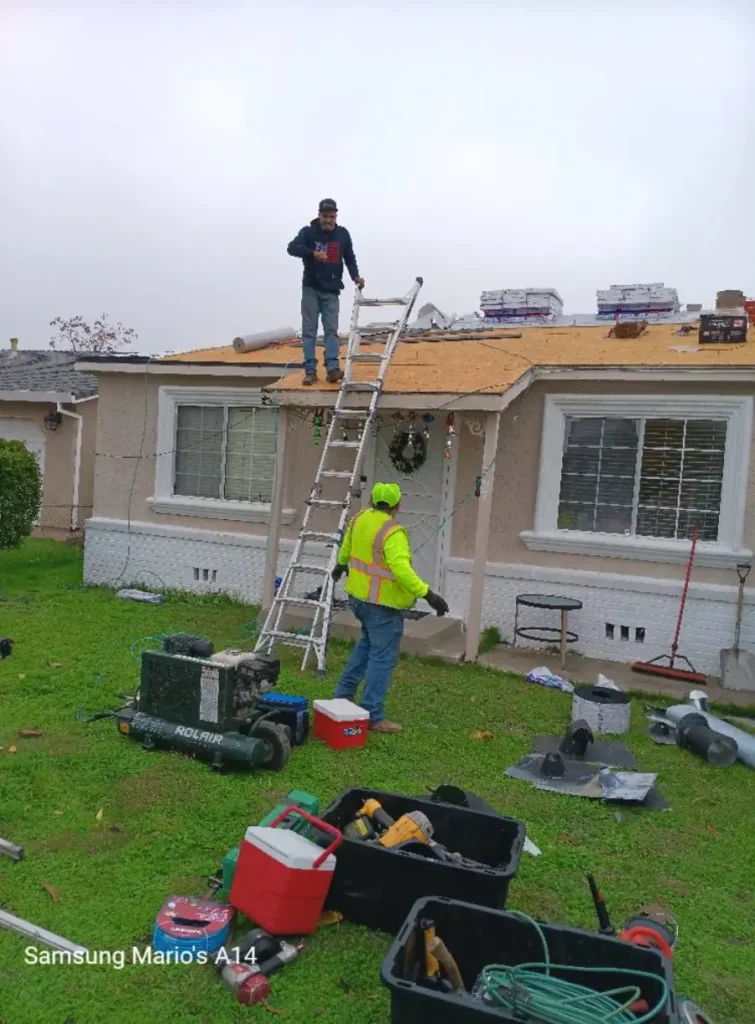
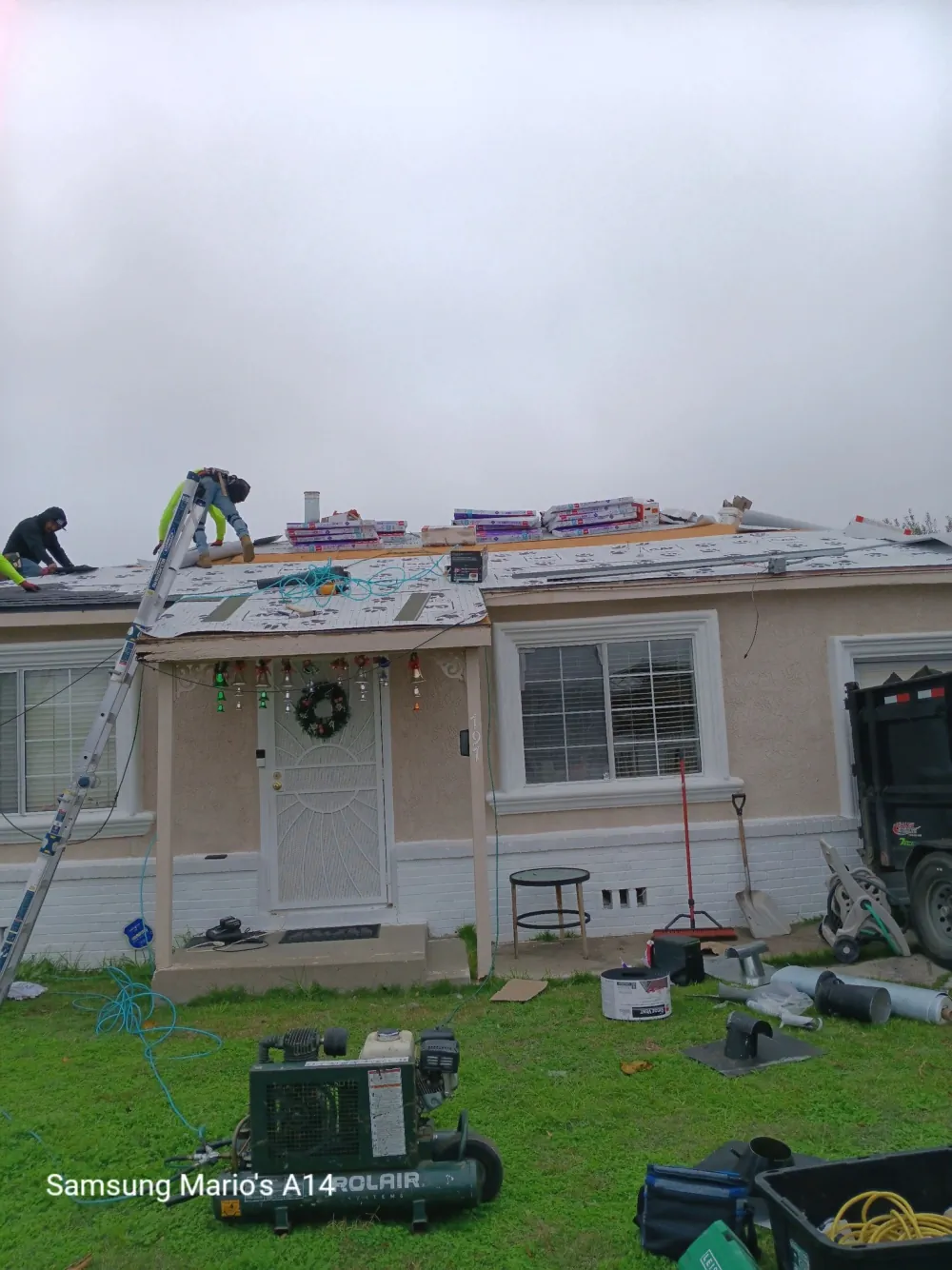
full roof replacement in ca solar panel removal reinstall mario

Permits And Code Considerations For Solar Panels Timeline Los

Permits protect you and set the approved plan that inspections will check. Meanwhile, That’s why permitting is often the “make-or-break” phase for timing.

Permit Notes For Los Angeles Homeowners

For City of Los Angeles addresses, residential solar permitting and plan review typically run through the Los Angeles Department of Building and Safety (LADBS), which provides online services for applications, payments, and status tracking. Overall, Depending on your scope, some projects may qualify for faster, online permit paths.

Permit needs vary by scope. As a result, A straightforward rooftop system is different from a project that includes structural work, battery storage, or an electrical service upgrade.

  • Expect plan review and inspections for most roof-mounted solar installations
  • Electrical work (like panel changes) can add trade permits and inspection steps
  • Any roof repairs or structural adjustments should be decided before drawings are finalized

What To Confirm Before The Permit Set Is Submitted

  • Roof condition and any required repairs are scheduled (or completed)
  • Main panel photo and label are reviewed for capacity and breaker space
  • Preferred conduit path and equipment locations are documented
  • Access constraints are known (locked gates, narrow driveways, HOA rules)
  • Who pulls permits is clear and written into the agreement

Timeline And Scheduling

Most homeowners picture installation as the long part. In practice, the “in-between” steps—plan review, inspection windows, and utility authorization—often control the overall schedule.

Typical Phases (And Where Time Gets Added)

  • Planning + site assessment: photos, measurements, and electrical review
  • Design + permit drawings: the plan set you’ll build from
  • Permitting + plan review: approvals and any requested revisions
  • Inspection(s): verification that work matches the approved plans
  • Utility approval to operate: final authorization to turn the system on
DecisionWhy it mattersIf decided late
Roof readinessSets the mounting plan and prevents reworkInstall may pause while roof work happens
Electrical scopeDetermines permits, materials, and inspectionsDesign changes and extra inspections may be required
Equipment selectionAffects drawing details and lead timesBackorders or plan edits can push dates
Conduit routingImpacts aesthetics and inspection outcomesField changes can trigger corrections

Scheduling Tips That Keep Momentum

  • Ask for a written timeline that includes permitting and inspection milestones
  • Confirm who will be on-site to meet inspectors and handle corrections
  • Keep gates, garages, and attic access clear during the work window
  • Decide early where equipment will go so crews aren’t waiting on approvals
full roof replacement in ca solar panel removal reinstall mario

How To Choose Materials And Trades

Equipment and workmanship both affect your timeline. Also, The more clearly each trade’s scope is defined, the fewer handoff delays you’ll see between roof work, electrical work, and inspections.

Material Choices That Affect Timing

  • Panel layout: fewer changes after design means fewer plan revisions
  • Mounting + flashing: choose hardware that matches your roof type
  • Wiring approach: plan conduit runs so they look clean and pass inspection
  • Monitoring: confirm how you’ll track production and who sets it up
  • Battery decision: adding storage can change permits, locations, and inspections

Questions To Ask When Interviewing Contractors

  • Who pulls permits, and who tracks plan review status?
  • What site conditions would change the price or the timeline?
  • How do you handle electrical panel limitations or upgrades if needed?
  • What is your plan for inspection scheduling and corrections?
  • Which items are owner responsibilities (access, pets, parking, HOA approvals)?
  • What documentation do you provide at the end (photos, manuals, warranties)?

Before you sign, confirm the contractor is properly licensed for the work and in good standing. You can also verify license status with the California Contractors State License Board (CSLB): Visit cslb.ca.gov.

What To Verify

Do a walkthrough while everything is still accessible. Meanwhile, It’s the best time to address labeling, routing, and small finish details that matter for safety and future roof work.

  • Panel layout matches the approved plan (no surprise moves)
  • Roof penetrations are sealed and flashing looks consistent
  • Conduit runs are neat, supported, and placed where you approved
  • Equipment is labeled, and shutoff locations are clearly identified
  • Monitoring is active, and you know how to read basic alerts
  • You receive permit final documentation and any inspection sign-offs

Maintenance Tips After Activation

Solar is low-maintenance, but a few habits protect performance and help you spot issues early.

  • Check the monitoring app weekly for the first month, then monthly
  • Rinse dust and debris when buildup is visible (use gentle methods)
  • Trim trees that start shading the array over time
  • Keep the equipment area clear for airflow and future service access
  • After major storms or roof work, do a quick visual check of mounts and wiring

FAQs Homeowners Ask

These are the questions we hear most on planning calls. In addition, Use them to compare quotes and set realistic expectations before work begins.

If you want help mapping your dates around permitting, inspections, and installation, reach US Construction & Remodeling Corp. For this reason, at Call or request a Free estimate at Free estimate.

Helpful Links

Frequently Asked Questions

Timelines vary by home and permit workload, but most projects follow the same milestones. If you’re tracking a solar panels timeline los plan, think in phases rather than a single “install date.”

  • Site assessment + electrical review
  • Design + permit drawings
  • Permitting + plan review
  • Installation (roof + electrical tie-in)
  • City inspection(s)
  • Utility authorization to operate

Installation can be quick, while permitting and inspection scheduling can take longer. A timeline-first planning call helps you identify the longest variable for your address and scope.

Delays usually come from scope changes or missing prep work. The good news is that most are avoidable when you confirm a few items up front.

  • Roof repairs discovered late or a roof that needs replacement soon
  • Electrical panel limitations that require additional work
  • Equipment backorders after the contract is signed
  • Permit corrections that require revised drawings
  • Missed inspection windows or no adult available to provide access

To reduce risk, ask for a written scope, a permit/inspection milestone list, and a clear point of contact for scheduling updates.

For most residential rooftop solar installations, yes—permits and inspections are part of the process. Requirements depend on your address and what the project includes (for example, panel work, roof structural changes, or batteries).

For City of Los Angeles addresses, LADBS offers online tools to submit and track many permit applications. Confirm early whether your contractor will pull the permits and schedule inspections, or if you’ll be involved.

Because rules vary, treat permit guidance as project-specific and verify details with the city before work starts.

Pricing depends on the scope, not just the number of panels. When you compare bids, make sure you’re comparing the same scope of work.

  • System size and layout complexity (multiple roof faces, shading constraints)
  • Roof type and mounting requirements
  • Electrical work needed at the main panel or service equipment
  • Equipment choices (panels, monitoring, optional storage)
  • Permitting fees and any required engineering documents

Ask each contractor to itemize what’s included and what could trigger a change order. That clarity protects both your budget and your timeline.

If your roof is near the end of its useful life, it can be smarter to address it before solar. Removing and reinstalling panels later adds cost and creates downtime.

Hypothetical example: if you expect to reroof within the next few years, it may be worth coordinating the reroof and solar design now so the mounting plan matches the new roofing system.

  • Ask for a roof condition check before finalizing layout
  • Confirm how roof penetrations will be flashed for your roof type
  • Decide who owns roof warranty coverage where solar mounts tie in

Ask questions that reveal how the contractor manages permits, inspections, and handoffs between trades. A clear answer today prevents weeks of confusion later.

  • What is the expected lead time for design, permits, and installation?
  • Who will be my day-to-day contact for updates and scheduling?
  • What happens if the inspector requests changes?
  • How do you coordinate if electrical panel work is necessary?
  • What documentation will I receive at the end (plans, manuals, warranties)?

It’s also reasonable to verify license status for the trade work involved through CSLB: Visit cslb.ca.gov.

Most systems need very little hands-on maintenance, but monitoring and basic housekeeping matter. A few quick checks can help you catch issues early.

  • Review monitoring for unusual drops in production
  • Rinse or gently clean panels when dust buildup is visible
  • Keep branches trimmed to prevent new shading
  • Make sure equipment areas stay accessible for service
  • Keep your paperwork organized for warranty support

If production changes suddenly, don’t guess—contact the installer and document what you see in the monitoring app.

Licensed, insured & trusted local contractor

US Construction & Remodeling Corp.
4424 Freeport Blvd, Sacramento, CA, 95822
Phone: +1 (916) 234-6696

CSLB License #: 1117562 Fully licensed and insured.

View our Google Business Profile

Leave a comment

This website uses cookies to improve your web experience.
Explore
Drag