Skip links

Roofing Cost in El Dorado Hills: Ranges & Timeline

Homeowners searching for roofing cost in El Dorado Hills usually want a usable budget before they commit to tear-off and replacement. This quick guide covers remodel cost ranges, the biggest price drivers, and the timeline pieces that determine when work can actually start.

TL;DR: Most roof replacements land in a wide range because roof size, slope, layers, and decking condition change labor fast. The on-roof work often takes days, yet scheduling, materials, and inspections can add weeks to the calendar. If timing matters, book a planning call at https://usconstructioncali.com/free-estimate/ or call +1 (916) 234-6696.

Quick Checklist:

  • Approximate roof size and number of stories
  • Current roof material and number of layers (if known)
  • Leak locations, ceiling stains, or attic moisture
  • Any soft spots, sagging, or visible deck issues
  • Your preferred material level (good/better/best)
  • Your target start date and any deadlines

Roof Calculator

Get a fast roof estimate delivered by email.

US Construction

Roof Metrics Summary

Is this the correct roof?
Roof Area--
Roof Squares--
Pitch--
Stories--

Roofing In El Dorado Hills Cost Snapshot For El Dorado Hills Homeowners For Remodel Cost

Roofing costs in El Dorado Hills can swing more than most homeowners expect. Additionally, Roof size matters, but access, slope, tear-off complexity, and repair work under the surface often move the price even more.

People usually start shopping after they see leaks, missing shingles, heavy granule loss, or a roof that has reached the end of its service life. Overall, Some homeowners plan ahead before a sale or refinance, which helps avoid emergency scheduling and reduces the risk of interior water damage.

As a budgeting snapshot, many full replacements with standard asphalt/composition materials fall roughly in the $12,000–$35,000 range. For this reason, Complex roof shapes, multiple tear-off layers, steep pitches, or premium systems can push totals well beyond $50,000+. Overall, For small repair-only scopes, the spend can start in the low thousands, although access and the root cause of the leak drive the real number.

If you like quick math, a broad starting point is $7–$18 per square foot installed for common replacement scopes. For example, A site visit is what narrows remodel cost for your home because we can verify layers, measure accurately, and identify flashing or decking risks before you lock in a plan.

Who This Guide Helps Most

  • Homeowners deciding between repair and full replacement
  • Anyone comparing basic shingles to upgraded roofing systems
  • Sellers who want fewer roof issues on inspection
  • Buyers budgeting for a roof soon after closing
  • Homeowners working around an insurance or lender deadline

Quick Decision Table (Drivers Of Budget And Calendar)

Decision or conditionBudget impactCalendar impact
Material type and warranty levelMedium to highMay add ordering time
One layer vs multiple layers to removeMedium to highCan add 0–1+ install days
Decking/sheathing repairs after tear-offLow to very high (variable)Can extend install and inspection steps
Roof pitch, height, and accessMedium to highSteeper roofs slow production
Permit/inspection requirementsLow to mediumMay add days on the calendar

When you compare quotes, ask contractors to state assumptions in writing (layers, decking allowance, ventilation plan, and flashing details). Meanwhile, That makes pricing easier to compare and helps prevent surprises during tear-off.

Line-Item Budget Examples (Rough Ranges)

Every roof is different, so treat the examples below as hypothetical budget bands, not a quote. Also, They show how scope and complexity move the numbers in El Dorado Hills.

Hypothetical Budget Examples

  • Example A (straightforward replacement): one layer tear-off, also standard shingles, limited carpentry: $14,000–$24,000
  • Example B (more labor and corrections): steep or two-story access, two layers to remove, some decking repair and ventilation upgrades: $22,000–$40,000
  • Example C (premium system or major repairs): tile/metal choices, complex valleys/skylights, larger decking repairs: $35,000–$70,000+

What A Complete Roofing Budget Usually Includes

  • Site protection and debris containment
  • Tear-off, haul-away, and disposal fees
  • New underlayment, starter strip, ridge cap, and fasteners
  • Flashing details (valleys, walls, chimneys) and pipe boots
  • Drip edge and ventilation components
  • Wood replacement where the deck is damaged
  • Permits and inspections when the jurisdiction requires them
  • A contingency line for hidden conditions

Cost Table By Major Line Items

Line itemTypical share of budgetWhat changes it
Labor (tear-off + install)40%–55%Steep roofs, multiple layers, and hard access push labor higher.
Materials (primary roofing)25%–40%Material tier, ventilation package, and warranty options move this fast.
System components (underlayment, flashing, vents)10%–20%Skylights, chimneys, valleys, and wall transitions add detail work.
Permits/inspections (if needed)1%–5%Scope and jurisdiction determine fees and inspection steps.
Contingency5%–15%Use for hidden decking damage or code-required corrections.

A practical rule: keep 5%–15% available for hidden conditions such as soft decking, chimney flashing work, or unexpected ventilation corrections. In addition, That reserve protects both the budget and the calendar.

fiber cement lap siding

Scope Choices That Change The Budget

The biggest swings in roofing cost come from scope and complexity, not just shingle brand. As a result, Put another way, two quotes can differ because one includes the “system” details and the other prices a basic material swap.

  • Number of layers to remove: More layers mean more labor and disposal.
  • Decking condition: If tear-off exposes soft or damaged sheathing, wood replacement can move the total quickly.
  • Pitch, height, and access: Steep slopes and multi-story homes increase setup, safety steps, and install time.
  • Roof penetrations and transitions: Chimneys, skylights, wall flashings, valleys, and dormers add detail work.
  • Ventilation plan: Fixing poor ventilation can add components, but it often helps the roof perform better long term.
  • Material changes: Switching systems (for example, moving away from standard shingles) can affect labor, detailing, and sometimes permitting.

Smart Ways To Save Without Cutting Corners

You can control the budget without gambling on the parts that keep water out. Also, The best savings usually come from smarter scope choices and good planning, not from skipping key components.

  • Get the scope right before comparing numbers: Ask for the same assumptions (layers, flashing approach, ventilation, and decking allowance) so bids line up.
  • Fix the root cause, not the symptom: A cheap patch that doesn’t address flashing or underlayment can lead to paying twice.
  • Choose a material tier that matches your timeline: If you plan to move in a few years, prioritize a clean, code-compliant system over niche upgrades.
  • Plan ahead for ordering: Many delays come from material lead times, so making selections early can shorten the calendar.

Long-Term Value: Spend Vs Save

For the best long-term value, spend on the details that control water and airflow. For example, Those items rarely look “fancy,” but they often decide whether the roof performs well.

  • Prioritize high-quality flashing at chimneys, walls, and valleys.
  • Use the right underlayment strategy for the roof’s complexity.
  • Address ventilation so heat and moisture don’t shorten roof life.
  • Avoid reusing worn pipe boots or cutting corners at edges and ridges.

Financing Options Many Homeowners Consider

Roofing often competes with other home projects, so homeowners sometimes plan remodel cost across multiple upgrades. Overall, Common options include (1) cash savings, (2) a home equity loan or HELOC, (3) a cash-out refinance, (4) an unsecured personal loan, or (5) insurance funds when the scope qualifies as a covered loss.

Always review rates, fees, and payback terms with your lender or financial advisor. Overall, The “best” choice depends on how quickly you want the payment gone and whether you expect to sell soon.

Typical Timeline And Site Disruption

Weather, material availability, and inspection scheduling can move the calendar, so use the timeline below as a realistic planning range. As a result, A short planning call early helps align your target start date with permitting (if needed) and delivery windows.

Typical Timeline (From Planning To Close-Out)

  • Planning call + site visit: measure, confirm layers, review problem areas (often within 1–7 days)
  • Estimate + selections: finalize scope, material tier, and start window (1–5 days)
  • Permits (if required): submit, receive approval, schedule inspection (varies by scope and jurisdiction)
  • Material ordering: delivery of roofing, underlayment, flashing, vents (3–14 days for many products)
  • Installation: tear-off and reroof (1–4 days for many homes)
  • Final inspection + punch list: close out details and paperwork (1–10 days)

What You’ll Notice On-Site

  • Noise during tear-off and installation, plus foot traffic around the home
  • A dumpster or debris trailer and protected drop zones
  • Temporary driveway or garage access limitations
  • Occasional attic access needs to verify ventilation or leak paths
  • Cleanup and a magnet sweep, although you should still keep kids and pets away from work areas
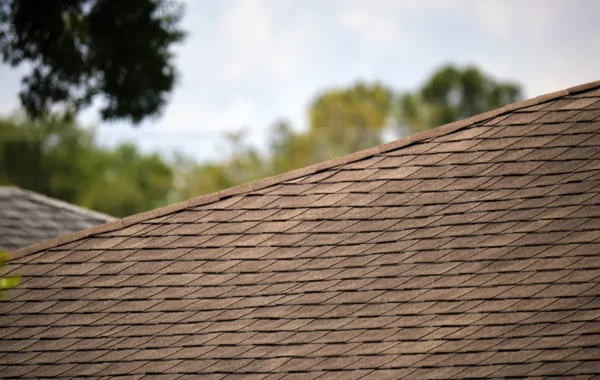
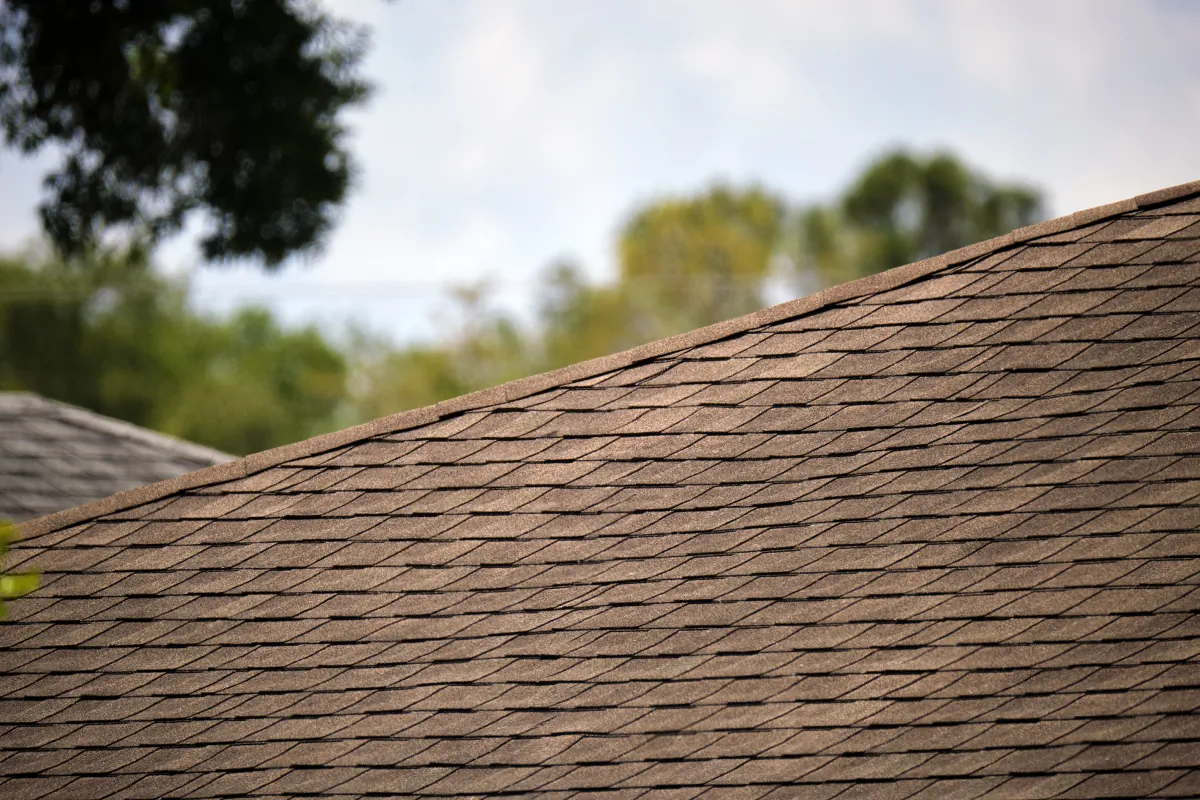
tab shingles closeup of house roof top covered with asphalt or

US Construction & Remodeling Corp. Also, helps El Dorado Hills homeowners plan roofing work with clear scopes and straightforward communication. Meanwhile, When you request a quote, the goal is simple: understand what your roof needs and map a schedule that matches your timeline.

Permit Notes For El Dorado Hills Roofing Work

El Dorado Hills is typically unincorporated, so many roofing permits and inspections route through the El Dorado County Building Division (the exact process depends on your address and scope). Additionally, Full replacements, structural repairs, or material changes often trigger permit and inspection steps, while small repairs may not. A contractor should confirm requirements early and factor inspections into the schedule.

Resale Value And ROI Priorities

A new roof may not add “luxury” value, but it can protect resale value by removing buyer objections and reducing inspection credits. In addition, If you expect to sell soon, prioritize clean flashing lines, consistent workmanship, and documentation (including permits when required) over niche upgrades that don’t show up in buyer decisions.

  • Selling soon: choose a durable, widely accepted material and focus on watertight details.
  • Staying long term: consider ventilation and system upgrades that support performance over time.
  • Budget-sensitive plans: use a written scope and a contingency line so the number holds up during tear-off.

Remodel Cost Planning For Your El Dorado Hills Roof

If you want a realistic budget and calendar, start with a short call focused on timing and constraints. Meanwhile, We’ll talk through your roof type, any leak symptoms, and how quickly you need the project completed, then schedule an on-site visit to tighten the numbers.

Call +1 (916) 234-6696 or book a planning call at https://usconstructioncali.com/free-estimate/.

Helpful Links

Frequently Asked Questions

Costs vary widely based on roof size, slope, layers to remove, and any decking repairs found during tear-off. As a planning range, many standard asphalt/composition replacements budget roughly $12,000–$35,000, while complex roofs or premium systems can run higher. An on-site measurement and a written scope are the fastest way to narrow the number.

A few variables usually drive the largest price swings:

  • How many layers need removal
  • Decking/sheathing condition and wood replacement needs
  • Roof pitch, height, and access constraints
  • Flashing complexity at chimneys, walls, valleys, and skylights
  • Ventilation corrections and edge details

Sometimes. Many El Dorado Hills addresses fall under El Dorado County, and permit/inspection needs depend on the exact scope (replacement vs repair, structural work, or material changes). A contractor should confirm whether permits apply and schedule inspections as part of the plan.

The installation itself often takes 1–4 days for many homes, but the overall calendar can be longer due to scheduling, material delivery, and inspections. Weather can also shift start dates. If you have a deadline, discuss the timeline early so selections and permits (if needed) don’t slow things down.

Repair can make sense when the roof still has useful life and the problem is isolated (for example, a small flashing issue). Replacement often makes more sense when you have repeated leaks, widespread wear, brittle shingles, multiple layers, or significant deck issues. A site visit can confirm whether a repair will actually solve the problem or just delay a full replacement.

Homeowners commonly consider cash savings, a HELOC or home equity loan, a cash-out refinance, or an unsecured personal loan. If the scope qualifies as a covered loss, insurance funds may apply. Review terms and payback plans with your lender so the payment fits your larger remodel cost priorities.

Licensed, insured & trusted local contractor

US Construction & Remodeling Corp.
9821 Business Park Dr, Sacramento, CA, 95827
Phone: +1 (916) 234-6696

CSLB License #: 1117562 Fully licensed and insured.

View our Google Business Profile

Related service

Looking for a step-by-step overview before you choose materials? Read Roofing Remodeling (Landing Page).

Frequently Asked Questions

Costs vary widely based on roof size, slope, layers to remove, and any decking repairs found during tear-off. As a planning range, many standard asphalt/composition replacements budget roughly $12,000–$35,000, while complex roofs or premium systems can run higher. An on-site measurement and a written scope are the fastest way to narrow the number.

A few variables usually drive the largest price swings:

  • How many layers need removal
  • Decking/sheathing condition and wood replacement needs
  • Roof pitch, height, and access constraints
  • Flashing complexity at chimneys, walls, valleys, and skylights
  • Ventilation corrections and edge details

Sometimes. Many El Dorado Hills addresses fall under El Dorado County, and permit/inspection needs depend on the exact scope (replacement vs repair, structural work, or material changes). A contractor should confirm whether permits apply and schedule inspections as part of the plan.

The installation itself often takes 1–4 days for many homes, but the overall calendar can be longer due to scheduling, material delivery, and inspections. Weather can also shift start dates. If you have a deadline, discuss the timeline early so selections and permits (if needed) don’t slow things down.

Repair can make sense when the roof still has useful life and the problem is isolated (for example, a small flashing issue). Replacement often makes more sense when you have repeated leaks, widespread wear, brittle shingles, multiple layers, or significant deck issues. A site visit can confirm whether a repair will actually solve the problem or just delay a full replacement.

Homeowners commonly consider cash savings, a HELOC or home equity loan, a cash-out refinance, or an unsecured personal loan. If the scope qualifies as a covered loss, insurance funds may apply. Review terms and payback plans with your lender so the payment fits your larger remodel cost priorities.

Leave a comment

  1. Sliding window guide for California homeowners | US Construction
    Permalink
This website uses cookies to improve your web experience.
Explore
Drag