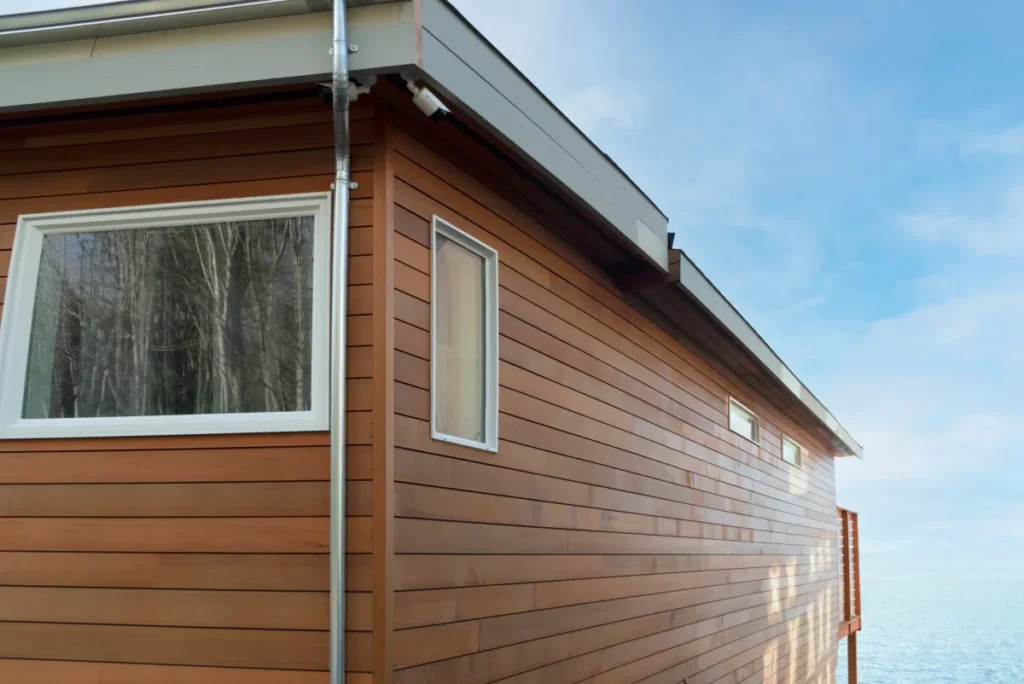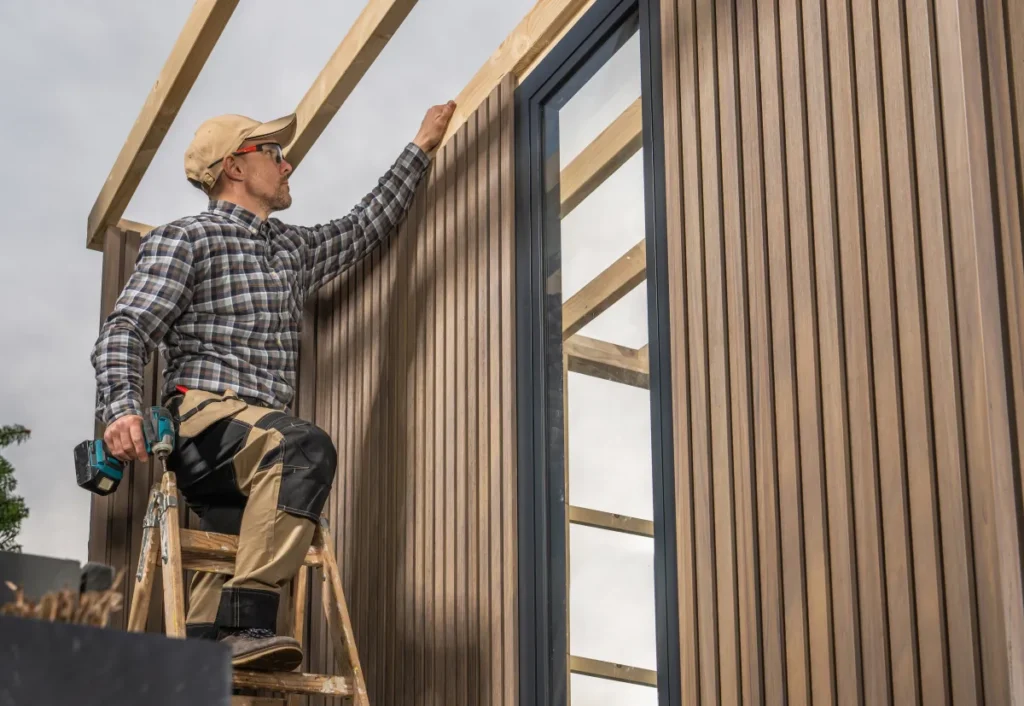
New siding can upgrade curb appeal, but the bigger win is protecting the wall system behind it. This guide helps you hire a siding contractor arden homeowners can trust by showing what to verify, what to ask, and what should be in writing.
Quick checklist:
- Pick a siding material and finish that matches climate and maintenance goals.
- Confirm moisture management details (housewrap, flashing, caulking) in writing.
- Define the full scope (trim, soffit/fascia, paint, insulation upgrades).
- Confirm access/safety plan and how landscaping/property will be protected.
- Verify license/insurance where required, and compare bids line-by-line (allowances, exclusions, change orders).
- Check permit requirements if altering exterior walls or doing structural repairs.
TL;DR: Treat siding as a water-control system, not just a finish. Compare detailed bids that spell out flashing (thin metal that routes water away) and the weather-resistive barrier (WRB), plus how hidden wood rot gets repaired. Schedule a free estimate online or call +1 (916) 234-6696.
- Verify a current contractor license and insurance, then confirm them with the state.
- Make sure every bid lists tear-off, disposal, and protection for plants, windows, and walkways.
- Confirm the exact siding material, profile/thickness, trim scope, and finish (paint or stain) plan.
- Ask how the crew will handle sheathing (the wood panels under siding) and rot repairs if found.
- Get a realistic schedule, daily cleanup expectations, and a written change-order (extra work) plan.
- Clarify whether permits or inspections apply for your specific address and scope.
Siding Contractor Arden Homeowners Should Compare
| Decision | Why it matters | Quick check |
|---|---|---|
| Material choice | Durability and maintenance differ by material. | Compare fiber cement vs vinyl and verify warranties. |
| Moisture management | Water control prevents rot and mold. | Confirm housewrap and flashing details around openings. |
| Trim & transitions | Details control fit and long-term sealing. | Specify corners, soffit/fascia scope, and finish plan. |
| Access & protection | Staging affects speed, cost, and safety. | Plan scaffolding, landscaping protection, and cleanup. |
Siding looks straightforward until you are dealing with seams, windows, corners, and roof intersections. As a result, Small detail misses can let water behind the cladding (the outer layer), which can lead to rot and mold. Additionally, A solid contractor explains how they manage water, airflow, and clean edges, not just what the boards cost.
Who This Is For
- You want to replace aging siding, also peeling paint, or warped panels.
- You have soft spots or staining near windows, doors, or the base of the wall.
- You want a cleaner, more energy-efficient exterior and are considering adding insulation during the project.
- You want a written scope you can compare across bids instead of guessing what is included.
Company Vetting Checklist (Before You Compare Prices)
- Ask for a current license number and proof of insurance, then verify it before signing.
- Confirm who will be on-site each day and who your main contact is.
- Request photos of recent siding installs similar to your material and wall layout.
- Make sure the estimate names the siding brand/type and states that the install will follow manufacturer requirements.
- Get a clear start window and working hours so you can plan access, parking, and pets.
Bid Comparison Checklist (Line Items That Matter)
- Demo scope: full tear-off vs. In addition, re-siding over existing layers, plus disposal.
- Wall prep: inspection after tear-off and an agreed plan for damaged sheathing or framing.
- Weather-resistive barrier (WRB): type, overlaps/tape method, and how it ties into windows and doors.
- Flashing: how they will protect window/door heads, corners, and any roof-to-wall intersections.
- Trim and details: corners, fascia (board at the roof edge), soffits (underside of the eaves), and caulking/paint responsibilities.
- Fasteners and layout: nail type, spacing, and how they will keep courses (rows) straight.
- Protection and cleanup: daily debris pickup, magnetic nail sweep, and landscaping protection.
Questions To Ask Before You Hire
- What siding material do you recommend for my home, and why (maintenance, durability, cost)?
- Where are the most common leak points on homes like mine, and how will you address them?
- If you find rot or damaged sheathing, what is the decision process and how is extra work priced?
- Will you use written change orders that show cost and time impact before any extra work starts?
- How will you handle vents, exterior lights, and penetrations so they stay weather-tight?
- What does a normal workday look like for noise, access, and cleanup?
- Who handles permit and inspection coordination when it is necessary?
Red Flags That Cost Homeowners Later
- A one-page quote with no materials list and no details on WRB or flashing.
- Vague language like “as needed” with no pricing method for hidden repairs.
- Pressure to sign immediately or pay a large cash deposit.
- No written schedule, no change-order paperwork, and no clear cleanup expectations.
If you want a line-item estimate you can compare, book online first: https://usconstructioncali.com/free-estimate/. Prefer the phone? Call +1 (916) 234-6696.

Step-By-Step Timeline + Checklist
A realistic timeline helps you spot vague bids. It also keeps surprises down because you can see when the walls will be opened up, when materials arrive, and when your walkthrough happens. For this reason, Use the ranges below to compare proposals for a siding contractor arden project; the exact schedule depends on wall size, material lead times, weather, and how much hidden repair shows up after tear-off.
Typical Project Timeline (Approx.)
- Site visit and measurements: 1 day.
- Estimate review and selection: 3-10 days (depending on how many bids you collect).
- Material ordering and permit setup (if needed): 1-4 weeks.
- Site protection and tear-off: 1-3 days.
- Wall repairs (as needed): 1-3 days.
- WRB and flashing install: 1-2 days.
- Siding installation: 3-10 days.
- Trim, caulk, paint/touch-ups, cleanup: 1-4 days.
| Decision | Why it changes price/time | When to decide |
|---|---|---|
| Material choice | Labor and accessory parts vary by siding type | Before bids are finalized |
| Repair allowance | Hidden damage can expand scope after tear-off | In the contract as unit pricing |
| Trim and flashing scope | Details prevent leaks around openings | Before materials are ordered |
| Permit/inspection plan | Scheduling can add days to the calendar | Before work starts |
Pre-Work Checklist (Design, Materials, Access)
Most siding problems show up at the details: corners, windows, doors, and roof lines. For example, Lock these decisions in early so every bid reflects the same scope. In addition, That makes price comparisons fair and keeps the job moving once work starts.
Decisions To Lock In Early
- Siding type (fiber cement, vinyl, engineered wood, or another cladding) and the exact profile/thickness.
- Color and finish plan: factory-finished vs. Also, field-painted, plus who is responsible for touch-ups.
- Trim scope: window/door trim style, corner boards, fascia, soffits, and any accent areas.
- Moisture management details: WRB choice, flashing method, and whether a rainscreen gap (a thin air space behind siding) is included.
- Ventilation and penetrations: dryer vents, bath fan vents, hose bibs, and exterior lights.
- How rot repairs are priced and approved (unit pricing + written change orders).
- Where the dumpster/materials can sit and what areas need protection.
Access And Protection Checklist
- Clear a path around the home; move patio furniture, grills, and fragile items away from walls.
- Plan for parking and material staging so crews can work efficiently.
- Keep pets and kids away from the work zone; siding work creates nails and sharp off-cuts.
- Agree on work hours, noise expectations, and where crews can plug in tools.
- Point out sprinkler heads, delicate plants, and anything that should not be stepped on.
Common Mistakes To Avoid
- Choosing the lowest bid when the scope is not detailed (it usually comes back as extras).
- Skipping WRB and flashing details in writing because “it’s standard.”
- Not planning for rot repairs and then getting forced into rushed decisions mid-job.
- Ordering materials before confirming HOA or neighborhood rules that apply to your home.
- Assuming the contractor will protect landscaping, windows, and walkways without stating it.
- Paying too much up front without clear milestones and a change-order process.
Want a clear plan before work starts?
Meanwhile, Schedule your free estimate online, then we can talk through materials, access, and timeline.

Build Phase Checklist (Daily/Weekly)
During installation, your goal is simple: keep communication clear and catch small issues before they become rework. Overall, You do not need to micromanage; a few structured check-ins help the project stay clean and on schedule.
Daily Check-Ins (5 Minutes)
- Ask what walls will be opened that day so you can plan access and keep pets inside.
- Confirm that landscaping, windows, and walkways stay protected as the crew moves around the home.
- Look for tidy material storage and a clear path (reduces accidental damage).
- Expect end-of-day cleanup: debris pickup and a quick magnetic nail sweep.
Weekly Checkpoints (Keep The Job On Track)
- Walk the exterior with the lead installer and review progress against the scope.
- Confirm material deliveries match what you approved (color, profile, trim).
- Review any repair discoveries in writing before extra work continues.
- Confirm the next inspection (if applicable) and the updated schedule.
Inspections And Sign-Offs
Permit and inspection rules depend on scope and the exact address. Additionally, In much of Arden, the area is unincorporated, so residential permits are commonly handled through Sacramento County. Additionally, A good contractor will confirm requirements early and tell you what will be inspected before anything gets covered up.
Permits In The Arden Area (High-Level)
You may need permits or inspections when the project goes beyond a like-for-like re-siding. Also, Always verify with the local building authority for your address.
- Permits are more likely when you replace significant sheathing, repair structural framing, or change wall bracing.
- Creating or resizing window/door openings often triggers plan review and inspections.
- Adding new exterior penetrations (new vents, new electrical, new plumbing) can require separate trade permits.
Inspection Moments To Plan For
- After tear-off, before new layers go on: damaged areas can be documented and approved for repair.
- After WRB and flashing: inspectors may want to see how water is directed away from openings.
- Final sign-off: trim, clearances, caulking, and general workmanship.
Final Walkthrough Checklist
Walk the house slowly, in daylight, and use this list to close out the job cleanly.
- All seams, corners, and trim look straight and consistent.
- Caulk lines are neat; paint or finish is even with no bare spots.
- Flashing is present where needed (windows/doors and roof-to-wall areas) and is not buried.
- Vents and exterior fixtures sit tight to the siding and are sealed.
- Debris is removed; landscaping and walkways are left clean.
- You receive any product info, care notes, and written warranty terms, plus permit sign-off paperwork if required.
For a straightforward estimate and clear scope for your Arden home, contact US Construction & Remodeling Corp. In addition, If you need a siding contractor arden homeowners can work with confidently, book online first, or call +1 (916) 234-6696.
Helpful Links
Licensed, insured & trusted local contractor
US Construction & Remodeling Corp.
9821 Business Park Dr, Sacramento, CA, 95827
Phone: +1 (916) 234-6696
CSLB License #: 1117562 Fully licensed and insured.