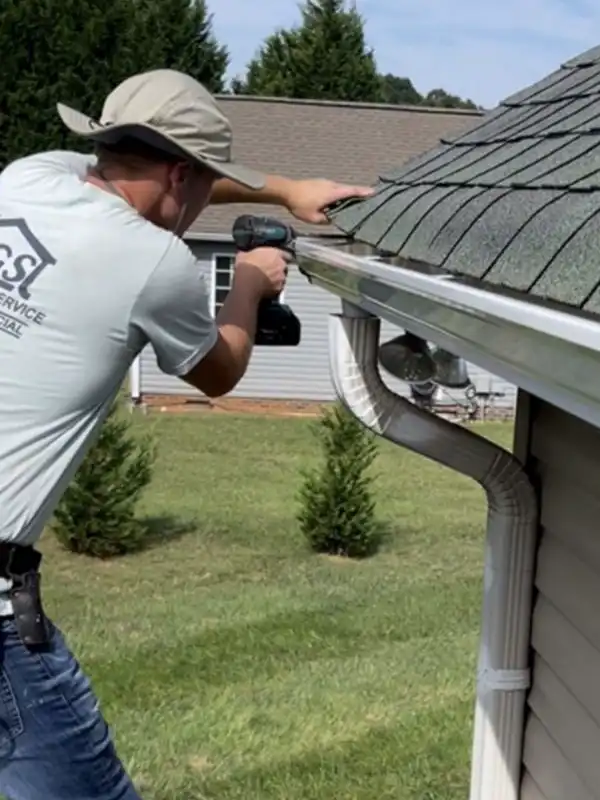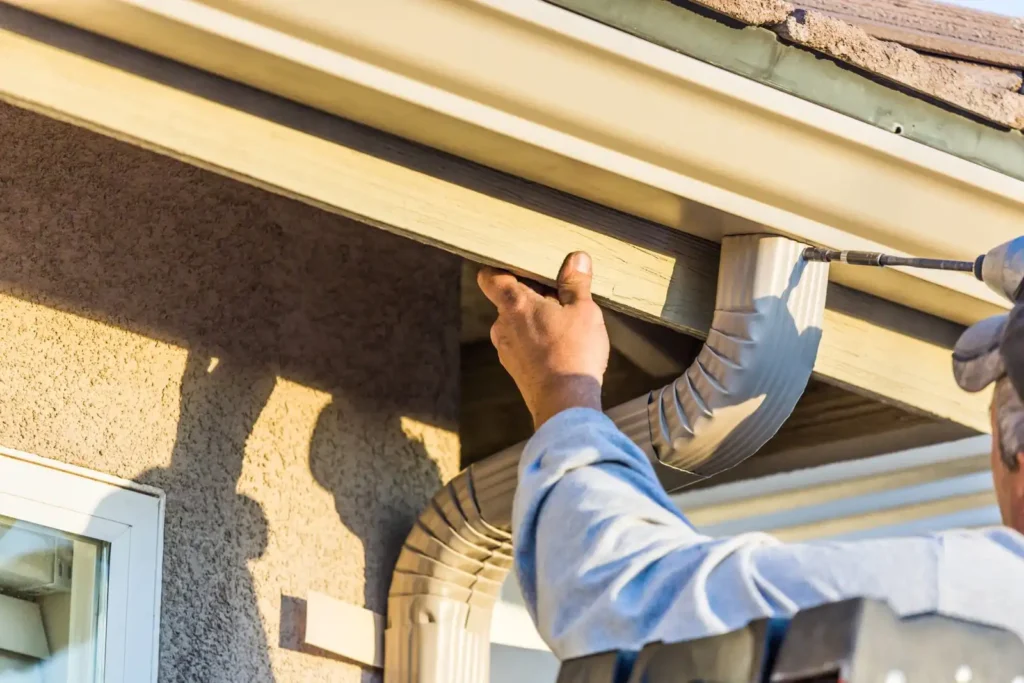

Gutters vs DIY in Sacramento: A Practical Homeowner Guide
If you’re weighing gutters vs diy for your Sacramento home, don’t guess. Match the approach to your roofline, ladder comfort, and the time you can realistically set aside.
Quick checklist:
- Decide the scope: cleaning, repair, guards, or full replacement.
- Confirm gutter size/material and how many downspouts you need for runoff.
- Plan downspout discharge and drainage so water moves away from walls, stairs, and the foundation.
- Ask whether fascia/rot repair is included and how corners/seams will be sealed.
- Compare 2–3 itemized quotes (linear feet, downspouts, guards, disposal, warranty).
- Schedule around weather and run a hose test at the final walkthrough.
This guide walks you through planning, materials, timeline, and the mistakes that cause leaks or overflow. Use it whether you want to tackle the work yourself or hire a crew and simply want to know what “done right” looks like.
TL;DR: DIY can work on a single-story home with a simple roofline if you’re comfortable working safely and you accept more seams. Professional installation usually makes more sense when access is risky, the roofline is complex, or you want seamless gutters formed on-site. Either way, focus on correct pitch (the slight slope that moves water), solid fastening, and downspouts (the vertical pipes that carry water to the ground) that discharge away from the foundation.
- Count stories and safe ladder access points
- Measure rough linear footage of roof edges
- Inspect the fascia (the board behind the gutter) for soft or rotted areas
- Pick gutter style, size, and material before buying parts
- Plan downspout locations and where the water will go
- Decide if gutter guards fit your debris and maintenance needs
Common Pain Points With Gutters Vs DIY In Sacramento (And Fixes)
| Decision | Why it matters | Quick check |
|---|---|---|
| Gutter size (5-inch vs 6-inch) | Capacity affects overflow risk during heavy rain. | Ask the installer to size based on roof area and runoff. |
| Downspout locations | Where water lands affects erosion and slip hazards. | Map discharge points and confirm extensions/splash blocks. |
| Guards/screens | Reduces clogs but still needs maintenance. | Choose based on debris type and confirm cleaning access. |
| Fascia condition | Weak/rotted fascia causes sagging and leaks. | Inspect before install; include repair allowance in scope. |
Gutters look simple, but they’re a water-control system. Also, Most DIY problems come from three things: uneven pitch, weak fastening into the fascia, and downspouts that dump water in the wrong place.
The gutters vs diy choice gets easier when you score your home for access and complexity, also then decide how much time you want to spend fine-tuning and maintaining seams.
DIY Pain Points Homeowners Run Into
- Leaking joints on sectional gutters (every seam is a potential drip point)
- Sagging runs from missed framing or under-sized hangers
- Overflow at corners because the slope is inconsistent
- Downspouts that splash right next to the house instead of carrying water away
- Hidden rot on fascia boards that won’t hold fasteners
- Ladder and roof-edge safety risks, especially on two-story homes
Fixes That Matter More Than Brand Names
- Set a consistent pitch so water moves to the outlet; test with a garden hose before you call it finished
- Fasten into solid framing (not just trim); use hangers and spacing recommended by the manufacturer
- Seal end caps and joints correctly, and give sealant time to cure before a heavy rinse
- Plan downspouts so each gutter run can drain without overloading one outlet
- Use extensions or splash blocks to guide water away from the foundation and landscaping
Tight Spaces And Tricky Rooflines
Some homes are “DIY in theory” but frustrating in practice because of access. In addition, These situations usually push homeowners toward a pro crew:
- Narrow side yards where you can’t safely position ladders
- Multiple roof levels that feed into the same corner
- Patio covers or additions that block the eave line
- Steep pitches where you can’t keep three points of contact
Resale And ROI Priorities
Gutters don’t sell a house on their own, but bad drainage can raise buyer concerns fast. As a result, If you’re prioritizing resale, focus on clean, straight runs, controlled discharge, and repaired fascia so there are no visible stains, peeling paint, or soft wood at the roof edge.
Want a quick gut-check on whether your roofline is DIY-friendly? Meanwhile, Call +1 (916) 234-6696 and we’ll talk through your timeline and constraints.
Planning, Budget, And Materials
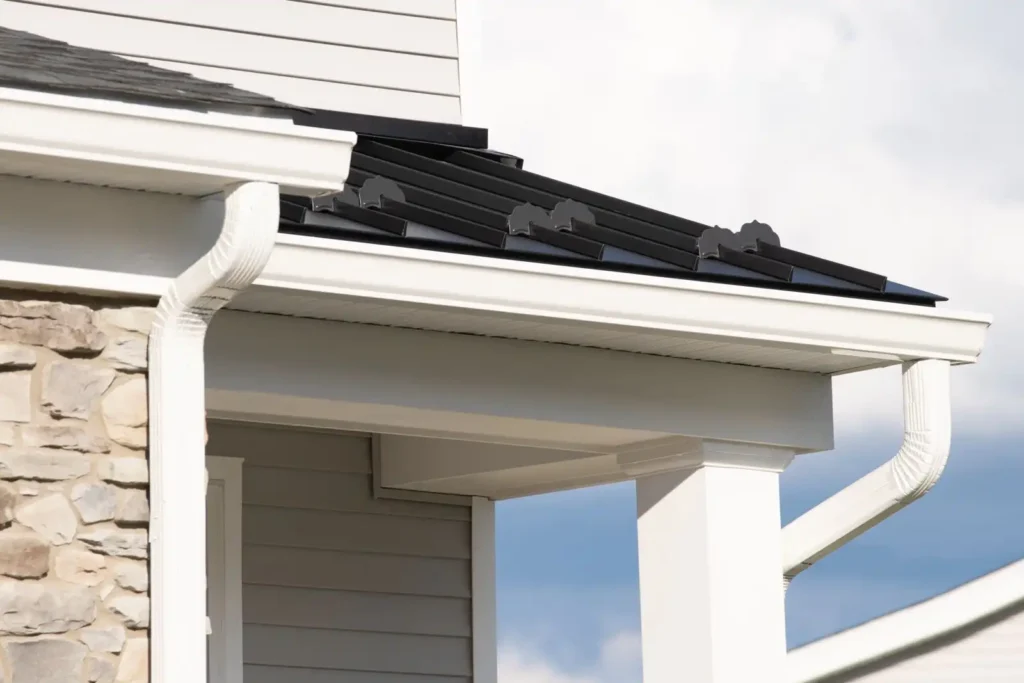
Whether you go DIY or hire it out, the best results come from planning the water path before you pick materials. Overall, A gutter system is only as good as its outlets and discharge points.
Planning Checklist (DIY Or Pro)
- Walk the perimeter and note where water currently overflows or stains siding
- Confirm where downspouts can discharge so water moves away from the home
- Look for soft fascia or loose trim; plan repairs before new gutters go up
- Count corners, elbows, and roof valleys that concentrate runoff
- Decide on seamless vs sectional gutters (seamless are formed on-site in long runs)
- Choose a gutter size that matches roof area and rainfall exposure
- Decide if you want gutter guards and what type of debris you’re dealing with
- Plan ladder setup and fall protection; don’t “figure it out” on install day
What To Choose
Most homeowners care about three things: how long it lasts, how often it clogs, and how noticeable it looks from the curb.
- Aluminum: common choice because it resists rust, comes in many colors, and works well for most homes
- Steel: tougher, but scratches can lead to rust over time; good fastening matters
- Copper: durable and distinctive, but higher cost and it needs compatible fasteners to avoid corrosion
- Vinyl sectional: budget-friendly and DIY-accessible, but it adds seams and can become brittle in prolonged sun and heat
Gutter guards also vary. Additionally, Simple screens can keep out larger debris, while fine mesh can reduce smaller buildup. As a result, No guard makes gutters “maintenance-free,” so budget time for periodic checks.
Maintenance Tips That Keep Gutters Working
- Do a quick visual check after the first heavy rain of the season: look for overflow at corners and dips in the run
- Flush gutters and downspouts with a hose to confirm water exits where you planned
- Clear debris before it packs into wet sludge (it’s harder to remove later)
- Re-check hangers and joints once a year; small drips turn into fascia damage over time
Quick Decision Table
| Decision | What changes for DIY | What changes with a pro | What to verify |
|---|---|---|---|
| Seamless vs sectional | Sectional is easier to buy, but adds joints to seal | Seamless reduces joints and leak points | Joint quality, sealant, end caps |
| Home height | Two-story work raises safety needs and time | Crew handles access and setup faster | Safe ladder placement, fall protection |
| Fascia condition | Rot repair may be beyond a quick weekend job | Repairs can be scoped with the install | Solid wood for fasteners |
| Downspout routing | More elbows and extensions add complexity | Routing can be planned for function and looks | Discharge away from foundation |
| Gutter guards | DIY install is possible, but fit and pitch matter | Guard choice can match debris and roof details | Easy access for cleanouts |
Timeline And Permit Considerations
In Sacramento, many homeowners plan gutter work around the start of the wet season so the first storms don’t expose overflow or leaks. For example, If you’re doing DIY, give yourself extra buffer time for small adjustments, extra trips for fittings, and resealing after a test run.
Permits aren’t the same for every project. For this reason, A straightforward gutter swap may not trigger a permit, while fascia repair, structural changes, or drainage changes sometimes can. In addition, When in doubt, confirm requirements with the City of Sacramento for your address and scope.
Budget Ranges And Timeline (Typical)
- Complexity drives time more than material choice: more corners and roof levels usually mean more labor
- DIY often stretches into multiple days because measuring, leveling, and sealing take time
- Expect added cost when fascia repair is necessary or when downspouts require longer routing
- Gutter guards add upfront cost but can reduce clogs if they match your debris type
Sacramento-Specific Planning Notes
- Schedule early if you want work completed before the first major rains; contractor calendars fill up in peak season
- If your scope requires city review, plan for extra time for online submittal, corrections, and inspections
- Ask for a clear plan for discharge so water moves away from walkways, landscaping, and the foundation
If timing matters, call +1 (916) 234-6696 to talk through a realistic install window for your home.

How To Avoid Costly Mistakes
US Construction & Remodeling Corp. As a result, helps Sacramento homeowners compare options, set a workable timeline, and install gutters that control runoff instead of creating new leak points. As a result, We focus on the details that protect fascia, siding, and the areas around your foundation.
Book a planning call to talk through your timeline and next steps, or call +1 (916) 234-6696.
Common Mistakes To Avoid (DIY And Contractor Work)
- Buying parts before measuring and mapping downspout discharge points
- Mounting hangers into weak fascia or skipping repairs to soft wood
- Creating low spots that hold water and accelerate corrosion and leaks
- Overloading one downspout with too much roof area
- Relying on caulk alone instead of tight-fit joints and proper end caps
- Skipping a hose test and assuming the first rain will “prove it out”
- Ignoring ladder safety, especially around corners and roof transitions
Hypothetical Before/After Example
Hypothetical example: A homeowner notices overflow near a front entry during the first hard rain. Overall, They try to re-seal a corner and add a short extension, but water still sheets behind the gutter because the run has a slight dip. Overall, After re-hanging the gutter with a consistent pitch, repairing a soft section of fascia, and adding a second downspout to split the load, water exits cleanly at the planned discharge point and the entry stays dry.
Trust And Accountability Checklist
- Licensing and insurance: Ask for current licensing and insurance details that match the scope of work
- Permits: Clarify who is responsible for confirming permit needs and scheduling inspections if they apply
- Communication: Get a written scope, material selection, and start-to-finish timeline before work begins
- Workmanship verification: Confirm straight lines, solid fastening, clean seams/end caps, and a hose test for flow and leaks
- Cleanup: Make sure old material, fasteners, and debris are removed from the site
NAP: US Construction & Remodeling Corp. | +1 (916) 234-6696 | Sacramento
Next Step For Homeowners In Sacramento
If you want a clear plan before you spend a weekend (or sign a contract), start with a timeline discussion. Share a few photos of your roof edges and tell us what problems you’re seeing, and we’ll outline practical options and what to do next.
Call +1 (916) 234-6696 to talk it through, or schedule online when it’s convenient.
Helpful Links
Related reading
- Gutters Permit Requirements In Sacramento
- Roof Shingle Colors: A California Homeowner Guide
- Standard Bathroom Sink Size: California Homeowner Guide
- Gutters for Metal Roof: A Homeowner’s Guide
- Commercial Gutters: A California Guide to Planning, Materials, and Leak Prevention
- Types of Gutters: Options, Materials, and a Clear Roadmap
Frequently Asked Questions
Time depends on height, corners, and whether you need fascia repair. DIY often takes longer because you’ll measure, level, seal, test, and then adjust.
- Simple single-story: many homeowners plan a full weekend, plus a follow-up check after a hose test or first rain
- Two-story or complex rooflines: DIY can stretch into multiple weekends; pros often finish faster because access and tools are dialed in
When your calendar is tight, start with a planning call to set a realistic timeline.
It depends on the scope. A like-for-like gutter replacement may not require a permit, while fascia repair, structural changes, or drainage changes sometimes can.
Check requirements with the City of Sacramento for your address before work starts, and confirm who will handle any inspections if they apply.
DIY usually saves on labor, but it can add tool purchases, rentals, and rework if pitch or sealing is off. Professional quotes often include installation labor, hauling, and a tighter finish.
- Linear footage and number of corners
- Home height and access setup
- Number and placement of downspouts
- Need for fascia/wood repair
- Seamless vs sectional, and whether you add gutter guards
For many homes, aluminum is the practical default because it resists rust and comes in many finishes. Steel can be a good fit when you want extra stiffness, but scratches can lead to rust if not protected. Copper is durable and looks great, but it costs more and needs compatible fasteners.
If you’re DIY-ing, sectional systems are easiest to source. If you want fewer joints, ask about seamless gutters formed on-site.
Guards can help if your roofline collects leaves or small debris, but no option eliminates maintenance. The right choice depends on what clogs your gutters and how easy it is to access cleanouts.
- Screen-style guards: good for larger debris, easier to inspect
- Fine mesh: better against small buildup, but it still needs periodic checks
If your gutters sit under heavy tree cover, plan on at least a couple inspections each year even with guards.
Ask questions that tie directly to performance and accountability, not sales talk.
- What material, size, and hanger style will you use, and why?
- How will you set pitch and confirm flow (hose test)?
- Where will downspouts discharge, and what extensions are included?
- How will you handle fascia repair if you find soft wood?
- Who confirms permit requirements if the scope changes?
- What cleanup is included, and what warranty terms apply?
Licensed, insured & trusted local contractor
US Construction & Remodeling Corp.
9821 Business Park Dr, Sacramento, CA, 95827
Phone: +1 (916) 234-6696
CSLB License #: 1117562 Fully licensed and insured.