Skip links

Roofing Cost in Los Angeles: Cost Breakdown & Timeline

Roofing prices in Los Angeles can vary widely, and homeowners feel it when bids come back with different scopes. This guide explains the remodel cost behind roofing work so you can budget with fewer surprises.

Quick checklist:

  • List the biggest cost drivers (roof size/pitch, material, tear-off, decking repair, and flashing/vents).
  • Pick a material system and verify underlayment, flashing, and ventilation details.
  • Clarify tear-off vs overlay and what happens if decking damage is found.
  • Compare 2–3 itemized bids (materials, disposal, permits, warranty).
  • Schedule around weather and confirm daily cleanup and protection.
  • Do a final walkthrough: flashing, vents, and warranty documentation.

TL;DR: Roofing totals usually come down to roof size, material choice, and how much tear-off and wood repair is necessary. Once the scope is set and materials are on hand, many replacements move quickly, while permitting and inspections can add days or weeks.

  • Confirm whether you’re repairing a leak or replacing the whole roof.
  • Ask how many existing layers need removal (tear-off).
  • Pick a material and color early to avoid delays.
  • Get an allowance for decking repairs (the wood under the roofing).
  • Clarify ventilation changes (ridge vent, attic intake) before install day.
  • Make sure the quote covers permits and inspections when required.

Want a written estimate you can compare line by line? Share your address, roof type (shingle, tile, or metal), a few photos, and any access notes. Call +1 (916) 234-6696 or request a free estimate online.

Cost Breakdown For Roofing In Los Angeles (What You Pay For) For Remodel Cost

In Los Angeles, two roofing estimates can differ by thousands because the scope is not the same. Additionally, One may include tear-off and new flashing; another may price only the new surface. In addition, Look for a line-item breakdown so you can compare apples to apples and keep remodel cost decisions tied to the real scope.

Typical Price Ranges (Ballpark)

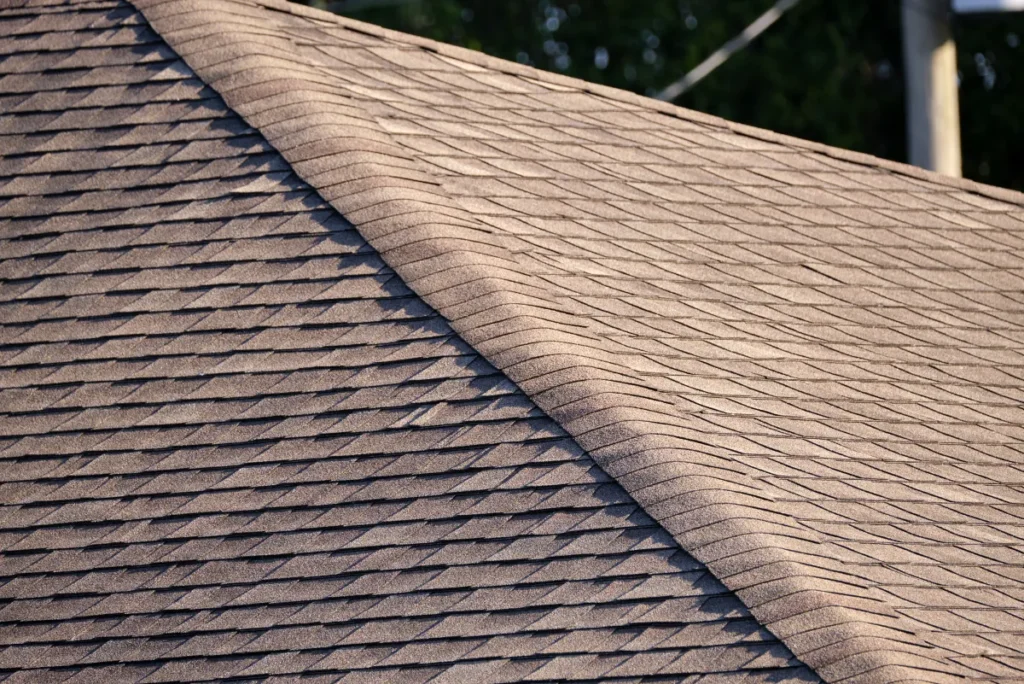
Contractors often quote roofing by the “square,” which equals 100 square feet of roof surface. Overall, These ranges are broad budgeting guidance, not a final quote:

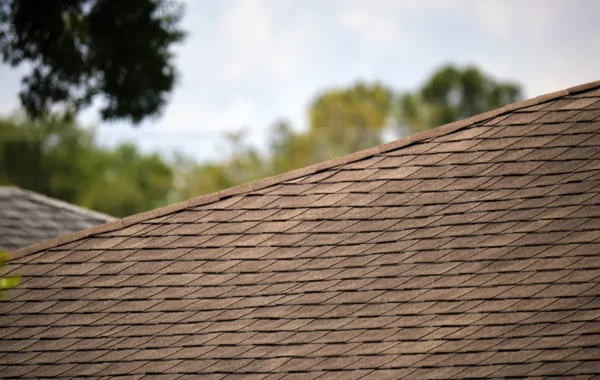
  • Asphalt shingles: roughly $500–$1,200 per square installed.
  • Concrete/clay tile: roughly $1,200–$2,800 per square installed.
  • Standing-seam (raised-seam) metal: roughly $1,200–$3,000 per square installed.

Steepness (roof pitch, meaning how steep the roof is), roof height, and access can also push costs up. Hidden wood damage can also change the total after tear-off.

What You Are Paying For

  • Site visit and measurements: accurate sizing prevents material shortages and surprises.
  • Tear-off and disposal: removing old layers and hauling debris away.
  • Decking repairs: replacing damaged plywood or boards that support the roofing.
  • Underlayment: a water-resistant layer under the shingles, tile, or metal.
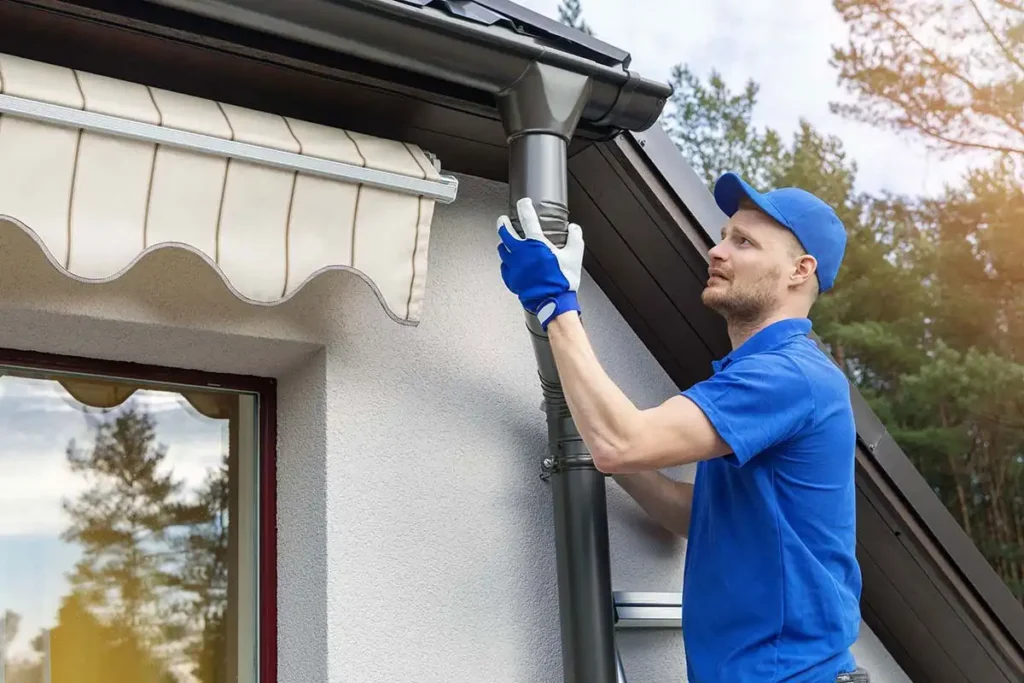
  • Flashing: metal sealing at edges and joints (chimneys, walls, and valleys—where two roof planes meet) to prevent leaks.
  • Edge metal (drip edge): metal at the roof perimeter that helps direct water away from the roof edge.
  • Ventilation improvements: balanced intake and exhaust to reduce heat and moisture in the attic.
  • Cleanup and magnetic nail sweep: jobsite safety after install.

A Simple Cost Breakdown Example (Hypothetical)

Here is a hypothetical example of how a total can be built. Also, Numbers vary by roof size and material, so use this only to understand the categories:

  • Materials and accessories: $4,000–$9,000
  • Labor and safety setup: $5,000–$12,000
  • Tear-off and disposal: $1,500–$4,000
  • Decking repairs (allowance): $0–$3,000
  • Permits/inspections (if required): $200–$1,500

The Biggest Cost Drivers

Decision/conditionWhy it mattersCost impactTimeline impact
Roof size and pitchMore area and steeper slopes increase labor and safety setup.HigherLonger install
Layers to removeMultiple layers add tear-off and disposal effort.HigherCan add days
Decking conditionWood repairs must happen before new roofing goes on.VariableCan extend install
Material typeTile and metal often require more detail work than shingles.VariableMay extend install

Who This Is For

This page is useful if you are dealing with leaks, planning a full replacement, or trying to avoid the “lowest bid” trap where key items show up later as add-ons.

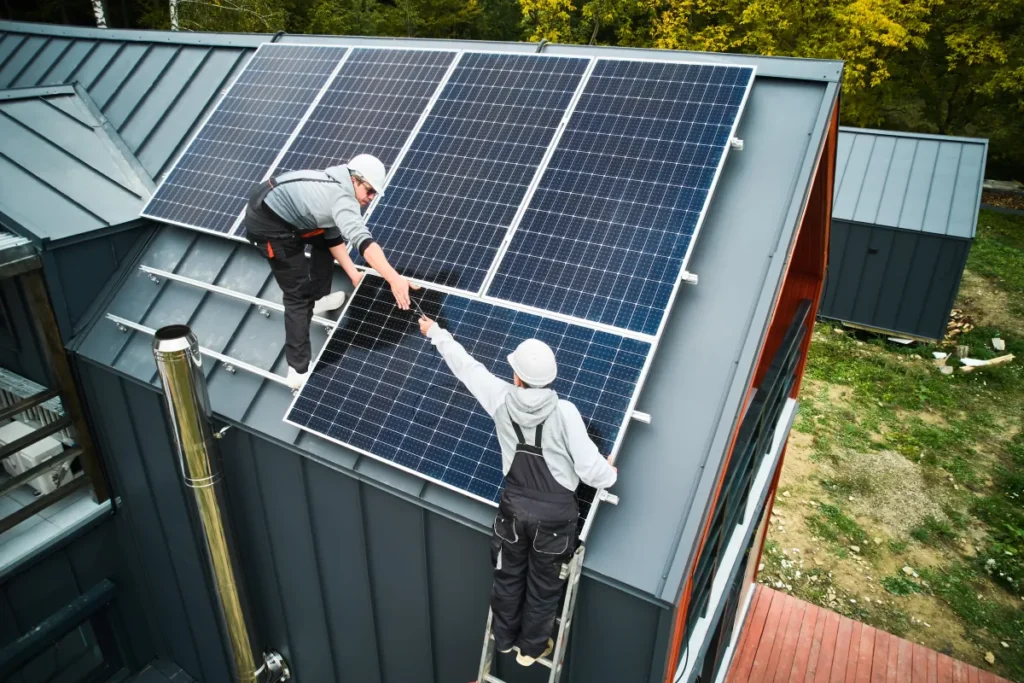
solar panel men workers installing solar panels on roof of hou

Where The Money Goes

Roofing isn’t just “materials plus a day of work.” Labor covers safety setup, tear-off, protecting landscaping, and careful waterproofing details. In addition, Materials vary by style, weight, and how many accessory parts they need.

Labor Cost Drivers

  • Access and height: limited driveway space or a taller roof can require more staging and protection.
  • Complex layout: more valleys (where two roof planes meet) and penetrations means more cutting and flashing.
  • Wood repairs: replacing damaged decking adds time and carpentry labor.
  • Ventilation changes: adding ridge vents (exhaust at the roof peak) or intake vents requires extra cutting and sealing.

Material Cost Drivers

  • Roofing type: shingles usually install faster than tile; standing-seam metal uses custom panels and trim.
  • Underlayment and waterproofing: upgrades can reduce leak risk in valleys and around penetrations.
  • Color and “cool roof” options: a cool roof reflects more sunlight, which may affect product pricing.

What To Expect Week By Week

Every project schedules differently, but this is a common rhythm for a full replacement once you approve the scope:

  • Week 1: on-site inspection, measurements, and photos; you choose material and color.
  • Week 2: written estimate and scope sign-off; we confirm access, protection needs, and debris removal.
  • Week 2–3: material ordering and delivery planning.
  • Week 3–5: permits and inspection scheduling when required; timing depends on the review process.
  • Install week: tear-off, decking repairs (if needed), underlayment, flashing, and new roof install—often 1–3 days on-site.
  • Closeout: final cleanup, punch list, and any required inspection sign-off.

If you want tighter timing and fewer surprises, decide on the material early and ask the contractor to call out assumptions in writing (layers, decking repairs, and permit needs). Meanwhile, That keeps the remodel cost tied to a clear scope instead of guesswork.

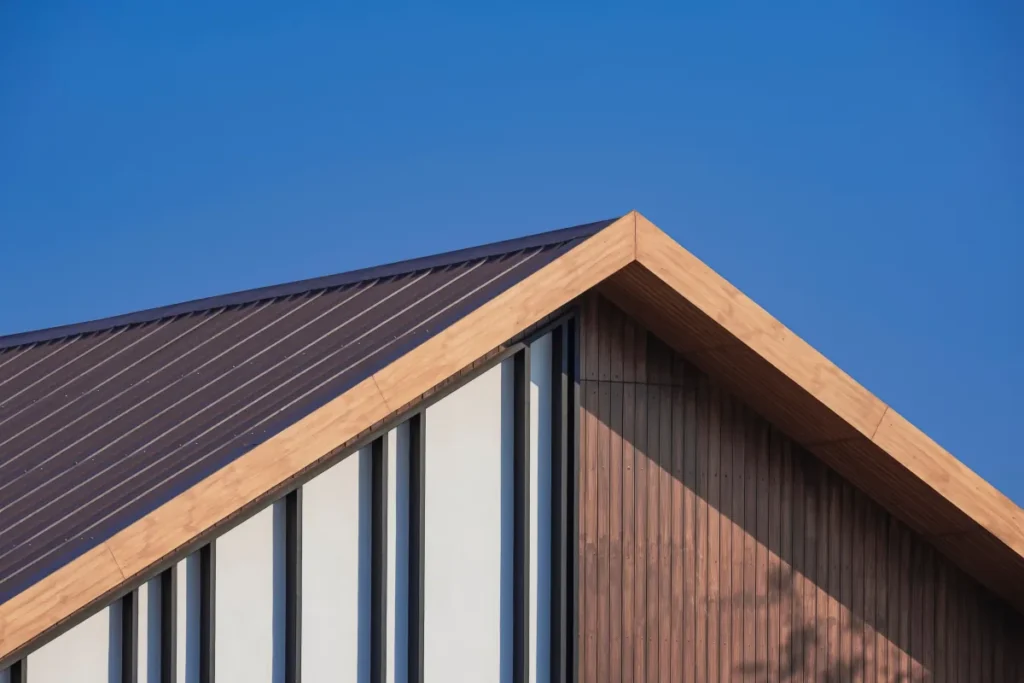
solar panel service engineer installing solar cell on the roof

Optional Upgrades That Add The Most Value

Some add-ons look great on paper but don’t change performance. For example, Focus on upgrades that reduce leak risk, improve ventilation, or cut future maintenance.

Value-First Upgrades (Long-Term Value)

  • Higher-quality underlayment: a tougher water-resistant layer can add protection under the finished roof.
  • Flashing upgrades at trouble spots: better detailing around chimneys, walls, and valleys often pays back by preventing repeat leaks.
  • Ventilation balance: pairing intake vents with ridge vents can reduce attic heat and moisture (and helps the roof system last).
  • Cool roof products: “cool roof” materials reflect more sunlight; ask what options fit your roof type and local requirements.

ROI And Resale Considerations

Roofing can support resale value when buyers see a clean, code-compliant installation and good documentation. For this reason, Keep copies of the written estimate, material specs, and any permit or inspection sign-off.

When you’re choosing finishes, match the material to your goals. As a result, A premium material can make sense on a long-term home, while a simpler system may be the better value if you plan to sell soon.

Financing Options Homeowners Consider

Many homeowners mix and match funding sources depending on scope and timing:

  • Cash savings: simplest for smaller repairs.
  • Credit card: can work for minor fixes, but watch interest rates.
  • Home equity loan or home equity line of credit (HELOC): common for larger replacements when you have equity.
  • Personal loan: can cover a mid-size project without tapping equity.
  • Insurance claim: sometimes applies for covered damage; confirm coverage details with your carrier.

Permits, Inspections, And Scheduling

Permits and inspections depend on scope. Additionally, In Los Angeles, roofing work that changes the structure or involves a full replacement may require permit review and an inspection sign-off. For this reason, The Los Angeles Department of Building and Safety (LADBS) offers online services for permitting and plan review, and some residential scopes may qualify for faster online or express paths.

Permit Notes For Roofing Work

  • Ask your contractor whether the scope triggers a permit and who will pull it (homeowner or contractor).
  • Confirm what inspections are expected (for example, sheathing and decking repairs or final inspection), so the schedule stays realistic.
  • Get permit responsibilities and fees stated in the written estimate.

Scheduling also depends on material lead times and access. Also, If you live on a busy street, ask about delivery timing and where a debris bin can safely go.

A Quick Checklist

Use this checklist to compare bids without missing the details that drive price and leak risk:

  • Roof measurement method: on-site measurement, drone, or plans—ask what they used.
  • Scope clarity: repair areas vs full replacement, including underlayment and flashing.
  • Layer count: confirm how many existing layers are being removed.
  • Decking repairs: confirm the allowance and the per-sheet price if extra work is necessary.
  • Ventilation plan: what changes are included and why.
  • Protection and cleanup: how they protect landscaping and how they handle nails and debris.
  • Permits: confirm if a permit is expected and how inspections affect the schedule.
  • License check: verify the contractor’s status with the California Contractors State License Board (CSLB).

If you want a clear, written roofing estimate for your Los Angeles home, US Construction & Remodeling Corp. Additionally, can review photos and then schedule a site visit for exact measurements. For example, Have your address, roof type, and a few photos ready. Meanwhile, Call +1 (916) 234-6696 or use the estimate form on our website. A clear scope keeps remodel cost decisions simple when you’re comparing bids.

Remodel Cost Terms You’ll See In Roofing Quotes

These terms show up in estimates, and they often explain why two bids don’t match:

  • Square: 100 square feet of roof surface.
  • Pitch: how steep the roof is; steep roofs take more safety setup and time.
  • Decking: the wood layer under the roofing that supports nails and fasteners.
  • Underlayment: the water-shedding layer between decking and the finished roof.
  • Flashing: metal pieces that seal roof joints and penetrations.
  • Ridge vent: an exhaust vent at the top ridge that helps hot air escape the attic.

Helpful Links

Frequently Asked Questions

It depends on roof size, material, slope, and how much tear-off and wood repair is necessary. As a starting point, shingles often price lower than tile or standing-seam metal, and full replacements typically cost more than targeted repairs.

A repair targets a specific leak or damaged area. A replacement removes the existing roof covering and installs a new system across the whole roof. If damage is widespread or the roof has multiple recurring leaks, replacement can be the smarter long-term choice.

A “square” is 100 square feet of roof surface. Contractors use it to price materials and labor in a consistent way across different roof sizes.

Permits depend on scope, and rules can change. Many full replacements and any work involving structural changes can require a permit and inspection. A contractor should explain the permit plan in writing and coordinate with LADBS when required.

Once materials are available and any required permits are in place, many standard replacements take about 1–3 days on-site. Complex roofs, tile work, decking repairs, and inspection scheduling can add time.

Look for a line-item scope that spells out what is included and what could change the price.

  • Roofing material and underlayment
  • Tear-off and disposal
  • Flashing and edge metal details
  • Decking repair allowance
  • Ventilation work (if any)
  • Permit and inspection responsibility (if needed)

To request a written estimate from US Construction & Remodeling Corp., call +1 (916) 234-6696 or book online.

Licensed, insured & trusted local contractor

US Construction & Remodeling Corp.
9821 Business Park Dr, Sacramento, CA, 95827
Phone: +1 (916) 234-6696

CSLB License #: 1117562 Fully licensed and insured.

View our Google Business Profile

Related service

Looking for a step-by-step overview before you choose materials? Read Roofing Remodeling (Landing Page).

Leave a comment

This website uses cookies to improve your web experience.
Explore
Drag