
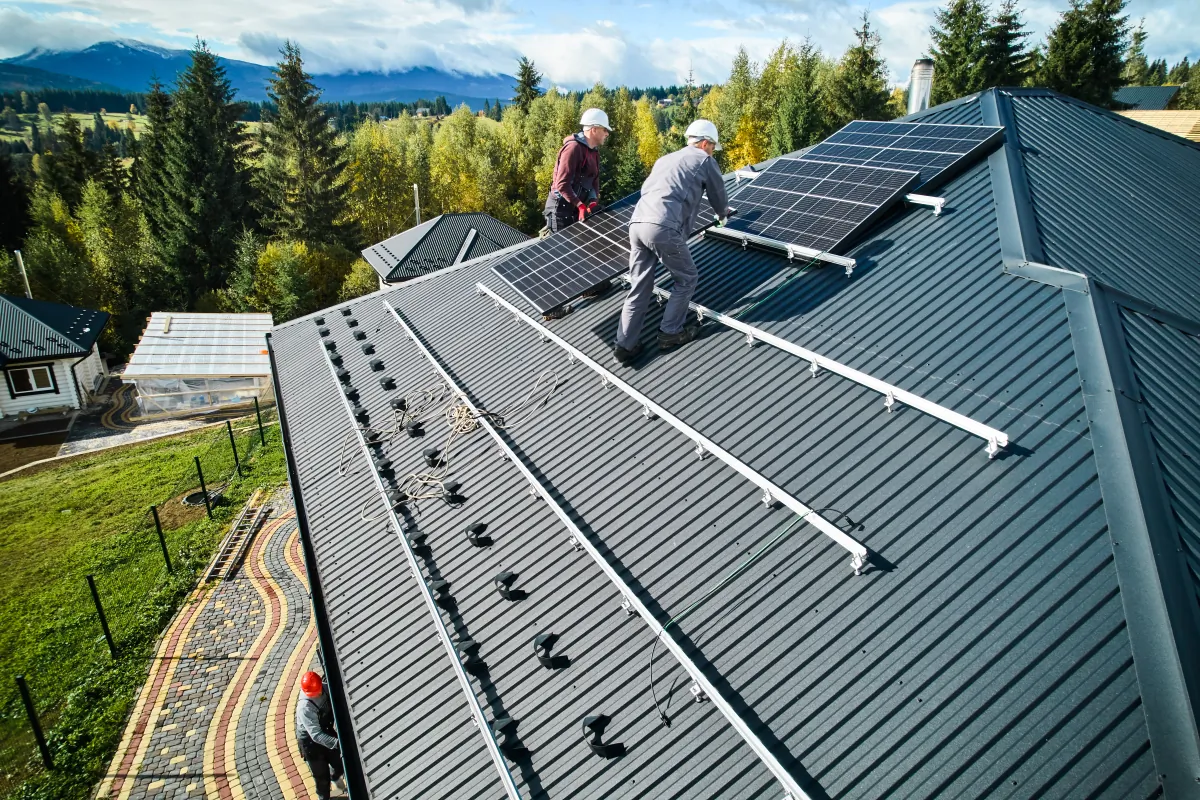
Roofing Timeline In Berkeley
Roofing feels straightforward until the schedule slips. If you're trying to pin down a roofing timeline berkeley homeowners can plan around, this page lays out the decisions and checkpoints that keep the job moving.
Quick checklist:
- Confirm the scope: repair, partial replacement, or a full reroof.
- Pick a material system and verify underlayment, flashing, and ventilation details.
- Clarify tear-off vs overlay and what happens if decking damage is found.
- Compare 2–3 itemized bids (materials, disposal, permits, warranty).
- Schedule around weather and confirm daily cleanup and protection.
- Do a final walkthrough: flashing, vents, and warranty documentation.
TL;DR: Nail down scope, pick materials, and confirm permit/inspection steps before you choose dates. On-roof work is usually measured in days, but ordering and approvals can add time. Want dates for your home? Call +1 (916) 234-6696 or book a planning call: Free estimate.
- Decide: repair vs replacement (and what's included)
- Pick the material and color before ordering
- Ask for a written start-date window and daily work hours
- Confirm whether a permit applies and who pulls it
- Plan access: driveway, yard gates, attic, power outlets
- Save closeout paperwork, photos, and warranty info
The Planning Checklist That Prevents Rework For Roofing Timeline Berkeley
| Decision | Why it matters | Quick check |
|---|---|---|
| Material system | Affects lifespan, cost, and appearance. | Confirm shingle/tile type, underlayment, and warranty. |
| Flashing & penetrations | Most leaks start at edges and penetrations. | Specify flashing at chimneys, vents, and valleys. |
| Ventilation | Controls heat/moisture and protects decking. | Confirm intake/exhaust balance and vent types. |
| Tear-off & decking | Hidden damage can change cost and timeline. | Include an allowance and photo documentation. |
A roof project can move fast once the crew starts. For this reason, The goal is to avoid surprises that force tear-off to pause or work to be done twice. As a result, A clear plan protects your home and your calendar.
Who This Checklist Helps
- Homeowners replacing an aging or leaking roof
- Anyone coordinating roofing with solar, also skylights, or exterior paint
- Households that need to plan around work, school, or pets
- Owners who want permit and inspection steps mapped early
Common Mistakes That Add Days
- Choosing materials after the start date is "set"
- Not confirming what happens if damaged roof decking is found
- Skipping a written scope (what's included, what's optional)
- Assuming the city inspection will be available the same day
- Leaving access unclear (locked gates, parked cars, attic storage)
Contractor Questions That Protect Your Schedule
- Who is my day-to-day contact, and how do we communicate?
- How many crew members will be on-site, and what are the work hours?
- How will you protect landscaping and keep nails and debris contained?
- Will you handle permit paperwork if it's required?
- How are change orders priced and approved before extra work starts?
Define Scope And Must-Haves
Start by writing down what you're fixing and what you want improved. "Scope" means the full list of work included in the quote and schedule. As a result, The more you define now, the fewer mid-job decisions you'll face.
10-Minute Scope Checklist
- Repair or full replacement?
- Any existing leaks, stains, or soft spots to investigate?
- One layer to remove, or multiple layers?
- Do you want to replace skylights or roof vents at the same time?
- Any fascia boards (the wood behind gutters) that look damaged?
- Preferred material type and color family
Ask your contractor to explain roof decking (the wood layer under the roofing). Meanwhile, If portions need repair, it can change both the budget and the day-by-day schedule. Overall, Planning for that possibility upfront prevents a stop-and-wait situation.

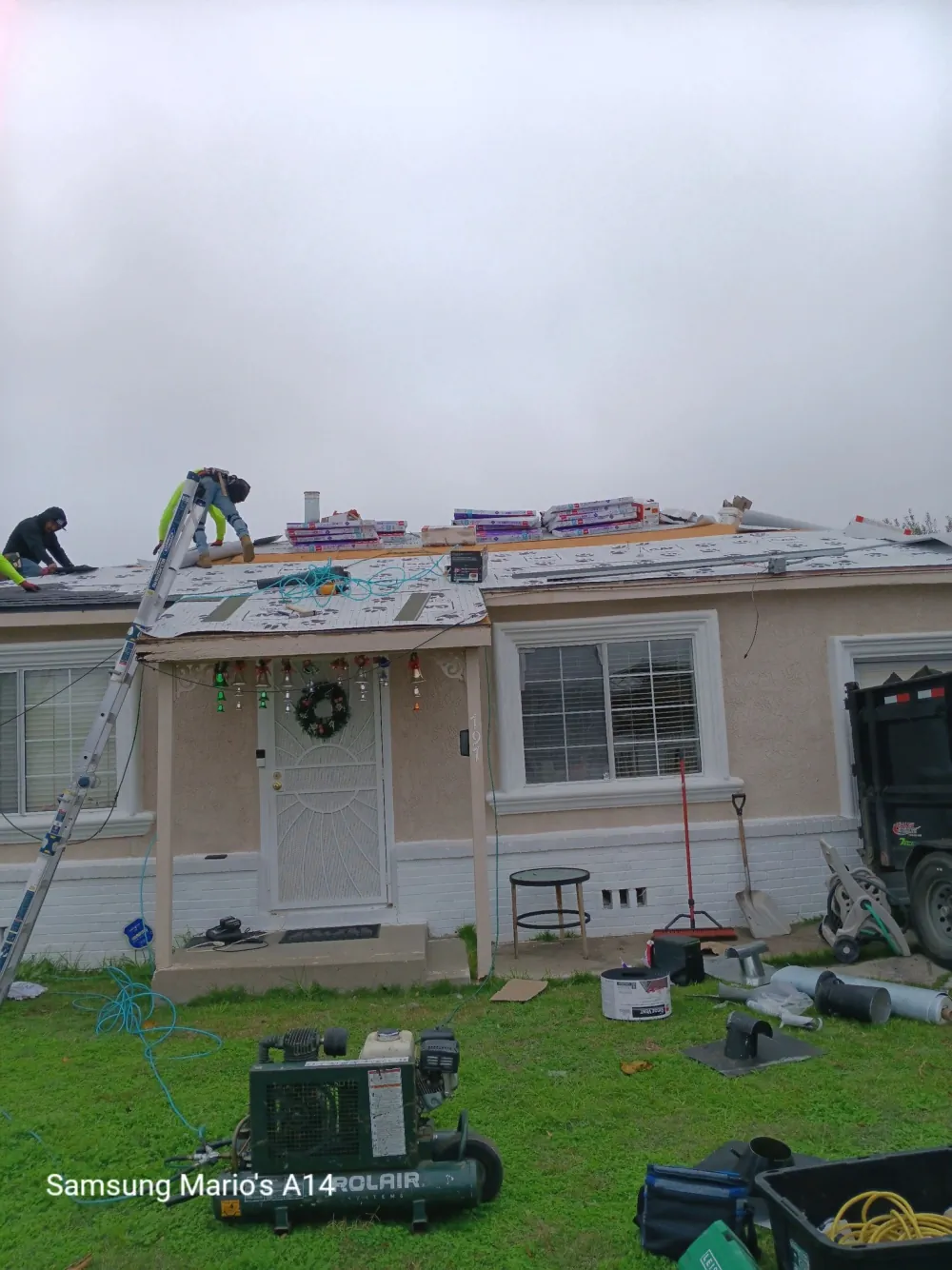
Material Selections And Lead Times For Roofing Timeline Berkeley
Your material choice affects cost, look, and how quickly your job can start. For example, Some products are in stock locally, while others are special order. Meanwhile, Lead time is the time between ordering and delivery.
Decisions That Drive Timing And Budget
| Decision | Why it matters | Typical timeline impact |
|---|---|---|
| Material type | Different install steps and availability | Stock vs special-order lead times |
| Number of layers to remove | More tear-off means more labor and haul-away | Can add extra work days |
| Decking repairs | Fixes soft or damaged wood under the roof | May pause work until approved |
| Skylights and roof penetrations | Extra detailing around openings | Adds coordination and inspection items |
Two terms you'll hear early: underlayment (a water-resistant layer under the roofing) and flashing (metal that seals joints at walls, chimneys, and edges). Overall, Ask how each is handled in the quote so there are no surprises.
Practical Lead-Time Tips
- Pick your material and color before you accept a start-date window.
- Ask if any items are special order (ridge caps, matching accessories, skylights).
- Don't schedule tear-off until key materials are confirmed for delivery.
Permits, Inspections, And Scheduling
In Berkeley, many building and trade permits can be started and tracked online through the City of Berkeley Permit Service Center's "Permits Online" system. Additionally, Permit needs depend on the scope of work, so the safest approach is to confirm early rather than guess.
Scheduling Checklist For Permits And Inspections
- Confirm whether your scope requires a permit for your address.
- Decide who will pull the permit and who will meet the inspector.
- Ask which inspections may apply (in-progress vs final) and how they get scheduled.
- Build a buffer in your calendar for plan review or inspection availability.
Weather matters in Berkeley too. Also, If rain is in the forecast, your contractor should explain how the roof stays protected overnight and what triggers a work pause.
Site Prep And Living-Through Tips
A clean jobsite keeps the timeline steady and reduces stress inside the house. In addition, You can help by making access easy and protecting fragile items before work begins.
- Move cars out of the driveway and clear a path to the yard gate.
- Cover items in the attic and move valuables off top shelves (vibration happens).
- Plan for noise and limited outdoor use during work hours.
- Keep pets and kids away from the work zone at all times.
Accessibility And Safety Plan For Occupied Homes
If someone in the home has limited mobility, talk through a daily access plan before day one. Also, A good crew can stage ladders and materials so at least one entrance and one walkway stay predictable.
- Ask for a dedicated "clear path" that stays free of cords and tools.
- Request end-of-day cleanup that includes sweeping for fasteners.
- Set quiet hours if someone works nights or has medical needs.

Closeout Checklist And Warranty Notes
Closeout is the final walkthrough and paperwork handoff. For example, Treat it like a checklist, not an afterthought. Also, It's your chance to confirm the work matches the scope and to collect the documents you may need later.
Closeout Checklist (Save This)
- Walk the perimeter with your contractor and review any punch-list items.
- Confirm key areas are sealed: edges, wall transitions, and around chimneys.
- Ask for photos of completed areas you can't easily see from the ground.
- Verify the site is cleaned up (including a magnetic sweep for nails).
- Get copies of permit sign-offs if a permit was necessary.
- Collect warranty documents and product info, and store them digitally.
Maintenance Tips To Protect Your Roof
- Clear leaves and debris from valleys and gutters so water can move freely.
- Trim branches that rub the roof or drop heavy debris.
- After major wind or storms, do a quick ground-level visual check for loose pieces.
- Avoid pressure washing roofing; ask before using any cleaning products.
If you want a roofing timeline berkeley plan that's based on your scope, material choice, and permit needs, talk with US Construction & Remodeling Corp. For this reason, Call +1 (916) 234-6696 or book a planning call at Free estimate.
Homeowner FAQs
The FAQs below cover timing, permits, materials, and how to keep the job moving.
Helpful Links
Frequently Asked Questions
Once your materials are delivered and the crew starts, many homes see the on-roof work finished in a few working days. The longer part is often pre-work: scope decisions, ordering, and any required permits or inspections.
To estimate a roofing timeline berkeley homeowners can plan around, ask for a simple phase-by-phase calendar:
- Site visit and written scope
- Material order and delivery confirmation
- Permit submittal and approval (when needed)
- Tear-off and installation days
- Inspection sign-off and final walkthrough
Your roof shape, height, and any hidden deck repairs can add time. A good plan includes a buffer for those unknowns.
Three items swing schedules more than anything: material availability, the condition of the wood deck under the roofing, and inspection timing. Weather can also pause work, especially during rain.
- Special-order materials: custom colors or profiles can push the start date out.
- Decking repairs: if damaged wood is found, the scope can expand quickly.
- Inspections: availability varies, so plan for a scheduling window.
- Access issues: blocked driveways, locked gates, or tight side yards slow staging.
You can reduce delays by choosing materials early, approving change orders quickly, and keeping access clear for the crew and inspector.
Maybe. Permit rules depend on scope and location, and the city can update requirements. For many roofing projects, a permit is common, especially when you replace large portions of the roof or change structural elements.
In Berkeley, many permit tasks can be handled online through the City of Berkeley Permit Service Center ("Permits Online"). Your contractor should tell you whether a permit applies, who will pull it, and how inspections will be scheduled.
- Ask the contractor to list the permit and inspection steps in writing.
- Confirm who meets the inspector and who fixes any corrections.
- Keep copies of approvals and final sign-offs in your closeout folder.
Material choice affects both scheduling and cost. Asphalt shingles are often the quickest to source because many colors are commonly stocked. Metal panels, tile, and specialty systems can take longer, especially if you need a specific profile or color.
- Ask which components are special order (not just the main field material).
- Confirm accessories early (ridge caps, vents, skylight kits) so nothing holds up install days.
- Schedule tear-off after delivery is confirmed, not just ordered.
If you want the calendar to stay tight, lock selections before you set a firm start window.
Roof pricing changes with size, slope, number of existing layers, and how much repair work is necessary under the surface. Material choice matters too, as do details like skylights, chimneys, and edge work.
- Roof size and pitch
- Tear-off complexity and hauling debris
- Decking repairs (if needed)
- Material system and matching accessories
- Permit fees and inspection requirements
- Access constraints (parking, narrow side yards)
The best way to compare bids is an itemized scope that lists what's included and what triggers extra charges.
Use questions that force clear, written answers. That is how you protect your budget and your timeline.
- What is included in the scope, and what is optional?
- Will you provide a written start-date window and daily work hours?
- How many workers will be on-site, and who is the daily contact?
- How do you handle decking repairs if you find damaged wood?
- Will you pull permits if required, and who schedules inspections?
- How do you protect landscaping and keep nails and debris contained?
- What warranties apply, and what paperwork do I receive at closeout?
Create one digital folder and keep it updated. It saves time if you sell the home, file a warranty claim, or need a future repair.
- Signed contract, invoice, and any change orders
- Product information and warranty documents
- Photos of completed work (especially hard-to-see areas)
- Any permit approvals and final sign-offs (when applicable)
For maintenance, keep gutters clear, remove heavy debris, and do a quick visual check after major storms. If anything looks off, address it early to avoid water damage.
Licensed, insured & trusted local contractor
US Construction & Remodeling Corp.
4424 Freeport Blvd, Sacramento, CA, 95822
Phone: +1 (916) 234-6696
CSLB License #: 1117562 Fully licensed and insured.
Explore the full service overview
If you want the big-picture process, pricing factors, and what to expect, start here: Roof Repair & Roof Replacement in Sacramento, CA.