Roofing vs DIY in Roseville: A Homeowner Roadmap
Homeowners searching for roofing vs diy roseville usually want a straight answer: can you do it safely, and will it last?
This guide breaks down the real tradeoffs for Roseville homes—planning, materials, permits, and the mistakes that turn a “savings” into a redo.
TL;DR: DIY can make sense for very small, low-risk repairs. Full tear-off and replacement is where most homeowners do better with a qualified roofing crew. Either way, start with a written scope and a plan for permits and inspections.
Quick Checklist (5 Minutes):
- Confirm your scope: patch, partial repair, or full replacement.
- Measure access and slope; steep roofs raise safety risk fast.
- Decide on materials and ventilation before you buy.
- Check whether a permit and inspection apply for your address.
- Plan safety, debris cleanup, and where materials will be staged.
- Get a written estimate that lists products, layers, and exclusions.
Common Pain Points With Roofing Vs DIY In Roseville (And Fixes) For Roofing Vs DIY Roseville
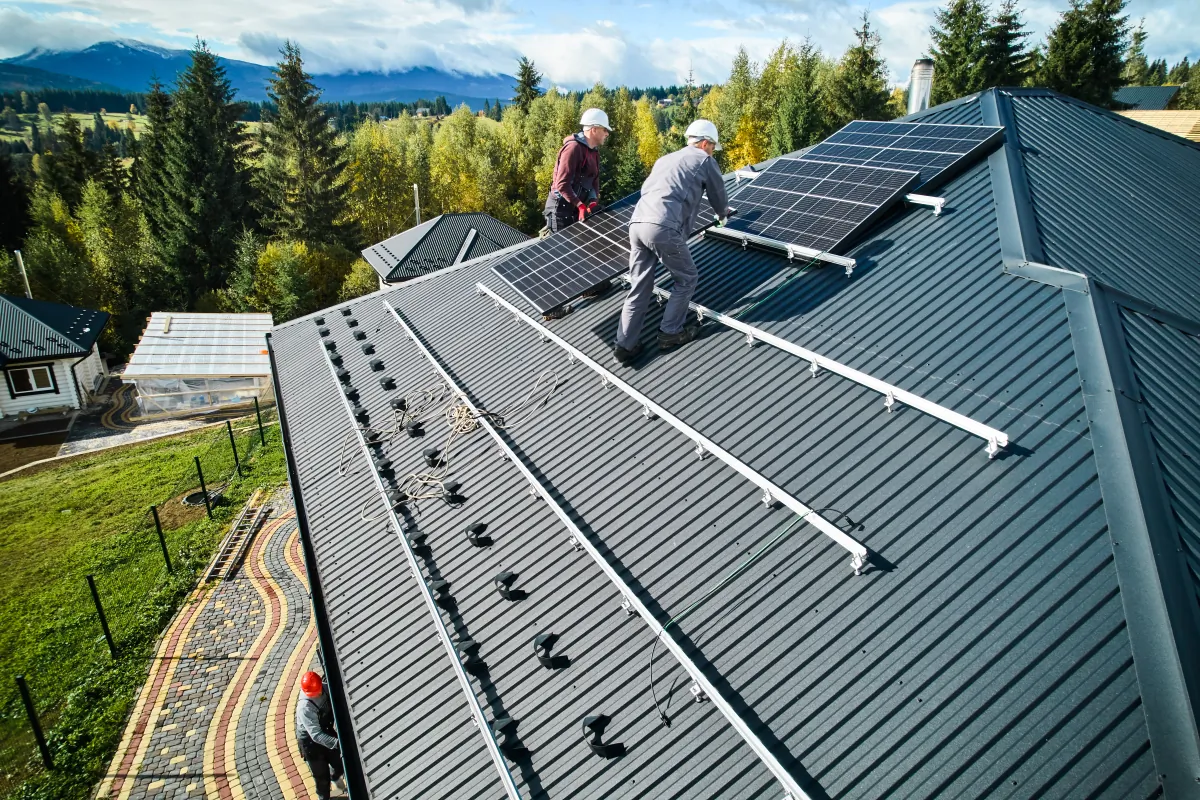
Roof work looks simple from the ground. Additionally, Up close, small errors can become leaks, damaged wood, and interior repairs. Overall, These are the issues Roseville homeowners run into most when weighing DIY against hiring a roofing contractor.
- Fall risk and ladder setup: A roof edge is unforgiving. For this reason, Fix: if you can’t work with proper fall protection and stable access, keep it to ground-level tasks and hire the roof work out.
- Hidden deck damage: The roof deck (the plywood under the shingles) can look fine until you remove the old material. As a result, Fix: decide ahead of time how deck repairs will be priced and approved.
- Leak points around vents and edges: Flashing (metal pieces that seal transitions) must be layered correctly. Meanwhile, Fix: don’t improvise at penetrations; follow manufacturer instructions or have a pro handle these details.
- Material mismatch: Shingles, underlayment (the water-shedding layer under shingles), and nails need to work as a system. In addition, Fix: compare product lines and compatibility, not just bundle prices.
- Ventilation shortcuts: Poor airflow can shorten roof life. Also, Fix: confirm intake and exhaust ventilation are balanced before you close everything up.
- Cleanup and disposal: Tear-off creates sharp debris. Overall, Fix: plan protection for landscaping, pets, and cars, and plan legal disposal from day one.
Quick Decision Guide
If your search was also roofing vs diy roseville, this table is the fastest way to sort “possible DIY” from “hire a pro.” It’s not about toughness—it’s about risk, time, and watertight details.
| Decision factor | DIY reality | Hiring a contractor |
|---|---|---|
| Scope | Best for small, accessible fixes | Better for full replacement and complex roofs |
| Safety | You supply training and fall protection | Crew shows up with established safety practices |
| Tools and hauling | Rentals and disposal planning are on you | Tools, haul-away, and jobsite setup are included |
| Permits and inspections | You handle paperwork and scheduling | Clear plan for permit/inspection responsibilities |
| Quality control | You learn while the roof is exposed | Work follows a repeatable install sequence |
| Time | Often stretches across weekends | Scheduled start-to-finish timeline |
Organize Attic And Garage Storage Before Roof Work
Even if the work stays outside, vibration and dust can move through the attic. For example, A little organization protects your belongings and helps the project run smoother.
- Clear a path to the attic access and any electrical panel areas.
- Move stored items away from the underside of roof penetrations (vents, pipes, skylights).
- Cover boxes with plastic sheeting and label what you move.
- Set aside a small “keep accessible” bin for essentials while work is active.

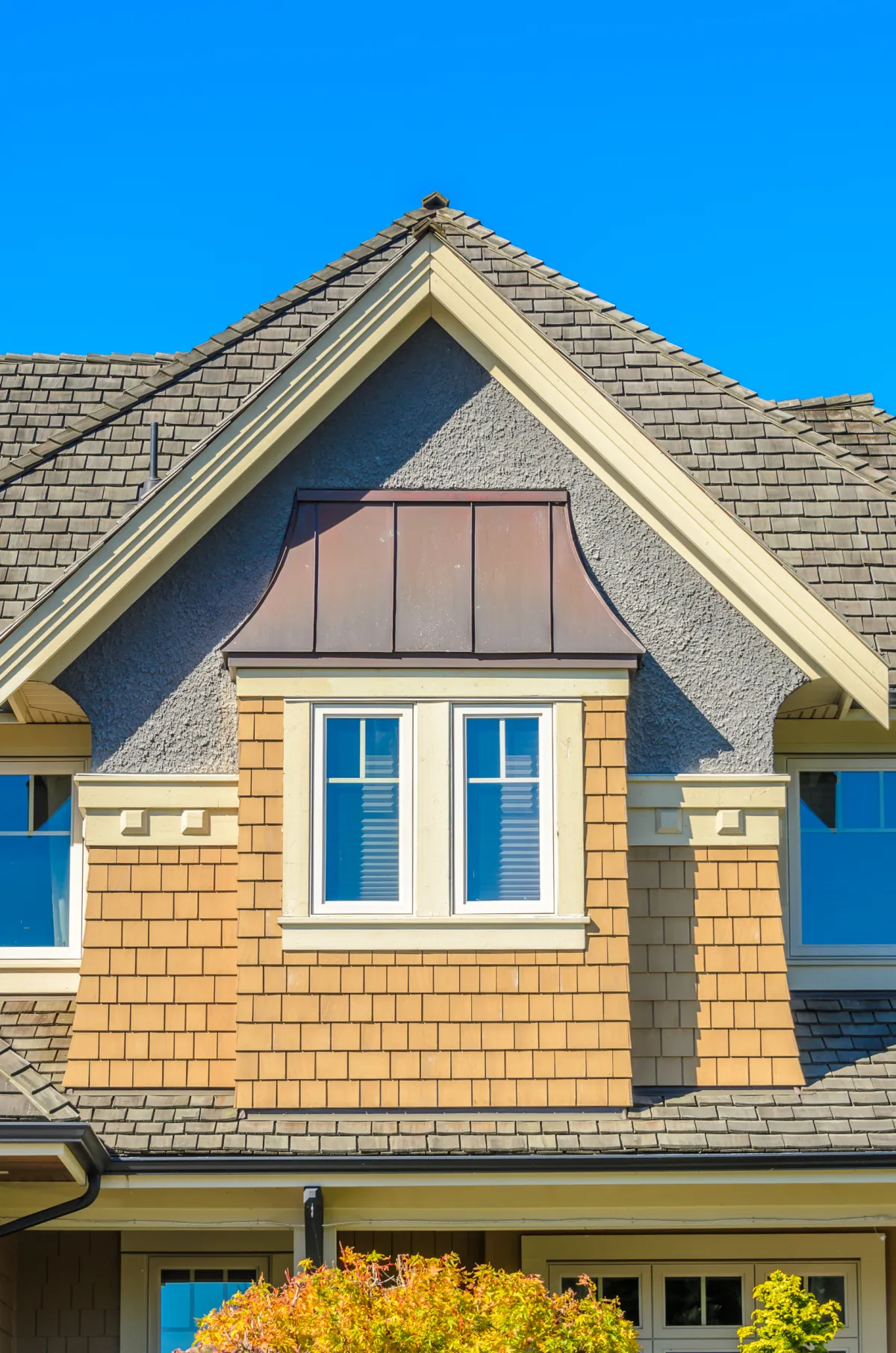
Planning, Budget, And Materials For Roofing Vs DIY Roseville
A smart roofing plan uses clear inputs. For example, DIY or pro, you want the same outcome: a dry home, clean transitions, and paperwork that matches what was installed.
Define The Real Scope (Repair Vs Replacement)
“Roofing” can mean anything from a small repair to a full tear-off (removing the existing roof down to the deck). Meanwhile, Write down what you’re trying to solve before you talk pricing.
- Is the issue a leak, missing shingles, sagging areas, or general age?
- Is the problem limited to one area, or do you need full replacement?
- Do you want to address ventilation while the roof is open?
- Will you replace pipe boots, vents, and other roof accessories at the same time?
Plan The Roof Layout And Staging
Layout planning is simply mapping what’s on your roof and where materials will go. Also, Note roof planes, valleys (where two slopes meet), and penetrations (pipes, vents, skylights). Also note the pitch (the roof slope), because steep pitch changes safety needs and labor.
- List every penetration so you don’t “discover” it mid-install.
- Identify areas where water concentrates, like valleys and wall transitions.
- Choose staging zones for shingle bundles, tools, and debris bins.
- Protect driveways, landscaping, and AC units before tear-off begins.
Materials Deep Dive (What Each Layer Does)
Most leaks come from transitions, not the field of shingles. Also, Knowing the parts helps you compare estimates line-by-line and avoid mismatched materials.
- Shingles: Commonly asphalt. “Architectural” shingles are thicker than basic 3-tab shingles and can resist wind better in many installs.
- Underlayment: A layer under shingles that sheds water if wind-driven rain gets past the shingle surface.
- Ice-and-water membrane: A peel-and-stick waterproof layer used in specific areas on some roofs, depending on design and code requirements.
- Flashing: Metal that seals edges, valleys, and roof penetrations so water exits onto the shingle surface.
- Starter strip and ridge cap: Pieces that lock down the first and last courses of shingles to reduce wind lift.
- Ventilation components: Intake and exhaust vents that move heat and moisture out of the attic.
Budget Planning Without Guesswork
Skip “price per square” shortcuts. For example, A roof price changes with the details you can’t see from the street.
- Roof size and pitch (steeper and higher costs more).
- Number of layers to remove and dispose of.
- Deck repairs and replacement of damaged wood.
- Roof complexity: valleys, skylights, chimneys, and walls tying into the roof.
- Material system choice and ventilation changes.
Timeline And Permit Considerations
Time and permits are where DIY plans often get squeezed. Also, In Roseville, many residential permit steps and inspection scheduling run through the City of Roseville Development Services online permit center. Additionally, Requirements can vary by scope and address, so confirm what applies before materials arrive.
How A Roseville Roof Project Usually Runs
- On-site assessment: measurements, photos, and a discussion of goals.
- Written estimate: scope, materials, exclusions, and change-order rules.
- Material selection and schedule: delivery timing and site protection plan.
- Permit and inspection plan (when required): clarify who submits and who schedules.
- Tear-off and deck check: replace damaged deck areas before new layers go down.
- Install sequence: underlayment, waterproofing details, then the finished roof covering.
- Cleanup and closeout: haul-away, magnetic nail sweep, and final walkthrough.
Budget And Timeline (Typical)
- Budget depends on details: size, pitch, layers, deck repairs, and material system drive the number more than any single “average.”
- On-site work can be quick: many straightforward replacements finish in a few days once work starts, while complex roofs take longer.
- Permits add calendar time: plan for review and inspections when they apply.
- DIY stretches easily: weekends, tool rentals, and weather can turn a roof into a multi-week project.

How To Avoid Costly Mistakes
US Construction & Remodeling Corp. In addition, helps Roseville homeowners compare DIY and contractor options with a written scope, practical material choices, and a plan for permits and inspections when they apply. Request a written estimate and we’ll outline the next best step for your roof.
What To Prepare For Your Estimate Request
- A few photos from the ground (all sides) and any interior leak spots.
- The approximate age of the current roof (if you know it).
- Any past repair history or recurring problem areas.
- Access notes (tight side yards, gates, or power-line clearances).
- Your preferred material type and color direction, if you have one.
DIY Mistakes That Tend To Trigger Rework
- Starting a tear-off without a same-day dry-in plan (temporary waterproofing to protect the deck overnight).
- Covering soft or damaged deck areas instead of replacing the wood.
- Mixing shingle and underlayment products that weren’t designed to work together.
- Improvising around penetrations where flashing needs correct layering.
- Skipping ventilation planning, which can trap heat and moisture in the attic.
- Underestimating debris cleanup, nail pickup, and legal disposal.
Hypothetical Before/After: Same Roof, Different Outcome
Hypothetical example: A homeowner starts a DIY tear-off on a weekend, finds soft decking near a vent, and tries to patch around it to stay on schedule. The next rain pushes water under the new shingles and stains show up on the ceiling later.
With a written scope and staged install plan, the project pauses at the deck check. In addition, The damaged section gets replaced, the vent transition gets sealed correctly, and shingles go on only after the roof is watertight again.
Maintenance Tips After Replacement
Roofs last longer when you catch small issues early and keep water moving where it should.
- Do a quick visual check after high wind and heavy rain.
- Keep gutters clear so water doesn’t back up at the roof edge.
- Trim branches away from the roof to reduce abrasion and debris.
- Check the attic a couple of times a year for damp spots or daylight.
- Address a small leak fast before it becomes a drywall and insulation repair.
Frequently Asked Questions
DIY can be realistic for small, low-slope repairs if you can work safely and you understand the full roofing system. Full replacement is higher risk because you expose the roof deck and you must keep the home watertight the same day.
- DIY fits best when the scope is small and access is safe.
- Hire a pro when the roof is steep, high, complex, or near the end of its life.
- If you’re unsure, start with a written estimate so you’re deciding with real numbers.
Many roof replacements require a permit, but requirements can vary by scope and address. In Roseville, permit steps and inspections are commonly handled through the City of Roseville Development Services online permit center.
Ask your contractor (or the city) what applies to your project before tear-off begins.
Once work starts, many straightforward roof replacements finish in a few days. Complex roof shapes, deck repairs, and inspection timing can add days.
DIY timelines often run longer because weather, tool rentals, and weekend-only work stretch the schedule.
DIY can reduce labor cost, but it shifts risk and hidden costs onto you. The biggest drivers usually look like this:
- Tool rentals, safety gear, and material waste.
- Haul-away and disposal of old roofing.
- Deck repairs discovered after tear-off.
- Roof complexity (valleys, skylights, penetrations).
- Permit and inspection fees when they apply.
The right material depends on your roof design, budget, and maintenance expectations. Common options include asphalt shingles, metal roofing, and tile systems.
- Asphalt shingles: common, flexible, and available in many styles.
- Metal: durable and lightweight, but details matter at transitions.
- Tile: long-lasting, but heavier and not ideal for every structure.
Ask for samples and make sure the material system matches your roof slope and local requirements.
A solid estimate makes it easy to compare bids and avoid surprises. Look for:
- Clear scope (repair vs full replacement) and tear-off details.
- Specific product lines for shingles, underlayment, and key accessories.
- How deck repairs are handled, approved, and priced.
- Ventilation approach and what changes are included.
- Cleanup plan, haul-away, and nail pickup.
- Permit and inspection responsibilities (when applicable).
Keep it simple and document-based:
- Verify the contractor’s license status through the California CSLB.
- Ask for proof of insurance and a written contract.
- Make sure the scope lists materials and a clear install sequence.
- Confirm who handles permits and inspections if they apply.
Service info for Sacramento
For the complete overview of process and planning in Sacramento, visit Roofing Remodeling (Landing Page).