Skip links

Siding vs DIY in Elk Grove: Practical Homeowner Guide

Home siding looks simple from the street, but the details decide whether your walls stay dry and straight. Homeowners searching for siding vs diy elk usually want to know what’s safe, what’s durable, and what will cost more later if it’s done wrong.

Quick checklist:

  • Pick a siding material and finish that matches climate and maintenance goals.
  • Confirm moisture management details (housewrap, flashing, caulking) in writing.
  • Define the full scope (trim, soffit/fascia, paint, insulation upgrades).
  • Confirm access/safety plan and how landscaping/property will be protected.
  • Compare 2–3 itemized quotes and verify warranty coverage.
  • Check permit requirements if altering exterior walls or doing structural repairs.

TL;DR: DIY can work for small, reachable repairs when the wall is dry and you can flash and seal every edge. Full replacement is a bigger job that depends on proper flashing (the metal or membrane that directs water out) and a safe plan for access and debris. For a quick opinion on your scope, call +1 (916) 234-6696.

  • Walk each wall and note soft spots, stains, or swelling.
  • Look closely around windows and doors for signs of leaks.
  • Decide: small patch, one wall, or full replacement.
  • Confirm you can reach the work safely with stable access.
  • Plan the water-control layers: flashing, sealant, and house wrap (a water-resistant barrier behind siding).
  • Check whether Elk Grove requires a permit for your scope.

Quality, Safety, And Long-Term Value For Siding Vs DIY Elk

Siding is part of your building envelope (the outer shell that keeps weather out). When water gets behind it, it can damage the sheathing (the wood panels under the siding) and framing. A good decision on siding vs diy elk comes down to risk: how much wall you’re opening up, how high you’ll work, and how confident you are in the water-control details.

DIY saves money only when the scope stays small and the wall is sound. If you uncover rot, messy past repairs, or damaged layers behind the siding, the project can shift fast. That’s where professional installation can protect your home and reduce the chance of repeating the work.

DIY Is A Reasonable Option When:

  • You’re replacing a small, low section you can reach safely.
  • The existing siding is still available, so matching isn’t a gamble.
  • There are no signs of water damage once you remove the panel.
  • You can remove and reinstall trim without bending or breaking it.
  • You can follow manufacturer instructions for fastening and clearances.

Hiring A Pro Tends To Make Sense When:

  • You plan to re-side a whole wall or the whole house.
  • The work touches windows, doors, or roof-to-wall areas where leaks start.
  • You see soft wood, staining, or damp material behind the siding.
  • The home has multiple stories or limited ground access.
  • You want to add a WRB (water-resistive barrier that helps block wind-driven rain) or insulation upgrades.
  • You expect permit and inspection steps.

If you want a clear scope, the fastest path is a short on-site evaluation with photos and a written plan.

Key Decisions At A Glance

Decision pointWhat it affectsGood to know
Spot repair vs full replacementBudget, matching, timelineMatching older siding can be difficult; full replacement gives a clean reset.
Wall is dry vs hidden moistureStructural repairsSoft sheathing or staining often means more work behind the surface.
One-story vs two-storySafety and accessStable scaffolding is safer than “ladder stretching.”
Material choiceMaintenance and durabilityVinyl, fiber cement, and engineered wood need different details.
Permits/inspectionsStart date and closeoutSome scopes require city approval; plan time for review and scheduling.

Quality Checks That Matter

Most siding problems show up at edges: corners, trim, windows, and anywhere a pipe or wire exits the wall. The goal is simple: shed water outward and leave a path for drying if water ever gets behind the surface.

Water-Control Details (The Part DIY Often Underestimates)

  • Confirm the wall is solid; replace damaged sheathing (the panel behind the siding).
  • Install a WRB (water-resistive barrier) and tape seams as directed.
  • Use flashing (metal or flexible membrane that directs water out) at windows, doors, and horizontal trim.
  • Add a drip cap (a small metal “hat” that throws water off) above head trim.
  • Seal penetrations (holes for vents, faucets, lights, and cables) with proper blocks and flashing.
  • Keep required clearances from roofing, decks, concrete, and soil to prevent wicking (water soaking upward).
  • Leave a drain path at the bottom edge so water can exit instead of pooling.
  • Consider a rainscreen (a thin air gap) when the wall needs better drying.

Fastening, Straight Lines, And Movement

  • Use corrosion-resistant fasteners and the right length for the wall assembly.
  • Follow the recommended nailing pattern so panels sit flat without being over-tightened.
  • Keep courses (rows) level; small errors stack and look wavy.
  • Stagger seams and align joints intentionally, not randomly.
  • For vinyl, leave expansion space so it can move with heat.
  • For fiber cement, seal cut ends and protect paint-ready surfaces.

Homeowner Walk-Around Checklist

Whether you DIY or hire it out, do a walk-around before access comes down. Small fixes are easier while the work area is still set up.

  • No open gaps at corners, trim, or around penetrations.
  • Clean, straight cut lines with consistent spacing.
  • Flashing present where it belongs, not skipped or hidden.
  • Even spacing at the bottom edge and above roofing/decks.
  • Caulk lines are smooth and only where needed (not used as a patch).
  • Debris removed and landscaping protected.

DIY Safety Reality Check

Ladders and cutting tools turn a “weekend project” into a risk fast. If you can’t work without overreaching, or you need to carry heavy panels overhead, pause and rethink the plan.

  • Use stable scaffolding for longer runs instead of pushing a ladder too far.
  • Wear eye, hand, and hearing protection when cutting or removing old material.
  • Keep kids and pets away from the work zone and debris.
  • If the home may have old paint, follow lead-safe rules and contain dust.

Materials And Maintenance Notes

Material choice affects how the job goes and what you’ll maintain later. The “best” option depends on your budget, the look you want, and how much upkeep you’re willing to do year after year.

Common Siding Options

Vinyl siding: Popular for low routine maintenance and fast installation. It needs correct fastening and spacing so it doesn’t ripple or crack as it expands and contracts.

  • Good fit when you want low maintenance and a consistent appearance.
  • Watch-outs: impact damage and sloppy trim work that leaves gaps.

Fiber cement siding: A cement-and-cellulose board that can mimic wood. It’s stable and durable, but it’s heavier and detail-sensitive at cuts and joints.

  • Good fit when you want crisp trim lines and a more “solid” feel.
  • Watch-outs: cutting dust, sealing/painting, and correct clearances.

Engineered wood siding: Wood strands bonded with resins for consistent boards. It can look great, but it needs good edge sealing and paint maintenance.

  • Good fit when you want a wood look with consistent boards.
  • Watch-outs: water exposure at bottom edges and missed paint touch-ups.

Metal siding: Steel or aluminum panels that can give a clean, modern look. It can dent, and it needs careful detailing at edges and corners.

  • Good fit when you want a modern profile and long-term durability.
  • Watch-outs: denting and trim integration that looks “finished,” not sharp.

Maintenance Tips That Actually Protect The Wall

  • Rinse dirt and pollen off once or twice a year; use gentle pressure.
  • Keep sprinklers aimed away from walls to reduce constant moisture.
  • Trim plants back so air can circulate and surfaces can dry.
  • Check caulk at trim and penetrations yearly; replace cracked sections.
  • After storms, look for loose pieces, lifted edges, or new stains.
  • Touch up paint where needed so bare material doesn’t soak up water.
  • Keep soil and mulch below the recommended clearance at the bottom edge.

Exterior Organization Upgrades To Consider While Siding Is Open

A siding project is one of the few times you can clean up how things attach to the outside of your home. Done right, these small choices prevent future holes and patchwork.

  • Add solid mounting blocks for hose reels, cameras, lights, and address numbers.
  • Plan neat cable routes so wires don’t drape across the wall.
  • Upgrade vent covers and seal the perimeter so air can move without leaks.
  • Confirm exterior outlets and fixtures sit on proper blocks, not raw cutouts.
  • If you want new outdoor storage racks or bike hooks, tie the load into framing—not just the siding.

Any electrical changes should be handled by a qualified electrician. Keep all penetrations sealed and flashed so the wall stays dry.
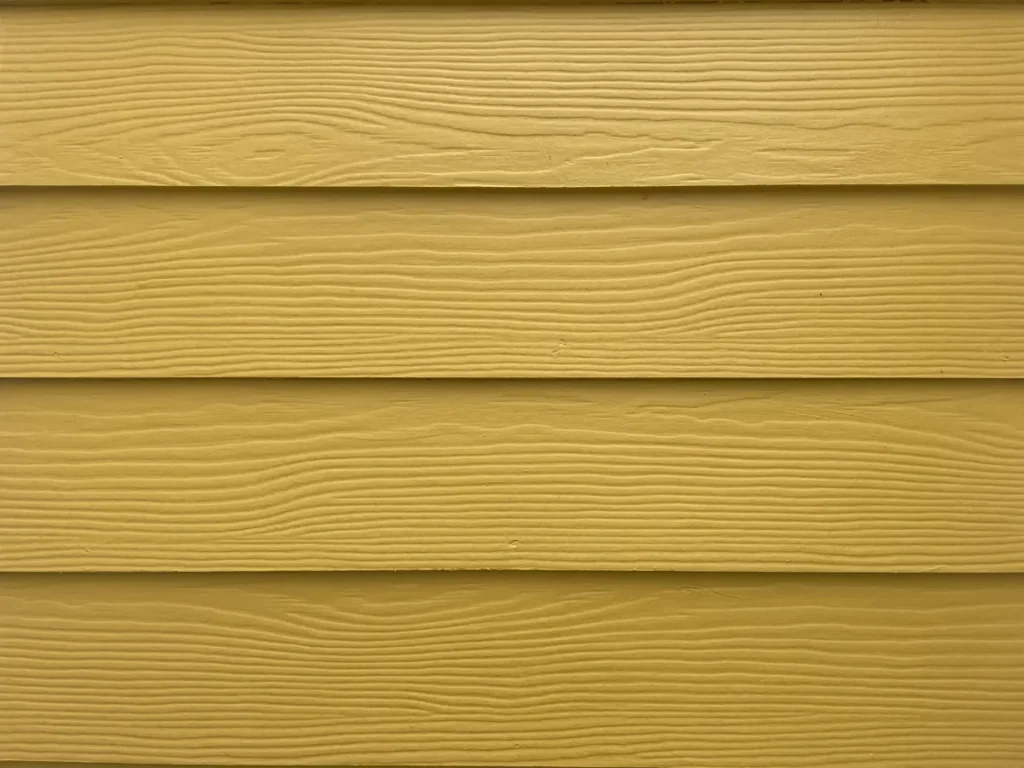
t1 siding beautiful surface of yelllow wooden wall for backg

Value &Amp; ROI (General Guidance) For Siding Vs DIY Elk

Siding can improve curb appeal and, more importantly, protect the structure behind the wall. Return on investment depends on the home, the neighborhood, and the material you choose, so treat ROI as general guidance—not a guarantee.

Where Siding Tends To Add The Most Value

  • Fixing known water damage or soft areas before they spread.
  • Consistent trim lines and clean corners that look “finished.”
  • A material and color that fits the home style.
  • Upgrading the WRB and flashing so the wall stays dry.
  • Improving comfort with continuous insulation (a layer that reduces drafts and temperature swings) when the wall is open.
  • Keeping product information and permit records when applicable.

Cost Drivers That Move The Price Up Or Down

  • Total wall area and number of stories.
  • Tear-off and disposal of existing siding.
  • Hidden rot repairs and sheathing replacement.
  • Number of windows, doors, corners, and trim transitions.
  • Material choice and trim system.
  • Extra exterior repairs discovered after removal.
  • Permit needs and inspection scheduling, if required.

Timeline And Expectations

Most timelines depend on three things: material lead time, access, and what you find once the old siding comes off. Homeowners comparing siding vs diy elk often get surprised by hidden wall repairs, so a written scope helps you avoid delays and keeps decisions moving.

How A Siding Job Typically Runs In Elk Grove

  1. On-site evaluation and measurements, including moisture and rot checks.
  2. Material and trim selection, plus color planning.
  3. Detailed proposal that lists what gets removed, replaced, and protected.
  4. Scheduling and ordering materials.
  5. Permit check and submittal if the scope requires it.
  6. Site protection, tear-off, and wall prep (repairs, WRB, flashing).
  7. Installation, then punch list (a short list of small fixes found during the final check) and cleanup.
  8. If permitted, inspection scheduling and closeout paperwork.

Permits And Inspections In Elk Grove

Some siding scopes require a building permit, especially if you change sheathing, structural elements, or exterior openings. For many minor permits and inspection scheduling, the City of Elk Grove typically uses an online eTRAKiT portal. Requirements can vary by address and scope, so it’s smart to confirm early.

If permits apply, clarify who will prepare plans, submit documents, pay fees, and coordinate inspections. Getting that in writing prevents delays near the end of the job.

Working Around Tight Side Yards And Small Lots

Access can be the biggest hidden challenge. A narrow side yard or limited driveway space changes how crews stage materials and keep your home usable.

  • Decide where materials will be stored so walkways stay clear.
  • Plan a safe path for trash and old siding removal.
  • Protect AC units, plants, and hardscape before demolition starts.
  • Keep at least one entry door accessible at all times.
  • Coordinate parking so deliveries and equipment can get in and out.
  • Let neighbors know about short periods of noise and debris hauling.

Budget Ranges & Timeline (Typical)

  • Small repairs: lowest-cost scope; often 1–2 days of onsite work once scheduled.
  • One-wall replacement: mid-range; commonly several days, depending on trim and matching.
  • Full replacement: highest budget range; often 1–3 weeks of onsite work, plus material ordering.
  • Rot repairs, trim changes, and permit review can extend both timeline and cost.

If you want a clear scope and a price before you start buying material, call +1 (916) 234-6696 for a quick consult.

t1 siding aged metal texture

Book A Free Estimate In Elk Grove

US Construction & Remodeling Corp. helps Elk Grove homeowners compare DIY and professional siding work with a clear scope, solid materials guidance, and build-phase checkpoints. If you’re weighing siding vs diy elk, we’ll point out the leak risks, the safety concerns, and the options that fit your home.

Request a free estimate online, or call +1 (916) 234-6696 to talk it through and set a time.

Trust Checklist Before You Sign Anything

Use this to compare contractors and protect yourself on any siding project.

  • License and insurance: Ask for current documentation and verify it before work starts.
  • Permits: Confirm whether your scope needs a permit and who will handle submittals and inspections.
  • Scope clarity: The proposal should list tear-off, wall repairs, WRB, flashing, trim, and cleanup.
  • Communication: Set expectations for start dates, daily access, and how changes get approved in writing.
  • Workmanship checks: Ask how the crew confirms level lines, sealed penetrations, and clean trim transitions.
  • Closeout: Get a final punch list and sign-off when the site is clean and complete.

Explore More Home-Improvement Guidance

For more planning articles and to learn about our remodeling services, visit our website.

Helpful Links

Frequently Asked Questions

It depends on the scope. A like-for-like repair on a small area may not need a permit, while bigger changes—like replacing sheathing, changing exterior openings, or structural repairs—often do.

Elk Grove commonly handles many minor permits and inspection scheduling through an eTRAKiT online portal. The safest move is to confirm requirements for your address and scope before work starts.

The riskiest parts are where water can get behind the siding and where access is unsafe. DIY can be fine for a small patch, but these areas deserve extra caution:

  • Windows and doors (flashing and trim integration)
  • Corners and horizontal joints
  • Roof-to-wall intersections
  • Penetrations for vents, faucets, and wiring
  • Two-story walls or steep grades where ladders get unstable

If you’re not sure, start by getting a professional assessment of the wall condition behind the siding.

Both can be low maintenance when installed correctly. Vinyl usually needs simple washing and occasional checks at seams and trim. Fiber cement typically needs paint maintenance over time, plus sealed cut edges and proper clearances so it doesn’t stay damp.

If your priority is minimal repainting, vinyl often fits. If your priority is a more solid look with crisp trim, fiber cement can be a good choice—just plan for paint and touch-ups.

Most jobs fall into a few buckets. Small repairs can take a day or two. A wall or two can take several days. Full replacement often takes one to three weeks of onsite work, depending on height, trim detail, and repairs found after tear-off.

Permits, material lead time, and hidden rot repairs can add days or weeks, so a site visit and written scope matter.

Cost usually comes down to scope and wall condition. The biggest drivers include:

  • Total wall area and number of stories
  • Material choice and trim system
  • Tear-off and disposal of existing siding
  • Repairs to sheathing, framing, or water-damaged areas
  • Complex details around windows, doors, and corners
  • Permit and inspection requirements, if applicable

An on-site estimate is the only reliable way to price your home, because hidden repairs can’t be confirmed from photos alone.

Ask questions that confirm the details—not just the price.

  • How will you manage the WRB and flashing at windows, doors, and penetrations?
  • What wall repairs are included, and how will you handle hidden damage?
  • Who handles permits and inspection scheduling if they’re required?
  • What is the cleanup plan for debris and old materials?
  • Will I receive a written scope and a final punch list?

Good answers sound specific. Vague promises usually lead to change orders and delays.

Licensed, insured & trusted local contractor

US Construction & Remodeling Corp.
9821 Business Park Dr, Sacramento, CA, 95827
Phone: +1 (916) 234-6696

CSLB License #: 1117562 Fully licensed and insured.

View our Google Business Profile

Leave a comment

This website uses cookies to improve your web experience.
Explore
Drag