
Skip links

Roofing Timeline In Novato

If you're trying to map out a roofing timeline novato homeowners can actually plan around, focus on the decisions that cause delays: scope, material selection, and how surprises get handled once the old roof comes off.

Quick checklist:

  • Confirm the scope: repair, partial replacement, or a full reroof.
  • Pick a material system and verify underlayment, flashing, and ventilation details.
  • Clarify tear-off vs overlay and what happens if decking damage is found.
  • Compare 2–3 itemized bids (materials, disposal, permits, warranty).
  • Schedule around weather and confirm daily cleanup and protection.
  • Do a final walkthrough: flashing, vents, and warranty documentation.

Request a written estimate so you can compare scope and schedule line by line. Have your address, a few roof photos, and any leak notes ready. Call +1 (916) 234-6696 or reach us through our website.

TL;DR: The on-site tear-off and install phase often takes 1–3 working days for an average home. The full calendar timeline can run 2–6+ weeks once you include estimating, ordering, and any permits/inspections. Lock your scope early and keep change orders in writing to protect the schedule.

  • Book an on-site roof inspection (not photos only).
  • Confirm full tear-off vs adding a new layer (overlay).
  • Choose material and color early, and ask about lead time.
  • Clarify who pulls permits and schedules inspections if required.
  • Get a day-by-day work plan plus a cleanup plan.
  • Agree on change-order pricing and a final payment checklist.

How To Hire For Roofing Timeline In Novato (Without Guesswork) For Roofing Timeline Novato

Decision Why it matters Quick check 
Material system Affects lifespan, cost, and appearance. Confirm shingle/tile type, underlayment, and warranty. 
Flashing & penetrations Most leaks start at edges and penetrations. Specify flashing at chimneys, vents, and valleys. 
Ventilation Controls heat/moisture and protects decking. Confirm intake/exhaust balance and vent types. 
Tear-off & decking Hidden damage can change cost and timeline. Include an allowance and photo documentation. 

A roofing schedule holds up when the contractor builds it from a real inspection, not a quick guess. In addition, Photos help, but they can miss multiple layers, soft wood, and details that take time to rebuild.

If you want a roofing timeline novato plan you can rely on, ask the contractor to explain what could change after tear-off. Also, Tear-off means removing the old roofing down to the roof deck (the plywood/OSB base that the new roof attaches to).

What Affects The Schedule Most

  • Layers and tear-off: More layers usually means more labor and more debris handling.
  • Deck repairs: If the crew finds rotted or delaminated decking, also they replace it before they install new materials.
  • Roof complexity: Valleys, steep slopes, skylights, and chimneys add detailing time.
  • Flashing scope: Flashing is sheet metal that seals transitions (like around chimneys and wall lines). As a result, Replacing it takes time but helps prevent leaks.
  • Underlayment choice: Underlayment is the water-resistant layer under shingles. Additionally, Higher-performance systems can require more steps.
  • Permit and inspection steps: Some reroofs need permits, and inspection scheduling can add calendar time.
  • Weather window: Rain and high winds can pause work for safety and water protection.

Accessibility And Household Safety During Roofing

Roofing work is noisy and can disrupt normal routines. Meanwhile, A little planning keeps your home safer, especially for kids, pets, and anyone with mobility needs.

  • Ask where the dumpster or debris bin will go, and keep a clear path to at least one entry door.
  • Confirm how the crew will protect plants, walkways, and outdoor furniture near the house.
  • Plan for noise and vibration. For example, If someone works nights or uses medical equipment that needs quiet, discuss work hours up front.
  • Keep pets inside or in a safe area. Overall, Loose nails and debris can show up during tear-off.
  • Ask if the crew will do a magnetic nail sweep daily and again at the end.

Questions To Ask When Interviewing Roofers

  • How many on-site workdays do you expect for my roof, and what could add time?
  • Who is the day-to-day lead I’ll speak with during the job?
  • What is included for decking repairs (price per sheet or per linear foot), and how do you document it?
  • What underlayment system are you proposing, and why?
  • What flashings will you replace, and which areas will you rework (chimney, walls, vents)?
  • How will you handle ventilation (ridge vent, attic intake, or existing configuration)?
  • If the job needs a permit in Novato, who pulls it and who schedules inspections?
  • How do you handle change orders (written approval, pricing, and schedule impact)?
  • What does cleanup include each day and at the end of the project?

Bid Comparison Checklist (Apples-To-Apples)

Two bids can look similar and still cover different work. For this reason, Compare the scope line-by-line so the “cheaper” bid doesn’t turn into a longer, more expensive project.

Bid Checklist Items To See In Writing

  • Tear-off plan: Full removal vs overlay, plus disposal method.
  • Decking allowance: How repairs are priced if needed (unit pricing is clearer than “TBD”).
  • Underlayment: Type and installation method (this is the protective layer under the roofing).
  • Flashing: Which flashings get replaced vs reused (flashing is the metal waterproofing at joints).
  • Valleys and penetrations: How valleys, vents, and pipe boots get sealed.
  • Ventilation approach: What changes, if any, are included and why.
  • Protection plan: Landscaping, driveway, and siding protection during tear-off.
  • Work plan: Estimated on-site days, crew size, and typical working hours.
  • Cleanup: Daily cleanup, nail sweeps, and final debris removal.
  • Warranty paperwork: What documents you receive at closeout (manufacturer and workmanship terms, if provided).

Common Bid Gaps That Create Delays

  • Deck repairs listed as “as needed” with no unit pricing or documentation plan.
  • Flashing described vaguely (or not mentioned), leading to mid-job scope changes.
  • No clear plan for ventilation details or penetrations, which often require extra labor.
  • No schedule language (start window, on-site days), leaving you without expectations.

Hypothetical example: Bid A includes replacing pipe boots and rebuilding chimney flashing. Additionally, Bid B says “reuse existing.” If those parts fail inspection or show damage after tear-off, Bid B can turn into a change order and a longer timeline.
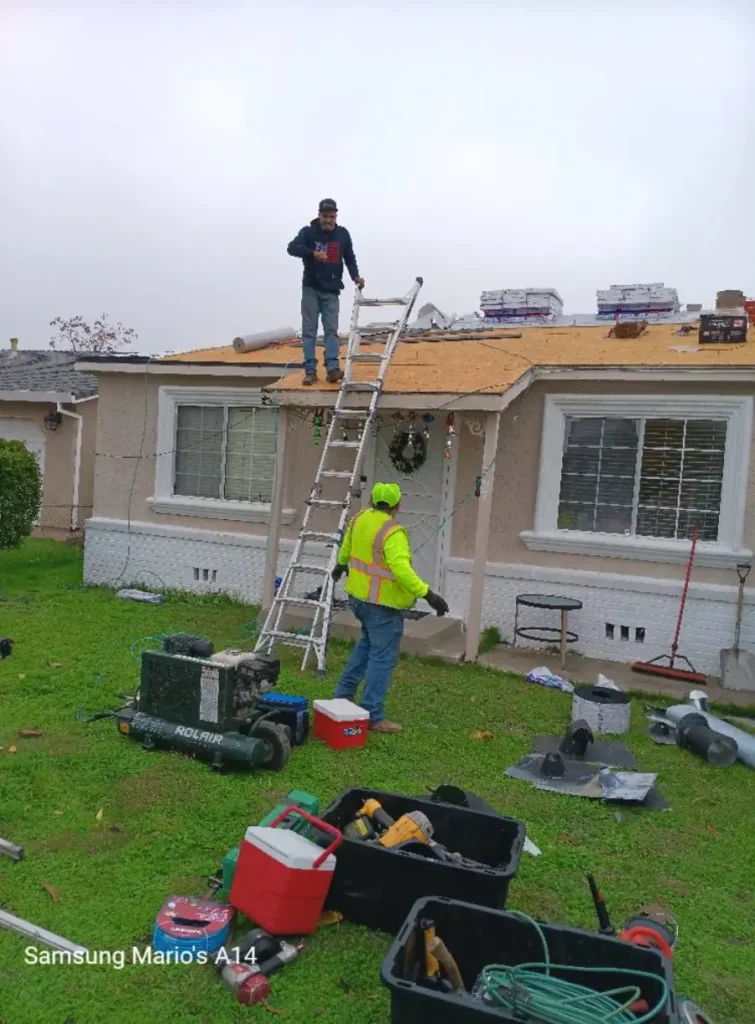
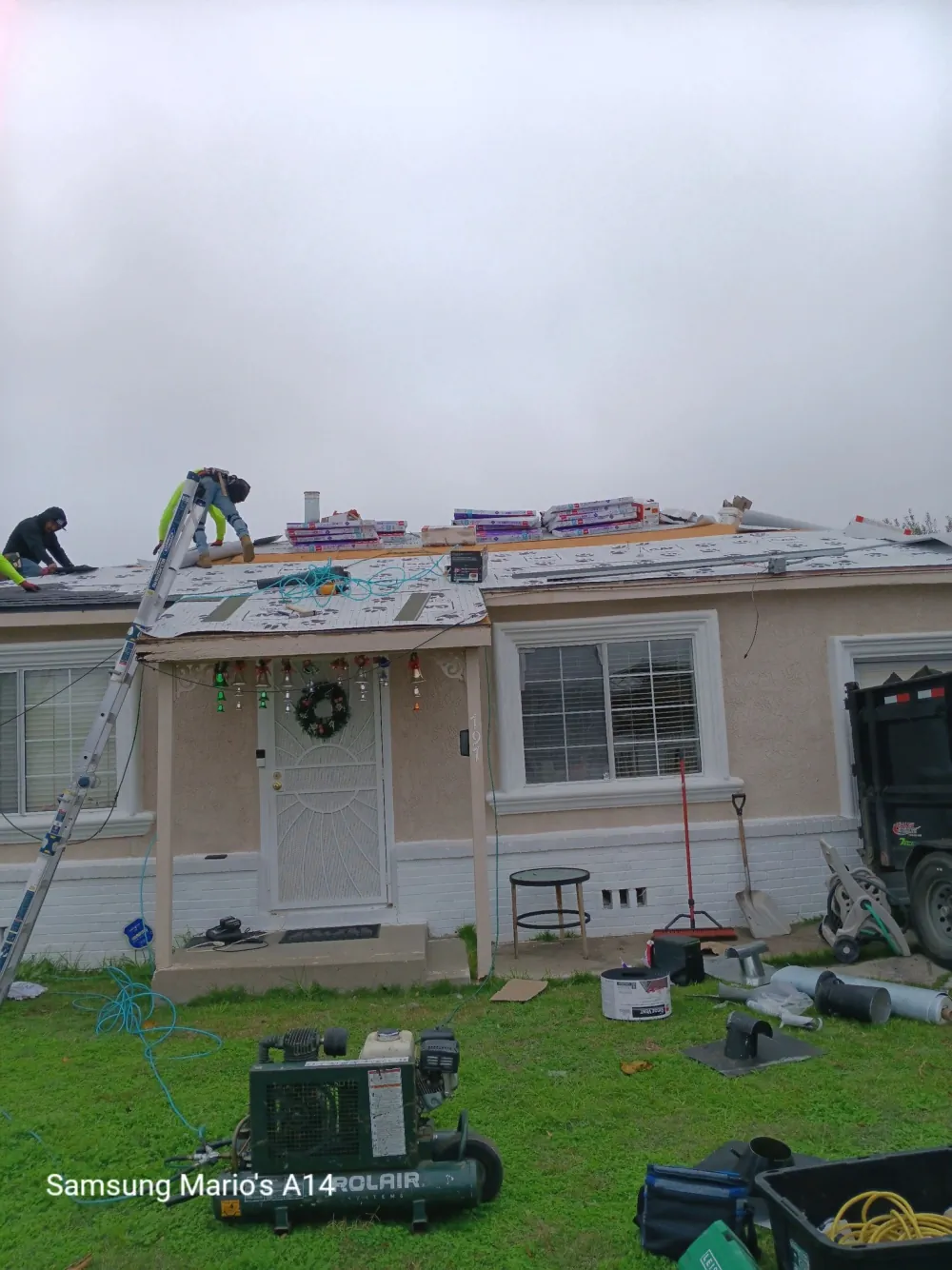
full roof replacement in ca solar panel removal reinstall mario

Contract Basics (Payment Schedule, Scope) For Roofing Timeline Novato

The contract is where the schedule becomes real. Meanwhile, If the scope is vague, the timeline will be vague too.

Scope Items That Should Be Spelled Out

  • Exact roofing material and color, plus any accessory components required for that system.
  • Tear-off details (how many layers, where debris goes, daily cleanup expectations).
  • How decking repairs get identified, priced, and approved.
  • Underlayment and flashing details (underlayment is the protective layer; flashing is the metal waterproofing at joints).
  • Ventilation plan, including what stays and what changes.
  • Closeout items: final cleanup, photos (if offered), and any warranty documentation.

Payment Schedule That Matches Progress

A fair payment schedule tracks completed work. Additionally, Avoid paying the full amount up front. Ask for a schedule tied to clear milestones and written documentation.

  • Deposit at signing (follow California’s home improvement contract rules).
  • Progress payment when materials are delivered or when a defined phase is complete.
  • Final payment only after cleanup, walkthrough, and any required inspection sign-off.

Timeline Planning And Change Orders

To keep your plan realistic, separate the calendar timeline from the on-roof timeline. As a result, The on-roof work might take a few days, while ordering, permitting, and inspection scheduling can stretch the calendar.

Typical Project Phases (With Ranges)

  • Inspection + estimate: Schedule the visit, then expect a written proposal after the contractor measures and documents scope.
  • Selections + ordering: Material type and color can change lead time. For example, Confirm what is stocked versus special order.
  • Permit/inspection (if required): In Novato, many residential permits run through the city’s Novato Permits online portal (MaintStar). In addition, Timeline varies by scope and city processing.
  • Installation: Tear-off, deck repairs if needed, underlayment, flashing, roofing installation, and cleanup.
  • Inspection + closeout: If an inspection applies, scheduling and corrections (if any) add calendar time. Overall, Closeout should include cleanup and final documentation.
Decision / driverWhy it mattersPossible schedule impact
Material type and colorSome products or colors require special orderingDays to weeks
Hidden deck damageRepairs must happen before new roofing goes onHours to days
Permit/inspection requirementPlan review and inspection scheduling are calendar-basedDays to weeks
Access and stagingTight access can slow tear-off, loading, and cleanupHours to days

How Change Orders Should Work

A change order is a written agreement that adjusts the scope, price, and schedule after work starts. As a result, It’s normal for roofing to uncover surprises, but the paperwork should stay clear.

  • Document the issue with photos and a short written description.
  • Price the work in writing and state the schedule impact (even if it’s a range).
  • Get homeowner approval before the crew proceeds with added work.
  • Track each change so the final invoice matches the approved scope.
full roof replacement in ca solar panel removal reinstall mario

Quality Checks Before Final Payment

Don’t rush the last check. For example, A clean closeout protects your home and helps prevent small issues from becoming leaks later.

Exterior Quality Checklist

  • Shingles or roofing material lines look straight, and caps sit tight at ridges and hips.
  • Penetrations (pipes and vents) are sealed and finished cleanly with the right boots and flashings.
  • Flashing transitions look neat and continuous (chimney, walls, and any roof-to-wall intersections).
  • No exposed fasteners where the system shouldn’t have them.
  • Work areas are clean, with debris removed from valleys and roof surfaces.

Site Cleanup Checks

  • Magnetic nail sweep completed around the home, driveway, and planting areas.
  • All tear-off debris removed, including small scraps that collect near fences and shrubs.
  • Property protection materials removed, with no damage to siding, windows, or outdoor fixtures.

Maintenance Tips To Protect Your New Roof

Most roof problems start small. For this reason, Simple maintenance helps you catch issues early without climbing on the roof.

  • Inspect from the ground a couple of times a year and after major storms.
  • Keep tree branches trimmed back so they don’t scrape the roof surface.
  • Watch for lifted edges, missing pieces, or debris buildup in valleys.
  • Avoid pressure washing roofing materials unless the manufacturer specifically allows it.
  • If you need repairs, hire a qualified pro rather than walking the roof yourself.

Local Note For Novato Homeowners

If your roofing scope requires a permit, ask the contractor who will pull it and who will book inspections. For this reason, Novato commonly routes permit activity through the Novato Permits online portal (MaintStar), but the exact steps depend on your address and scope.

US Construction & Remodeling Corp. works with homeowners in Novato on roofing projects. To get a written estimate, call +1 (916) 234-6696. If you want faster pricing, have your address, roof photos (front and back slopes), and any known leak locations ready.

Helpful Links

Frequently Asked Questions

Most homeowners should think in two parts: on-site workdays and the full calendar timeline. The crew might complete tear-off and installation in a few working days, but your calendar timeline also includes estimating, ordering materials, and any required permits or inspections.

  • On-site work: Often 1–3 working days for a straightforward replacement, depending on roof size and complexity.
  • Calendar timeline: Commonly 2–6+ weeks from “ready to hire” to closeout, especially if materials need ordering or the job needs permit/inspection steps.

If you’re trying to lock down a roofing timeline novato plan, get the contractor to list the phases they control (crew scheduling, install days) versus phases that depend on third parties (material lead time, permit processing, inspection availability).

Permit needs depend on the scope of work. Some repairs may not require a permit, while many full reroofs do. The safest approach is to ask the contractor to confirm permit responsibility in writing and to verify requirements with the city for your specific address.

In Novato, many residential permit tasks run through the city’s Novato Permits online portal (MaintStar). If a permit applies, also ask who schedules inspections and what happens if the inspector requires a correction.

Roof pricing isn’t just about square footage. The details that affect labor, materials, and risk tend to drive the price.

  • Material type: Asphalt shingles, metal, and tile have different material costs and installation time.
  • Layers and tear-off: More layers mean more labor and disposal.
  • Deck condition: Decking (the wood base) repairs add both time and cost.
  • Complexity: Valleys, steep pitch, skylights, and chimneys add detailing work.
  • Flashing and waterproofing: Rebuilding flashing and using higher-performance underlayment systems can increase cost but may reduce leak risk.
  • Access: Tight driveways or limited staging space can slow loading and cleanup.

The best way to get accurate pricing is a roof walk and a written estimate that itemizes the scope.

Start by making sure every bidder is quoting the same scope. If one bid includes key waterproofing details and another doesn’t, the numbers won’t compare.

  • Confirm tear-off versus overlay, and disposal method.
  • Compare underlayment and flashing scope (both are core leak-prevention elements).
  • Look for unit pricing on decking repairs, not vague “as needed” language.
  • Check the ventilation plan and how penetrations get sealed.
  • Verify cleanup steps, including nail sweeps and debris removal.
  • Make sure the bid includes an estimated on-site duration and a start window.

If something is unclear, ask for a revised written bid before you sign. That reduces change orders and schedule disputes.

A solid contract removes ambiguity. It should match what you were promised in the estimate and spell out how changes get handled.

  • Scope: Materials, tear-off plan, underlayment, flashing, ventilation, and cleanup.
  • Schedule language: Start window, estimated on-site days, and what counts as a delay.
  • Change orders: Written approval, pricing method, and schedule impact.
  • Payment schedule: Milestones tied to progress, with final payment after closeout.
  • Permits/inspections: Who is responsible if they apply to your scope.

California has rules for home improvement contracts, deposits, and disclosures. Ask your contractor to follow them and keep everything in writing.

Change orders usually happen when tear-off reveals hidden conditions, like damaged decking or flashing that can’t be reused safely. They can also happen when homeowners change materials mid-stream.

  • Budget impact: Added labor and materials should be priced in writing before the work proceeds.
  • Timeline impact: Some changes add hours, while others add days or more if they require new materials or an additional inspection.
  • Decision time: Delays often happen when the crew is waiting for approval. A clear process keeps the job moving.

Ask for photo documentation, a written price, and a stated schedule impact for every change order. That keeps the plan honest.

Final payment should follow a basic checklist. You’re confirming workmanship, cleanup, and any required paperwork.

  • Roof surface looks consistent, with clean detailing at ridges, hips, and penetrations.
  • Flashing looks continuous at chimneys and wall lines, without gaps.
  • Property is clean: debris removed, nail sweep done, staging areas restored.
  • Any permit/inspection requirements are completed or scheduled with clear next dates (if applicable).
  • You receive closeout documentation promised in the contract (warranty info, final invoice, photos if offered).

If you’re unsure about a detail, request a walkthrough and get corrections documented before you release the final payment.

Licensed, insured & trusted local contractor

US Construction & Remodeling Corp.
4424 Freeport Blvd, Sacramento, CA, 95822
Phone: +1 (916) 234-6696

CSLB License #: 1117562 Fully licensed and insured.

View our Google Business Profile

Start with the pillar guide

For a complete overview (scope, timeline, and planning tips), see our main page: Roof Repair & Roof Replacement in Sacramento, CA.

Leave a comment

This website uses cookies to improve your web experience.
Explore
Drag