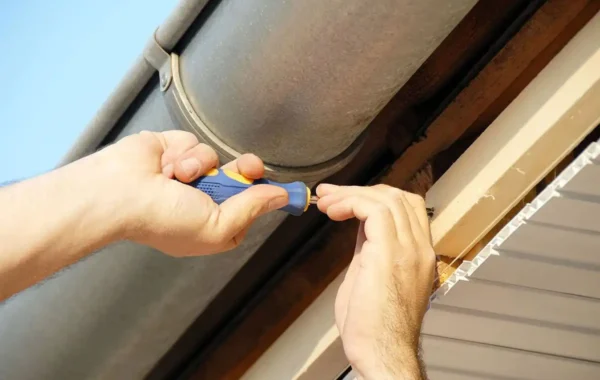
Gutters vs DIY in El Dorado Hills: A Practical Roadmap
Gutters look simple, but water management is unforgiving. If you're weighing a weekend install against hiring a crew, this gutters vs diy el guide for El Dorado Hills breaks down what actually changes: time on ladders, fit at corners, and where the water ends up.
Quick checklist:
- Decide the scope: cleaning, repair, guards, or full replacement.
- Confirm gutter size/material and how many downspouts you need for runoff.
- Plan downspout discharge and drainage so water moves away from walls, stairs, and the foundation.
- Ask whether fascia/rot repair is included and how corners/seams will be sealed.
- Compare 2–3 itemized quotes (linear feet, downspouts, guards, disposal, warranty).
- Schedule around weather and run a hose test at the final walkthrough.
US Construction & Remodeling Corp. works with homeowners on gutter replacements and upgrades with clear options and a clear schedule.
TL;DR: DIY can make sense on a straightforward, single-story run when you can work safely and measure carefully. Pro installation often saves headaches on two-story homes, complex rooflines, or any job that needs fascia repair. The best results come from planning downspouts so water exits away from the foundation.
- Walk the roof edge and note leaks, seams, and staining.
- Count corners and roof valleys (where two roof planes meet and concentrate water).
- Check the fascia (the board at the roof edge) for soft spots or peeling paint.
- Decide where each downspout should discharge so water does not pool near the home.
- Pick a material and color that fits the trim and the look you want.
- Plan safe access: ladder placement, a helper, and a good weather window.
What Changes The Experience The Most (Gutters Vs DIY El)
| Decision | Why it matters | Quick check |
|---|---|---|
| Gutter size (5-inch vs 6-inch) | Capacity affects overflow risk during heavy rain. | Ask the installer to size based on roof area and runoff. |
| Downspout locations | Where water lands affects erosion and slip hazards. | Map discharge points and confirm extensions/splash blocks. |
| Guards/screens | Reduces clogs but still needs maintenance. | Choose based on debris type and confirm cleaning access. |
| Fascia condition | Weak/rotted fascia causes sagging and leaks. | Inspect before install; include repair allowance in scope. |
Gutters do one simple job: collect roof water and send it to a controlled exit. Meanwhile, The experience changes fast when you add height, corners, and hidden wood damage. DIY tends to feel manageable on a single-story, straight run. It gets risky when you need long ladders, custom corners, or repairs to the fascia (the board at the roof edge that gutters attach to).
DIY Vs Professional Installation: The Real Tradeoffs
- Safety: Working at the roof edge is a fall hazard. As a result, If you cannot set ladders confidently, do not force it.
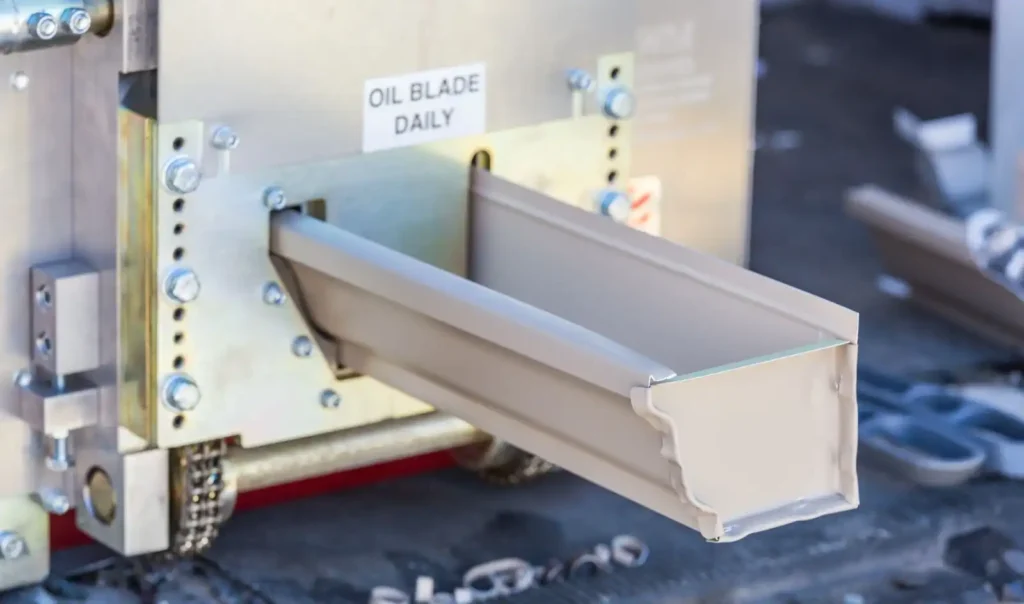
- Tools: Clean results often need specialized tools (proper hangers, also snips, sealants, and sometimes on-site forming for seamless runs).
- Accuracy: Gutters need consistent pitch (a slight slope toward the downspout) so they drain instead of holding standing water.
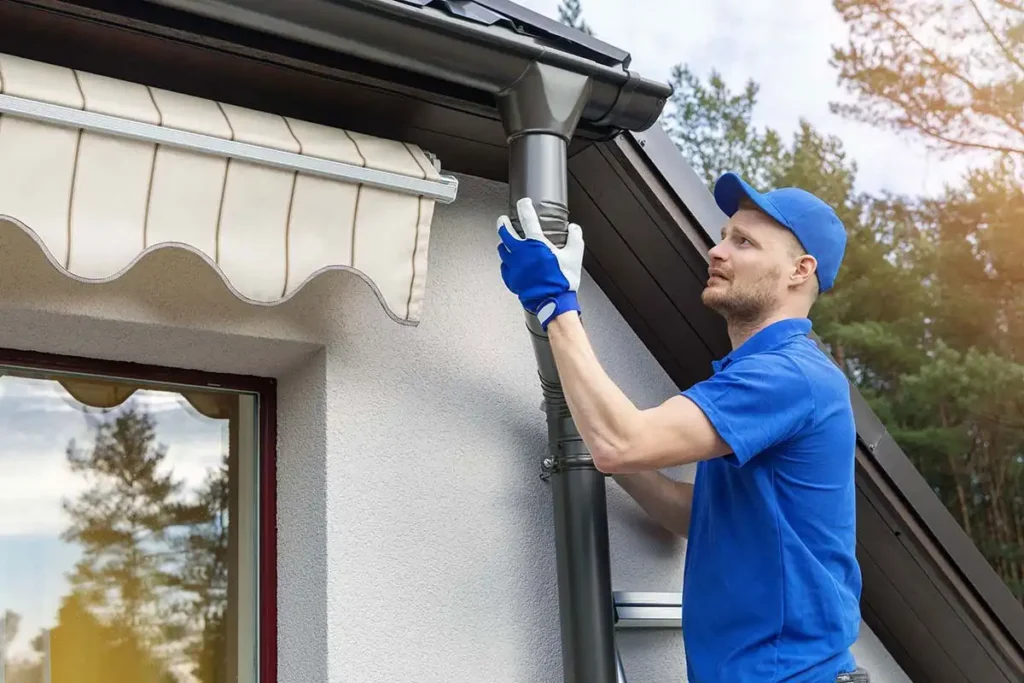
- Water exit plan: Downspouts (the vertical pipes) must discharge where water will not wash out soil or soak the foundation.
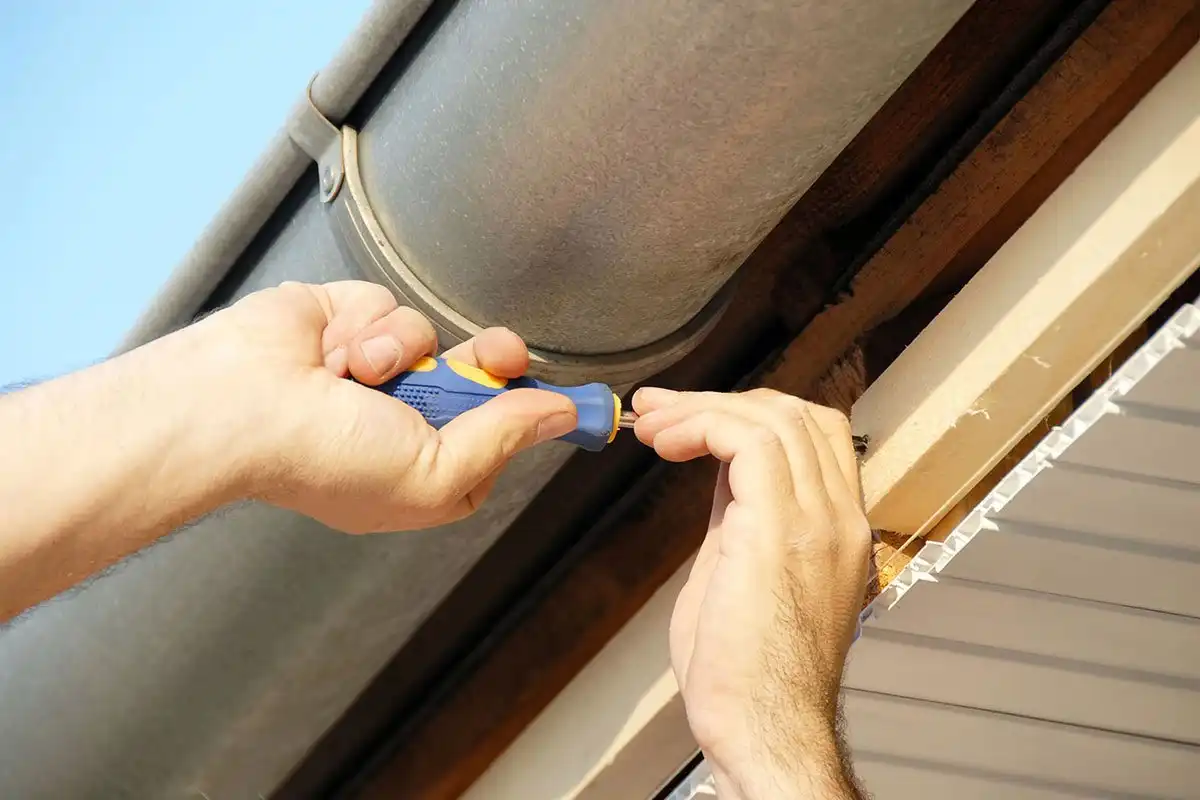
- Hidden repairs: If the fascia is soft, gutters will not hold well until you fix the wood.
- Finish: Pros usually deliver straighter lines, tighter corners, and cleaner cleanup.
Plan, Permit Check, Install, Closeout
- Planning: Measure each run, count corners, and note roof valleys (where two roof planes meet and concentrate water). Additionally, Decide how many downspouts you need and where they should drain.
- Permit check (if needed): Simple replacement often stays straightforward, but any structural repair or changes to drainage may require approval. In addition, Check requirements for your address before work starts.
- Build day: Remove old gutters, repair any damaged wood at the edge, then install new gutters, hangers, corners, and downspouts.
- Water test: Run water from a hose and watch for leaks, overflow at corners, and slow drainage.
- Closeout: Confirm discharge points, review maintenance, and haul away debris.
What To Prioritize
Most buyers will not admire gutters, but they will notice water stains, peeling paint, and erosion. For this reason, The best return comes from preventing those problems and keeping the exterior looking cared for.
- Prioritize straight, even lines and a color that blends with trim.
- Make sure downspouts move water away from the home's edge and walkways.
- Fix fascia damage so the install stays secure.
- Consider guards if nearby trees drop debris onto the roof.
Hypothetical Before/After Snapshot
Hypothetical example: Before, a homeowner sees water spilling over one corner during storms and staining the siding. Overall, After a replacement with corrected pitch and a better downspout route, the corner stays dry and water exits where it can drain safely.
Layout And Function Improvements
Layout for gutters means where each run starts and ends, where corners sit, and how downspouts travel down the wall. Also, A good layout keeps water moving, avoids surprise drips over doors, and reduces cleaning.
Planning The Gutter And Downspout Layout
- Walk the perimeter and mark the spots where water concentrates, especially under roof valleys.
- Avoid placing downspouts where they dump water onto stairs, entry paths, or tight patios.
- Keep downspouts practical for cleaning. Hard-to-reach elbows clog faster.
- Plan for long runs. For example, The longer the run, the more important consistent pitch becomes.
- Look at existing drains and grading. For example, Gutters cannot fix yard drainage by themselves, but they can stop roof water from making it worse.
Downspouts When Space Is Tight
Some homes have narrow side yards or short setbacks. Also, In those situations, downspout placement matters as much as the gutter itself.
- Use compact routing to keep the downspout tight to the wall and out of the way.
- When a walkway is close, aim discharge toward a drain path instead of across the concrete.
- If you are considering tying into an underground drain, confirm the condition and capacity of that line before you connect anything.
Materials And Finish Options
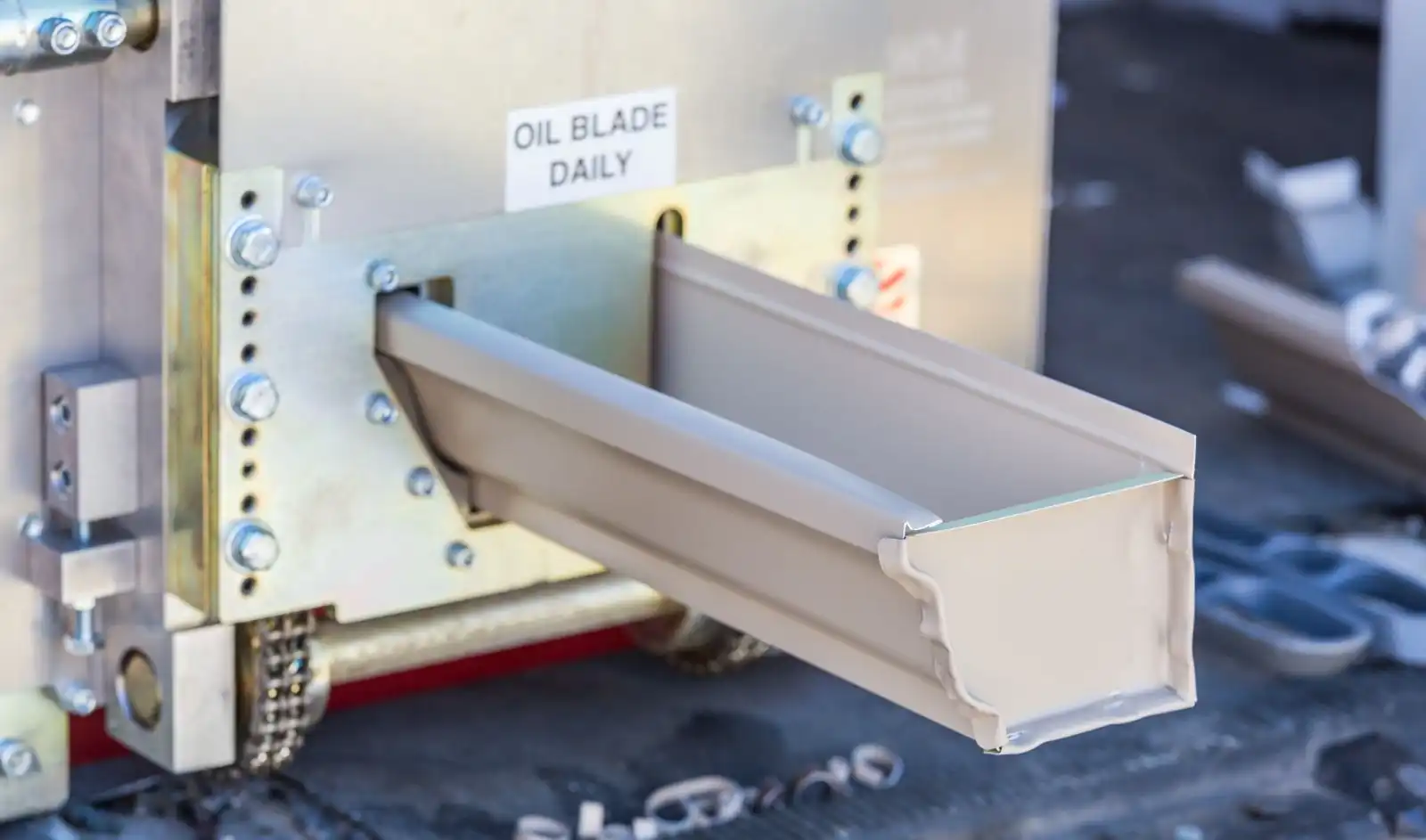
Material choice affects how the gutters look, how long they hold up, and how often you touch them. Also, A seamless gutter is made as one continuous run on-site, which reduces joints where leaks can start.
Picking What Fits Your Home
- Seamless aluminum: A common choice. As a result, It is lightweight, resists rust, and comes in many colors.
- Steel: Strong and stiff. Also, It can last a long time, but scratches can lead to rust if they go untreated.
- Copper: Premium look. Additionally, It changes color over time (patina). It also costs more and usually makes sense when appearance is a priority.
- Vinyl/PVC: Often sold as sectional kits. As a result, It can work on short, simple runs, but seams and heat movement can create more maintenance.
Finish Details That Homeowners Notice
- Match the gutter color to trim for a clean edge, or match the roofline for a subtle look.
- Choose downspout shapes (round or rectangular) based on what fits the wall space and style.
- Ask how corners and end caps are sealed. Small details prevent drip marks.
Maintenance That Keeps Gutters Working
Even with guards, gutters still need checks. In addition, Leaves, roof grit, and small branches build up over time.
- Inspect and clean at least twice a year, and after heavy wind events.
- Flush the system with a hose to confirm water moves freely to each downspout.
- Look for sagging sections, loose hangers, or water lines on the fascia.
- Keep an eye on landscaping below discharge areas for erosion.
Cost Drivers + Timeline (Typical)
DIY often looks cheaper because you mainly see material cost. In addition, Professional quotes bundle labor, equipment, safe access, disposal, and the fix-what-you-find items like fascia repair. People searching gutters vs diy el usually need a clear list of what changes the price so they can compare apples to apples.
Key Cost Drivers To Compare
- Stories and access: Two-story work takes more setup time and safety equipment.
- Roof complexity: More corners and roof valleys usually mean more cutting, sealing, and labor.
- Linear footage: Total length drives materials and time.
- Downspout count and routing: More downspouts and more bends add labor and parts.
- Wood repair: Fascia repair or repainting changes both timeline and budget.
- Guards: Guard type and coverage area affect cost and future maintenance.
| Decision | Why it matters | DIY challenge | Pro install advantage |
|---|---|---|---|
| Two-story vs one-story | Changes safety and setup | Higher fall risk and harder ladder angles | Proper access gear and crew support |
| Complex corners and valleys | Concentrates water at joints | More cuts and more sealing points | Cleaner corners and leak control |
| Fascia condition | Gutters need solid fastening | Hidden rot can stop the job | Repairs handled before hanging gutters |
| Downspout path | Controls where water lands | Easy to aim water at problem areas | Routing plan that respects grading |
Budget & Timeline (Typical)
- Simple, single-story replacement: Usually a lower budget band; often completed in a day by a crew.
- Two-story or complex roofline: Typically a higher budget band; plan 1-2 days depending on access and detail work.
- If wood repair is necessary: Add time for carpentry and paint prep before the final install.
- If a permit or inspection applies: Add lead time for review and scheduling.
If you want a fast, accurate comparison, gather a few photos of each side of the house and any problem corners. Overall, A short planning call can usually confirm scope, materials, and timeline before anyone arrives on-site.

How To Prepare Your Home
US Construction & Remodeling Corp. Overall, helps El Dorado Hills homeowners compare DIY vs installation, confirm measurements, and map the downspout route before work starts. That planning step prevents surprises and keeps the timeline realistic.
Schedule a planning call to talk timing, material options, and the right next step for your home. If you'd rather talk by phone, call +1 (916) 234-6696.
Quick Prep Checklist Before Install Day
- Clear cars and storage away from the walls so ladders can set safely.
- Move patio furniture and potted plants out from under roof edges.
- Point out any soft or stained fascia areas so repairs can be planned early.
- Tell your installer where you want water to drain, especially near driveways and walkways.
- Keep pets indoors during removal and cleanup.
If You're Leaning DIY, Prep Like A Pro
- Work with a helper. Do not handle long sections alone on a ladder.
- Use ladder stabilizers and level ground. Stop if conditions feel unsafe.
- Plan your water test before you start sealing joints, so you can adjust pitch while it is easy.
Next Steps For El Dorado Hills
If you're on the fence, decide based on safety, roof complexity, and whether you expect hidden repairs. If gutters vs diy el is your search because you want the simplest answer, start there.
Permits And Scheduling
El Dorado Hills is typically unincorporated. Depending on the exact address and scope, permit questions often run through El Dorado County Building Division online services. Like-for-like gutter replacement may be simple, but any structural repair or drainage changes deserve a quick check before you start.
Trust Checklist Before You Sign
- Verify the contractor is properly licensed and insured for California. Ask for documentation and confirm it independently.
- Get a written scope that lists material type, colors, downspout count, and what happens if fascia repair is necessary.
- Clarify who handles permits if the project triggers one, and what inspections (if any) apply.
- Set communication expectations: who you contact, how schedule updates work, and what the cleanup includes.
- Verify workmanship on closeout: straight lines, tight corners, secure hangers, and a water test with you present.
Related Exterior Items Worth Bundling
Gutter work often overlaps with fascia board repair, trim paint touch-ups, and other exterior maintenance. If you're planning broader exterior improvements, start with a simple scope review of our home remodeling and exterior services so you can group work and reduce repeat setup.
Choose Your Next Step
- Want the fastest path to a schedule? Use the booking link to pick a planning call time.
- Prefer a quick Q&A? Call +1 (916) 234-6696 and ask about timeline and material options.
- Ready for numbers? Request a free estimate after the scope is clear.
Helpful Links
Frequently Asked Questions
It depends on scope and the exact address. Many like-for-like replacements stay simple, but structural wood repair or drainage changes can trigger permits. When in doubt, check El Dorado County guidance or ask your contractor to confirm requirements before work starts.
A straightforward, single-story replacement is often a same-day job for a crew. Two-story homes, complex corners, or fascia repair can push it to 1-2 days. DIY can take a full weekend or more because setup and water testing take time.
- Height and access (two-story work)
- Roof complexity (corners and valleys)
- Downspout count and routing
- Fascia repair and paint prep
- Guard type and coverage
- Removal and disposal of old gutters
Seamless gutters reduce joints, which reduces leak points. They also tend to look straighter because they are formed to the exact run. Sectional kits can work on short, simple areas, but every seam is a future maintenance point.
No. Guards can reduce buildup, but they do not eliminate maintenance. Plan on periodic checks and a flush test to make sure water still flows to each downspout.
- Are you properly licensed and insured for California?
- What material, color, and downspout count are included?
- What is the plan for pitch and where water will discharge?
- How do you handle fascia repair if you find damage?
- What does cleanup and disposal include?
- Will you do a water test and walk-through at closeout?
Licensed, insured & trusted local contractor
US Construction & Remodeling Corp.
9821 Business Park Dr, Sacramento, CA, 95827
Phone: +1 (916) 234-6696
CSLB License #: 1117562 Fully licensed and insured.