Skip links

House Siding Cost in California: Ranges & Timeline

Trying to pin down house siding cost can feel frustrating because pricing changes with materials, wall area, and what you uncover behind the existing cladding. This guide lays out realistic California ranges, the trade-offs that matter, and a typical timeline so you can plan before you invite a contractor out.

Quick checklist:

  • List the biggest cost drivers (square footage, material, wall prep/rot repair, trim, finish, and access).
  • Confirm moisture management details (housewrap, flashing, caulking) in writing.
  • Define the full scope (trim, soffit/fascia, paint, insulation upgrades).
  • Confirm access/safety plan and how landscaping/property will be protected.
  • Compare 2–3 itemized quotes and verify warranty coverage.
  • Check permit requirements if altering exterior walls or doing structural repairs.

TL;DR: Most full-home re-siding quotes come in as a per-square-foot price plus allowances for repairs. Material choice sets the baseline; access, trim complexity, and rot repairs often decide the final number. Want a written, itemized estimate? Request a written estimate online or call +1 (916) 234-6696.

  • Pick a target material (vinyl, fiber cement, engineered wood, metal)
  • Estimate how much siding you’re replacing (full house vs one side)
  • Flag access constraints (two-story, tight side yard, landscaping)
  • Budget a contingency for sheathing/rot repairs after tear-off
  • Decide on upgrades (housewrap, insulation, trim refresh)
  • Ask for an itemized scope that includes disposal and cleanup

Typical Ranges In Sacramento For House Siding Cost

Costs vary across California, yet Sacramento-area pricing can be a useful reference point for many homes with similar access and labor conditions. Also, Contractors typically quote an installed price per square foot, then adjust for height, detailing, and any repairs needed once the old siding comes off. Additionally, That’s why a quick online range helps you start a budget, but a site visit is what turns house siding cost into a firm, written number you can plan around.

Typical Installed Ranges By Material

  • Vinyl siding: about $8–$14 per sq ft installed for many homes
  • Engineered wood: about $10–$18 per sq ft installed, also depending on trim and finish
  • Fiber cement: about $12–$20 per sq ft installed; painting/finishing can add cost and time
  • Metal siding: about $12–$22 per sq ft installed, with price tied to panel profile and detailing

Hypothetical example (for planning only): If your home has roughly 1,800 sq ft of exterior wall surface being re-sided, a $12–$20 per sq ft installed range would translate to about $21,600–$36,000 before any major structural repairs. In addition, Smaller partial replacements can be more expensive per square foot because setup, trim matching, and mobilization stay similar.

Quick Sizing Check (So Your Budget Math Is Closer)

You don’t need perfect measurements to get in the ballpark, but you do need a method. For this reason, A simple approach is to estimate wall area as (perimeter × average wall height), subtract larger openings, then add a little for waste and trim coverage. In addition, Even better, share photos of each elevation; a contractor can often tighten the estimate range before the on-site measure.

Line-Item Cost Table (Installed)

The table below shows common line items and the timing impact of each. Additionally, Use it to compare bids and to spot where allowances should be clearly defined.

Line itemTypical rangeSchedule impact
Materials + trim pieces$3–$10 per sq ftOrdering can add ~1–3 weeks
Labor + access setup$4–$9 per sq ftDrives days on site; height adds time
Tear-off + disposal$1–$3 per sq ftUsually early in the job (1–2 days)
Permits + inspections$200–$1,500 (common range)Can add days to weeks before install
Contingency for repairs5%–15% of the projectUnknown until old siding comes off

Labor, Materials, And Scope

A solid estimate is more than a material price. For example, It should define what gets removed, what gets repaired if problems appear, and what gets installed to manage water and air at the walls. Meanwhile, When two quotes differ a lot, the gap usually comes from scope details, not just the siding brand.

Typical Cost Split (Ballpark)

  • Materials + trim: often ~35%–55% depending on product and detailing
  • Labor + access: often ~30%–45%, rising with height and complexity
  • Tear-off + disposal: often ~5%–10%, especially with multiple layers
  • Permits/inspections: often a smaller share, but they can affect start dates
  • Contingency/repairs: commonly ~5%–15% when older walls are involved

Scope Items That Change The Price

  • Full replacement vs partial replacement (and whether the new siding must match existing)
  • Trim strategy: reuse where possible, or replace for a cleaner finished look
  • Corner details, window/door detailing, and the number of penetrations (lights, vents, hose bibs)
  • Insulation or housewrap upgrades when walls are opened up
  • Painting/finishing needs (common with fiber cement and some engineered wood products)

Who This Is For

  • Homeowners dealing with cracking, warping, or repeated exterior paint failure
  • Homes with moisture staining around openings or soft spots near the lower walls
  • Owners who want lower maintenance and a refreshed exterior appearance
  • Anyone comparing materials and trying to balance upfront cost with long-term upkeep

To get a number you can actually use, ask for a written scope with line items and allowances. As a result, Request a written estimate or call +1 (916) 234-6696.
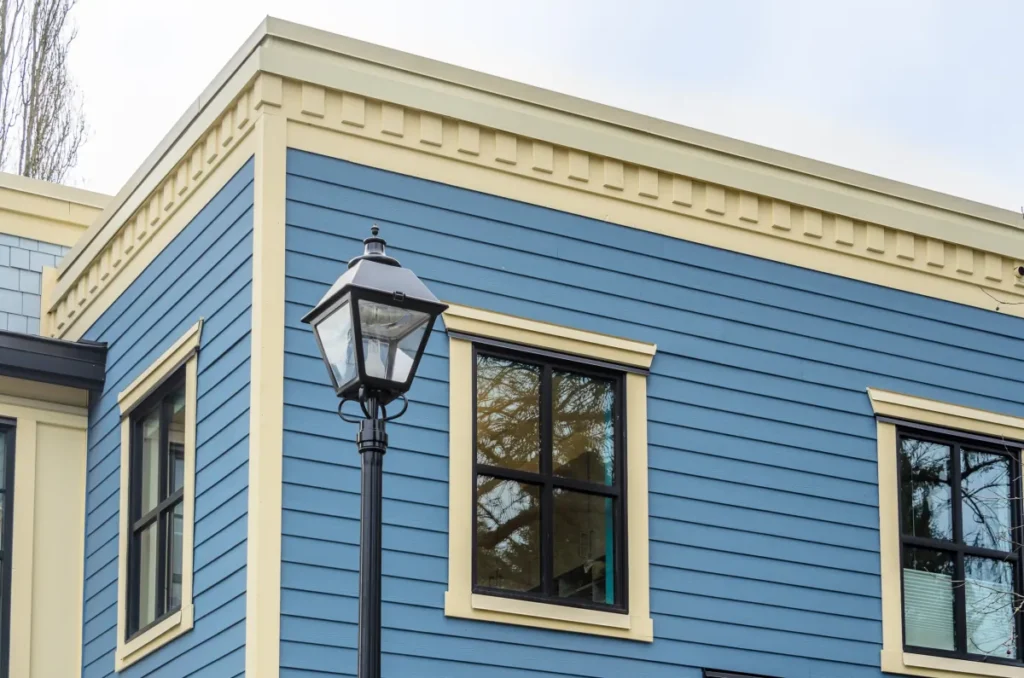
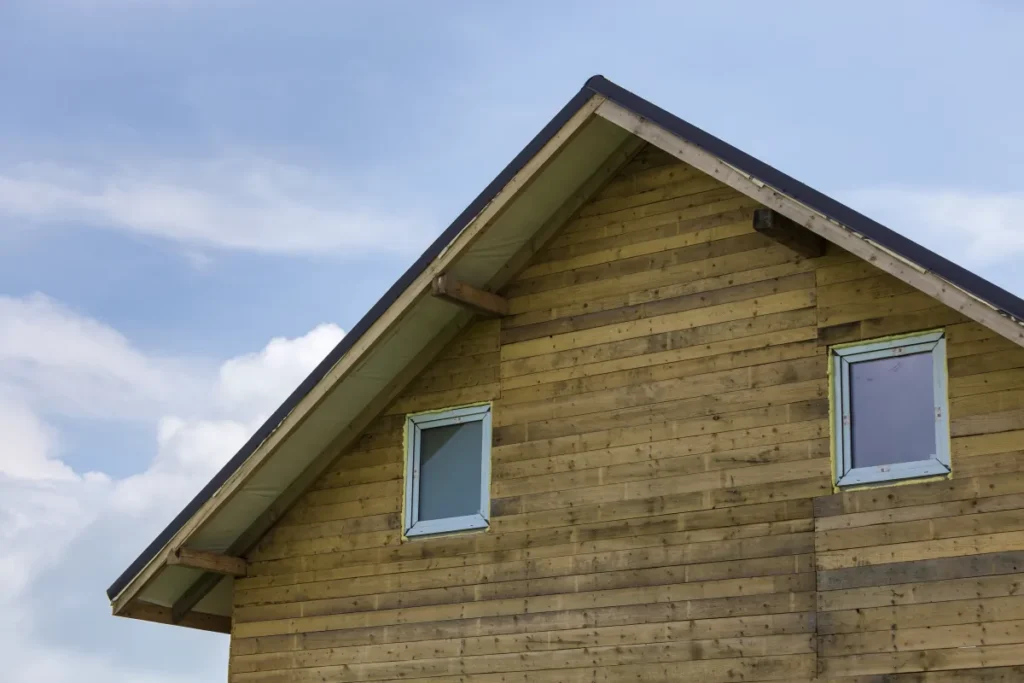
vertical siding the brown attic with a small window on the sky

What Drives The Price Up Or Down For House Siding Cost

Two homes with the same square footage can price very differently because the walls don’t install like a flat spreadsheet. Meanwhile, The biggest swings usually come from access, detailing, and what the crew finds behind the old cladding. If you’re comparing bids, focus on these drivers; they explain most of the difference in house siding cost from one quote to the next.

Biggest Price Movers

  • Stories and access: multi-story work, steep lots, and tight side yards increase setup and labor time
  • Trim and corners: more corners, gables, and decorative trim add cuts, fasteners, and detailing
  • Removal complexity: multiple layers or brittle siding can increase tear-off and disposal
  • Wall condition: sheathing damage, rot, or framing repairs can change the scope quickly
  • Material and finish: thicker profiles, specialty colors, and paint/finish steps raise both cost and duration
  • Match work: partial replacements often require extra time to blend in with existing materials

Common Planning Mistakes That Inflate Bids

  • Comparing estimates without matching the scope (one includes trim/housewrap, another does not)
  • Skipping a repair allowance and getting surprised later when walls are opened up
  • Choosing a material without considering maintenance and finish requirements
  • Waiting on color/selection decisions after ordering should have started
  • Not clarifying disposal, protection, and cleanup responsibilities in writing

Timeline, Permits, And Scheduling Notes

Siding work moves faster when decisions are made early and materials arrive on time. Overall, Even so, the calendar often includes more than “days on site,” especially if permits apply or a specialty product has a longer lead time. As a result, The outline below shows a realistic sequence for many California projects.

Typical Timeline By Phase

  • Site visit + measurements: same week in many cases; expect a written estimate shortly after
  • Selections (material, color, trim approach): 1–7 days depending on how many options you’re weighing
  • Ordering and delivery: commonly ~1–3 weeks, longer for specialty profiles
  • Permits (if required): can add days to weeks based on jurisdiction and scope
  • Installation: often ~5–12 working days for many homes; large or detailed exteriors can run longer
  • Punch list + inspection closeout: typically 1–3 days

Permit And Inspection Notes (High Level)

Permit requirements vary by city and county, so treat this as general guidance. Additionally, Many jurisdictions require permits when you replace exterior wall coverings over a large area, change structural elements, modify openings, or perform significant sheathing work. Inspections may also be required to confirm the wall assembly and final exterior condition. Also, If your home was built before 1978, ask how the contractor handles dust control and safe work practices around older paint.

Scheduling Tips That Help

  • Choose material and color early so ordering doesn’t stall the start date
  • Clear access along side yards and move fragile items away from exterior walls
  • Plan for pets, parking, and noise during tear-off days
  • Ask the estimator to call out likely repair zones (lower walls, around openings) so your contingency is realistic
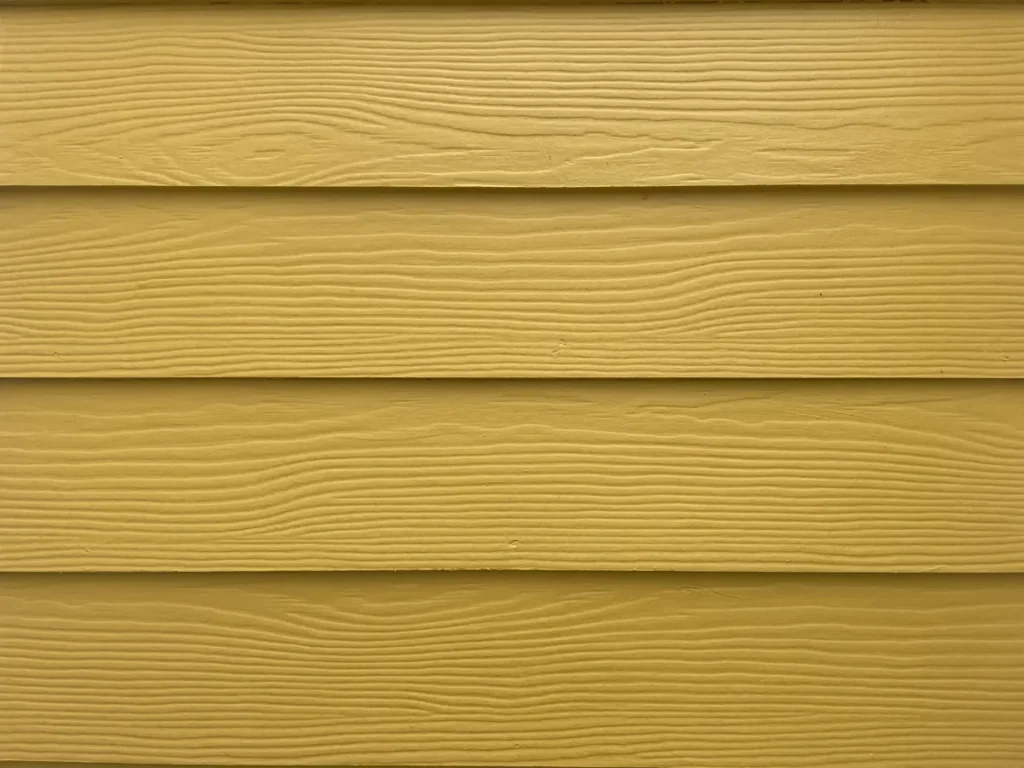
engineered wood siding establish shot of a old wooden house

How To Get An Accurate Quote

The fastest way to get a reliable price is to combine clear photos with an on-site measurement. Overall, Photos help narrow the range, while the site visit confirms wall area, access, and details that affect labor. For this reason, If you want a quote you can compare, ask every contractor for the same level of detail and the same assumptions.

What To Prepare Before You Request Pricing

  • Your address (so the estimator can factor access and jurisdiction basics)
  • Photos of each elevation, plus closeups of any damage or soft spots
  • Your preferred material (or two options you’re deciding between)
  • Whether you want new trim, and any areas you already know need repair
  • Your target start window and any HOA/design restrictions to consider

What To Look For In A Written Estimate

  • Line items for removal/disposal, installation, trim work, and finish steps (if applicable)
  • A clear allowance or unit pricing for sheathing/rot repairs discovered after tear-off
  • Notes on wall-protection steps and cleanup
  • Permit responsibility stated clearly (who pulls it, who schedules inspections)
  • Payment milestones explained in plain language

Financing And Payment Options To Consider

We don’t recommend one specific product for everyone, but these are common ways homeowners fund exterior projects. Also, The right choice depends on your budget, timeline, and how you prefer to manage monthly payments.

  • Savings/cash: simplest for smaller scopes or phased work
  • Home equity (HELOC or loan): often used for larger exterior projects; talk with your lender about terms
  • Personal loan: can work when you want a fixed term without tapping equity
  • Phased scope: repair the most urgent elevations first, then complete the rest when timing is right

US Construction & Remodeling Corp. For example, provides written estimates for siding projects and can walk you through material options and scope trade-offs. For example, To get started, request a written estimate online or call +1 (916) 234-6696.

Helpful Links

Frequently Asked Questions

Many installed siding projects in California land in a broad range, often around $8–$22 per sq ft depending on material, access, and detailing. Vinyl tends to sit closer to the lower end, while fiber cement and metal often run higher. Keep in mind that removal/disposal and repair allowances can change the final total, so use per-square-foot numbers as a starting point rather than a guarantee.

Fiber cement is popular because it holds up well and gives you a paintable, crisp look. That said, it often costs more to install than vinyl and may require painting or repainting over time. If you’re deciding, compare the installed price and the finish/maintenance expectations so you’re not surprised later.

Sometimes, but not always. Vinyl typically doesn’t need painting, while fiber cement and some engineered wood products may include priming/painting (or at least prep) as a line item. Ask whether finishing is included, what surfaces are covered (siding only vs trim too), and how many coats are assumed.

Permit rules depend on the local building department and the exact scope. Permits are more likely when you replace large areas of exterior wall covering, repair structural elements, change openings, or replace substantial sheathing. The cleanest approach is to ask your contractor to confirm requirements for your address and to put permit responsibility in writing.

Look for an allowance or unit pricing that explains how repairs get approved and billed once the old siding is removed. A good estimate spells out what counts as a repair, how pricing is calculated, and how you’ll see it documented (photos, measurements, and a written change approval). This keeps the job moving while still protecting your budget.

Yes, and it can make sense if one elevation takes the most sun or weather exposure. However, partial work can cost more per square foot because setup, trim transitions, and matching take time. Also consider color fade; even “same” materials can look different next to older siding, so ask about blending options and trim strategies.

Send photos of each side of the home, closeups of any damage, and your address. Include your preferred material (or two choices), the number of stories, and your target start window. If you already know about soft spots or prior leaks, mention them so the estimate can include a realistic repair allowance. You can also request a written estimate online or call +1 (916) 234-6696.

Licensed, insured & trusted local contractor

US Construction & Remodeling Corp.
9821 Business Park Dr, Sacramento, CA, 95827
Phone: +1 (916) 234-6696

CSLB License #: 1117562 Fully licensed and insured.

View our Google Business Profile

Leave a comment

This website uses cookies to improve your web experience.
Explore
Drag