Skip links

Kitchen Remodeling Vs DIY In Placer

Deciding between kitchen remodeling vs diy in Placer comes down to risk, time, and how finished you need the result to look and perform. A simple refresh can be DIY-friendly. Once you touch layout, electrical, plumbing, or custom cabinets, coordinated planning matters.

Quick checklist:

  • Define the scope and your must-have outcome (performance, budget, timeline).
  • Confirm what work is involved and the order of operations.
  • Finalize measurements and key selections before ordering long-lead materials.
  • Collect 2–3 quotes and compare line-by-line (scope, allowances, cleanup, warranty).
  • Create a simple schedule and pre-order the items that most often cause delays.

TL;DR: DIY works best for surface upgrades and small installs you can redo if needed. Contractor-led remodels make sense when multiple trades and inspections come into play, or when you want a defined schedule and a single point of responsibility. In Placer, confirm which jurisdiction handles permitting for your address before you order big-ticket items.

  • Keep plumbing and appliance locations if you want a simpler scope.
  • Lock the layout before ordering cabinets and countertops.
  • Plan temporary cooking, dust control, and debris hauling.
  • Confirm lead times for cabinets, counters, and specialty appliances.
  • Decide who handles permits and inspection scheduling if required.
  • Put finish selections and allowance items in writing to avoid scope gaps.

Want a quick reality check on your plan? Call US Construction & Remodeling Corp. at +1 (916) 234-6696 for a short consult, then decide whether DIY or a full remodel fits best.

Why Homeowners Hire Help For Kitchen Remodeling Vs DIY In Placer

DecisionWhy it mattersQuick check
ScopeDefines what is included and prevents surprises.Write a line-item scope and allowances list.
Site constraintsAccess and hidden conditions can change the plan.Check access and existing surfaces before work starts.
SelectionsLong-lead items can drive the schedule.Confirm availability before starting.
PermitsSome scopes require approvals and inspections.Ask your city/county what applies to your project.
  • Define work zones (prep, also cook, clean) so the kitchen feels effortless day to day.
  • Choose an island, peninsula, or open-aisle plan based on real traffic patterns.
  • Use tall pantry storage, pull-outs, and tray dividers to reduce countertop clutter.
  • Prioritize drawers in base cabinets for cookware and daily tools.
  • Plan ventilation early, including the duct route and where the hood will land.
  • Pick cabinet door style (Shaker, slab, or raised-panel) to match the home's feel.
  • Select countertops with the right balance of durability and maintenance (quartz, granite, laminate, or solid surface).
  • Build layered lighting: ambient ceiling light, task light at counters, and accent over the island.
  • Coordinate flooring and transitions so adjacent rooms don't feel chopped up.
  • Map outlets and charging spots where you actually use small appliances.

Most DIY kitchen projects start with good intentions and end with the same problem: too many interlocking decisions. Overall, When cabinets, counters, electrical, and plumbing meet, small errors compound fast. That is why many homeowners compare kitchen remodeling vs diy and bring in pros for the parts that must fit right the first time.

DIY can still play a role. In addition, Painting, hardware swaps, installing a backsplash, or upgrading a faucet can make a big visual difference when the layout and core systems stay the same. The moment you change layout, move utilities, or order custom cabinets, hiring help often saves time and protects your budget.

DIY Pitfalls That Create Rework

  • Starting demolition before verifying lead times for cabinets and countertops.
  • Ordering cabinets without a confirmed appliance spec sheet and clearances.
  • Underestimating electrical needs for modern kitchens (small appliances, lighting, ventilation).
  • Skipping a ventilation plan until late, when duct routes become expensive to fix.
  • Forgetting everyday realities like trash pull-outs, landing space, and dishwasher swing.
  • Not planning surface protection and dust control for the rest of the home.

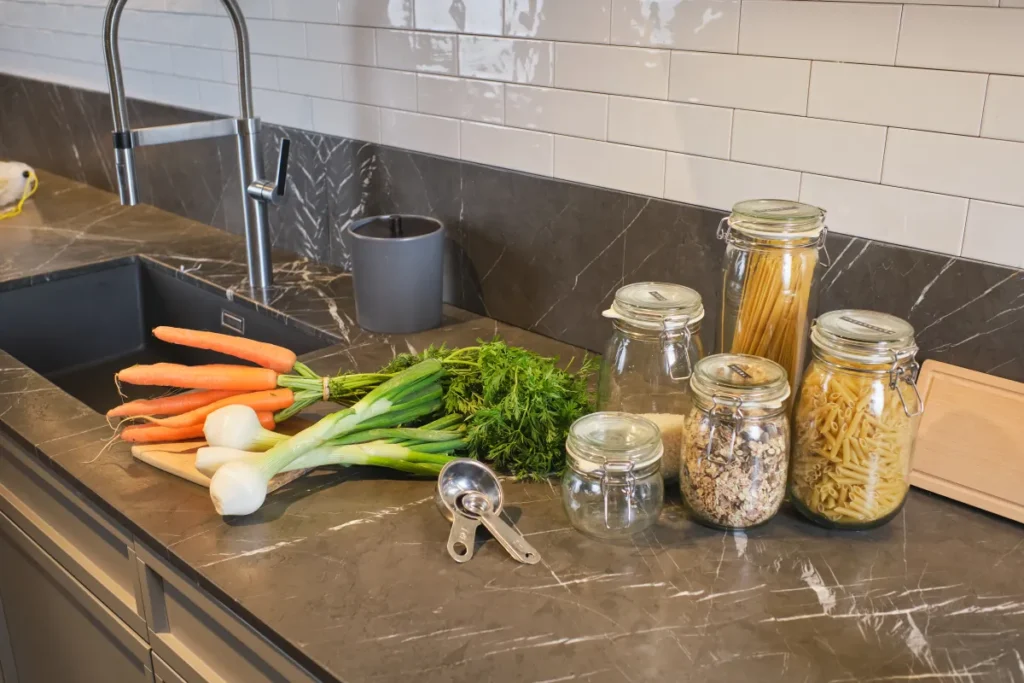
formica countertops woman preparing vegetarian dinner kitchen

How To Choose The Right Contractor

You are not just hiring labor; you are buying coordination. For example, When you weigh kitchen remodeling vs diy, a licensed contractor should help you make decisions in the right order and keep trades aligned. In Placer, they should also talk through permitting and inspection timing if your scope goes beyond cosmetic work.

Trust And Accountability Checklist

  • Written scope that matches the drawings and includes protection and cleanup.
  • Clear responsibility for materials vs installation (cabinets, counters, appliances, fixtures).
  • Plan for permits and inspections when the project touches electrical, plumbing, or structural work.
  • Proof of insurance, plus clarity on who is on site and who supervises.
  • A change-order system that prices changes before work happens.
  • Communication cadence you can count on (updates, schedule look-ahead, documented decisions).

Bring three things to your estimate: current-kitchen photos, a rough wish list, and a budget comfort range. Additionally, That lets a contractor flag DIY-friendly tasks and identify risks early.

Layout Planning That Fits Real Life

Layout is where DIY plans often struggle, because small shifts can ripple through electrical, plumbing, and cabinetry. Also, Start by naming what feels broken today: prep space, storage, traffic, or lighting. From there, choose a layout that supports your routines.

  • Galley: Great for tight footprints. As a result, Keep aisles clear and lean into smart storage and lighting.
  • L-shape: Flexible and often cost-effective. For this reason, It can leave room for a small island or a dining nook.
  • U-shape: Maximizes counter space. Meanwhile, Plan corners carefully so the space stays easy to move through.
  • Island-centered: Social and functional. Meanwhile, Decide on seating, trash, outlets, and walkways before you commit.

Even without moving walls, you can make a kitchen feel bigger by improving the work triangle, choosing the right cabinet mix (drawers vs doors), and placing task lighting where you prep and cook.

Where Value Shows Up

Materials drive both cost and daily satisfaction. Meanwhile, For DIY, choose products you can install cleanly with the tools and time you actually have. For a contractor-led build, prioritize durability and serviceability.

  • Cabinets: Shaker doors read timeless; slab doors feel modern; raised-panel doors lean traditional. Additionally, Ask about box construction, soft-close hardware, and how the installer will scribe to walls for a tight finish.
  • Countertops: Quartz offers consistent patterns and easy cleanup. Meanwhile, Granite brings natural variation and heat resistance. Laminate keeps costs down and installs fast, though seams and edge durability matter.
  • Flooring: Tile handles spills and pets well, but it needs a flat substrate. In addition, Luxury vinyl plank installs quickly and feels comfortable. Engineered wood warms up a space, yet it needs careful moisture control.
  • Backsplash: Larger-format tile reduces grout lines. As a result, A full-height slab backsplash looks sharp but raises fabrication costs.
  • Lighting: Combine ambient ceiling light, task light at counters, and accent over the island so the kitchen works at every hour.
Decision areaDIY-friendly when…Better with contractor when…
LayoutYou keep appliances and plumbing in placeYou move walls, islands, or utility locations
Cabinets & countersStock sizes fit and tolerances are forgivingYou need custom fits, scribing, or stone templating
Electrical & plumbingWork stays limited to simple fixture swapsNew circuits, lighting plans, or relocations are necessary
TimelineYou can live with a longer, flexible scheduleYou want a defined sequence and coordinated trades

Planning To Completion

A kitchen remodel runs smoother when decisions come before demolition. Also, Many kitchen remodeling vs diy attempts stumble because key choices get made after cabinets are ordered or walls are opened. Use this roadmap to reduce downtime and avoid last-minute changes.

  1. Define the scope: What stays, what moves, and what must improve (storage, lighting, workflow, ventilation).
  2. Confirm layout and appliance specs: Lock cabinet widths, clearances, and rough-in locations.
  3. Select finishes with lead times in mind: Cabinets, counters, flooring, and tile should arrive in the right order.
  4. Handle permits if the scope requires them: Plan for plan review and inspections before rough work begins.
  5. Demo and rough work: Demolition, framing, plumbing, electrical, and ventilation adjustments.
  6. Close-up and install: Drywall, cabinets, countertops, backsplash, flooring, trim, paint, and fixtures.
  7. Punch list and closeout: Final adjustments, testing, and walkthrough.

Placer-Specific Planning Notes (Permits And Scheduling)

In Placer County, online permitting is commonly handled through the county permit portal (Accela / e-Permits), depending on the exact jurisdiction for your address and the scope of work. In addition, For anything beyond a surface update, confirm early who will submit plans, pay fees, and schedule inspections so the build sequence stays intact.

Before/After Narrative (Hypothetical Example)

A homeowner starts with a closed-off kitchen, limited prep space, and uneven lighting. As a result, They consider a DIY refresh, but the layout forces traffic through the cooking area and existing venting cannot support a new range hood. After planning, they keep the footprint but rework the cabinet plan: more drawers, a dedicated pantry bank, under-cabinet task lighting, and a durable quartz countertop. The result feels brighter, easier to cook in, and simpler to clean, without the stress of mid-project layout changes.

Budget & Timeline (Typical)

Budget and timing swing based on how far you go beyond a cosmetic update. Meanwhile, In kitchen remodeling vs diy planning, the real cost difference often comes from tool rentals, wasted materials, and downtime, not just labor rates. The biggest drivers include layout changes, the number of trades involved, and the materials you choose.

Budget Ranges & Timeline (Typical)

  • Cosmetic update: Paint, hardware, lighting swaps, and minor installs; shorter schedules.
  • Mid-scope remodel: New cabinets and counters with limited utility changes; moderate schedules.
  • Full remodel with layout changes: Multiple trades, inspections, and longer lead times; longer schedules.
  • Schedule reality check: Cabinet lead times and stone fabrication often set the pace more than labor does.

Resale And ROI Priorities

If resale matters, prioritize a layout that feels intuitive, durable materials that age well, and lighting that makes the kitchen look clean and bright. Overall, Buyers notice soft-close hardware, consistent finishes, and a ventilation solution that does not feel like an afterthought. Trendy colors can work, yet neutral foundations usually protect your options later.

Maintenance Tips After Your Remodel

  • Use cutting boards and trivets even on tough surfaces to keep them looking new.
  • Wipe spills quickly at seams and edges, especially around sinks and dishwashers.
  • Clean grout with pH-neutral products; harsh acids can shorten grout life.
  • Check and refresh caulk at sink and backsplash joints as it ages.
  • Replace range hood filters on schedule so ventilation keeps working.

kitchen near me project portfolio

How We Help In Placer

US Construction & Remodeling Corp. helps Placer homeowners sort the kitchen remodeling vs diy decision, define a buildable scope, and coordinate the trades needed for a clean, durable result. Call +1 (916) 234-6696 to talk through your goals, or start online if you prefer to share photos and a short wish list.

Request a free estimate here, and we will follow up to confirm scope, timing, and any permitting steps tied to your address and project type.

Get An Estimate, Your Way

  • Phone-first: Call +1 (916) 234-6696 for a quick kitchen consult.
  • Online: Use the free estimate form to describe the project and upload photos.

How The Build Stays Coordinated

  • Clear scope in writing, including who supplies and installs each major item.
  • One schedule that sequences demo, rough work, installation, and finishing.
  • Permit handling when required, plus inspection scheduling aligned to the build.
  • Ongoing communication if conditions change behind walls, so you can decide fast.

Helpful Links

Frequently Asked Questions

If you keep the layout and utilities in place, DIY can work well for cosmetic upgrades. Typical DIY-friendly tasks include painting, swapping cabinet hardware, installing a faucet, adding a tile backsplash, and changing light fixtures (as allowed by local rules and the product instructions).

Once you start moving plumbing, adding circuits, changing ventilation, or modifying walls, bring in qualified trades and confirm permit needs for your Placer address.

Hire a contractor when the project involves multiple trades, tight tolerances, or a schedule you want to protect. Examples include new cabinets and stone countertops, layout changes, new lighting plans, or any work that requires inspection.

Many homeowners choose a hybrid: DIY the finish work you enjoy, and let pros handle layout, rough-ins, and installs that must align perfectly.

Sometimes. Cosmetic changes typically do not trigger permits, but work involving electrical, plumbing, structural changes, new ventilation ducting, or significant layout adjustments may. Because rules depend on jurisdiction and scope, confirm with the appropriate building department for your address in Placer County before construction starts.

If you hire a contractor, ask who will pull permits and schedule inspections, and get that responsibility in writing.

The gap usually comes from coordination, rework risk, and downtime. DIY can save labor cost, but it can add tool rentals, material waste, and extra weeks without a functional kitchen if you have to redo steps.

A contractor-led remodel typically includes trade scheduling, tighter installation tolerances, and clearer accountability when issues show up during demo.

For countertops, quartz is popular for easy cleaning and consistent patterns. Granite handles heat well and offers natural variation. Laminate can be budget-friendly, but seam placement and edge durability matter.

For floors, tile resists water and pets. Luxury vinyl plank installs quickly and feels softer underfoot. Engineered wood looks warm, yet you need good moisture control near sinks and dishwashers.

Look for a clear scope, material specifications, and a schedule that shows sequencing. The paperwork should explain who supplies and installs each major component, how changes get priced, and what warranty coverage looks like.

  • Line-item scope for demo, protection, and cleanup
  • Materials and finish details (cabinets, counters, flooring, lighting)
  • Payment milestones tied to progress, not just dates
  • Permit and inspection responsibilities if applicable

You can also verify a contractor's license status through the California CSLB website.

Licensed, insured & trusted local contractor

US Construction & Remodeling Corp.
9821 Business Park Dr, Sacramento, CA, 95827
Phone: +1 (916) 234-6696

CSLB License #: 1117562 Fully licensed and insured.

View our Google Business Profile

Related service

Looking for a step-by-step overview before you choose materials? Read Kitchen Remodeling.

Leave a comment

  1. Board and Batten Siding: A Practical Guide for… | US Construction
    Permalink
This website uses cookies to improve your web experience.
Explore
Drag