Skip links

Lazy Susan

Corner cabinets waste space when you can’t reach what you store. A well-built lazy susan can turn that awkward corner into smooth, safer storage without redesigning the whole kitchen. If you want it sized and installed correctly, US Construction & Remodeling Corp. can help you compare options and confirm fit.

Quick checklist:

  • Define the scope and your must-have outcome (performance, budget, timeline).
  • Confirm what work is involved and the order of operations.
  • Finalize measurements and key selections before ordering long-lead materials.
  • Collect 2–3 quotes and compare line-by-line (scope, allowances, cleanup, warranty).
  • Create a simple schedule and pre-order the items that most often cause delays.

TL;DR: The best corner solution depends on your cabinet opening, interior clearance, and what you store. This guide walks through design options, quality checks, materials, and a practical timeline so you can make a confident decision.

  • Measure the door opening (width and height)
  • Check if it’s a true corner cabinet or a blind corner
  • Look for obstructions like plumbing, outlets, or a face-frame rail
  • Decide what needs easy access (pots, small appliances, spices)
  • Pick the right style: turntable trays vs swing-out/pull-out shelves
  • Request a written estimate with materials and scope

Quality, Safety, And Long-Term Value For Lazy Susan

DecisionWhy it mattersQuick check
ScopeDefines what is included and prevents surprises.Write a line-item scope and allowances list.
Site constraintsAccess and hidden conditions can change the plan.Check access and existing surfaces before work starts.
SelectionsLong-lead items can drive the schedule.Confirm availability before starting.
PermitsSome scopes require approvals and inspections.Ask your city/county what applies to your project.
  • Choose a full-round, also kidney, or D-shape tray based on the door opening, not just the cabinet size
  • Upgrade from wire to solid trays with a raised rim to keep bottles and jars from tipping
  • Use two tiers for daily items and keep heavier cookware lower for safer lifting
  • Add soft-close hinges or door bumpers so the corner door doesn’t rack the cabinet over time
  • Pair the corner with nearby pull-out drawers for the items you grab most often
  • If you’re reworking cabinets, consider drawers instead of a corner base to eliminate hard-to-reach storage
  • Keep countertop overhang and appliance placement clear so the corner door can open fully
  • Use under-cabinet task lighting aimed into the corner for visibility
  • Match cabinet door style (Shaker, slab, raised panel) and hardware when replacing doors or adding a corner hinge
  • Add a wipeable liner or textured tray surface for faster cleanup and less sliding

A corner upgrade makes the most sense when you’re tired of digging, stacking, and forgetting what you own. Overall, Done right, it reduces daily frustration, keeps heavy items within a safe reach, and helps the cabinet box last longer because doors and shelves don’t get abused.

Organize The Corner On Purpose

Once the corner is accessible, organization matters as much as the hardware. Also, Use the space for categories that benefit from a simple turn-and-grab motion, not for items you need to stack in layers.

  • Keep oils, vinegars, and sauces together so you can see labels at a glance
  • Store small appliances you use weekly, not daily, to keep counters clear
  • Group baking supplies (sprinkles, extracts, measuring cups) in a bin so nothing disappears
  • Avoid overfilling; leaving space prevents tipping and keeps trays spinning smoothly
  • Put the heaviest items closest to the pivot point to reduce wobble

When A Different Corner Solution Wins

Some cabinets simply don’t behave well with a turntable. Meanwhile, A blind corner (small door opening), a corner with plumbing, or a cabinet with a damaged base may call for swing-out shelves, pull-outs, or a cabinet rebuild as part of a larger kitchen refresh.
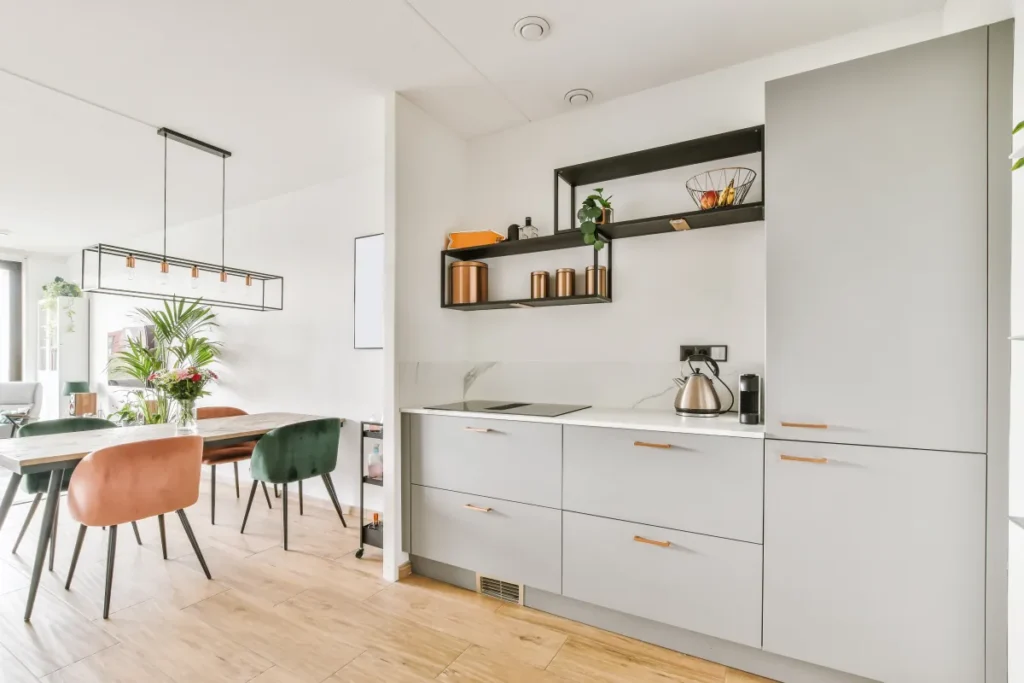

kitchen remodel

Quality Checks That Matter For Lazy Susan

The biggest difference between a corner upgrade you love and one you ignore is fit. For example, Clearances, mounting surfaces, and door swing decide whether the cabinet feels effortless or annoying.

  • Confirm cabinet type: true corner base vs blind corner (the opening tells the story)
  • Measure the door opening and interior depth before choosing a tray diameter
  • Check for obstructions (pipes, outlets, face-frame rails) that can block rotation or pull-outs
  • Verify the base is solid and level so hardware mounts without rocking
  • Choose a bearing and center post that can handle real kitchen loads without binding
  • Test a full rotation under load; it should turn without scraping or wobbling
  • Set tier heights for the tallest items you store so you’re not forced into awkward stacking
  • Make sure fasteners bite into solid material, not the thin edge of particleboard
  • Adjust hinges and add bumpers so doors close cleanly and stay aligned
  • Finish with a wipe-down and a quick care plan so the hardware stays smooth

Where Corners Work Best

Kitchen layout affects how often you touch the corner and how much clearance you have to open doors. As a result, A good plan keeps the corner accessible and prevents appliance placement from blocking it.

  • Galley kitchens: prioritize door swing clearance; sometimes a pull-out system beats a round tray because you can access items without stepping back
  • L-shape kitchens: corners often sit near the prep zone, so aim for smooth access to oils, spices, and mixing tools
  • U-shape kitchens: the corner can become a bottleneck; keep the most-used storage in drawers so two people can work without bumping doors
  • Island-centered kitchens: double-check traffic lanes; if the island crowds the corner, choose a solution that doesn’t require a wide door swing

Small-Space Layouts: Making A Tight Kitchen Feel Bigger

In smaller kitchens, every inch matters, but the corner shouldn’t become a junk cabinet. In addition, Use the corner for medium-frequency items and rely on drawers or a slim pull-out for daily tools so the workflow stays fast.

Door Styles, Countertops, Flooring, And Layered Lighting

Corner upgrades touch more than the shelf itself. For this reason, Door style and hardware placement affect how you grip and open the cabinet, while countertop edges and lighting affect how usable the space feels.

  • Cabinet doors: Shaker and slab doors both work, but hinge adjustment matters more than the style; add soft-close hardware when doors slam or drift
  • Countertops: quartz, granite, laminate, and butcher block all work; the key is ensuring the door can open fully without hitting a thick edge profile
  • Flooring: tile, LVP, and hardwood are fine for this kind of work, but protect finished floors during install and cleanup
  • Lighting: combine ambient (ceiling), task (under-cabinet), and accent (toe-kick or in-cabinet) so the corner doesn’t become a dark zone

Before/After Snapshot (Hypothetical Example)

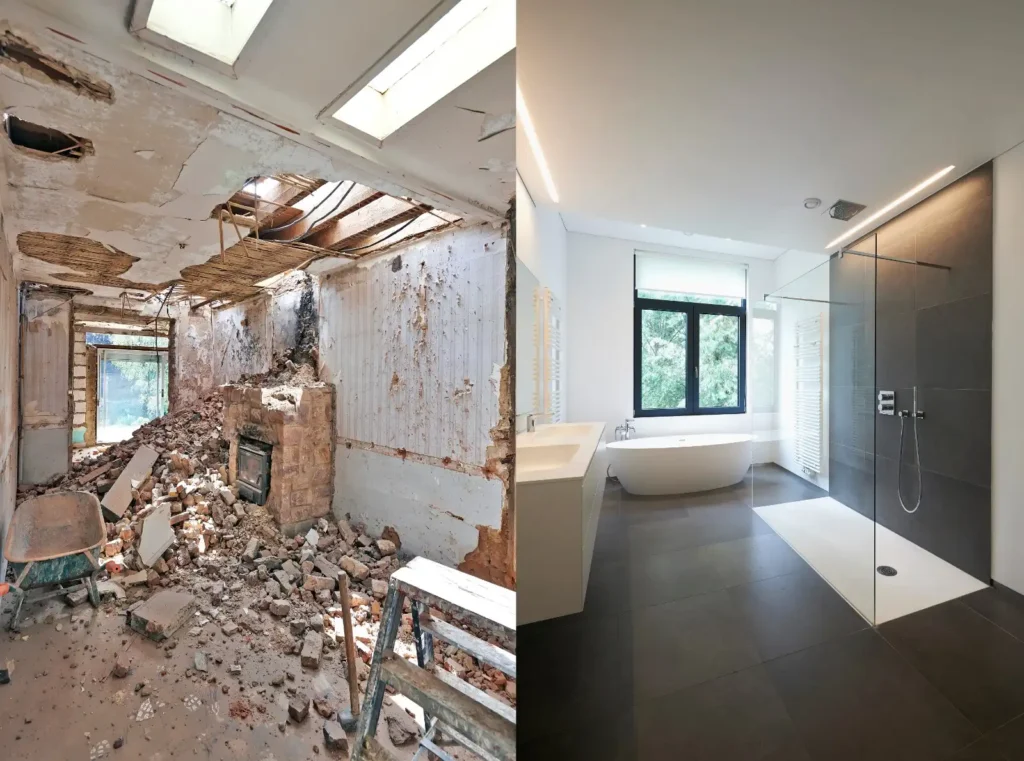
Before: a homeowner stores pots and appliances in a corner cabinet, but items pile up in front and the back becomes unreachable. Additionally, The door bumps the countertop edge, and the shelf sags because it’s overloaded.

After: the cabinet gets measured, the door swing gets corrected, and the corner storage is rebuilt around what the homeowner actually uses. Overall, A smooth-spinning two-tier system keeps bottles upright, heavy items stay low, and the lost back corner stops collecting clutter.

refacing kitchen cabinets closeup of woman painting kitchen cabinets

Materials And Maintenance Notes

US Construction & Remodeling Corp. For example, helps homeowners choose the right corner-cabinet solution by checking measurements, confirming clearances, and writing the scope clearly so you know what you’re getting.

Request a written estimate and include a few photos of the cabinet opening, the inside of the box, and the items you plan to store.

Trays, Posts, And Hardware

Not all corner systems age the same. For this reason, The best material depends on how hard you use the kitchen and whether moisture or cleaning chemicals reach the cabinet.

  • Wood trays: warm look and sturdy feel, but they need protection from repeated spills
  • Polymer trays: wipeable and moisture-resistant; a good fit near sinks or for sauce bottles
  • Wire trays: lighter and often lower cost, but small items can tip unless you add liners
  • Hardware finishes: corrosion-resistant finishes hold up better in busy kitchens and help bearings stay smooth

Maintenance Tips That Keep The Corner Working

  • Wipe spills quickly so residues don’t gum up bearings or tray surfaces
  • Don’t overload; distribute weight evenly to prevent wobble
  • Tighten mounting screws if you ever feel a shift or a squeak
  • Use a non-slip liner for bottles and small containers to reduce tipping
  • Re-check door alignment after a few weeks of normal use, especially on older cabinets

Frequently Asked Questions

Measure the door opening width and the interior depth of the cabinet, then choose a tray diameter that can rotate without hitting the door or face frame. Also check for plumbing or outlets that steal space. If you’re unsure, share photos and measurements so we can confirm a fit before anything is ordered.

Not always. Blind corners often have a narrow opening, which can limit how useful a turntable feels. In those cases, swing-out or pull-out shelf systems can bring items fully into view. The best choice depends on the opening size, the cabinet interior, and what you store.

A simple cabinet accessory retrofit typically doesn’t trigger permitting, but requirements can change when you modify cabinets extensively or combine the work with electrical, plumbing, or structural changes. Because rules vary by jurisdiction and scope, it’s smart to confirm what applies to your address when planning a larger kitchen project.

Cost usually comes down to the cabinet type (true corner vs blind corner), the quality and material of the hardware, and whether we need to modify or repair the cabinet box for a solid mount. Access matters too: tight kitchens, plumbing obstructions, and damaged shelves can add labor.

Once the parts are on site, most installs fit into a short appointment. The exact time depends on cabinet condition, how much adjustment is necessary for level and clearance, and whether you’re converting a blind corner. We’ll confirm expectations in writing when we quote the job.

Ask for a written estimate that lists the exact scope and materials, plus a plan for protecting finishes and cleaning up. Also confirm insurance, licensing verification, and who handles permits if the work connects to a bigger remodel.

  • What cabinet measurements are you basing the recommendation on?
  • What happens if the cabinet box needs repair to mount the hardware?
  • How will changes be approved and priced?
  • What workmanship checks will you do before you leave?

Frequently Asked Questions

Measure the door opening width and the interior depth of the cabinet, then choose a tray diameter that can rotate without hitting the door or face frame. Also check for plumbing or outlets that steal space. If you're unsure, share photos and measurements so we can confirm a fit before anything is ordered.

Not always. Blind corners often have a narrow opening, which can limit how useful a turntable feels. In those cases, swing-out or pull-out shelf systems can bring items fully into view. The best choice depends on the opening size, the cabinet interior, and what you store.

A simple cabinet accessory retrofit typically doesn't trigger permitting, but requirements can change when you modify cabinets extensively or combine the work with electrical, plumbing, or structural changes. Because rules vary by jurisdiction and scope, it's smart to confirm what applies to your address when planning a larger kitchen project.

Cost usually comes down to the cabinet type (true corner vs blind corner), the quality and material of the hardware, and whether we need to modify or repair the cabinet box for a solid mount. Access matters too: tight kitchens, plumbing obstructions, and damaged shelves can add labor.

Once the parts are on site, most installs fit into a short appointment. The exact time depends on cabinet condition, how much adjustment is necessary for level and clearance, and whether you're converting a blind corner. We'll confirm expectations in writing when we quote the job.

Ask for a written estimate that lists the exact scope and materials, plus a plan for protecting finishes and cleaning up. Also confirm insurance, licensing verification, and who handles permits if the work connects to a bigger remodel.

  • What cabinet measurements are you basing the recommendation on?
  • What happens if the cabinet box needs repair to mount the hardware?
  • How will changes be approved and priced?
  • What workmanship checks will you do before you leave?

Leave a comment

This website uses cookies to improve your web experience.
Explore
Drag