Skip links

Master Bathroom Vanity Guide: Layout, Materials & Timeline

When you update a master bath, a well-planned bathroom vanity can improve storage, lighting, and the way the room handles daily moisture.

Quick checklist:

  • Define the scope and prioritize daily function (shower, storage, ventilation).
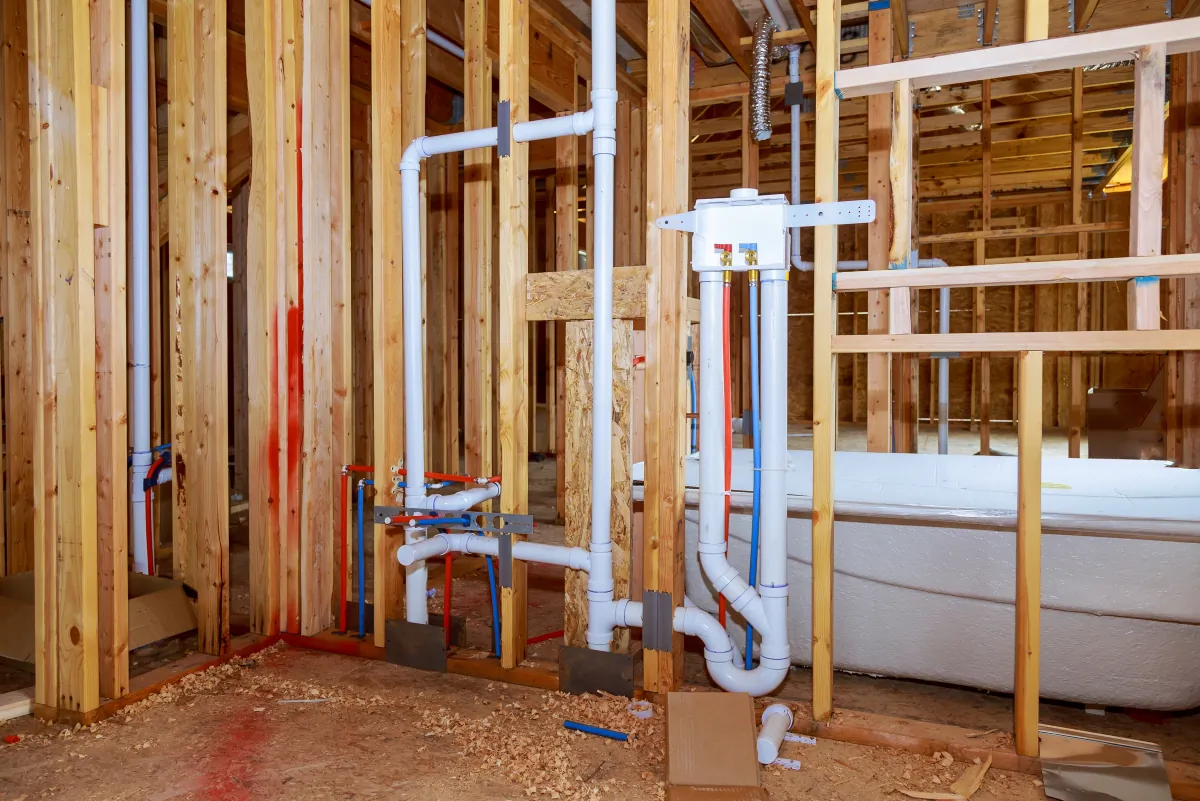
  • Confirm what trade work is involved (plumbing, electrical, drywall) and the order of work.
  • Choose finishes that hold up in wet areas and are easy to clean.
  • Collect 2–3 quotes and compare line-by-line (scope, allowances, cleanup, warranty).
  • Decide what needs to be ordered first (tile, fixtures, vanity) to keep the schedule moving.

This guide focuses on decisions homeowners can control—layout, materials, workmanship checks, and timing—so you avoid the expensive “almost fits” mistake.

TL;DR: Treat the vanity as a small system: cabinetry, top, sink, plumbing, power, and lighting all have to align. Keep the scope clear (swap vs. rework) because moving plumbing or adding circuits changes the schedule fast. For a quick consult, call +1 (916) 234-6696.

  • Measure wall-to-wall and note door/drawer swing conflicts
  • Choose single vs. double sinks based on real routines
  • Pick a top that resists stains and standing water
  • Plan outlets and lighting before you order cabinets
  • Prioritize drawers, pull-outs, and linen storage
  • Confirm lead times for cabinets and countertops

Quality, Safety, And Long-Term Value For Bathroom Vanity

DecisionWhy it mattersQuick check
Wet-area finishesWet zones need durable, easy-clean surfaces.Choose materials rated for bathrooms and simple maintenance.
VentilationHelps prevent humidity and long-term damage.Confirm fan sizing and vent routing.
LayoutGood layout improves daily usability.Verify clearances and door swings.
Budget controlKeeps scope creep from blowing up the price.Use allowances and a written change-order process.
  • Double vanity with two drawer stacks for shared, also no-drama storage
  • Wall-hung vanity to open floor space and simplify cleaning
  • Furniture-style legs for a lighter look (with easier dusting access)
  • Quartz, porcelain slab, or solid-surface countertop for low maintenance
  • Full-height backsplash or side splashes to protect paint and drywall
  • Undermount sink with a minimal rim for quick wipe-downs
  • Shaker or flat-panel doors for a clean, timeless face
  • Soft-close, full-extension drawers with organizers for small items
  • Two mirrors for personal lighting, or one wide mirror for a broader view
  • Lighting layers: overhead ambient + mirror task sconces + toe-kick accent
  • Hardware finishes that hide fingerprints (brushed nickel, satin brass, matte black)

A master vanity upgrade pays off when the current cabinet shows water damage, storage doesn’t match your routine, or the lighting makes grooming harder than it should be. Done well, the project also reduces everyday wear by using moisture-tolerant materials and tight, clean joints at the sink.

Safety matters, too. Also, Outlet placement, lighting over mirrors, and stable anchoring all affect how the space feels and how reliably it performs for years.

Who A Vanity-Focused Upgrade Fits

  • Homeowners replacing a worn or swollen cabinet base
  • Families who need better drawer storage and counter space
  • Primary suites where lighting and outlets need a rethink
  • Homes where you want a fresh look without moving walls

Value Drivers You Can Feel Every Day

  • Comfortable clearances so drawers open fully and traffic flows
  • Durable countertop and sink pairing that cleans up quickly
  • Lighting that flatters faces and reduces shadows at the mirror
  • Storage that keeps counters clear (drawers, pull-outs, linen space)
  • Workmanship that stays tight: level cabinets, solid fastening, clean caulk lines
floating vanity stylish bathroom interior

Quality Checks That Matter For Bathroom Vanity

A bathroom vanity can look perfect in a showroom and still fail in the field if measurements are off or the room’s constraints are ignored. In addition, Good quality control starts early, before you order cabinets or commit to a countertop template.

Galley, L-Shape, U-Shape, And Island-Centered Options

Even in a bathroom, layout language borrowed from kitchens helps you think clearly about traffic and reach. For example, The goal is simple: keep a clean path, keep drawers usable, and keep the sink centered where plumbing can live comfortably.

  • Galley: the vanity wall sits opposite the shower/tub wall; prioritize shallow depth and clean door swings in the middle aisle.
  • L-shape: a vanity run plus a perpendicular linen tower or makeup nook; this adds storage without crowding the main walkway.
  • U-shape: the vanity anchors the center wall with tall storage on both sides; it feels built-in, but it needs breathing room.
  • Island-centered: a freestanding vanity placed away from walls; it can be striking in very large suites, yet it demands generous clearance and careful plumbing planning.

On paper, make sure drawers clear door casings, towel bars, and heat registers. For this reason, In the room, confirm where studs land so the cabinet can be fastened securely.

Small-Space Vanity Layouts That Still Feel Intentional

Not every “master” bath is oversized. As a result, When space is tight, you can still get a high-end feel by choosing the right proportions and storage strategy.

  • Use a wall-hung or furniture-style vanity to reduce visual bulk.
  • Consider a slightly shallower cabinet depth to protect the walking path.
  • Pick one larger sink basin instead of two tiny basins if the top is short.
  • Build vertical storage with a mirrored medicine cabinet or tall pantry cabinet.
  • Choose pocket doors or out-swinging doors only when the layout supports it.

Cabinet Door Styles And Storage Hardware

Shaker doors are popular because they’re timeless and easy to keep clean. Overall, Flat-panel (slab) doors lean modern and reduce grooves that collect residue. Raised-panel doors can work, although they take a bit more wiping around profiles.

For the cabinet box, moisture exposure at the sink is the real test. Meanwhile, Look for solid fastening points, sealed edges, and hardware that feels tight and smooth—especially hinges and drawer slides.

Options And Real-World Tradeoffs

  • Quartz: low maintenance and consistent; great for busy households.
  • Porcelain slab: very stain resistant and sleek; edge details matter and fabrication quality is key.
  • Natural stone: unique look; sealing and careful cleaning protect the finish over time.
  • Solid surface: repairable and seam-friendly; a practical middle ground for many homes.
  • Cultured marble: budget-friendly with integrated sink options; avoid harsh abrasives to prevent dulling.

Sink pairing matters. Additionally, Undermount sinks simplify wipe-downs, while integrated bowls reduce seams at the waterline.

Flooring Choices And Layered Lighting

Under a vanity, choose flooring that tolerates splashes and cleans easily. For this reason, Porcelain tile is a common choice, while luxury vinyl plank can work when it’s installed correctly and water management is realistic for the household.

For lighting, plan three layers: ambient (overall), task (face at the mirror), and accent (toe-kick or shelf lighting). As a result, That mix reduces shadows and makes the bathroom vanity feel finished, not improvised.

Field Checks Before The Install Is “Done”

  • Cabinets sit level and fasten into framing—not just drywall.
  • Countertop seams (if any) land where they’re least noticeable and easiest to keep dry.
  • Water shutoffs stay accessible after the cabinet is installed.
  • Outlets, switches, and lighting are placed with practical reach and safety in mind.
  • All cut edges and wall joints are sealed cleanly to resist moisture intrusion.
floating vanity modern bathroom interior design with hanging sink

Materials And Maintenance Notes

US Construction & Remodeling Corp. Meanwhile, helps homeowners in Sacramento and throughout California plan master vanity upgrades that line up with real measurements, trade coordination, and the finishes you’ll live with every day. Instead of guessing, we confirm what the room can support and build the bathroom vanity around that reality.

Request a free estimate online, or call +1 (916) 234-6696 for a quick consult.

Maintenance Tips That Protect Your Finishes

  • Wipe standing water near the faucet and sink rim; it prevents mineral buildup.
  • Use pH-neutral cleaner on stone and quartz; skip harsh powders on glossy tops.
  • Re-check caulk lines at the backsplash and sink once or twice a year.
  • Keep drawer organizers dry; small leaks often show there first.
  • Use a bathmat where drips land most often to protect flooring edges.
  • Run the exhaust fan during showers to reduce long-term humidity stress.

Clear Scope, Permits, And Accountability

You don’t need complicated paperwork, but you do need clarity. For example, A professional vanity project should make it easy to understand what’s included, what’s excluded, and who is responsible for what.

  • Licensing and insurance: ask for current documentation and verify license status through the CSLB.
  • Permits (when required): simple swaps may not need permits, while plumbing or electrical changes often do; requirements vary by city and county.
  • Written scope: cabinet size, countertop material, sink/faucet specs, and any wall/paint/tile touch-ups should be spelled out.
  • Change control: agree on how upgrades or surprises are priced before work starts.
  • Workmanship verification: confirm level cabinet install, secure fastening, clean sealing, and a final walkthrough punch list.

Company Details (NAP)

Company: US Construction & Remodeling Corp.
Phone: +1 (916) 234-6696
Website:https://usconstructioncali.com/
Estimate request:https://usconstructioncali.com/free-estimate/

Frequently Asked Questions

The timeline depends on scope and product lead times. A straightforward swap can move quickly once materials are on site, while layout changes take longer.

  • Simple replacement: shorter on-site window
  • Countertop fabrication: adds a template and install step
  • Plumbing/electrical moves: can add coordination and inspection time

Most cost variation comes from what changes behind the scenes, not just the cabinet you see.

  • Custom vs. stock cabinetry and finish grade
  • Countertop material and edge detail
  • Sink/faucet choices and plumbing alignment
  • Lighting, outlets, and any new circuits
  • Tile/paint repairs around the vanity area

Many like-for-like replacements don’t require a permit, but requirements can change when you move plumbing, add electrical work, or alter walls. Because rules vary by city and county, it’s smart to confirm early—especially for master bath upgrades that include multiple trades.

Low-maintenance options reduce staining and make daily wipe-downs simple.

  • Quartz: consistent look and easy care
  • Porcelain slab: highly stain resistant with a sleek finish
  • Solid surface: repairable and seam-friendly
  • Natural stone: beautiful, but plan on sealing and gentle cleaners

Sometimes, yes—but it depends on wall length and clearances. If a true double won’t fit, you can still improve shared use with smarter storage and lighting.

  • Use a wall-hung or shallower-depth cabinet to protect the walkway
  • Consider offset sinks to preserve drawer space
  • Add mirrored storage to reduce countertop clutter

Look for clear scope, transparent responsibility, and workmanship you can verify in a walkthrough.

  • Ask for a written scope with materials and model details
  • Verify licensing status through the CSLB and request proof of insurance
  • Discuss how changes and surprises are priced
  • Confirm who handles permits when they’re required
  • Expect a punch list and final cleanup standard

Leave a comment

This website uses cookies to improve your web experience.
Explore
Drag