Skip links

Metal roof installation | US Construction & Remodeling Corp.

Choosing a new roof is a long-term decision, and metal roof installation can be a smart upgrade for many California homes when the system matches the roof and the details are done right.

Quick checklist:

  • Confirm the scope: repair, partial replacement, or a full reroof.
  • Pick a material system and verify underlayment, flashing, and ventilation details.
  • Clarify tear-off vs overlay and what happens if decking damage is found.
  • Compare 2–3 itemized bids (materials, disposal, permits, warranty).
  • Schedule around weather and confirm daily cleanup and protection.
  • Do a final walkthrough: flashing, vents, and warranty documentation.

TL;DR: Decide on the panel system (standing seam or exposed-fastener), confirm the waterproofing details (underlayment + flashing), and plan for material lead time plus any local permit/inspection steps. A short planning call is often the quickest way to lock in timeline and next moves.

  • Pick standing seam vs exposed-fastener panels.
  • Confirm slope, valleys, and roof penetrations (vents, skylights, chimneys).
  • Ask what’s included for underlayment, drip edge, and flashing.
  • Plan attic ventilation and any gutter/downspout work.
  • Confirm tear-off, deck repairs, and disposal in the written scope.
  • Get warranty terms and a simple maintenance plan in writing.

Use the guide below to spot the right time to upgrade, choose materials confidently, and compare proposals without getting buried in roofing jargon.

Roof Calculator

Get a fast roof estimate delivered by email.

US Construction

Roof Metrics Summary

Is this the correct roof?
Roof Area--
Roof Squares--
Pitch--
Stories--

Signs It’s Time For Metal Roof Installation

DecisionWhy it mattersQuick check
Material systemAffects lifespan, cost, and appearance.Confirm shingle/tile type, underlayment, and warranty.
Flashing & penetrationsMost leaks start at edges and penetrations.Specify flashing at chimneys, vents, and valleys.
VentilationControls heat/moisture and protects decking.Confirm intake/exhaust balance and vent types.
Tear-off & deckingHidden damage can change cost and timeline.Include an allowance and photo documentation.

Most homeowners start looking at metal roofing after they’ve dealt with repeated leaks, storm damage, or an older roof that needs constant patching. As a result, Even if the roof still “works,” a replacement can make sense when repairs keep stacking up or when you want a longer-term system with fewer weak points.

  • Recurring leaks or ceiling stains, also especially after wind-driven rain
  • Loose, missing, cracked, or curled roofing materials
  • Soft spots, sagging areas, or visible deck deterioration at the eaves
  • Heavy wear around chimneys, skylights, plumbing vents, and valleys
  • Multiple past repairs with mixed materials or exposed sealant patches
  • Gutters filling quickly with debris or roofing granules from aging shingles
  • Daylight or moisture in the attic during wet weather
  • You’re planning solar and want the roof system addressed at the same time
  • Curb appeal matters and the existing roof looks uneven or stained

Who This Upgrade Fits Best

Metal roofing works well for homeowners who want a crisp, modern look and a system that relies on formed metal details and flashings rather than a lot of exposed patching. That said, the best candidate roof has a layout that allows clean panel runs, strong drainage, and properly detailed transitions.

If you’re unsure whether you need a full replacement, ask for an inspection that includes attic photos and a close look at flashings—not just a view from the driveway.

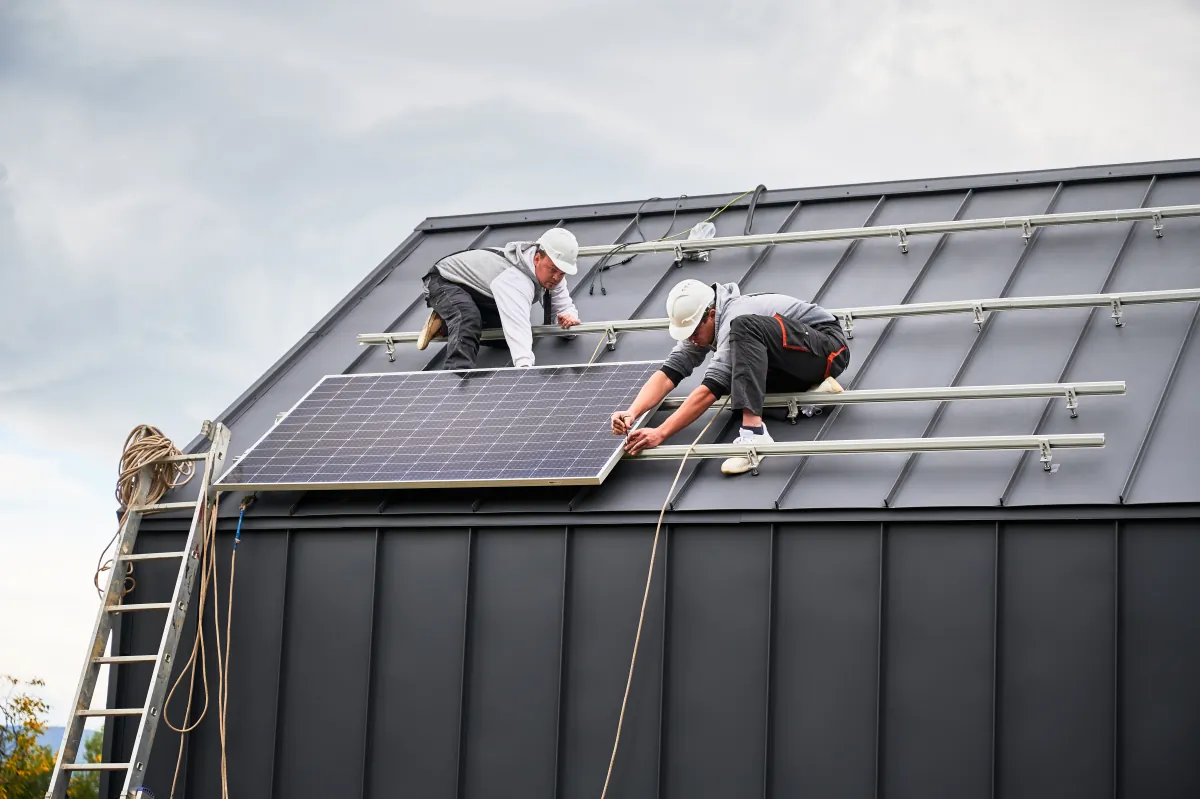
metal roof installation technicians carrying photovoltaic solar module whi

Common Upgrade Paths (What Changes Most)

Metal roofing isn’t a single product. Also, Most residential projects come down to the panel style you choose and the details that keep water out around edges, penetrations, and valleys. Also, Once you understand those moving parts, you can compare bids on real scope instead of buzzwords.

The System, Not Just The Panels

When you read proposals, look for specifics on the panel type, metal, finish, and waterproofing layers. For this reason, Small line-item differences can change upkeep and how the roof looks from the street.

  • Standing seam: concealed fasteners and a clean look; often chosen for long runs and a higher-end finish.
  • Exposed-fastener panels: a more budget-friendly path with visible screws and washers; plan for periodic inspections and fastener maintenance.
  • Steel vs aluminum: steel is common and strong; aluminum is lighter and can perform well in corrosive coastal environments.
  • Coating/finish: ask what coating system is specified and whether the color is rated for high-UV exposure; this affects fade and chalking over time.
  • Underlayment: many homes use a synthetic underlayment with self-adhered membrane at critical areas like eaves and valleys, depending on roof design.
  • Flashings and trim: custom-bent metal at sidewalls, chimneys, valleys, and roof-to-wall transitions should be spelled out, not implied.

Map Water Flow And Panel Runs

Good metal work starts with planning the “map” of your roof—how water sheds, where panels will land, and how each penetration gets sealed. This is also where experienced crews save time on site, because parts and bends match the roof instead of being improvised.

  • Confirm the roof slope and choose a panel system that matches it.
  • Plan panel direction and seam placement so seams don’t terminate in valleys or other heavy-flow areas.
  • Inventory penetrations (plumbing vents, attic vents, skylights, mounts) and decide what gets replaced or relocated.
  • Detail the edges: drip edge, rake trim, and how gutters tie in.
  • Verify attic ventilation (intake + exhaust) and avoid blocking airflow when adding new underlayment or insulation.
  • Decide where materials stage, how debris is contained, and what access the crew needs each day.

Small Roof Sections And Tricky Transitions

Porch roofs, small additions, dormers, and patio covers can drive more detail work than the main roof. In addition, Treat these areas as their own mini-projects, because transition details often determine whether the roof stays watertight.

  • Low-slope sections may call for specialized detailing or a different waterproofing approach than steeper areas.
  • Where a new metal roof meets stucco or siding, the wall flashing strategy matters as much as the panel choice.
  • Skylights and chimneys benefit from upgraded curbs/flashings and clean water-shedding paths.
  • If you’re keeping part of an existing roof, confirm the exact tie-in detail in writing.

Hypothetical Before/After Snapshot

Hypothetical example: A homeowner has an older roof with repeated leaks near a chimney and several plumbing vent boots that have been patched multiple times. Meanwhile, The roofline includes a couple of valleys that concentrate water during heavy rain.

After the upgrade, the roof gets new underlayment, redesigned flashing around the chimney, updated vent penetrations, and a panel system chosen to fit the roof’s slope and geometry. Overall, The biggest change isn’t just the new surface—it’s the detailed transitions that remove the weak points that caused leaks.

DecisionCommon optionsWhat it changes
Panel styleStanding seam / Exposed-fastenerAppearance, fastener visibility, upkeep, cost
Roof complexitySimple planes / Many valleys & penetrationsLabor time, flashing scope, scheduling
Tear-off scopeFull removal / Overlay where allowedDeck inspection access, disposal, jobsite time
Waterproofing layersSynthetic / Self-adhered at critical areasDry-in speed, protection at transitions
Ventilation updatesNone / Targeted upgradesMoisture control and comfort

If you want help translating these decisions to your roof, you can request a free estimate and ask for a timeline-driven plan.

Budget Ranges And Timeline (Typical)

Pricing for a metal roof varies widely because the roof geometry and detail work matter as much as square footage. Additionally, A clean gable roof with few penetrations is very different from a roof with multiple valleys, skylights, and tie-ins—even at the same size.

Budget Ranges & Timeline (Typical)

  • Installed costs often land around $10–$25+ per square foot in California, depending on panel type, complexity, and detail scope.
  • Once materials are on hand, many projects run about 2–7 working days; complex roofs or deck repairs can extend that window.
  • Material lead times and any required plan review can add calendar time before the first day on site.
  • Ask for a written scope that lists underlayment, flashing, ventilation, and disposal so you can compare bids fairly.

ROI And Resale Priorities

Metal roofing can support resale appeal, especially when it looks intentional and the paperwork is clean. For example, Homebuyers tend to value clarity—what was installed, who installed it, and whether it was permitted when required.

  • Choose a color and profile that matches the home’s style rather than chasing trends.
  • Prioritize visible craftsmanship: straight panel lines, tidy trim, and clean flashing transitions.
  • Keep documentation: proposal scope, warranty paperwork, and permit records when applicable.
  • Address ventilation and attic moisture control; it protects the roof system and the structure below.

Maintenance Tips After Installation

A metal roof is low maintenance, not no maintenance. For this reason, A simple routine helps catch small issues early and keeps water moving where it should.

  • Do a visual check a couple times a year and after major storms.
  • Keep gutters and downspouts clear so water can drain off the roof edge.
  • Trim branches that rub the roof surface or drop heavy debris into valleys.
  • Avoid unnecessary foot traffic; when you do access the roof, use the right walk paths and footwear.
  • Watch sealant and penetration boots over time and replace worn components before leaks start.

Permits And Scheduling Notes

In California, many reroof projects require a permit and inspection, but the rules and review steps vary by city and county. As a result, Your contractor should be able to explain what typically applies for your address, then confirm it with the local building department.

What’s Common, What Varies

  • Simple reroof replacements may use a straightforward permit path, while structural changes can trigger plan review.
  • If you’re adding or relocating penetrations, skylights, or ventilation, expect more documentation and inspection attention.
  • Solar panels can require coordination for removal/reset; align the roof schedule with the solar contractor early.
  • HOAs may have separate approval rules for visible roof color/profile, even when the city permit is routine.

Scheduling Realities You Can Control

  • Choose the panel profile and color early so material ordering doesn’t hold the calendar.
  • Walk the property with the contractor and confirm staging, driveway use, and where a dumpster can sit.
  • Plan for noise and access around attic openings; secure pets and protect stored items from dust.
  • Ask how the roof is protected at the end of each day if weather shifts.

Trust And Accountability Checklist

  • Verify the contractor’s license status and ask for proof of insurance.
  • Make sure the proposal lists underlayment, flashings, edge metal, ventilation, and cleanup—line by line.
  • Confirm who pulls the permit when one is necessary and who schedules inspections.
  • Get a clear communication plan for change orders if deck damage is found after tear-off.
  • Request progress photos of critical details (valleys, sidewalls, penetrations) before panels cover them.
tab shingles modern roofing and decoration of chimneys

Serving Sacramento Homeowners

US Construction & Remodeling Corp. Also, helps Sacramento homeowners plan and complete metal roof installation with a clear scope, practical material choices, and a schedule that matches the realities of your roof and access.

Book a timeline-first planning call to talk through options, confirm what needs permits, and map the calendar. For this reason, If you’d rather talk by phone, call +1 (916) 234-6696.

What To Have Ready For A Fast, Accurate Plan

  • A few roof photos (edges, valleys, penetrations, and any problem areas)
  • The current roof type and anything you already know about past leaks/repairs
  • Whether you’re coordinating solar removal/reset or adding skylights/vents
  • Your preferred timing window and any HOA rules on color/profile

Sacramento Permitting Note

If your home is within Sacramento city limits, permitting and plan review typically run through the City of Sacramento Community Development portal (Accela Citizen Access) for applications, payments, and status checks. For example, Outside the city, the process depends on the jurisdiction, so we keep it simple: confirm the local rules early and schedule inspections around the job calendar.

Helpful Links

Frequently Asked Questions

On-site work often takes about 2–7 working days once materials are ready, depending on roof size and complexity.

  • Simple layouts move faster than roofs with multiple valleys and penetrations.
  • Deck repairs, skylight/vent changes, and inspection scheduling can add time.

The biggest price swings usually come from roof geometry and detail scope, not just square footage.

  • Panel system (standing seam vs exposed-fastener)
  • Number of valleys, dormers, skylights, and chimneys
  • Tear-off, disposal, and deck repairs
  • Underlayment, flashing, and ventilation upgrades
  • Gutter/downspout work and access constraints

Often yes, but it depends on the jurisdiction and what changes you’re making.

A reroof replacement may use a standard building permit, while structural changes or significant alterations can require plan review. Confirm requirements with your local building department, and have the contractor clarify who will pull the permit and schedule inspections.

Both can work well when installed correctly; the right choice depends on your budget, roof layout, and the look you want.

  • Standing seam: hidden fasteners and a sleek finish; often chosen for long runs and a premium appearance.
  • Exposed-fastener: more budget-friendly; visible fasteners mean periodic inspection and maintenance matter.

Ask the contractor to explain how each option handles penetrations, valleys, and thermal movement on your roof.

With the right underlayment and proper attic insulation and ventilation, most homeowners find a metal roof sounds and feels similar to other roof types.

Panel color and coating can affect heat gain, so it’s worth asking for options that suit your home’s sun exposure and local requirements.

Use a scope checklist and compare what’s included, not just the bottom-line price.

  • Underlayment type and where self-adhered membrane is used
  • Flashing details for chimneys, walls, skylights, and valleys
  • Ventilation plan (intake/exhaust) and any changes to vents
  • Tear-off, deck inspection, and disposal scope
  • Warranty terms and what maintenance is expected
  • Who handles permits and inspection scheduling

Licensed, insured & trusted local contractor

US Construction & Remodeling Corp.
9821 Business Park Dr, Sacramento, CA, 95827
Phone: +1 (916) 234-6696

CSLB License #: 1117562 Fully licensed and insured.

View our Google Business Profile

Service info for Sacramento

For the complete overview of process and planning in Sacramento, visit Roofing Remodeling (Landing Page).

Frequently Asked Questions

On-site work often takes about 2–7 working days once materials are ready, depending on roof size and complexity.

  • Simple layouts move faster than roofs with multiple valleys and penetrations.
  • Deck repairs, skylight/vent changes, and inspection scheduling can add time.

The biggest price swings usually come from roof geometry and detail scope, not just square footage.

  • Panel system (standing seam vs exposed-fastener)
  • Number of valleys, dormers, skylights, and chimneys
  • Tear-off, disposal, and deck repairs
  • Underlayment, flashing, and ventilation upgrades
  • Gutter/downspout work and access constraints

Often yes, but it depends on the jurisdiction and what changes you’re making.

A reroof replacement may use a standard building permit, while structural changes or significant alterations can require plan review. Confirm requirements with your local building department, and have the contractor clarify who will pull the permit and schedule inspections.

Both can work well when installed correctly; the right choice depends on your budget, roof layout, and the look you want.

  • Standing seam: hidden fasteners and a sleek finish; often chosen for long runs and a premium appearance.
  • Exposed-fastener: more budget-friendly; visible fasteners mean periodic inspection and maintenance matter.

Ask the contractor to explain how each option handles penetrations, valleys, and thermal movement on your roof.

With the right underlayment and proper attic insulation and ventilation, most homeowners find a metal roof sounds and feels similar to other roof types.

Panel color and coating can affect heat gain, so it’s worth asking for options that suit your home’s sun exposure and local requirements.

Use a scope checklist and compare what’s included, not just the bottom-line price.

  • Underlayment type and where self-adhered membrane is used
  • Flashing details for chimneys, walls, skylights, and valleys
  • Ventilation plan (intake/exhaust) and any changes to vents
  • Tear-off, deck inspection, and disposal scope
  • Warranty terms and what maintenance is expected
  • Who handles permits and inspection scheduling

Leave a comment

This website uses cookies to improve your web experience.
Explore
Drag