Planning, Budget, And Materials
Good choices start with what you can’t see: plumbing locations, wall framing, and how you move through the room. Meanwhile, When you shop for modern bathroom sinks, the photos rarely show faucet reach, drain offsets, or clearance issues, yet those details decide whether the upgrade feels effortless or annoying.
Planning Checklist Before You Order
- Measure wall-to-wall width, vanity depth, and the open space in front of the sink.
- Confirm door swings and drawer pulls won’t collide in tight bathrooms.
- Verify shutoff valve access and plan an easy way to service the trap.
- Choose single vs double sinks based on actual daily use, not just the look.
- Decide if you’re keeping plumbing in place or intentionally moving it.
- Plan layered lighting: ambient for the room, task at the mirror, and accent if you want a softer evening feel.
- Check lead times for vanities, countertop fabrication, and specialty faucets/drains.
Choosing An Efficient Vanity Zone
Bathrooms don’t always use kitchen terms, but layout logic still applies to where the sink run sits and how people circulate.
- Galley: fixtures or storage on two opposing walls; keep the aisle wide enough for two people to pass without bumping corners.
- L-shape: a corner vanity or vanity plus a short return; useful when a door or window limits one wall.
- U-shape: vanity with side storage towers or a makeup knee-space; works best in larger primary bathrooms.
- Island-centered: a freestanding “vanity island” in a large suite; it looks sharp, but it demands careful plumbing planning and generous clearances.
Cabinet Door Styles And Storage That Feel Modern
- Slab fronts: clean lines and minimal visual noise.
- Shaker: classic proportions that still read modern with simple hardware.
- Recessed panel: a more traditional look that can still pair well with modern fixtures.
Storage is where “modern” becomes practical. Additionally, Favor full-extension drawers, a dedicated spot for hair tools, and dividers that keep small items from turning into countertop clutter.
Cabinets, Tops, Tile, And Fixtures
Vanity cabinets: Look for stable construction and well-sealed edges in wet zones. Also, Plywood boxes often handle humidity better than low-grade particle board, while quality MDF fronts can deliver a very smooth painted finish when properly sealed.
Countertops: Quartz is popular for durability and easy cleaning. In addition, Porcelain slab can look very sleek and resists staining, while solid-surface tops can create a seamless integrated sink look. For this reason, Natural stone can be beautiful, but some options demand more maintenance.
Sinks: Vitreous china and fireclay are common for a clean, bright look. Overall, Undermount sinks simplify wipe-down, vessel sinks add drama but require careful faucet pairing, and integrated sinks minimize seams.
Tile and wall protection: A backsplash or splash panel behind the sink prevents paint damage and makes cleaning faster. For this reason, Choose grout and edge details that you can actually maintain.
Flooring choices near the vanity: Porcelain tile is a go-to for wet areas. Many homeowners also consider waterproof flooring products for comfort underfoot, but you still want clean transitions and a plan for water at the vanity toe-kick.
Timeline And Permit Considerations
A sink-zone upgrade can be as small as a fixture swap or as involved as a full vanity relocation. The scope decides the timeline, and the scope also decides whether permits and inspections come into play.
Roadmap From Plan To Closeout
- Site check: measure, confirm existing plumbing, and review clearances.
- Selections: sink type, vanity, faucet, countertop, lighting, and finishes.
- Order materials: confirm lead times before you schedule demolition.
- Demolition and prep: remove existing vanity/sink and address wall/floor prep.
- Rough-in work (if needed): plumbing and electrical adjustments.
- Install: vanity, countertop, sink, faucet, mirror, and lighting.
- Punch list and cleanup: verify operation, check for leaks, and confirm finish details.
Budget Ranges & Timeline (Typical)
- Basic refresh: keep plumbing in place; fastest turnaround once materials arrive.
- Vanity + top replacement: more coordination and finish work; still manageable when the layout stays put.
- Layout change: moving drains/vents or adding electrical increases inspection and scheduling dependencies.
- Special-order items: custom cabinetry, slab fabrication, or niche fixtures can add lead time.
Permit Questions To Settle Early (General Guidance)
- Are you moving the sink location, drain, or venting?
- Are you adding or relocating electrical for lighting, outlets, or a fan?
- Are you opening walls or changing framing?
- Will the work touch waterproofing, tile, or other areas tied to inspection requirements?
What Changes The Scope
| Decision | What it affects | Why it matters |
|---|
| Keep plumbing in place | Timeline + complexity | Fewer dependencies and fewer surprises behind the wall |
| Switch sink type | Faucet + countertop | Faucet reach and hole layout must match the basin |
| Change vanity depth/height | Clearances + comfort | Door swings and walking space can make or break usability |
| Upgrade lighting at mirror | Electrical scope | Better grooming light often requires new wiring or boxes |
How To Avoid Costly Mistakes
Most expensive “mistakes” aren’t about taste. For example, They happen when measurements, faucet geometry, and installation details don’t match the products you bought.
Top Mistakes We See With Sink Upgrades
- Ordering a faucet that’s too short or too tall for the chosen basin.
- Choosing a basin size that leaves no usable counter space.
- Ignoring drawer and door conflicts in small bathrooms.
- Skipping wall protection behind the sink, which leads to paint and drywall damage.
- Underestimating lead times for vanities and countertop fabrication.
- Forgetting service access to shutoffs and traps, making future repairs harder.
Small-Bathroom Sink Layouts That Save Space
- Wall-hung or floating vanity to keep the floor visually open.
- Shallower vanity depth paired with a compact undermount basin.
- Corner-friendly L-shape vanity when one wall is blocked by a door.
- Recessed medicine cabinet to add storage without narrowing the aisle.
- Wall-mount faucet to reclaim countertop space on a tight vanity.
- Light, consistent finishes to reduce visual clutter in a small room.
Where To Spend For Broad Appeal
For resale value, buyers tend to notice what they touch daily: drawers that glide well, lighting that flatters, and surfaces that look clean without constant work.
- Choose durable countertop and sink surfaces that resist staining and etching.
- Prioritize storage upgrades that keep counters clear.
- Invest in mirror-area task lighting; it reads “updated” immediately.
- Keep the layout intuitive unless you have a strong reason to move plumbing.
An Anonymized Before/After Example (Hypothetical)
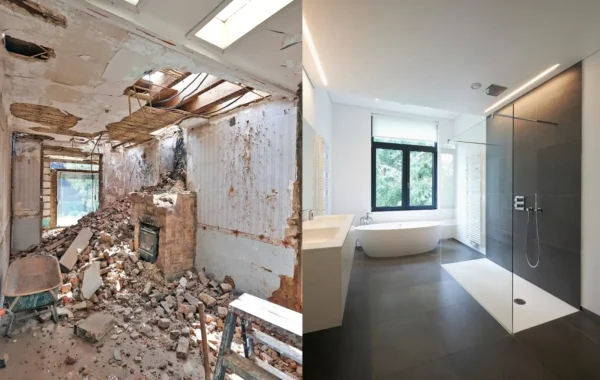
Hypothetical example: A homeowner starts with a shallow bowl sink that splashes, a short faucet that hits the back wall, and a vanity with little drawer space. Overall, The upgrade keeps plumbing in place, switches to a deeper undermount basin with a properly sized spout reach, adds drawer organizers, and installs balanced task lighting at the mirror. For this reason, The finished sink zone looks cleaner and, more importantly, it stays cleaner with less effort.
Maintenance Tips That Keep The Sink Zone Looking New
- Use non-abrasive cleaners on most tops and basins; avoid harsh pads that dull finishes.
- Wipe water off hardware finishes regularly to reduce spotting.
- Refresh caulk lines when they show gaps or discoloration.
- Clean pop-up drains and traps periodically to prevent slow draining.
- Follow the countertop manufacturer’s care guidance for sealers or specialty materials.