Rain Gutters Installers: A Practical California Guide
Gutters look simple, but they control where rainwater lands around your home. When you’re comparing rain gutters installers in California, the best outcome comes from good planning: the right size, the right downspout layout, and clean discharge away from the foundation. US Construction & Remodeling Corp. put together this homeowner-focused guide to help you ask sharper questions and get clearer quotes.
Quick checklist:
- Decide the scope: cleaning, repair, guards, or full replacement.
- Confirm gutter size/material and how many downspouts you need for runoff.
- Plan downspout discharge and drainage so water moves away from walls, stairs, and the foundation.
- Ask whether fascia/rot repair is included and how corners/seams will be sealed.
- Compare 2–3 itemized quotes (linear feet, downspouts, guards, disposal, warranty).
- Schedule around weather and run a hose test at the final walkthrough.
TL;DR: Choose the downspout discharge plan and gutter size before you compare bids, because those two decisions drive performance and price. For a quick phone consult, call +1 (916) 234-6696.
- Map where each downspout will drain (splash block, extension, drain line)
- Choose gutter size/profile that matches your roofline (5-inch vs 6-inch)
- Decide whether you want gutter guards and what type
- Confirm fascia condition and any wood repairs before install day
- Set expectations for seams, corners, and a final water test
- Schedule ahead of the rainy season to avoid rush lead times
A Practical Overview For Rain Gutters Installers
| Decision | Why it matters | Quick check |
|---|---|---|
| Gutter size (5-inch vs 6-inch) | Capacity affects overflow risk during heavy rain. | Ask the installer to size based on roof area and runoff. |
| Downspout locations | Where water lands affects erosion and slip hazards. | Map discharge points and confirm extensions/splash blocks. |
| Guards/screens | Reduces clogs but still needs maintenance. | Choose based on debris type and confirm cleaning access. |
| Fascia condition | Weak/rotted fascia causes sagging and leaks. | Inspect before install; include repair allowance in scope. |
A gutter system is more than metal along the eaves. It’s a drainage plan that protects fascia boards, siding, paint, and the soil next to your home. Meanwhile, The installer’s job is to match the gutter size and slope to the roofline, hang it securely, seal joints, and route downspouts so water exits where you actually want it.
Many homeowners call after they notice overflow, staining, or pooling water. In addition, Even so, acting earlier can save hassle—especially if you see seams separating, hangers loosening, or water running behind the gutter during a storm.
- Leaks at seams or end caps: recurring drips often point to worn sealant or poor fit
- Sagging runs: hanger spacing may also be off, or fascia wood may be compromised
- Overflow at corners: slope, clogs, or undersized downspouts can cause backups
- Water marks on fascia/siding: water is missing the gutter or escaping behind it
- Erosion under downspouts: discharge needs a controlled path away from the home
ROI & Resale: What Gutters Protect
New gutters rarely feel “glamorous,” yet buyers notice water damage fast. Overall, A clean, properly routed drainage system helps prevent avoidable repairs and supports curb appeal.
- Prioritize solid attachment and correct slope over extra add-ons
- Choose discharge that won’t stain concrete or wash out landscaping
- If you’re selling soon, focus on neat lines, color match, and clean corners
Planning And Scope Decisions
Clear scope beats guesswork. For this reason, Before you collect bids, decide what “done” means for your house—replacement only, replacement plus fascia repair, new downspout routing, or an upgrade to larger gutters. For example, Most rain gutters installers can quote faster (and more accurately) when you share photos of each elevation and any trouble spots.
Downspout Layout Planning (Where Water Goes)
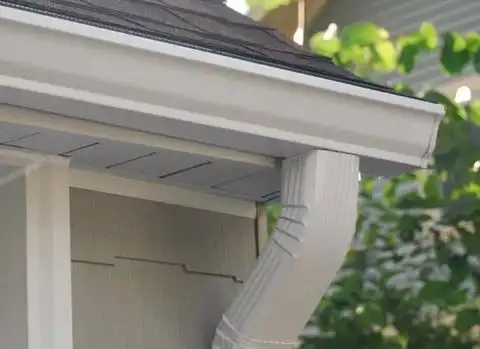
Downspouts matter as much as gutters. Also, They control how water leaves the roof and where it ends up after it hits the ground.
- Pick discharge locations: avoid dumping water right next to the foundation when possible
- Plan for extensions or splash blocks: simple additions can reduce erosion
- Coordinate with existing drains: if you tie into drainage, confirm local rules first
- Watch property lines: route discharge so it stays on your property and doesn’t create disputes
Tight-Access Homes And Small Rooflines
If your home sits close to fences, neighbors, or hardscape, downspout placement gets tricky. For example, The goal stays the same: move water away without creating trip hazards or an eyesore.
- Use compact elbows and clean wall straps so downspouts sit tight to the wall
- Place downspouts at corners when it keeps extensions shorter and cleaner
- Where side yards are narrow, route discharge toward a safer front/back exit point
- Keep cleanouts accessible if you use any underground drainage components
Material Choices And Lead Times For Rain Gutters Installers
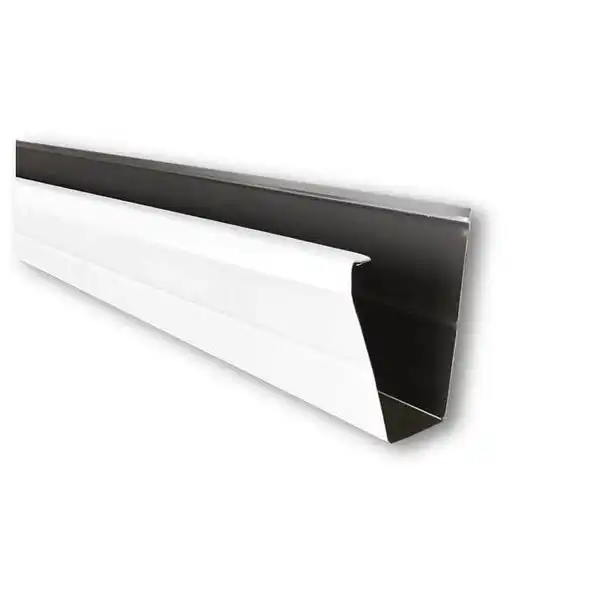
Gutters come in a few common materials and profiles, and each one changes cost, durability, and lead time. As a result, Stock aluminum in standard colors is usually easiest to source, while specialty metals or custom colors can take longer. If your project needs a specific match for trim or HOA guidelines, confirm that early so it doesn’t hold up installation.
Aluminum, Steel, Copper, And More
- Aluminum: a practical balance of price and corrosion resistance for many homes
- Galvanized steel: rigid and strong; can be a fit in high-impact areas, but needs attention to corrosion over time
- Copper: premium appearance and long service life; higher material cost and typically longer lead times
- Vinyl/sectional systems: may fit very small budgets, but seams and sagging can be more common
Profile matters, too. Additionally, Many homes use K-style gutters for capacity and clean lines, while half-round gutters can suit certain architectural styles. When capacity is a concern, stepping up to a larger gutter and downspout size can improve performance more than any patch or sealant.
Guards, Hangers, And Seam Strategy
Gutter guards can reduce cleaning, but they don’t eliminate maintenance. Overall, The “right” guard depends on roof pitch, debris type, and how accessible the gutters are for periodic checks.
- Screen guards: simpler and more budget-friendly; can clog with fine debris
- Micro-mesh: better for small debris; needs correct install to avoid water overshoot
- Reverse-curve styles: can shed larger debris; results vary based on roof-edge details
| Key decision | Common options | What it affects |
|---|---|---|
| Gutter size | 5-inch vs 6-inch | Capacity, downspout size, overall cost |
| Material | Aluminum, steel, copper | Durability, appearance, lead time |
| Gutter guards | None, screen, micro-mesh | Maintenance routine and upfront budget |
| Downspout routing | Extensions, splash blocks, drains | Water control and landscaping impacts |
| Wood repair | Fascia and rafter-tail repairs | Scope clarity and schedule risk |
Timeline And Work Phases
A well-planned gutter job can move quickly once materials are ready. Also, When you know what happens in each phase, it’s easier to compare proposals and keep the workday smooth.
- Site check & measurements: confirm rooflines, discharge locations, and any fascia concerns
- Scope confirmation: agree on size/profile, downspout count, guard choice, and repairs
- Material order: standard colors may be quick; specialty selections can extend lead time
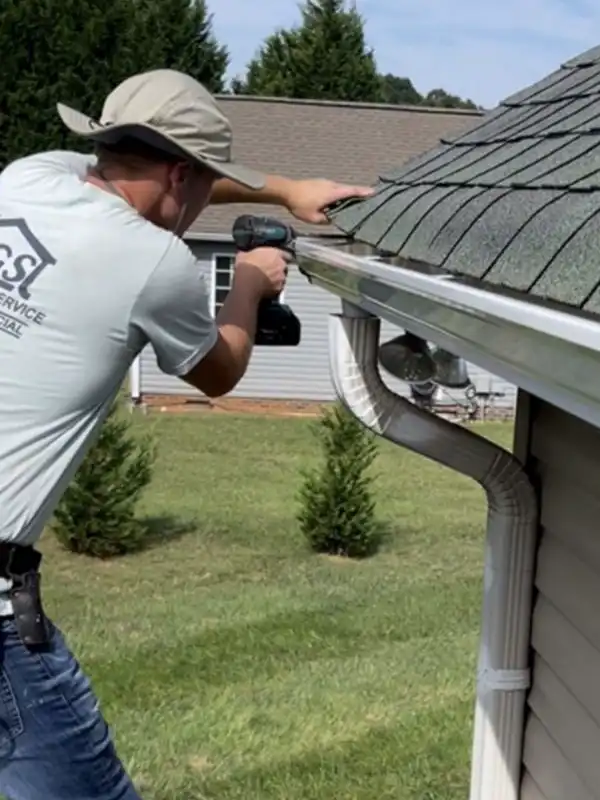
- Installation day: remove old gutters, prep attachment points, hang new runs, seal joints
- Water test & punch list: run water to verify flow, corners, and downspout discharge
Budget Ranges & Timeline (Typical)
- Straightforward replacements often finish in a single visit once materials are on site.
- Multi-story homes, complex rooflines, or tight access can add labor time and setup.
- Upgrading downspout routing (especially into drainage) can add coordination and rules checks.
- Fascia or wood repairs can shift the schedule, so identifying them during the site check helps.
Example Scenario (Hypothetical): From Overflow To Controlled Drainage
A homeowner notices water spilling over a corner during storms and staining the fascia. For this reason, The gutters look “mostly fine,” but the corner run has a slight back-pitch and the downspout empties right beside a walkway.
After the upgrade, the run is rehung with correct slope and secure hangers, the corner is resealed, and the discharge is redirected with an extension to a safer drainage area. Additionally, The result is simpler: water flows through the system instead of behind it, and the splash zone moves away from the home.
How To Avoid Delays
Delays usually come from fuzzy scope or last-minute changes. Additionally, A little planning up front keeps rain gutters installers from waiting on decisions.
- Lock in gutter size, profile, and color before the material order goes in.
- Confirm access: move vehicles, unlock side gates, and clear fragile landscaping near ladders.
- Handle wood repairs as a defined line item, not a surprise on install day.
- If you have an HOA, confirm any exterior appearance rules early.
- Decide how you want downspouts to drain so the crew can bring the right parts.
- Schedule ahead of major storms when possible; wet conditions can limit safe ladder work.
Maintenance After Installation: A Simple Routine
Even great gutters need occasional attention. Overall, A short routine helps you keep performance high and avoid avoidable leaks.
- Inspect gutters and downspouts at least twice a year and after major wind events.
- Clear roof valleys and overhanging debris so it doesn’t wash into the system.
- Run a quick hose test to confirm water exits cleanly at each downspout.
- Check that extensions and splash blocks still direct water where you want it.
- Look for early signs of sagging so you can address hanger issues before they spread.

Serving Homeowners In Sacramento
US Construction & Remodeling Corp. In addition, is based in Sacramento and helps homeowners across California with gutter replacements, upgrades, and downspout planning. Homeowners who call us often want rain gutters installers who will handle the details—size, materials, discharge locations, and repair items—so the install day stays efficient and the drainage result makes sense for the property.
Call+1 (916) 234-6696 for a quick consult, or request an estimate online at https://usconstructioncali.com/free-estimate/.
Local Realities That Affect Gutter Projects
In the Sacramento area, many homeowners start calling right before the first heavy rains. As a result, Planning earlier can give you more scheduling flexibility and more material options, especially if you want a specific color or guard type.
Permits aren’t needed for every gutter job, but some scopes can trigger review—particularly if you’re repairing structural wood, changing drainage discharge, or adding underground piping. Additionally, When that comes up, confirm requirements with the local building department so the job stays compliant and inspection-ready.
Trust Checklist Before You Hire
- Verify credentials: ask for current proof of insurance and licensing, and confirm status before you sign.
- Demand a written scope: gutter size/profile, material, downspout count, discharge method, guard type, and haul-away should be spelled out.
- Clarify permit responsibility: if a permit applies, the agreement should state who pulls it and who schedules inspections.
- Set communication expectations: get a work window, arrival communication, and a plan for change orders if hidden damage appears.
- Confirm workmanship checks: ask for a final water test and confirmation that gutters drain correctly at each downspout.
Related Exterior Items Worth Checking
Gutters often reveal other exterior needs. Additionally, If you’re already investing in this upgrade, it can be smart to review adjacent items so you don’t pay for access twice.
- Fascia repair and trim replacement
- Roof edge condition at eaves (drip edge and flashing alignment)
- Exterior paint touch-ups where old gutters were removed
- Drainage improvements where downspouts discharge
Company Details For Your Records
Helpful Links
Frequently Asked Questions
Ask each contractor to quote the same written scope. At a minimum, confirm:
- Gutter size and profile (5-inch/6-inch, K-style/half-round)
- Material and finish/color
- Downspout count, locations, and how discharge is handled
- Guard type (if any) and what maintenance it requires
- Any fascia/wood repairs and who is responsible
- Haul-away and a final water test
Once materials are ready, many straightforward replacements can be completed in a single visit. Complex rooflines, multi-story access, tight clearances, or added wood repairs can extend the work. Weather and site access can also affect scheduling.
The biggest drivers are the total roofline length, number of stories, roofline complexity (corners and transitions), material choice, guard selection, and downspout routing. Repairs to fascia or hidden wood damage can also change the scope, which is why a site check matters.
It depends on your jurisdiction and the scope. Like-for-like replacement may not require a permit in some areas, while drainage changes, structural wood repairs, or added underground piping can trigger review. When in doubt, check with your local building department before work begins.
They can be, especially if your roof drops a lot of debris into the gutters or access is difficult. Guards reduce cleaning frequency, but you should still plan for periodic inspections and occasional cleanouts. The best choice depends on the debris type and roof edge details.
Keep it simple and specific:
- What size gutters and downspouts do you recommend, and why?
- How will you route discharge away from the home?
- How do you handle fascia repairs if you find damage?
- Will you perform a final water test?
- Can you provide current insurance and licensing info?
If you want to talk through options for your home, call +1 (916) 234-6696 or book at https://usconstructioncali.com/free-estimate/.
Licensed, insured & trusted local contractor
US Construction & Remodeling Corp.
9821 Business Park Dr, Sacramento, CA, 95827
Phone: +1 (916) 234-6696
CSLB License #: 1117562 Fully licensed and insured.