Skip links

Roofing Contractor in Los Angeles: Hiring Checklist

Choosing a roofing contractor los angeles homeowners feel confident hiring starts with a clear scope and a few non-negotiable questions. This homeowner checklist shows you how to compare bids, plan timing, and protect yourself in the contract—before anyone climbs a ladder.

Quick checklist:

  • Confirm the scope: repair, partial replacement, or a full reroof.
  • Pick a material system and verify underlayment, flashing, and ventilation details.
  • Clarify tear-off vs overlay and what happens if decking damage is found.
  • Verify license/insurance where required, and compare bids line-by-line (allowances, exclusions, change orders).
  • Schedule around weather and confirm daily cleanup and protection.
  • Do a final walkthrough: flashing, vents, and warranty documentation.

TL;DR: Define what you want replaced, collect at least three comparable bids, and insist on a written scope plus a written change-order policy. If a proposal stays vague after you ask direct questions, treat that as a warning sign—not a bargain.

  • Confirm license and insurance details
  • Get a written scope (tear-off, disposal, underlayment)
  • Compare flashing and ventilation approach
  • Ask who is on-site and who supervises
  • Use milestone payments, not big upfront payments
  • Hold final payment until cleanup and punch list

Want a quick reality check on your bids? Call +1 (916) 234-6696 or book a free estimate at https://usconstructioncali.com/free-estimate/.

How To Hire For Roofing Contractor In Los Angeles (Without Guesswork) For Roofing Contractor Los Angeles

A roof is a system. Meanwhile, When a bid skips key details, you end up guessing what you are actually buying. Also, A stronger approach is simple: lock in the decisions that drive price and durability, then evaluate contractors on how clearly they explain the work.

Before you call a roofing contractor los angeles homeowners often do best when they write down their priorities. In addition, That way, every company bids the same job and you can compare fairly.

Pre-Bid Planning Checklist (Lock These In Early)

  • Roof type and slope: shingles, also tile, low-slope, or mixed areas
  • Known problem areas: leaks, ponding spots, chimney/wall intersections, skylights
  • What stays vs. Also, what goes: keep or replace gutters, vents, skylights, satellite mounts
  • Access constraints: narrow driveways, limited parking, gated side yards, landscaping to protect
  • Noise and timing constraints: work-from-home hours, pets, shared walls (if applicable)
  • Your finish priorities: color, profile, and whether you value longer warranties over lowest price

Contractor Interview Questions (Ask These Out Loud)

  • Who will be the on-site lead each day, and how do I reach them?
  • What is your plan for protecting landscaping, windows, and exterior finishes during tear-off?
  • How do you handle hidden decking damage, and how do you price it?
  • Which underlayment and membranes do you specify, and where will you install them?
  • Will you replace flashing at walls/chimneys/valleys, or reuse existing flashing?
  • How will you address roof ventilation (intake and exhaust) on this roof?
  • What does your cleanup include (magnetic sweep, debris haul-away), and how many passes?
  • If permits or inspections are necessary, who pulls them and who schedules inspections?
  • What paperwork do you provide at the end (warranty terms, photos, final invoice, releases)?

Red flags to take seriously: pressure to sign on the spot, refusal to specify materials, unclear supervision, or a bid that relies on broad “as needed” language without pricing rules.

Bid Comparison Checklist (Apples-To-Apples)

Two bids can look similar and still cover different work. Overall, To avoid surprises, require each proposal to spell out scope, materials, and what happens when the crew finds damage after tear-off.

  • Tear-off and disposal: how many layers, what gets removed, and where debris goes
  • Decking plan: how repairs are approved and priced (unit price per sheet, photo proof, etc.)
  • Underlayment and membranes: brand/type and where each is installed
  • Flashing and penetrations: chimneys, walls, valleys, pipe boots, vents, skylights
  • Ventilation: what is added or modified, and why
  • Warranty: what is covered, for how long, and what actions void coverage
  • Site protection and cleanup: tarps, landscaping protection, nail pickup, daily cleanup
Bid ItemWhat to ConfirmQuestion to Ask
ScopeRemoval, disposal, replacement areasWhat is specifically excluded?
Deck repairsApproval method and pricing ruleHow will you document any replacements?
UnderlaymentType/brand and placementWhere do you install membranes and why?
FlashingNew vs. reused, and at which locationsWhat gets replaced at chimneys and walls?
VentilationAdded/modified vents and targetsHow do you prevent heat and moisture buildup?
CleanupDaily cleanup, final sweep, haul-awayHow many magnetic sweeps do you do?

If one bid is dramatically lower, do not guess why. For example, Ask them to map their scope against the checklist above. In addition, You want clarity, not surprises after you commit.


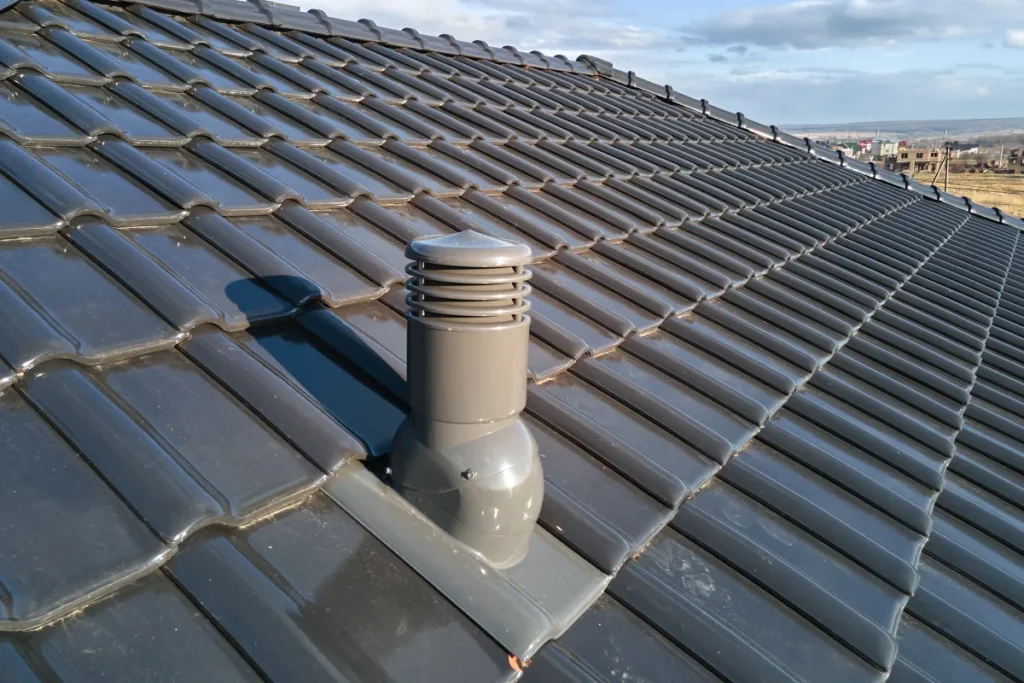
roof exhaust vent view of turbo deflector for ventilation on a brick

Contract Basics (Payment Schedule, Scope) For Roofing Contractor Los Angeles

A roofing contract should read like a playbook. Additionally, When the scope is tight and the payment schedule follows milestones, you reduce conflict and protect your budget.

  • Exact scope of work: tear-off areas, replacement areas, and what happens at edges and transitions
  • Materials list: shingle/tile type, underlayment, membranes, vents, flashing, fasteners
  • Protection plan: tarping, landscaping protection, daily site cleanup expectations
  • Milestone payments: tied to progress, not dates on a calendar
  • Change-order rules: written approval before extra work begins
  • Warranty terms: what is covered and what maintenance is expected from the owner
  • Closeout documents: final invoice, warranty info, and any required sign-offs

Keep the payment schedule simple. As a result, A reasonable structure uses smaller payments as the job progresses and leaves a meaningful final payment until the roof is complete, clean, and documented. State laws can also limit deposits; ask your contractor what applies and put it in writing.

Common Mistakes That Trigger Disputes

  • Signing a vague scope that does not list materials or flashing work
  • Assuming “deck repairs included” without a written pricing rule
  • Approving changes verbally and arguing about cost later
  • Paying too much before materials arrive and work starts
  • Skipping paperwork at the end (warranty terms, receipts, releases)

Timeline Planning And Change Orders

Roofing work moves fast once it starts, but planning takes time. For this reason, Your contractor should walk you through the schedule, what can delay it, and how they handle decisions mid-project.

Typical Timeline (What Happens When)

  • Walkthrough and measurements: usually one visit, plus follow-up questions
  • Bid finalization: scope confirmation, materials selection, written proposal
  • Permits/inspections (if required): timing varies; Los Angeles LADBS offers online services and some scopes may qualify for faster processing
  • Material ordering: can range from days to weeks depending on product availability
  • On-site work: many standard reroofs take a few days; steep, complex, or multi-surface roofs take longer
  • Cleanup and closeout: final sweep, punch list, and paperwork handoff

Change orders are normal when you uncover damaged decking or hidden flashing problems. For example, What matters is how they are controlled. Overall, Require a written description, price, and schedule impact before the extra work starts.

Tight Lots & Small Roof Areas: Layout And Access

Some properties feel “small” from a roofing perspective even when the home is not. Overall, Limited parking, narrow side yards, and tight staging areas can slow production and raise costs. For example, You can reduce that friction by planning logistics early.

  • Choose a staging zone for shingles/tile deliveries that does not block exits or access
  • Confirm dumpster placement rules and protect driveways with boards as needed
  • Identify a safe ladder location and keep walkways clear for your household
  • Discuss work hours and noise expectations so you can plan around them
  • Protect exterior equipment (AC units, patio covers) with agreed coverings and no-drop zones
roof exhaust vent factory building metal roof turbine ventilation

Quality Checks Before Final Payment

The last step is not a handshake—it is verification. Also, A professional crew will welcome a final walkthrough because it confirms the job is complete and the details are right.

Final Walkthrough Checklist

  • Flashing looks complete: clean transitions at walls, chimneys, and valleys with no obvious gaps
  • Penetrations are sealed: pipe boots, vents, and skylight edges look tight and properly finished
  • Ridge and edges are straight: caps and edge details look consistent from the ground
  • Ventilation matches the plan: added vents are installed where the bid stated
  • Cleanup is real: gutters cleared (if applicable), debris removed, and at least one magnetic sweep performed
  • Documentation is delivered: warranty terms, final invoice, and any required sign-offs

If permits or inspections apply to your scope, confirm the permit is finalized. Overall, In Los Angeles, LADBS provides online tools that can help you track parts of the process, and your contractor should tell you what was filed and what was approved.

Need a straight answer on scope, timing, and contract details? US Construction & Remodeling Corp. Overall, can provide a written estimate and help you compare options without pressure. For example, Call +1 (916) 234-6696 or use our free estimate form.

Helpful Links

Frequently Asked Questions

It depends on your roof type and the scope of work. A reputable contractor will confirm what applies to your address and, when required, coordinate the permit and inspection steps through LADBS.

A solid bid spells out scope and materials so you can compare apples-to-apples.

  • Removal and disposal details
  • Underlayment/membranes
  • Flashing and penetrations
  • Ventilation plan
  • Deck repair pricing rule
  • Cleanup and warranty terms

Three written bids is a practical target for most homeowners. More than that can be useful if the roof is complex, but only if you keep the scope identical so the comparisons stay fair.

Change orders cover work that was not visible during the initial inspection, such as damaged decking found after tear-off. Ask for a written description, price, and schedule impact before the added work begins.

Make the final payment after the punch list is complete, the site is clean, and you receive your closeout documents (warranty terms and final invoice). If inspections apply, wait until the inspection is signed off.

Yes. If you have two or three proposals, we can review them with you and point out scope gaps, unclear materials, and contract risks.

Call +1 (916) 234-6696 or book a free estimate at https://usconstructioncali.com/free-estimate/.

Licensed, insured & trusted local contractor

US Construction & Remodeling Corp.
9821 Business Park Dr, Sacramento, CA, 95827
Phone: +1 (916) 234-6696

CSLB License #: 1117562 Fully licensed and insured.

View our Google Business Profile

Start with the pillar guide

For a complete overview (scope, timeline, and planning tips), see our main page: Roofing Remodeling (Landing Page).

Leave a comment

This website uses cookies to improve your web experience.
Explore
Drag