Shower Glass / Enclosure Estimator Calculator

Shower Glass / Enclosure Estimator
Estimate a shower enclosure budget in minutes.
Shower Glass Summary
Online calculators can be a helpful starting point, but a shower glass enclosure estimator only works if it matches how the enclosure will actually be built. Door style, glass thickness, wall conditions, and hardware all change the number. This guide shows what to measure, what choices matter, and what to ask for in a written estimate.
Quick checklist:
- Define the scope and prioritize daily function (shower, storage, ventilation).
- Confirm what trade work is involved (plumbing, electrical, drywall) and the order of work.
- Choose finishes that hold up in wet areas and are easy to clean.
- Collect 2–3 quotes and compare line-by-line (scope, allowances, cleanup, warranty).
- Decide what needs to be ordered first (tile, fixtures, vanity) to keep the schedule moving.
TL;DR: Use any estimator to narrow your style and budget, then confirm everything with an on-site measurement and an itemized quote. If you are changing tile, moving plumbing, or rebuilding the shower base, your scope and timeline can shift fast.
- Take 4–6 photos: full shower, corners, curb, and the top of the tile
- Measure opening width at top/middle/bottom and record the smallest
- Pick a door style: hinge/pivot or sliding
- Choose glass and finish: clear vs low-iron, hardware color, optional coating
- List extra work: tile repair, new valve, lighting, or a vent fan
Want a number you can rely on? A contractor should verify measurements, confirm what is included, and put the details in writing before you order custom glass.
Signs It’s Time For Shower Glass / Enclosure Estimator Calculator For Shower Glass Enclosure Estimator
| Decision | Why it matters | Quick check |
|---|---|---|
| Wet-area finishes | Wet zones need durable, easy-clean surfaces. | Choose materials rated for bathrooms and simple maintenance. |
| Ventilation | Helps prevent humidity and long-term damage. | Confirm fan sizing and vent routing. |
| Layout | Good layout improves daily usability. | Verify clearances and door swings. |
| Budget control | Keeps scope creep from blowing up the price. | Use allowances and a written change-order process. |
- Hard-to-clean framed tracks: switch to a semi-frameless or frameless shower enclosure
- A door that hits the toilet or vanity: consider a sliding shower door or a tighter hinge swing
- Chipped edges or a loose handle: replace with tempered safety glass and new hardware
- Cloudy glass you cannot restore: upgrade to low-iron glass and add an easy-clean coating
- Leaks at the bottom: replace worn seals and confirm the curb slopes toward the drain
- Cracked grout lines near the shower: plan for tile and waterproofing repairs before new glass
- An outdated look: match the enclosure with updated fixtures and a modern showerhead
- A dim shower: add layered lighting (ambient plus task) so the glass looks clean and bright
- A tired vanity: update to Shaker or slab door styles and a durable quartz top
- Slippery floors: choose slip-resistant porcelain tile or waterproof vinyl flooring in the bathroom
Shower glass problems usually show up as leaks, corrosion, sticking doors, or stains you cannot remove. Meanwhile, A good estimate starts with the real condition of your walls and tile. “Out of plumb” means the wall is not perfectly vertical, and that can force custom cuts and wider gaps.
Small-Space Layout Tips That Affect The Glass
Small bathrooms are also where a quick estimate can go sideways. Clearances matter more than style.
- Use a sliding door when a swing door would block the toilet or vanity
- Consider a fixed panel plus a hinged door to keep the entry clean and wide
- Keep towel bars and hooks away from the door swing and handle zone
- Plan for water control with the right sweep and seal at the bottom edge
Pick The Enclosure Type
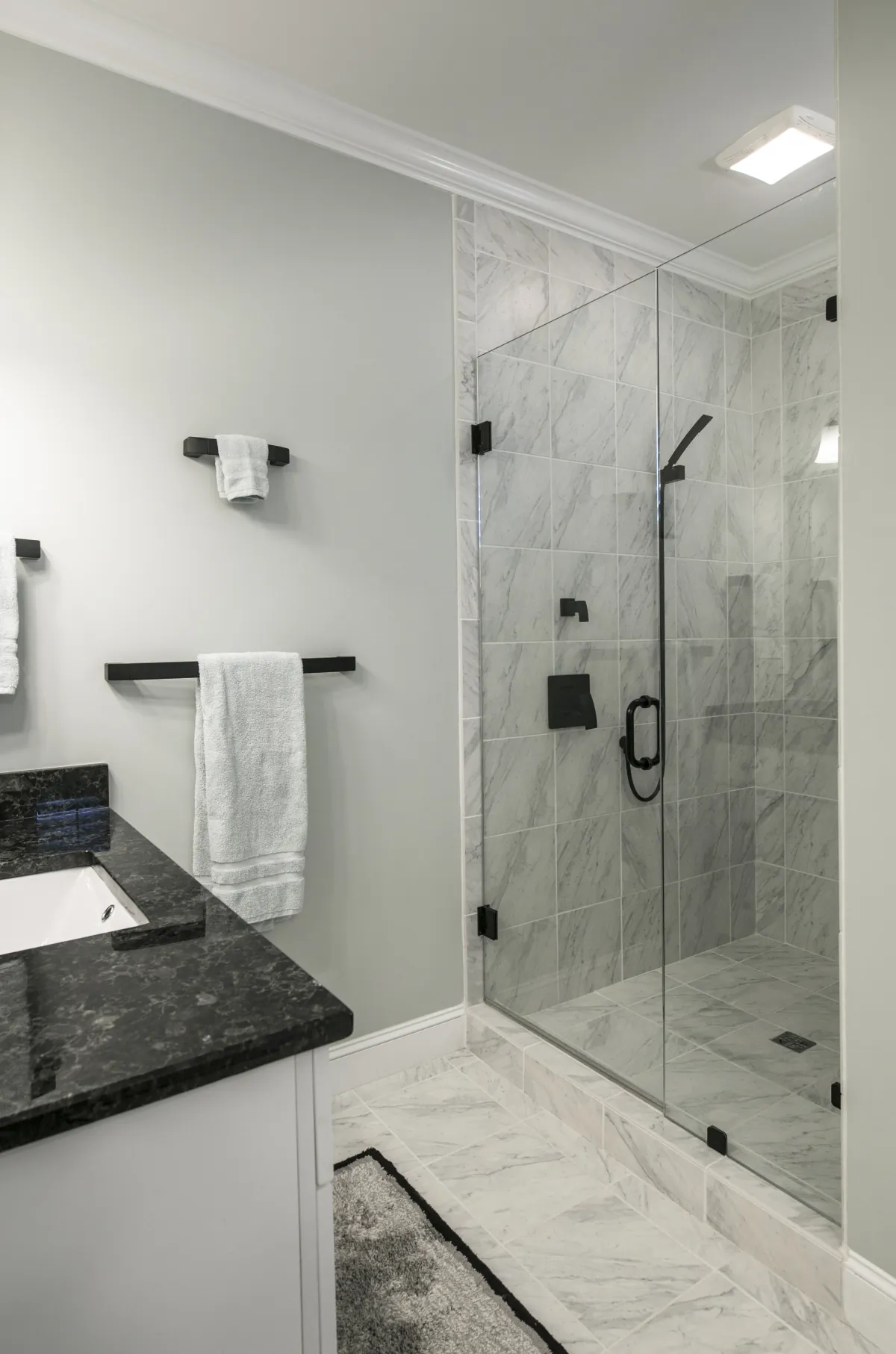
Most showers fall into a few common layouts: an alcove (three walls), a corner shower (two walls), or an open walk-in shower with one or two glass panels. Additionally, Your layout sets the enclosure style and hardware. It also affects how much glass you need and where the door can swing.
If a shower glass enclosure estimator only asks for width and height, treat it as a rough range. For a usable quote, you also need the shower layout, door type, glass thickness preference, and photos of the tile edges and curb.
Common Upgrade Paths (What Changes Most) For Shower Glass Enclosure Estimator
Homeowners usually land in one of three upgrade paths. For example, The right path depends on whether your goal is a simple door replacement or a full shower refresh.
Three Common Scopes (From Simple To Full)
- Glass-only swap: Replace a door or panel and keep tile and plumbing in place.
- Enclosure plus surface fixes: Replace glass and repair tile, grout, or the curb so the new seals work.
- Full shower update: New waterproofing, tile, fixtures, and glass (best for persistent leaks or dated layouts).
What Changes Cost And Durability
Materials affect price, maintenance, and how long the work holds up. For this reason, Here is what to pay attention to when comparing options.
- Glass type: Tempered glass is the common standard for shower enclosures. Overall, Low-iron glass looks clearer but costs more.
- Glass thickness: 3/8-inch and 1/2-inch glass feel different and often require different hardware.
- Hardware: Hinges, handles, and clamps vary in quality. Also, Finishes like matte black can show water spots differently than chrome.
- Tile and grout: Porcelain tile is durable and low-maintenance. In addition, Natural stone looks great but needs sealing and careful cleaners.
- Waterproofing membrane: This is the sealed layer behind tile that keeps water out of the wall. As a result, It is critical when you rebuild a shower.
- Vanity and top: For nearby updates, Shaker doors are a safe, clean look. Also, Quartz and solid-surface tops resist stains better than some natural stones.
- Flooring: Slip-resistant porcelain tile is common in wet areas. In addition, Waterproof vinyl can work outside the shower if installed correctly.
Layout And Finish Planning (Yes, It Matters)
Your bathroom layout influences sightlines, lighting, and how the glass reads. Overall, A narrow “galley” bathroom often benefits from lighter finishes and a clear enclosure. In larger bathrooms, L-shape and U-shape layouts can separate wet and dry zones more cleanly. Some luxury baths use an island-centered plan, such as a freestanding tub as the visual center, which makes lighting and reflections more noticeable.
Match the enclosure to the rest of the room. In addition, Keep cabinet door styles consistent (Shaker, slab, or raised panel). Choose a countertop that can handle daily water exposure. Plan layered lighting: ambient (overall), task (mirror/shower), and accent (niche or toe-kick) so the room feels finished.
Quick Comparison Table (Inputs That Drive The Estimate)
| Decision | What you should specify | Why it changes the price |
|---|---|---|
| Enclosure style | framed, semi-frameless, frameless | More glass and heavier hardware for frameless builds |
| Door type | hinge/pivot or sliding | Different hardware, different clearance needs |
| Wall conditions | straight vs out-of-plumb tile | Custom cuts and larger adjustments add labor |
| Glass choice | clear vs low-iron, thickness, coating | Premium glass and coatings add material cost |
| Scope | glass-only vs tile/plumbing changes | Trade work and waterproofing change the project scale |
Maintenance Tips That Prevent Spots And Leaks
- Squeegee the glass after showers to reduce mineral spots
- Use a pH-neutral cleaner and avoid abrasives on glass and polished tile
- Keep the bottom sweep and seals clean so water does not wick out
- Inspect silicone joints and grout lines a few times per year

Budget Ranges And Timeline (Typical)
US Construction & Remodeling Corp. For example, helps Sacramento homeowners turn an estimator range into a real, written quote by confirming measurements, layout, and the true scope at the shower.
Request a written estimate and include photos plus your preferred door style. As a result, If you would rather talk it through first, call +1 (916) 234-6696.
Budget Ranges & Timeline (Typical)
- Glass-only door/panel replacement: often lands in the low-to-mid four figures, depending on size and hardware.
- Custom frameless enclosures: typically cost more due to thicker glass and heavier hardware.
- Tile, waterproofing, or plumbing changes: usually push the budget and timeline up because multiple trades get involved.
- Timing: custom glass fabrication and scheduling are common drivers, not just installation day.
Cost Drivers To Confirm Before You Approve The Quote
- Exact opening measurements at multiple points (walls are rarely perfectly square)
- Door swing and clearance (what the door can hit, and where water can escape)
- Glass thickness, low-iron upgrades, and optional protective coatings
- Hardware brand/grade and finish (hinges and handles are not all equal)
- Any tile repair or curb work needed for a tight seal
ROI And Resale Priorities
A clean glass enclosure can make a bathroom feel larger and newer. As a result, For resale-friendly choices, focus on finishes that age well and are easy to maintain. Clear glass, simple hardware, good lighting, and durable surfaces usually beat trendy features that require special care.
Trust And Verification Checklist (No Guesswork)
- Ask for an itemized scope that lists glass type, thickness, hardware, and seal details
- Confirm who handles permits when the scope requires them (your local building department decides)
- Verify licensing and insurance in general terms before you pay a deposit
- Set communication expectations: start date, access plan, protection for floors, and cleanup
- Inspect the finished work: smooth edges, tight gaps, secure hardware, and clean water control at the bottom seal
Frequently Asked Questions
An estimator is a planning tool, not a final price. It can help you compare framed vs frameless and hinge vs sliding doors. For a reliable quote, a contractor should confirm real measurements, wall conditions (out-of-plumb tile is common), and exactly what is included.
- Good for: rough budget ranges and option comparisons
- Not enough for: custom cuts, hardware selection, or tile/curb repairs
The biggest cost drivers are the enclosure style, door type, and how “straight” the walls and curb are.
- Frameless vs framed (more glass and heavier hardware)
- Sliding vs hinge/pivot door (hardware and clearance)
- Glass thickness and low-iron upgrades
- Hardware quality and finish
- Tile, curb, or waterproofing repairs needed for a tight seal
Timing depends on when final measurements can happen and how long glass fabrication takes. If you are not changing tile, you can often move faster. If tile or waterproofing is part of the scope, the glass comes near the end.
Plan for multiple steps: site measure, final measure after finished surfaces, then install.
Many glass-only replacements do not require a building permit, but rules vary by jurisdiction and scope. Permits are more likely when you move plumbing, add electrical, change walls, or rebuild the shower base.
If you are in Sacramento and the scope triggers a permit, the City of Sacramento typically handles applications and tracking through its Community Development portal (Accela Citizen Access).
Clear tempered glass is common, and low-iron glass looks brighter. For easier cleaning, focus on how water behaves on the surface and on the quality of the seals.
- Optional protective coatings can reduce spotting
- Simpler hardware profiles trap less soap scum
- Quality hinges and clamps stay aligned longer
- Good bottom sweeps and seals prevent wicking and leaks
Compare details, not just the total. A solid estimate should be itemized and specific.
- Glass type, thickness, and any low-iron upgrade
- Door style, hardware type, and finish
- Seal approach at curb and side jambs
- Scope limits (tile repair included or excluded)
- Who handles permits if the scope requires them
You can also verify a contractor’s license status through California’s CSLB online lookup.
Frequently Asked Questions
An estimator is a planning tool, not a final price. It can help you compare framed vs frameless and hinge vs sliding doors. For a reliable quote, a contractor should confirm real measurements, wall conditions (out-of-plumb tile is common), and exactly what is included.
- Good for: rough budget ranges and option comparisons
- Not enough for: custom cuts, hardware selection, or tile/curb repairs
The biggest cost drivers are the enclosure style, door type, and how “straight” the walls and curb are.
- Frameless vs framed (more glass and heavier hardware)
- Sliding vs hinge/pivot door (hardware and clearance)
- Glass thickness and low-iron upgrades
- Hardware quality and finish
- Tile, curb, or waterproofing repairs needed for a tight seal
Timing depends on when final measurements can happen and how long glass fabrication takes. If you are not changing tile, you can often move faster. If tile or waterproofing is part of the scope, the glass comes near the end.
Plan for multiple steps: site measure, final measure after finished surfaces, then install.
Many glass-only replacements do not require a building permit, but rules vary by jurisdiction and scope. Permits are more likely when you move plumbing, add electrical, change walls, or rebuild the shower base.
If you are in Sacramento and the scope triggers a permit, the City of Sacramento typically handles applications and tracking through its Community Development portal (Accela Citizen Access).
Clear tempered glass is common, and low-iron glass looks brighter. For easier cleaning, focus on how water behaves on the surface and on the quality of the seals.
- Optional protective coatings can reduce spotting
- Simpler hardware profiles trap less soap scum
- Quality hinges and clamps stay aligned longer
- Good bottom sweeps and seals prevent wicking and leaks
Compare details, not just the total. A solid estimate should be itemized and specific.
- Glass type, thickness, and any low-iron upgrade
- Door style, hardware type, and finish
- Seal approach at curb and side jambs
- Scope limits (tile repair included or excluded)
- Who handles permits if the scope requires them
You can also verify a contractor’s license status through California’s CSLB online lookup.