
Skip links

Siding Cost In Los Angeles

If you’re pricing siding in Los Angeles, you’re probably trying to lock down your remodel cost before you choose materials and schedule work. Below you’ll find practical planning ranges, the factors that move bids up or down, and a timeline you can actually plan around.

TL;DR: Siding projects run from small repairs to full exterior replacements, so the number depends on scope, access, and wall prep. Start with a written scope, decide on materials early, and reserve a buffer for hidden repairs.

Quick checklist before you request quotes:

  • Confirm your exterior wall area and the number of stories.
  • Pick a siding direction (vinyl, fiber cement, engineered wood, or another cladding).
  • Decide whether you want added insulation or improved water-resistance details.
  • Ask what the quote covers: tear-off, disposal, barrier, flashing, trim, and finish work.
  • Clarify how permitting is handled when your scope calls for it.
  • Set aside a 10–15% contingency for repairs behind the existing siding.

For a fast, straightforward estimate, call US Construction & Remodeling Corp. at +1 (916) 234-6696 or book online: https://usconstructioncali.com/free-estimate/.

Siding In Los Angeles Budget Planning Guide In Los Angeles For Remodel Cost

Cost driverWhat changes itHow to control it
Scope & layout changesMoving plumbing/electrical and changing layout increases complexity.Lock the layout early; avoid mid-project changes.
Finishes & materialsTile, fixtures, cabinets, and countertops can vary widely.Pick a budget tier first, then choose within it.
Labor & coordinationMulti-trade work needs scheduling and clear handoffs.Use a written scope and clear milestones.
Permits & inspectionsSome scopes require approvals and inspection timing.Check local requirements before starting.

Los Angeles siding budgets vary because the price isn’t just about the material you see from the street. Additionally, Instead, labor access, removal, and wall condition usually drive the spread between a “reasonable” quote and a surprisingly high one.

This type of project is a good fit if your current siding shows damage, paint failure, or constant maintenance, or if you want a cleaner exterior look before listing your home. Overall, Either way, new siding can improve durability and curb appeal—provided the install details are handled correctly.

What Moves Your Siding Price Up Or Down

  • Total wall area: More square footage means more material, also labor, and trim time.
  • Stories and access: Two-story work, tight side yards, or steep grades can require additional setup and safety measures.
  • Removal vs overlay: Tearing off old siding costs more upfront, but it lets you inspect and repair the wall properly.
  • Hidden repairs: Sheathing replacement, framing fixes, and moisture-damage repairs can change the budget once the old siding comes off.
  • Trim complexity: Corners, window/door casings, vents, soffits, and fascia details add time and materials.
  • Finish plan: Some products come pre-finished, while others need priming and painting on site.
  • Permits (when required): Fees and plan review time can influence both cost and start date.

If you want a clean starting point for your remodel cost, ask for a line-item scope and confirm the assumptions about wall condition. Meanwhile, That way you can compare quotes without guessing what each contractor left out.

Call +1 (916) 234-6696 to talk through your siding goals and get a clear estimate range.

Typical Price Ranges By Scope Level

These ranges help with budgeting; they aren’t a substitute for a site visit. In addition, Your exact total depends on your home’s wall area, the number of stories, and what we find once we remove existing materials.

Common Budget Bands (Los Angeles Planning Ranges)

  • Repair + prep + paint (keeping existing siding): about $6,000–$15,000 for targeted fixes and a refreshed finish.
  • Full re-side on a simpler home (often vinyl or engineered wood): about $18,000–$40,000.
  • Full re-side with fiber cement, more stories, or heavy detail work: about $30,000–$75,000+.

Installed Price Per Square Foot (Rough Guide)

  • Vinyl siding: ~$9–$16 per sq ft installed.
  • Engineered wood: ~$12–$20 per sq ft installed.
  • Fiber cement: ~$13–$24 per sq ft installed.
  • Natural wood: ~$15–$30 per sq ft installed, plus higher maintenance expectations.
  • Panel/metal systems: often ~$18–$35+ per sq ft installed.

Where The Budget Typically Goes (Example Line Items)

  • Tear-off and disposal: removal, hauling, dumping fees, and protecting landscaping.
  • Wall prep and repairs: sheathing patches, leveling, and moisture-related fixes.
  • Water-resistive barrier and flashing: housewrap/WRB, window/door integration, and sealants.
  • Siding and trim materials: boards/panels, starter components, corners, and trim packages.
  • Labor and access setup: staging, ladders/scaffolding, and safety steps.
  • Finish work: caulking, paint (when needed), and touch-ups.
  • Permits and inspections (when needed): fees and coordination.
  • Contingency: a smart 10–15% buffer for repairs behind the old siding.

Financing Options For A Siding Project

Many homeowners choose to spread payments out, especially when the project includes necessary repairs. Also, While every situation differs, common options include:

  • Cash savings: simplest path when the scope is smaller.
  • Home equity loan or HELOC: often used for larger exterior upgrades.
  • Cash-out refinance: sometimes considered when rates and timing make sense.
  • Personal loan: can work for mid-size projects without tapping home equity.
  • Credit card promotions: best reserved for smaller portions of work due to higher long-term rates.

If you’d like, we can help you frame the project scope so you know what number to finance and what items to keep as optional add-ons.
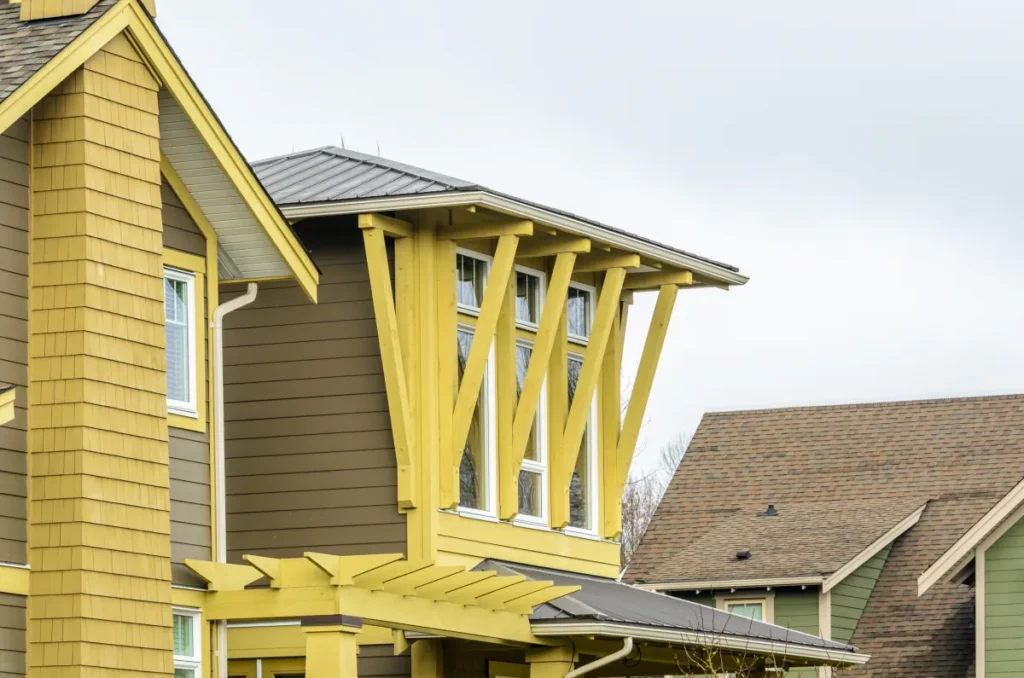
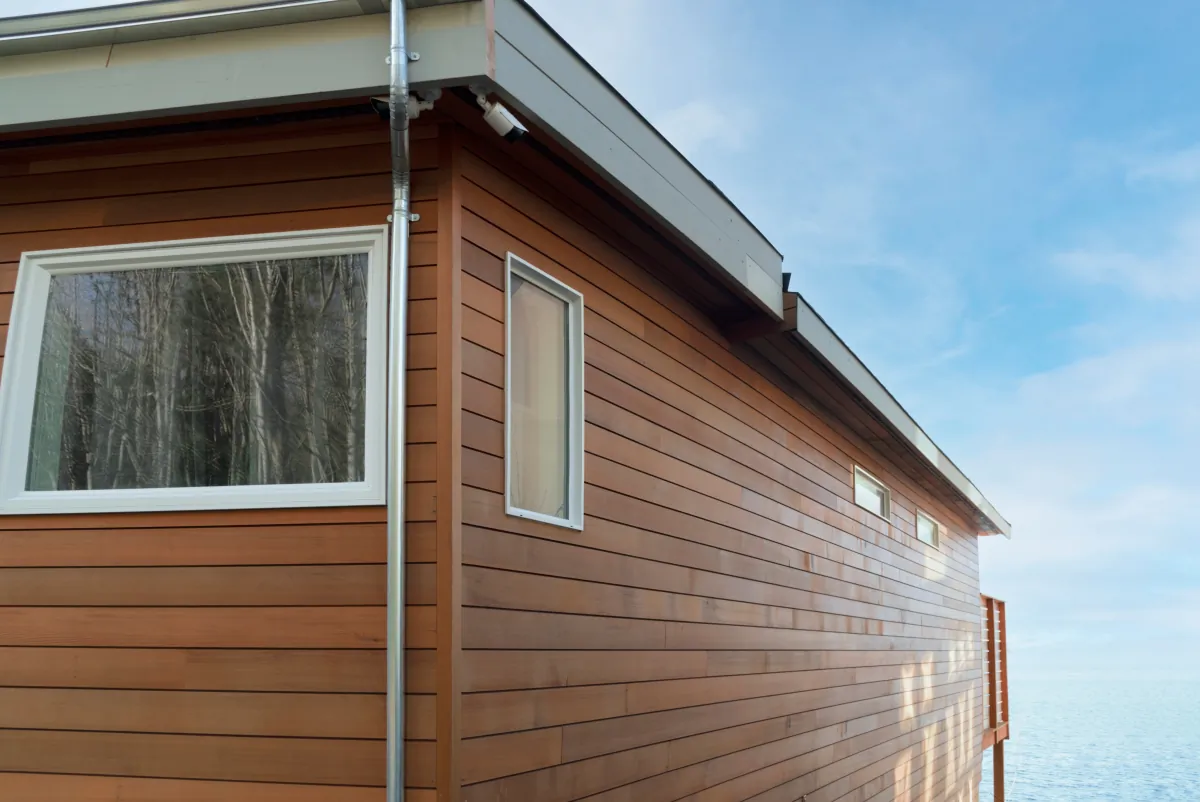
fiber cement lap siding

Trade-Offs: Finishes Vs Layout Changes

In siding work, “finishes” usually means the visible choices—material type, texture, reveal lines, trim profile, and color. Those decisions affect the look and maintenance, but they also affect labor time. For example, detailed trim packages and tight alignment requirements typically cost more than a simpler lap-siding layout.

“Layout changes” on the exterior happen when you move or resize windows and doors, add new penetrations (like vents), or reframe areas for a new look. As a result, Even if the siding material stays the same, these changes can push costs up because they add framing, flashing, and sometimes plan review.

Value Moves That Hold Up Over Time

If you’re deciding where to spend and where to simplify, focus first on the details that protect the building envelope. For example, That approach tends to deliver the best long-term value.

  • Prioritize water management: proper flashing at windows/doors and clean transitions at rooflines and decks.
  • Don’t skimp on wall prep: flat, solid backing helps siding stay straight and tight for years.
  • Choose durability for high-exposure walls: the sunny or wind-driven-rain sides of the home often deserve the stronger option.
  • Use a finish strategy that matches your time horizon: pre-finished products can reduce repaint cycles, while field paint can offer more color flexibility.
  • Consider insulation upgrades only where they pencil out: sometimes selective insulation and air-sealing gives better returns than a full rebuild.

Resale And Curb-Appeal ROI

New siding often improves first impressions, and buyers notice uniform lines, crisp trim, and clean paint. However, resale value depends on your neighborhood and your overall condition. For this reason, As a rule, the best ROI comes from durability and a cohesive look—not from the most expensive material on a spec sheet.

If you’re selling soon, keep the design neutral and spend on clean details. In addition, If you’re staying, lean into low-maintenance finishes that reduce future upkeep.

How To Avoid Change-Order Surprises

Change orders usually happen for two reasons: the scope wasn’t defined clearly, or the existing wall conditions couldn’t be verified until removal started. For this reason, You can’t eliminate every unknown, but you can reduce surprises with the right prep.

  • Get a written scope you can compare: siding type, trim, flashing approach, and finish work should be spelled out.
  • Ask how hidden repairs are handled: clarify how sheathing or framing repairs are priced if they appear.
  • Confirm what happens around windows and doors: transitions and flashing details matter for both performance and cost.
  • Lock the visible details early: trim style, corner approach, and color choices can affect lead times and labor.
  • Clarify responsibility for permits: when your scope triggers permitting, decide who submits and who schedules inspections.
  • Set a realistic contingency: a modest buffer keeps decisions calm if surprises appear.

Common Planning Mistakes To Avoid

  • Comparing quotes without matching scopes: one bid may exclude trim, paint, or disposal.
  • Picking a material without understanding maintenance: the “cheapest” option can cost more over time.
  • Ignoring access constraints: staging and safety planning can add days and costs, especially on taller homes.
  • Skipping a plan for wall repairs: it’s better to budget for likely repairs than to gamble on perfection.
  • Forgetting ventilation and penetrations: dryer vents, hose bibs, and light boxes need clean transitions.

Most importantly, a clear scope plus a small contingency keeps your remodel cost steady even when the wall reveals something unexpected.

Timeline: Planning, Build, And Closeout

Siding isn’t just an installation window—it’s a sequence that starts with decisions and ends with clean closeout. In Los Angeles, permitting can also affect the calendar, so build flexibility into your start date.

Typical Timeline (Ballpark)

  1. Consult + measurement: 1–7 days to schedule, then measurements and photos on site.
  2. Scope + estimate: 2–7 days for a written scope and pricing once measurements are complete.
  3. Selections + ordering: 1–6 weeks depending on material availability and custom colors.
  4. Permitting (if required): 2–8+ weeks depending on scope and plan review.
  5. Installation: roughly 5–15 working days for many homes, longer for multi-story or complex detailing.
  6. Punch list + closeout: 1–3 days for final touch-ups and a walk-through.

Quick Comparison Table

DriverWhat it changesTypical impact
Material choiceLabor + finish stepsVinyl often runs lower; fiber cement and panels often run higher
Two-story accessSetup + safetyMore staging time and labor
Hidden wall repairsScope + budgetCommon reason totals shift after removal
Trim/detail levelCutting + alignmentMore detail increases labor hours
Permitting (as needed)Start datePlan review can add weeks

Want a timeline and budget that matches your address and exterior layout? Meanwhile, Call +1 (916) 234-6696 and we’ll talk through your scope in plain terms.

fiber cement lap siding

How Remodel Cost Fits Into Los Angeles Siding Decisions

In Los Angeles, siding budgets and schedules often hinge on two things: access (how hard it is to work around the home) and paperwork (when the scope triggers permitting). Also, Once you understand those variables, you can make smarter choices about materials and detailing without guessing.

The Los Angeles Department of Building and Safety (LADBS) provides online services for permitting and plan review, and some residential scopes may qualify for online or express options. Additionally, Because requirements vary by project and address, it’s smart to check early and build that time into your schedule.

US Construction & Remodeling Corp. In addition, serves homeowners across Sacramento and Los Angeles, plus nearby service areas including Sacramento, Elk Grove, Arden, Rancho Cordova, El Dorado Hills, Folsom, Roseville, Rocklin, Alameda, Davis, Berkeley, Fair Oaks, Novato, Placer, San Mateo, San Francisco, and Los Angeles. Meanwhile, We focus on clear scopes, practical material guidance, and straightforward scheduling so you can make decisions with confidence.

If you want to verify contractor licensing in California as part of your due diligence, you can use the Contractors State License Board site: https://www.cslb.ca.gov/.

Call +1 (916) 234-6696 for a quick consult, or request a free estimate here: https://usconstructioncali.com/free-estimate/.

Helpful Links

Frequently Asked Questions

Most Los Angeles siding projects fall into a broad range because wall area, stories, and existing wall condition vary home to home. As a planning guide, many homeowners see totals from roughly $18,000–$40,000 for a full re-side on a simpler home, while larger or more complex projects can run $30,000–$75,000+.

Installed pricing is often discussed per square foot, and typical ranges vary by material (for example, vinyl often trends lower than fiber cement). A site visit is the best way to price your exact scope.

A good estimate makes it easy to compare apples to apples. Look for clear line items such as:

  • Tear-off and disposal of existing materials
  • Wall prep and any known repairs
  • Water-resistive barrier and flashing approach
  • Siding and trim details (corners, soffits, fascia, vents)
  • Finish work (caulking and paint when applicable)
  • Permitting coordination when the scope requires it

If something is vague, ask for it in writing before you sign.

Sometimes. Permit needs depend on what you change and how extensive the work is. In Los Angeles, LADBS handles permitting and plan review, and some residential scopes may qualify for faster online options.

Because rules can vary by scope and address, confirm early so the schedule doesn’t get squeezed.

For many homes, the on-site installation portion can take about 1–3 weeks. However, the full calendar includes planning, ordering, and (when required) permitting, so the start-to-finish timeline often spans several weeks to a few months.

To stay on track, decide on materials early and keep a small buffer for weather or repair surprises.

The best value depends on your goals. Vinyl can deliver a lower upfront cost, while fiber cement often delivers strong durability and a solid finish look. Engineered wood can balance appearance and cost, but it still needs proper detailing and maintenance.

Regardless of material, the install details—especially flashing and wall prep—usually matter more to long-term performance than any single product label.

You can control remodel cost most effectively by removing uncertainty. Practical steps include:

  • Use a written scope with specific trim and finish details
  • Ask how hidden repairs are priced if they appear
  • Set a 10–15% contingency for behind-the-wall surprises
  • Decide on material and color early to avoid delays
  • Clarify who handles permitting and inspection scheduling when needed

For a quick consult and estimate, call +1 (916) 234-6696.

Licensed, insured & trusted local contractor

US Construction & Remodeling Corp.
9821 Business Park Dr, Sacramento, CA, 95827
Phone: +1 (916) 234-6696

CSLB License #: 1117562 Fully licensed and insured.

View our Google Business Profile

Leave a comment

This website uses cookies to improve your web experience.
Explore
Drag