Skip links

Siding Installation Guide for California Homeowners

New siding changes curb appeal, but it also protects the wall system underneath. This siding installation guide explains how to plan scope, choose materials, handle permits in California, and keep the work organized once installation starts.

TL;DR: Lock in a clear scope (tear-off vs overlay), pick a material you can maintain, and get alignment on trim and water-shedding details before demo day. Permit requirements vary by jurisdiction, so confirm early and avoid last-minute schedule shifts. Use the quick checklist to compare proposals on the same scope.

  • Choose a siding material and profile (lap, board-and-batten, shingle, or panel).
  • Confirm whether the scope includes full removal or an overlay over existing siding.
  • Spell out trim scope: corners, window/door trim, soffit/fascia tie-ins, and mounting blocks.
  • Ask how hidden rot or sheathing damage gets documented and approved.
  • Clarify who handles permits and inspection scheduling if they apply.
  • Agree on start window, daily access needs, and a clear change-order path.

Planning, Permits, And Practical Decisions For Siding Installation

DecisionWhy it mattersQuick check
Material choiceDurability and maintenance differ by material.Compare fiber cement vs vinyl and verify warranties.
Moisture managementWater control prevents rot and mold.Confirm housewrap and flashing details around openings.
Trim & transitionsDetails control fit and long-term sealing.Specify corners, soffit/fascia scope, and finish plan.
Access & protectionStaging affects speed, cost, and safety.Plan scaffolding, landscaping protection, and cleanup.

Exterior siding does two jobs: it shapes the look of your home and it sheds water away from the structure. In addition, When you see loose panels, soft spots near the bottom course, or trim that won't stay sealed, a simple patch rarely lasts. In addition, A well-planned siding installation fixes the visible surface and the details that keep water from getting behind it.

Homeowners get the cleanest results when they treat siding as a system: cladding, also trim, moisture-control layers, and the way everything terminates at foundations, decks, and rooflines.

Who This Guide Is Built For

  • You want a like-for-like replacement without missing important prep work.
  • You're comparing fiber cement siding, vinyl siding, engineered wood, wood, or metal.
  • You care about straight lines, consistent trim proportions, and fewer future touch-ups.
  • You need a realistic roadmap for permits, inspections, and on-site logistics.

Resale And Curb-Appeal Priorities (ROI Without Hype)

Siding can support resale because buyers judge the exterior fast. Meanwhile, The best ROI choices usually look simple: clean reveals, consistent alignment, and trim that looks intentional instead of "added later."

  • Prioritize straight courses, crisp corner lines, and consistent spacing around openings.
  • Choose colors and profiles that fit the home style so the exterior ages well.
  • Replace or repair failing trim now; it is cheaper than revisiting water damage later.
  • Keep product information, paint specs, and permit sign-offs (when used) for your records.

Exterior Organization Upgrades To Plan While Walls Are Accessible

A re-siding project is also a chance to clean up the little stuff outside. Overall, With selective access behind cladding, you can add backing and plan mounting points so fixtures sit flat and seal correctly.

  • Plan tidy mounting for lights, address numbers, cameras, hose reels, and mailbox hardware.
  • Use proper blocks/trim rings for vents, hose bibs, and exterior faucets so sealant stays tight.
  • Consider relocating awkward fixtures (like a poorly placed spigot) while access is easier.
  • Decide where you want exterior outlets or low-voltage wiring before siding goes on, then coordinate with qualified trades if needed.

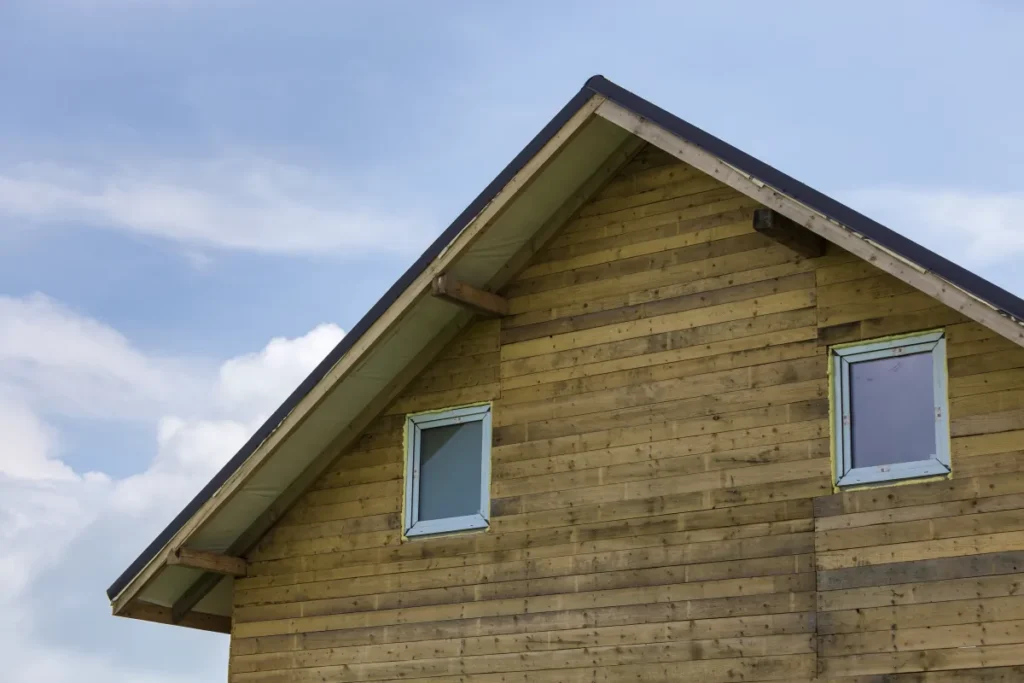
vertical siding modern house with scenic reflection

Planning Checklist (Scope, Materials, Budget) For Siding Installation

Clear scope prevents surprises. Additionally, Two proposals can quote the same square footage and still deliver very different results, because prep work and finish details drive quality.

Scope Items To Confirm In Writing

  • Removal plan: full tear-off vs installing new siding over existing material.
  • Wall condition: how sheathing or framing repairs get priced and approved if found.
  • Moisture protection: what happens behind the siding (housewrap/WRB, tapes, and transitions).
  • Trim package: corner boards, window/door trim, belly bands, and penetrations (lights, faucets, vents).
  • Finish: pre-finished vs field-painted, plus who handles caulking and touch-ups.
  • Site protection and cleanup: landscaping protection, daily cleanup expectations, and haul-away.

Courses, Seams, And Trim Lines

Siding looks expensive when the layout looks intentional. That means aligning reveals, planning where seams land, and keeping trim proportions consistent from one elevation to the next.

  • Pick an orientation that matches the home: horizontal lap reads classic; board-and-batten adds height; panels feel modern but demand straight substrates.
  • Decide where you want accent areas (for example, a gable) so transitions look clean.
  • Plan seam placement and staggering so you don't get obvious vertical zipper lines.
  • Confirm corner and window trim thickness early; it affects how the whole facade reads.

Small-Home And Tight-Lot Design Moves

On smaller homes, every line reads louder. For example, A few simple choices can make the exterior feel calmer without adding complexity.

  • Use fewer material changes; one main siding with a limited accent keeps the elevation from looking busy.
  • Choose lighter or mid-tone colors to soften shadow lines and make walls feel larger.
  • Keep trim consistent and avoid overly wide corner boards that visually shrink the wall.
  • If access is tight (narrow side yards), confirm staging and material delivery plans up front.

Material Options, In Plain Language

Most homeowners narrow materials based on maintenance tolerance, durability, and the look they want. Also, Your climate and exposure matter too: full sun, heavy rain, and sprinklers all affect how finishes age.

  • Fiber cement: Stable, paintable, and popular for long-term durability; expect periodic repainting depending on exposure.
  • Vinyl: Lower maintenance and typically faster to install; color choices are baked in, so plan trim and accents carefully.
  • Engineered wood: Wood look with factory-treated components; follow manufacturer requirements closely and keep edges protected.
  • Wood: Classic appearance and easy to customize; requires consistent upkeep and smart detailing around moisture.
  • Metal: Modern look and good durability; pay attention to dent resistance, noise, and clean trim transitions.

Hypothetical example: If you want a bold modern look on a small home, vertical board-and-batten in a mid-tone color with simple, consistent trim can read clean without needing multiple materials.

DecisionCommon optionsWhat it changes
MaterialFiber cement, vinyl, engineered wood, wood, metalMaintenance level, durability, upfront budget
Removal approachTear-off vs overlayAbility to spot hidden damage, wall flatness, timeline
Trim scopeReuse vs replace corners and window/door trimFinished look, sealing reliability, labor
Repair allowanceAs-needed sheathing/framing fixesChange-order risk and schedule
AccessOne-story vs multi-story, tight side yardsScaffolding needs, safety planning, labor time

If you want help comparing options for your home, call +1 (916) 234-6696 and ask for a quick scope review.

Permits And Inspections (General)

Permit needs for siding vary across California. As a result, A like-for-like replacement may be straightforward in some jurisdictions, while changes to openings, structural elements, or certain exterior alterations can trigger plan review.

  • Permits are more likely if you resize windows/doors, change exterior wall assemblies, or modify structural framing.
  • Adding or moving exterior lights/outlets can bring separate trade permit requirements.
  • If your home was built before 1978, ask about lead-safe work practices for any scraping or demolition.

Requirements Differ Across California

California work often crosses city and county lines, and each jurisdiction runs its own review process. Some neighborhoods also add HOA design approvals or extra requirements in higher fire risk areas. For this reason, Because of that, the fastest plan is to confirm rules for your exact address early and build your schedule around those checkpoints.

How A Siding Job Typically Runs On-Site

  1. Measure and confirm scope: verify elevations, penetrations, and trim details before ordering.
  2. Protect the property: cover landscaping, set staging areas, and plan safe access.
  3. Remove existing siding (as scoped): demo carefully around windows, doors, and utilities.
  4. Assess substrate: document any hidden damage and get approval before repairs proceed.
  5. Install moisture protection and details: WRB, tapes, and clean transitions at openings and penetrations.
  6. Install siding and trim: keep lines straight, joints tight, and finishes consistent.
  7. Finish and seal: caulk where appropriate, paint if needed, and clean up daily.
  8. Walkthrough and closeout: confirm punch list items and provide product/maintenance guidance.

Key Milestones

Timeline depends on your home size, story count, access, and how much repair is necessary once old siding comes off. Material lead times and permit review can also shift your start date.

  • Planning and selections (material, profile, trim, color)
  • Field measurements and ordering
  • Permit review (if required)
  • Mobilization and site protection setup
  • Removal, repairs, and installation
  • Final detailing, walkthrough, and cleanup

Budget Ranges And Timeline (Typical)

  • Budget moves most with material choice, story count, access, and the amount of hidden repair.
  • Install work can run from several workdays to a couple of weeks for full replacements, not counting permit review time.
  • Complex trim, multiple elevations, and lots of penetrations add labor and coordination time.
  • Ask for a clear change-order path so discoveries don't derail your budget.

Common Mistakes To Avoid

Most siding problems start with small compromises that compound over time. Additionally, These are the patterns that create callbacks, uneven walls, or early wear.

  • Accepting a vague scope that doesn't spell out removal approach, trim scope, and finish details.
  • Skipping substrate repairs or leaving soft wood in place because it looks okay.
  • Ignoring seam and trim layout, which leads to distracting lines and inconsistent reveals.
  • Forgetting to plan for accessories (lights, vents, faucets), then patching around them later.
  • Not protecting landscaping or setting a staging plan for tight access areas.

Maintenance Tips That Keep Siding Looking Sharp

Maintenance depends on material and exposure, but a simple routine keeps small issues from turning into expensive repairs.

  • Rinse siding periodically to remove dust and pollen; use gentle cleaners when needed.
  • Inspect caulked joints and penetrations seasonally and re-seal when you see gaps.
  • Keep sprinklers aimed away from walls and trim to reduce constant moisture exposure.
  • Trim plants back so siding can dry after rain and you can spot issues early.
  • Touch up chips or scratches promptly, especially on painted products.

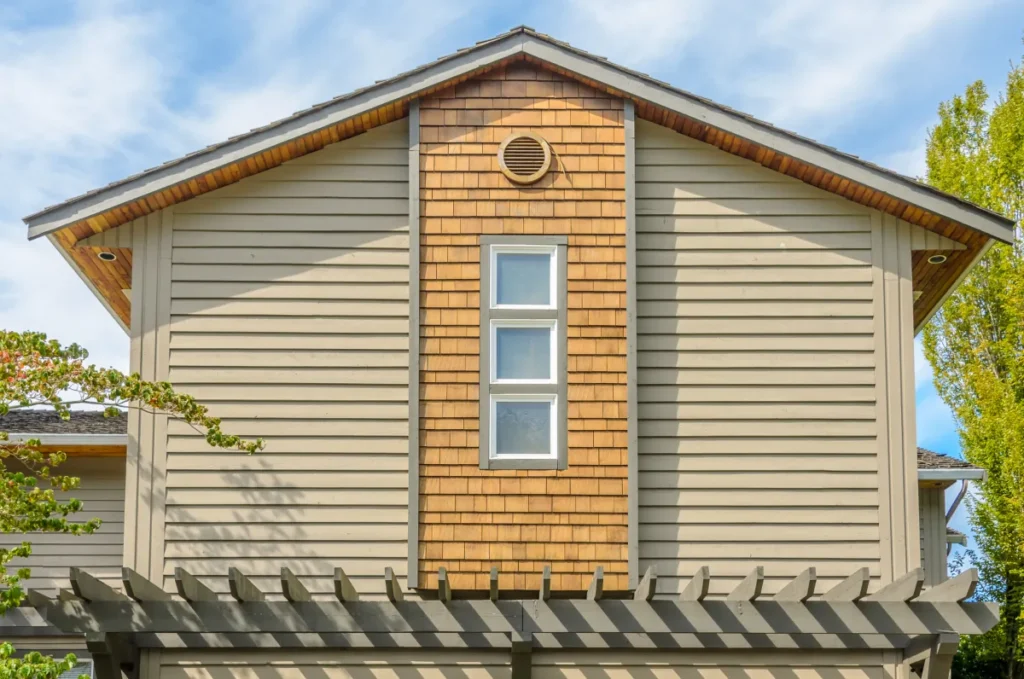
vertical siding metallic door and wall of warehouse on coastline i

Next Step In Sacramento

US Construction & Remodeling Corp. Overall, helps Sacramento homeowners move from "we need new siding" to a clear plan: material selection, scope clarity, and a clean install with straightforward communication.

Schedule your free estimate online, or call +1 (916) 234-6696 if you'd rather talk through options first.

What You Can Expect From A Professional Estimate

  • On-site measurements and a walkthrough of problem areas (soft trim, gaps, staining).
  • Material and profile options that fit your home style and maintenance preferences.
  • Clear scope notes on removal approach, trim, penetrations, and finish details.
  • A discussion of permit needs for your address and who will coordinate the paperwork when required.

Sacramento Permitting Note

For addresses within the City of Sacramento, permitting and plan review typically run through the City of Sacramento Community Development online portal (Accela Citizen Access). Also, If your siding scope requires a permit, confirming submittal requirements early helps avoid avoidable schedule gaps.

Trust And Accountability Checklist

  • Work with a licensed, insured contractor and get everything in writing before demo starts.
  • Clarify who pulls permits (when required) and who schedules inspections.
  • Expect clear communication on daily access needs, progress, and any changes.
  • Agree on how hidden damage discoveries get documented and approved.
  • During final walkthrough, check for straight courses, consistent trim, and clean sealant lines around penetrations.

Helpful Links

Frequently Asked Questions

Most on-site work takes several days to a couple of weeks, depending on home size, height, access, and repairs found after removal. If a permit is necessary, add plan review time and inspection scheduling on top of the build window.

  • More stories and tighter access usually add time.
  • Hidden rot or sheathing repairs can extend the schedule.
  • Material lead times can shift the start date.

Cost depends less on the word "siding" and more on the scope behind it. The biggest drivers are material choice, how much removal is necessary, and how much repair the crew discovers once the walls are opened.

  • Material type and finish (pre-finished vs field-painted)
  • Tear-off vs overlay
  • Trim complexity and number of openings
  • Story count, scaffolding, and access constraints
  • Repairs to substrate and framing (as needed)

Sometimes. Requirements vary by city and county, and the details of your scope matter. Like-for-like replacement may be simpler in some jurisdictions, while changes to openings, structural work, or certain exterior alterations can require permits and inspections.

If you're unsure, check with your local building department early so your schedule doesn't get surprised later.

Start with your priorities: maintenance, look, and how your home handles sun and moisture exposure. Each material can perform well when installed correctly; the best fit is the one you can maintain and that matches your home's style.

  • Fiber cement: paintable and stable; plan for repainting over time.
  • Vinyl: low maintenance; choose color and trim thoughtfully because it is not painted.
  • Engineered wood: wood look; follow manufacturer requirements and protect edges.

In some situations, yes, but it is not always the best call. Overlays can save time upfront, yet they can also hide moisture damage and make the wall less flat. A full tear-off usually provides the best chance to inspect and repair the substrate and improve long-term performance.

Plan on basic cleaning and simple inspections. Small fixes done early (like re-sealing a gap) help prevent larger repairs later.

  • Rinse dirt and pollen off periodically.
  • Check sealant and joints around penetrations seasonally.
  • Keep sprinklers and plants from constantly soaking the walls.
  • Touch up chips or scratches promptly on painted products.

A good proposal makes it easy to compare options and reduces misunderstandings once work starts. Look for specifics, not general promises.

  • Siding material, profile, and finish
  • Removal approach and what happens if hidden damage is found
  • Moisture-control layers and detailing around openings and penetrations
  • Trim scope (corners, windows/doors, transitions)
  • Protection plan, daily cleanup expectations, and haul-away
  • Schedule assumptions and how changes get approved
  • Warranty terms stated clearly (without vague language)

Licensed, insured & trusted local contractor

US Construction & Remodeling Corp.
9821 Business Park Dr, Sacramento, CA, 95827
Phone: +1 (916) 234-6696

CSLB License #: 1117562 Fully licensed and insured.

View our Google Business Profile

Leave a comment

This website uses cookies to improve your web experience.
Explore
Drag