
Skip links

Siding timeline in Sacramento | US Construction & Remodeling

If you’re researching a siding timeline for a Sacramento home, you’re trying to plan real life around an exterior project. The schedule stays clean when the scope and materials are decided before any removal starts.

Quick checklist:

  • Pick a siding material and finish that matches climate and maintenance goals.
  • Confirm moisture management details (housewrap, flashing, caulking) in writing.
  • Define the full scope (trim, soffit/fascia, paint, insulation upgrades).
  • Confirm access/safety plan and how landscaping/property will be protected.
  • Compare 2–3 itemized quotes and verify warranty coverage.
  • Check permit requirements if altering exterior walls or doing structural repairs.

TL;DR: Many siding projects move from estimate to completion in a few weeks, but material lead times and hidden repairs can stretch that. Permits can also add time when the work goes beyond like-for-like replacement. Ask for a written estimate that lists the phases and what would change the price or dates.

  • Pick the siding material and color early
  • Confirm whether repairs under the siding are included
  • Decide if you’re adding insulation or a rain screen (an air gap that helps walls dry)
  • Plan access for crews (driveway, gates, pets, and parking)
  • Discuss permits and inspections up front for your Sacramento address
  • Agree on cleanup, debris handling, and daily site protection

How To Plan Siding Timeline In Sacramento Without Surprises

Decision Why it matters Quick check 
Material choice Durability and maintenance differ by material. Compare fiber cement vs vinyl and verify warranties. 
Moisture management Water control prevents rot and mold. Confirm housewrap and flashing details around openings. 
Trim & transitions Details control fit and long-term sealing. Specify corners, soffit/fascia scope, and finish plan. 
Access & protection Staging affects speed, cost, and safety. Plan scaffolding, landscaping protection, and cleanup. 

The biggest delays usually come from what you can’t see until the old siding comes off. In addition, That includes the sheathing (the plywood or OSB layer under the siding) and the framing it attaches to. Meanwhile, A clear siding timeline starts with planning for what you might uncover.

A good plan treats siding as a weather system, not just an exterior finish. Also, That means you decide how you will handle water at windows, doors, and corners before installation day. “Flashing” is the thin metal or flexible material that directs water away from openings.

Common Schedule Drivers To Watch For

  • Hidden wood rot or damaged sheathing that needs repair before new siding goes on
  • Changes to trim details, also window/door openings, or exterior penetrations (vents, hose bibs, lights)
  • Material lead time for special-order colors, profiles, or matching trim
  • On-site painting or staining, which depends on dry weather and cure time
  • Access limits that slow set-up, staging, or ladder/scaffold placement

Accessibility And Safety While Work Is Outside

If someone in the household has limited mobility, treat the entry route as part of the plan. Meanwhile, Siding work can temporarily narrow a walkway, add protective coverings at thresholds, or block a door for short periods.

  • Choose one primary entry and keep it clear of cords and tools
  • Add temporary brighter lighting at the entry if evening access is necessary
  • If handrails feel loose, repair them before exterior work begins
  • Ask how dust will be controlled around windows and outdoor seating areas

Scope, Budget, And Priorities

This longer checklist helps you lock decisions early so the project doesn’t drift. It also makes written estimates easier to compare.

  • Scope: Full replacement or partial areas? Any fascia/trim replacement included?
  • Repairs: How will hidden damage be handled and priced if it’s discovered after removal?
  • Material: Vinyl, fiber cement, engineered wood, or wood? Any special profiles or colors?
  • Energy: Are you adding continuous insulation (a rigid layer) behind the siding?
  • Water details: How will windows/doors be flashed and sealed to help prevent leaks?
  • Finish: Factory color, field paint, or stain? Who does touch-ups after install?
  • Household impact: Work hours, noise expectations, and where debris will be staged

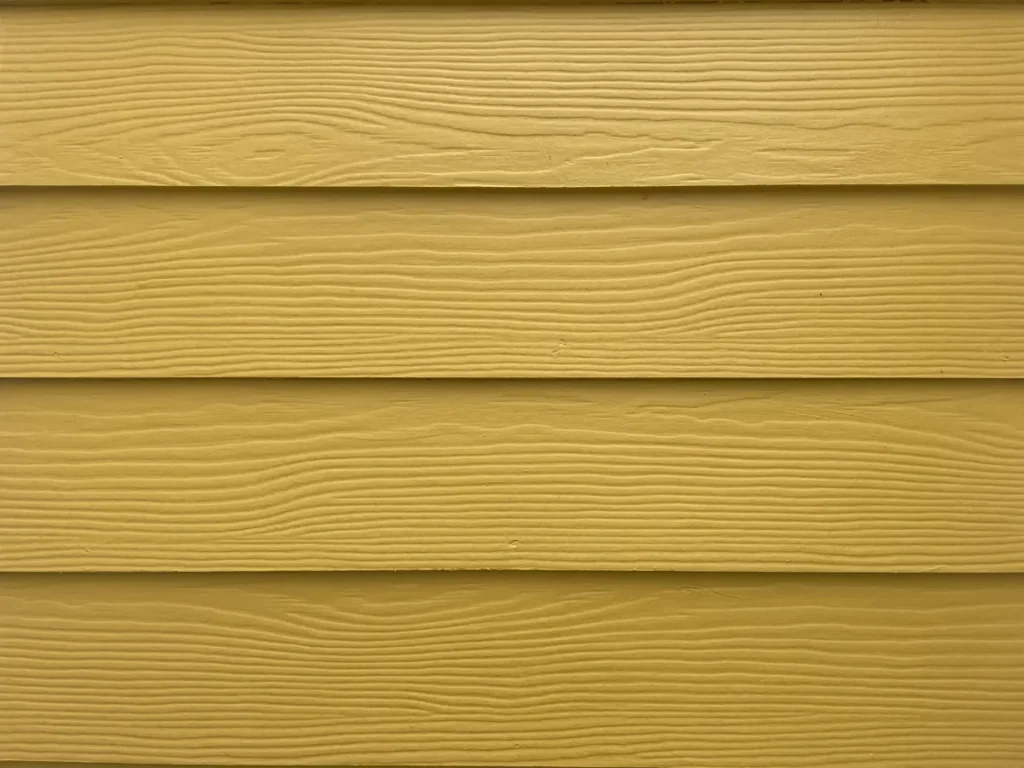
t1 siding beautiful surface of yelllow wooden wall for backg

Permits & Inspections (General Guidance)

Permit requirements depend on what changes with the work. For example, A simple like-for-like siding replacement may be treated differently than a project that includes structural repair, insulation changes, or altered openings.

In Sacramento, permitting and plan review typically run through the City of Sacramento Community Development portal (Accela Citizen Access), where applications, payments, and status tracking are handled online.

When A Permit Is More Likely

  • You’re repairing or replacing structural wall elements, not just the outer cladding
  • You’re changing window or door sizes, locations, or headers
  • You’re adding significant insulation thickness that changes how openings are finished
  • You’re upgrading shear resistance (the wall’s ability to resist sideways forces)
  • The project includes electrical or other trade work tied into the exterior wall

If the home was built before 1978, lead-safe rules can apply when disturbing old paint. For this reason, The EPA overview is a good starting point: https://www.epa.gov/lead/renovation-repair-and-painting-program.

Timeline And What To Expect

A realistic schedule has two parts: front-end planning (scope, selections, and ordering) and on-site work (removal, repairs, install, and cleanup). Overall, Your siding timeline is fastest when decisions are made once and documented.

Typical Phases And Rough Time Ranges

  • Site visit and written estimate: a few days to about a week, depending on availability and scope
  • Selections and ordering: about 1–6 weeks; special-order items can take longer
  • Permitting (if needed): days to weeks based on scope and city workload
  • On-site installation: several working days for many homes, longer when repairs and paint are included
  • Final walkthrough: usually the same day as completion or within a few days
Decision / driverHow it affects timingWhat to lock in early
Material and profileChanges lead time and install speedColor, trim style, and matching accessories
Hidden repairsRepairs must be completed before covering wallsHow repairs will be approved and billed
Finish approachOn-site paint adds dry-time and weather sensitivityPaint colors, sheen, and touch-up expectations
Permit scopeReview and inspection windows can add waitingAny structural work or opening changes
Access and protectionMore setup time in tight or fragile areasWhere materials and debris can be staged

Maintenance Tips After The Job Is Done

Good maintenance keeps small issues from turning into big repairs later. It also protects your investment if you plan to sell.

  • Wash siding gently and avoid high-pressure spray aimed into seams
  • Inspect caulked joints and touch up cracks before rainy season
  • Keep plants and soil from staying in contact with siding surfaces
  • Check for repeated moisture at windows and doors and address it early
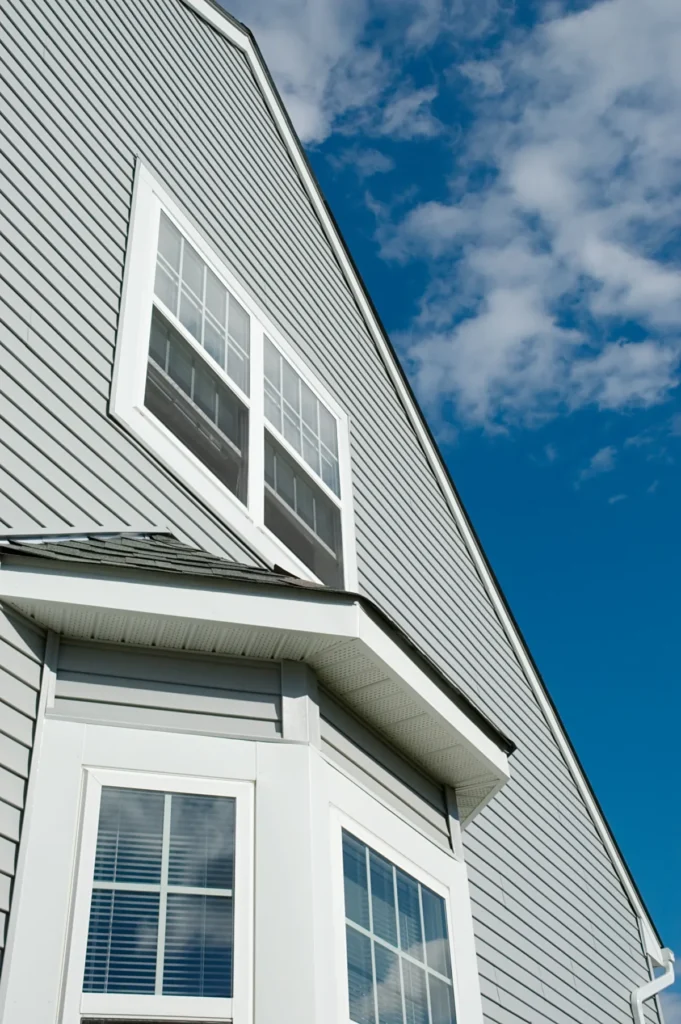
t1 siding aged metal texture

When To Call A Licensed Contractor

Some siding projects are straightforward. Additionally, Others get technical fast because the wall has to stay dry, straight, and code-compliant. As a result, Call a licensed contractor when the job involves height, structural repairs, or any scope that may require permits.

  • Two-story walls or steep sites where fall protection and staging matter
  • Visible rot, soft spots, or signs the wall assembly has been wet for a while
  • Any change to windows, doors, or exterior wall openings
  • Complex detailing around decks, rooflines, or multiple material transitions
  • You want to add insulation, improve energy performance, or update exterior trim

US Construction & Remodeling Corp. serves Sacramento homeowners. As a result, For an estimate-first start, request a written estimate so you can compare scope and timing apples-to-apples. Additionally, Call +1 (916) 234-6696 or book an estimate online.

To speed up your quote, have the address, a few exterior photos, your preferred material, and any known problem areas ready. Meanwhile, If you’re unsure, we can walk you through choices that change the schedule.

Helpful Links

Frequently Asked Questions

Many homeowners think only about installation days, but a siding timeline also includes selections and ordering. For a straightforward replacement, it’s common to see the job wrap up within a few weeks from the initial estimate. Add time when the scope includes structural repair, on-site paint, or permit review.

  • Fastest projects: clear scope, in-stock materials, minimal repairs
  • Longer projects: special-order materials, inspections, or multiple trades

Most delays come from decisions or conditions that show up after removal. The good news is you can reduce them with a clear scope and written allowances.

  • Hidden damage under the old siding
  • Material backorders or mismatched trim components
  • Change orders (a written change to the scope after work begins)
  • Inspection scheduling when permits apply
  • Weather that makes exterior sealing or paint unreliable

Sometimes. Requirements depend on whether the project is truly like-for-like or if it includes structural repairs, insulation changes, or modified openings. In Sacramento, many permit steps are handled through the City’s Community Development portal (Accela Citizen Access).

If you’re unsure, ask for the permit plan in writing before the job starts. That keeps the schedule and responsibilities clear.

Costs vary because homes vary. The biggest price drivers are tied to labor, materials, and how much repair is necessary once the wall is opened up.

  • Material type and profile (and whether it needs paint)
  • Height and access (two stories, tight side yards, steep grade)
  • Amount of trim work and detail around openings
  • Hidden repairs and moisture-related fixes
  • Whether permits and inspections are necessary

The best way to control cost is a written estimate that lists exactly what’s included and what would be treated as a change.

Installation speed depends on the material and the details. Vinyl can be faster in many cases because it’s lightweight and often doesn’t need on-site painting. Fiber cement and wood products can take longer because of cutting, fastening, and finish requirements.

Lead time matters too. A material that installs quickly can still extend the schedule if it’s special-order.

Yes, and it can be smart. Bundling work can reduce repeated tear-off and shorten the total disruption. It can also add coordination and may change permitting needs.

  • Window changes often affect flashing and trim details
  • Added insulation changes how deep windows and doors are finished
  • Multiple trades can add scheduling dependencies

If you’re combining scopes, ask for a single written sequence so the wall stays weather-tight at every stage.

Maintenance is simple when you stay ahead of moisture and small openings.

  • Rinse dust and pollen off with low pressure and mild soap when needed
  • Re-caulk small gaps early (don’t wait for water intrusion)
  • Keep landscaping trimmed back so air can dry the wall
  • Watch for recurring wet spots around windows and doors

If you chose a paint-on finish, ask what touch-up plan is a good idea for your specific material.

Licensed, insured & trusted local contractor

US Construction & Remodeling Corp.
9821 Business Park Dr, Sacramento, CA, 95827
Phone: +1 (916) 234-6696

CSLB License #: 1117562 Fully licensed and insured.

View our Google Business Profile

Leave a comment

This website uses cookies to improve your web experience.
Explore
Drag