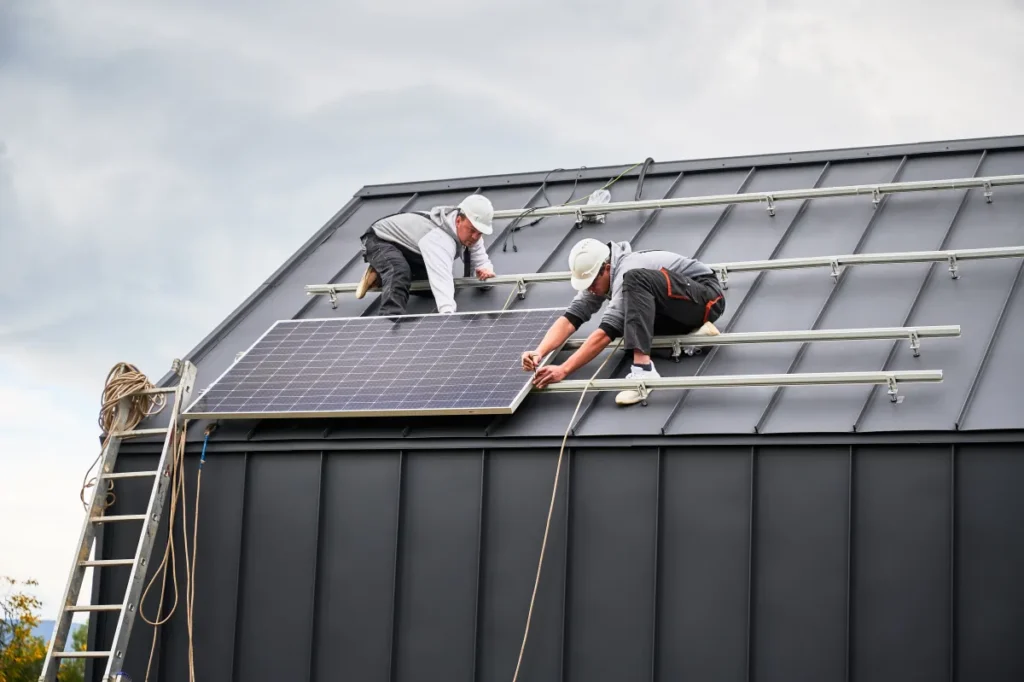
Solar Panels Contractor in Rancho Cordova: Timeline + Checklist
Hiring a solar installer is a big decision, especially when you want a clear price, a realistic schedule, and clean paperwork. If you are searching for a solar panels contractor rancho homeowners can feel confident hiring, use this checklist to compare companies and keep surprises out of the job.
Quick checklist:
- Verify roof condition first; plan reroof timing before installing panels.
- Size the system from real kWh usage and shading, not just panel count.
- Compare inverter options (microinverters vs string + optimizers) and monitoring.
- Confirm permitting and utility interconnection responsibilities and timeline.
- Review the contract (warranties, production assumptions, exclusions, roof penetrations).
- Confirm any electrical panel upgrades and inspection steps.
- Verify license/insurance where required, and compare bids line-by-line (allowances, exclusions, change orders).
TL;DR: A solid contractor visits the site, reviews roof and electrical basics, and puts the full scope in writing before any work starts. The calendar is usually driven by permits and inspections, not the day panels go on. To talk timeline and options for your Rancho Cordova home, call +1 (916) 234-6696 or book a planning call.
- Verify active California licensing and insurance (ask for proof, then verify).
- Confirm who pulls permits and schedules inspections for your Rancho Cordova address.
- Require a site visit that includes roof and electrical panel review.
- Demand a line-item proposal with equipment model details and exclusions.
- Use a milestone-based payment schedule tied to deliverables.
- Get change-order pricing rules in writing before signing anything.
How To Choose A Solar Panels Contractor Rancho Homeowners Can Trust
| Decision | Why it matters | Quick check |
|---|---|---|
| Roof condition | Installing over an aging roof risks rework later. | Inspect first and plan reroof timing if needed. |
| System size | Determines cost and energy offset. | Size from real kWh usage and shading. |
| Inverter type | Affects monitoring and shade performance. | Compare microinverters vs string + optimizers. |
| Permits & interconnection | Approvals can drive the schedule. | Ask who handles permits/utility and expected timelines. |
Solar work touches your roof, electrical system, and permits. Meanwhile, A low bid does not help if the scope is vague or the schedule cannot happen. As a result, Use the checklist below to compare contractors in Rancho Cordova based on what protects your home: clear scope, safe installation practices, and accountability after the crew leaves.
Vetting Checklist (Before You Accept An Estimate)
- License and insurance: ask for their contractor license info and proof of insurance, also then verify it independently.
- Site visit: confirm they will look at the roof and the electrical panel in person (not just satellite images).
- Roof readiness plan: ask how they handle unexpected roof repairs discovered during install (and how they price it).
- Electrical scope clarity: confirm who performs electrical work and what happens if the panel or service needs upgrades.
- Permits and inspections: get a written answer on who submits, pays, and schedules inspections.
- Equipment transparency: require model numbers for panels, racking, and inverter equipment, plus warranty terms.
- Point of contact: get one responsible project contact and a written communication cadence.
Bid Comparison Checklist (Apples-To-Apples)
- A layout drawing showing panel placement and any roof obstructions that affect the design.
- Assumptions behind the production estimate (shade, roof orientation, setbacks, and system size).
- Line-item pricing that separates equipment, labor, electrical work, and any add-ons (battery, conduit routing, etc.).
- Project schedule with named milestones (design complete, permit submitted, install, inspections, activation).
- Workmanship warranty terms (separate from manufacturer warranties) and what is excluded.
- Cleanup and protection plan (driveway use, attic/garage access, and how they protect landscaping).
Red Flags That Usually Cost Money Later
- No site visit before quoting, or a proposal that reads like a generic template.
- High-pressure pricing that expires the same day or pushes you to sign before reviewing details.
- A contract that does not spell out change-order pricing and approval rules.
- Refusal to provide proof of insurance or unclear answers about who is doing electrical work.
- Vague language like "turnkey" without a written scope, equipment list, and timeline checkpoints.
US Construction & Remodeling Corp. Overall, can help you review scope and timing before you commit. Meanwhile, Call +1 (916) 234-6696 or request a free estimate.

Step-By-Step Timeline + Checklist
A realistic timeline protects your budget because most delays happen off the roof: design revisions, permitting, and inspection scheduling. Also, When a solar panels contractor rancho homeowners hire gives you a schedule, it should include specific checkpoints and responsibilities, not just an install date.
| Decision or driver | Why it matters | When to lock it in |
|---|---|---|
| Roof condition and any repair scope | Unexpected roof work can change both price and schedule | Before signing the contract |
| Main panel capacity | Electrical upgrades can add time and require coordination | During the site visit |
| Panel layout (front/back, setbacks) | Design changes after paperwork starts can trigger rework | Before permit submittal |
| Battery decision | Adds equipment, space needs, and wiring scope | Before permit submittal |
| Inspection scheduling | Often controls the finish date more than install day | As soon as the permit is issued |
Typical Phases And Rough Durations
- Site visit and preliminary design (about 1–2 weeks): measurements, equipment location planning, and an initial layout.
- Engineering and final proposal (about 1–2 weeks): final layout, any structural notes, and a firm scope.
- Permitting and plan review (often 2–6+ weeks): timelines vary by jurisdiction and scope; ask your contractor what they will handle.
- On-site installation (often 1–3 days): roof work, racking, panels, and electrical tie-in (scope dependent).
- Inspections and corrections (often 1–3 weeks): inspection scheduling plus any required adjustments.
- Activation/utility approval (varies): paperwork and approval timing depends on the provider and scope.
Checklist To Validate A Contractor's Timeline
- Ask for a written schedule with milestones (not just date ranges).
- Confirm who schedules inspections and how quickly they can respond to corrections.
- Clarify how long materials typically take to arrive and what happens if there is a backorder.
- Ask how they handle weather delays and jobsite rescheduling.
- Require a clear definition of "done" (inspection sign-off, monitoring active, paperwork delivered).
Want to map a realistic schedule for your home before you choose a contractor? In addition, Call +1 (916) 234-6696 or book a planning call.

Pre-Work Checklist (Design, Materials, Access)
Accurate bids depend on accurate inputs. For example, When you tighten decisions early, you reduce change orders and keep the timeline realistic. This is also where you see how organized a contractor really is, because the best installers ask the right questions up front.
What To Gather Before You Request Final Pricing
- Recent electric bills (usage patterns matter more than a single month).
- Photos of the main electrical panel and the area around it.
- Notes on roof access (gates, driveway clearance, attic/garage access if needed).
- Any HOA or neighborhood rules that affect exterior appearance (if applicable).
- Plans for near-term home projects that could affect solar (roof work, electrical upgrades, major remodels).
Decisions To Lock In Early (To Avoid Rework)
- Equipment placement: where inverter/battery equipment can go with safe clearances and reasonable conduit runs.
- Preferred panel placement and aesthetics (and how that affects output).
- How the contractor will route conduit and protect exterior finishes.
- Monitoring setup: what app/platform is included and who provides support after install.
- Payment milestones: what triggers each payment and what documentation you receive.
Common Mistakes To Avoid Before Work Starts
- Choosing based on price alone without confirming what is excluded (electrical work and roof repairs are common gaps).
- Signing a contract without a layout drawing and an equipment list with model details.
- Ignoring access planning (pets, parking, and ladder placement can slow the crew and create friction).
- Changing design decisions after paperwork starts, which can cause redesign and resubmittals.
Local note for Rancho Cordova: permitting, payments, and inspection scheduling are typically handled online through the City of Rancho Cordova permit portal. As a result, A professional contractor should explain how they coordinate these steps for your exact address and scope.
If you want help tightening the scope and schedule, reach US Construction & Remodeling Corp. at +1 (916) 234-6696.
Frequently Asked Questions
Start by forcing an apples-to-apples comparison. Two bids can look similar on price while hiding very different scopes.
- Require a layout drawing and equipment model details from every bidder.
- Compare exclusions (electrical upgrades, roof repairs, monitoring, and cleanup).
- Ask for milestone-based timing and payment schedules, not vague date ranges.
- Confirm who handles permits, inspections, and correction work if needed.
A solid contract should protect you on scope, schedule, and accountability. If it feels vague, ask for revisions before you commit.
- Equipment list with model details and warranty terms
- Drawing or description of panel placement and conduit routing approach
- Written payment milestones tied to deliverables
- Change-order rules (approval steps and pricing method)
- Responsibility for permits, inspections, and corrections
Many installs take only a few days on site, but the full timeline usually includes design, permitting, inspections, and activation steps. Ask each contractor to show the milestones they are responsible for, along with realistic ranges based on your scope.
In most cases, the contractor coordinates permit submittals and inspection scheduling, while the homeowner provides access and approvals as needed. In Rancho Cordova, these steps are typically managed online through the city permit portal, so ask your contractor how they submit, track, and respond to corrections.
It can, but it is not always the smart choice. If you expect roof work soon, talk with your contractor about coordinating roofing and solar so you avoid paying twice for labor and rework. A straightforward plan up front usually saves money and keeps the schedule cleaner.
Limited roof area is common, and the right contractor will propose options with clear tradeoffs.
- Higher-efficiency panels to maximize output per square foot
- Splitting panels across roof faces when one area is too small
- Planning equipment placement early to keep conduit runs tidy
It depends on your goals. Batteries can provide backup power and help manage usage, but they add cost, space needs, and electrical scope. If you are unsure, ask for two proposals (solar-only and solar-plus-battery) so you can compare scope, timeline, and what changes if you add storage later.