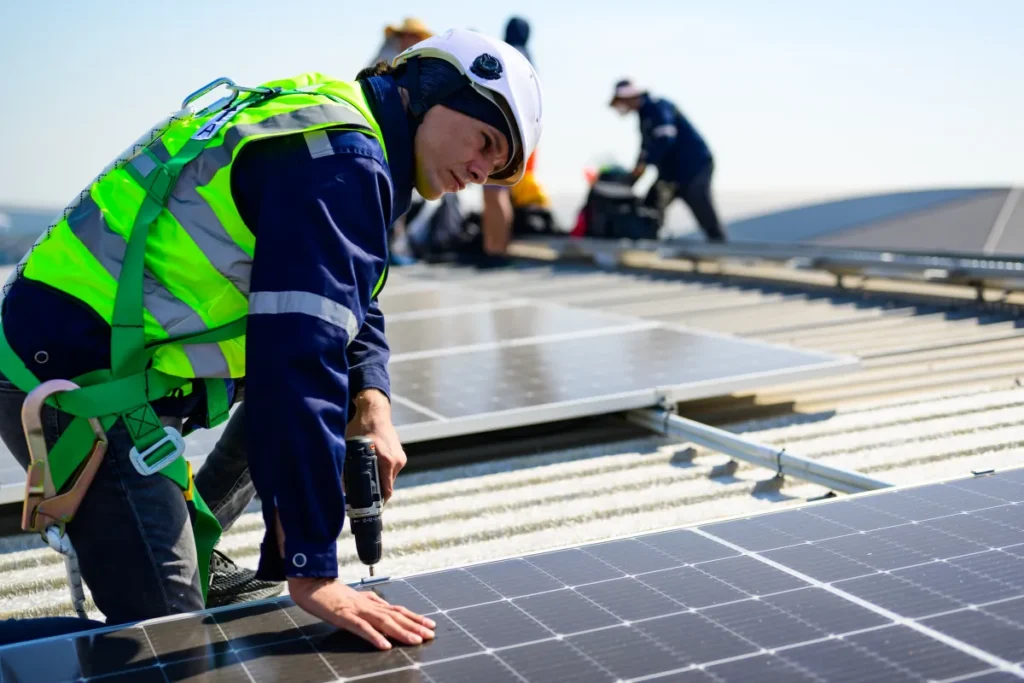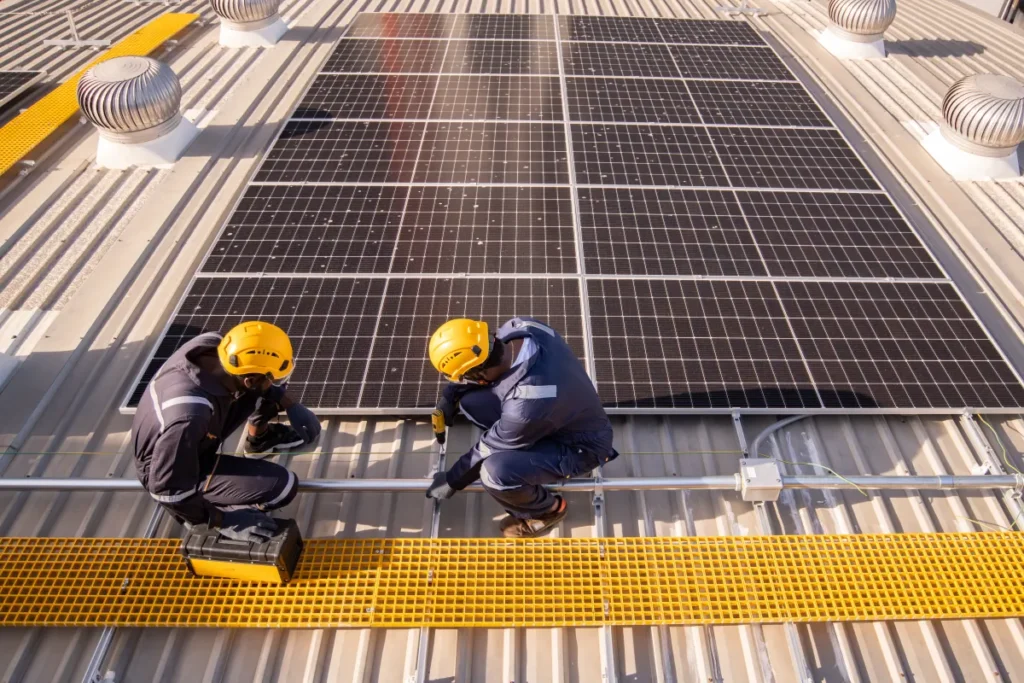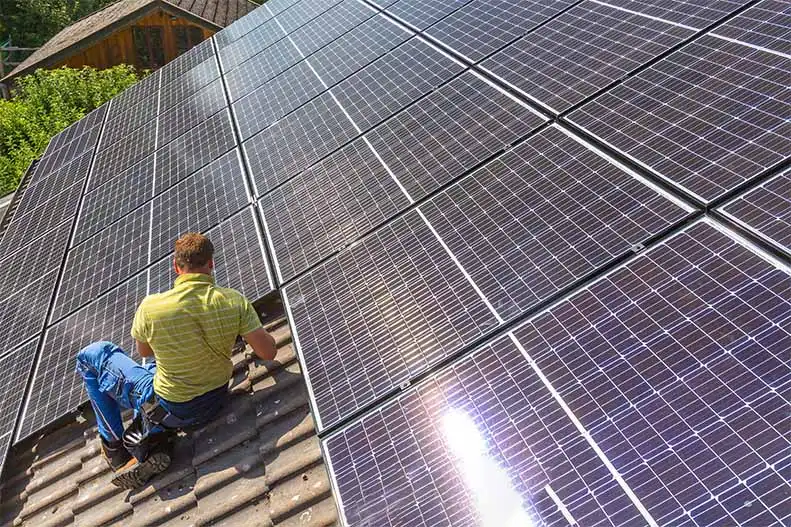
Solar Panels Cost In Placer
Thinking about adding solar panels in Placer? Most homeowners start with the remodel cost question: what’s a realistic price range, and how long does the job take from paperwork to power-on. This guide breaks down the big cost drivers and a week-by-week timeline so you can plan with fewer surprises.
TL;DR: Many solar-only installs in Placer budget roughly $14,000–$28,000 before incentives, while solar plus battery backup often budgets $28,000–$50,000+ depending on equipment and electrical scope. The install day is usually quick, but permits, inspections, and utility approvals often drive the overall calendar. Get a written, itemized estimate to see where your home lands.
Quick Checklist (Bring This To Your Estimate Request):
- Address in Placer and any HOA rules (if applicable)
- Clear photos of the roof planes you want to use
- A photo of your main electrical panel door label
- Last 12 months of electric bills (or usage history)
- Any planned changes (EV charger, HVAC upgrade, addition)
- Your preferred start window and any travel/availability constraints
When you’re ready, request a written estimate or call +1 (916) 234-6696. The more complete the info, the tighter the pricing range we can provide upfront.
Solar Panels In Placer Budget Planning Guide In Placer (Remodel Cost)
| Cost driver | What changes it | How to control it |
|---|---|---|
| System size | More kW usually means higher price and output. | Size from real usage and shading. |
| Inverter/battery | Equipment choice changes cost and monitoring. | Compare microinverters vs string + optimizers; add battery only if needed. |
| Electrical upgrades | Panels/rewires can be required for code compliance. | Verify panel capacity and upgrade scope up front. |
| Permits & interconnection | Approvals can drive the timeline and soft costs. | Ask who handles permits/utility and the estimated schedule. |
Solar can be a standalone upgrade, yet it often overlaps with other home improvements—roof replacement, electrical service work, or preparing for EV charging. Additionally, When you treat solar as part of your remodel cost planning, you can budget for the items that actually move the price: roof condition, electrical capacity, and equipment choices.
This section focuses on fit and planning. If you’re comparing quotes, it also gives you a practical checklist of line items to look for so you can also spot gaps before you sign.
Who Solar Is A Good Fit For
- You plan to stay in the home long enough to value more stable long-term energy planning.
- Your roof has usable sun exposure and a layout that can support a clean panel array.
- You want backup capability as an option (via battery) without turning the project into a full-home electrical overhaul.
- You prefer an itemized scope and clear exclusions instead of a one-line “all-in” number.
Major Cost Drivers (Labor, Materials, Scope)
- System size: a larger array costs more in materials and labor, but “right-sizing” matters more than chasing the biggest system.
- Roof type & access: steep roofs, tile, limited access, and multi-story setups typically increase labor and hardware.
- Roof readiness: repairs, reroofing near the install area, or replacing old flashing can add scope.
- Electrical capacity: the main panel, subpanels, and breaker space often decide whether upgrades are necessary.
- Equipment package: panel grade, inverter/monitoring features, and battery readiness affect materials cost.
- Conduit path: long runs, finished walls, and detached structures can increase time (and patch/paint needs).
- Permits, engineering, and inspections: fees and review steps vary by jurisdiction and project details.
- Contingency: keeping 5–10% in reserve helps handle hidden roof issues or small code-driven adjustments.
Permits And Inspections In Placer
Most roof-mounted solar projects require building and electrical permits, followed by inspections after installation. Also, The exact steps can vary by address and scope, especially when the project includes battery backup or changes to the home’s electrical service.
For many Placer County projects, permitting typically runs through the county permit portal (Accela / e‑Permits), depending on jurisdiction and scope. For this reason, Even when online tracking is available, plan review can still take time—so it helps to set expectations early and avoid scheduling pressure.
If you want a tighter estimate, share roof photos, a panel photo, and your usage history up front. As a result, Those three items answer most of the “unknowns” that lead to wide pricing ranges.
Typical Price Ranges By Scope Level
Solar pricing in Placer depends on your roof, electrical setup, and the equipment package. In addition, The ranges below support budgeting and quote comparisons; a site visit and an electrical review are what turn “ballpark” numbers into a firm scope.
Budgeting Ranges (Installed)
- Essentials (solar-only): $14,000–$22,000 for many standard roof installs.
- Mid-range (solar-only + more electrical scope): $18,000–$28,000 when the job needs additional wiring, upgraded components, or more complex roof conditions.
- Solar + battery backup: $28,000–$50,000+ depending on battery capacity, backup loads, and electrical work.
Hypothetical example: Two homes can choose a similar system size yet land in different ranges because one needs a panel upgrade and roof repairs while the other doesn’t.
Major Line Items And Timeline Impact
| Driver / line item | Typical range | What changes it | Timeline impact |
|---|---|---|---|
| Design & engineering | $800–$2,500 | Structural review, roof complexity, battery plans | Usually days to 1–2 weeks |
| Materials (panels, inverter, racking) | $8,000–$18,000 | Equipment tier, system size, mounting method | Mostly affects ordering and staging |
| Labor (installation) | $3,500–$9,000 | Roof pitch, access, tile vs shingle, crew time | Often 1–3 working days |
| Electrical scope | $1,000–$6,000 | Panel/subpanel needs, conduit routing, add-ons | Can add days; upgrades may add scheduling time |
| Permits & inspections | $300–$1,500 | Jurisdiction fees, plan review steps | Often the longest variable (weeks) |
| Battery (optional) | $10,000–$20,000+ | Battery capacity, critical-loads setup | May add electrical design and inspection steps |
| Contingency (recommended) | 5%–10% | Hidden roof repairs, small scope changes | Protects schedule when surprises appear |
Quick Timeline Snapshot (What To Expect)
- Site visit + preliminary design: about 3–7 days
- Engineering + permit submission: about 1–2 weeks
- Plan review + approvals: often 2–6+ weeks
- Roof installation: typically 1–3 days
- Inspections + utility approvals: often 1–4+ weeks
Trade-Offs: Finishes Vs Layout Changes
This heading comes from remodel planning, and the idea still applies. Meanwhile, With solar, “finishes” usually mean the equipment choices and how clean the install looks on the roof. “Layout changes” are the behind-the-scenes items that move circuits, conduit paths, and sometimes electrical service components.
When “Finishes” Make Sense
- Higher-efficiency panels: help when usable roof area is limited.
- Cleaner cable management: protects wiring and reduces visual clutter.
- Monitoring you’ll actually use: helps you catch issues early without living in an app.
When “Layout Changes” Drive Cost
- Main panel or subpanel work: becomes necessary when capacity or breaker space is tight.
- Long conduit runs: show up with detached garages or tricky service locations.
- Roof prep: repairs or partial reroofing to protect the mounting area.
ROI And Resale Priorities
Solar can be a positive selling feature, but buyers and agents care most about clarity: ownership status, warranty paperwork, and a roof in good shape. Overall, Market response varies, so focus on choices you can verify and document rather than betting on a single payback number.
If you’re balancing solar against other remodel cost items, prioritize the basics that protect the home (roof integrity and safe electrical work). For example, After that, choose add-ons that match how you actually live—like battery backup for essential circuits if outages or medical needs matter to your household.

How To Avoid Change-Order Surprises
Change orders aren’t always bad—sometimes they reflect a homeowner choosing upgrades. Also, The problem is the “surprise” change order: work that appears because the original scope didn’t account for roof condition, electrical capacity, or a clear equipment plan.
Common Planning Mistakes To Avoid
- Getting quotes without roof and electrical panel photos, then expecting the number to hold.
- Skipping a roof readiness conversation (repairs now vs removal/reinstall later).
- Not confirming whether the estimate includes any needed electrical upgrades.
- Choosing a battery without defining what you want backed up (whole home vs critical loads).
- Assuming permit and inspection timelines will match your preferred start date.
- Leaving attic or side-yard access unclear, which can force longer conduit routes.
- Not asking how the contractor handles plan review corrections if the building department requests changes.
What To Confirm In Writing
- Exact equipment list (panels, inverter, mounting hardware) and what substitutions are allowed.
- What the bid assumes about roof condition, including any exclusions.
- Electrical scope: panel work, conduit routing, and what patch/paint is included (if any).
- Permits/inspections: who submits, who schedules, and what fees are included.
- A clear “allowance” section for unknowns (or a contingency plan) so you can budget responsibly.
Planning, Build, And Closeout
Solar work moves fast once approvals are in hand. Additionally, Most of the calendar time comes from design, permitting, and scheduling inspections, so a realistic timeline protects expectations and helps you avoid rushed decisions.
Typical Week-By-Week Path (Placer)
- Week 0–1: Site visit, roof/electrical review, and preliminary design. For this reason, You’ll confirm goals (solar-only vs battery-ready vs battery now).
- Week 1–2: Engineering and plan set preparation. For this reason, If the project needs electrical upgrades or structural details, those get documented here.
- Week 2–6: Permit submission and plan review. As a result, If the reviewer asks for clarifications, expect a back-and-forth cycle before approval.
- Install week: Material delivery, roof mounting, wiring, and equipment setup. Also, Many homes complete this portion in 1–3 days.
- Following weeks: Inspections, any corrections, and utility approval to operate. For this reason, This step can add time even when the physical work is finished.
What Commonly Extends The Schedule
- Plan review queues and correction requests
- Electrical upgrades that require additional coordination
- Roof repairs discovered after closer inspection
- Weather delays on install days
- Homeowner availability for access or approvals
Working In Placer With US Construction & Remodeling Corp.
US Construction & Remodeling Corp. In addition, provides written estimates and itemized scopes so you can compare options apples-to-apples. For Placer County projects, we also account for the local permit workflow (often through the county’s Accela / e‑Permits portal, depending on jurisdiction) and inspection timing when we propose a schedule.
To get started, call +1 (916) 234-6696 or request an estimate online. As a result, Having roof photos, a panel photo, and a recent utility bill speeds up the first draft and reduces guesswork.
Helpful Links
Frequently Asked Questions
For budgeting, many solar-only installs in Placer land roughly in the $14,000–$28,000 range before incentives, while solar plus battery backup often budgets $28,000–$50,000+. Your roof type, electrical capacity, and equipment package are usually the biggest price drivers.
A written, itemized estimate is the best way to narrow the range for your specific address.
Many residential solar projects require building and electrical permits, followed by inspections. The exact steps vary by jurisdiction and scope, especially if you add a battery or change electrical service components.
If you’re unsure, start by asking your contractor which permits are included in the estimate and how inspection scheduling is handled.
Many installs have a quick on-site build (often 1–3 days), while the overall schedule commonly stretches into several weeks due to plan review, inspections, and utility approvals.
- Design + engineering: days to 2 weeks
- Permitting/plan review: often 2–6+ weeks
- Inspection + approvals: often 1–4+ weeks
Some homes do, and some don’t. It depends on available breaker space, service capacity, and how the solar equipment ties into your existing system.
Providing a clear photo of your main panel label and interior layout helps your contractor assess this early and avoid surprises later.
If your roof is near the end of its service life, it can be smarter to handle roof work first. Otherwise, you may pay later to remove and reinstall the system during reroofing.
During the estimate, ask for a roof readiness check so you can plan costs and timing in a single scope.
A battery can make sense when backup power matters (medical needs, work-from-home reliability) or when you want more control over when you use stored energy. It also adds cost and electrical complexity, so it’s not automatically the best choice for every home.
If you’re on the fence, consider going “battery-ready” now and adding storage later—your estimate can outline both paths.
Solar can help marketability, especially when the system is owned and documentation is clear. Buyers often look for a solid roof condition, transferable warranties, and straightforward system records.
Rather than chasing a single ROI number, keep your paperwork organized and choose a system size that matches your household’s actual usage.
Licensed, insured & trusted local contractor
US Construction & Remodeling Corp.
9821 Business Park Dr, Sacramento, CA, 95827
Phone: +1 (916) 234-6696
CSLB License #: 1117562 Fully licensed and insured.
Frequently Asked Questions
For budgeting, many solar-only installs in Placer land roughly in the $14,000–$28,000 range before incentives, while solar plus battery backup often budgets $28,000–$50,000+. Your roof type, electrical capacity, and equipment package are usually the biggest price drivers.
A written, itemized estimate is the best way to narrow the range for your specific address.
Many residential solar projects require building and electrical permits, followed by inspections. The exact steps vary by jurisdiction and scope, especially if you add a battery or change electrical service components.
If you’re unsure, start by asking your contractor which permits are included in the estimate and how inspection scheduling is handled.
Many installs have a quick on-site build (often 1–3 days), while the overall schedule commonly stretches into several weeks due to plan review, inspections, and utility approvals.
- Design + engineering: days to 2 weeks
- Permitting/plan review: often 2–6+ weeks
- Inspection + approvals: often 1–4+ weeks
Some homes do, and some don’t. It depends on available breaker space, service capacity, and how the solar equipment ties into your existing system.
Providing a clear photo of your main panel label and interior layout helps your contractor assess this early and avoid surprises later.
If your roof is near the end of its service life, it can be smarter to handle roof work first. Otherwise, you may pay later to remove and reinstall the system during reroofing.
During the estimate, ask for a roof readiness check so you can plan costs and timing in a single scope.
A battery can make sense when backup power matters (medical needs, work-from-home reliability) or when you want more control over when you use stored energy. It also adds cost and electrical complexity, so it’s not automatically the best choice for every home.
If you’re on the fence, consider going “battery-ready” now and adding storage later—your estimate can outline both paths.
Solar can help marketability, especially when the system is owned and documentation is clear. Buyers often look for a solid roof condition, transferable warranties, and straightforward system records.
Rather than chasing a single ROI number, keep your paperwork organized and choose a system size that matches your household’s actual usage.