
Skip links

Solar Panel Permits in Rancho Cordova: Checklist & Timeline

Permits are the part of a solar project that most homeowners underestimate. If you’re planning an install in Rancho Cordova, understanding solar panels permit requirements early helps you lock in a realistic schedule and avoid redesigns later.

TL;DR: Permits are the part of a solar project that most homeowners underestimate. If you’re planning an install in Rancho Cordova, understanding solar panels permit requirements early helps you lock in a realistic schedule and avoid redesigns later.This page…

Quick checklist:

  • Verify roof condition first; plan reroof timing before installing panels.
  • Size the system from real kWh usage and shading, not just panel count.
  • Compare inverter options (microinverters vs string + optimizers) and monitoring.
  • Confirm permitting and utility interconnection responsibilities and timeline.
  • Review the contract (warranties, production assumptions, exclusions, roof penetrations).
  • Confirm any electrical panel upgrades and inspection steps.

This page gives you a practical checklist, a timeline you can plan around, and inspection pointers. If you want help coordinating roof or electrical prep before the install, US Construction & Remodeling Corp. can review your scope—book online or call when you’re ready.

A Homeowner Checklist For Solar Panels Permit Requirements

DecisionWhy it mattersQuick check
Roof conditionInstalling over an aging roof risks rework later.Inspect first and plan reroof timing if needed.
System sizeDetermines cost and energy offset.Size from real kWh usage and shading.
Inverter typeAffects monitoring and shade performance.Compare microinverters vs string + optimizers.
Permits & interconnectionApprovals can drive the schedule.Ask who handles permits/utility and expected timelines.

Homeowners usually run into trouble when the design is fine but the paperwork is incomplete. For example, Use the checklist below to align your roof details, electrical info, and equipment selections before anything is submitted.

TL;DR: Get the roof attachment method, electrical service details, and exact equipment model numbers nailed down up front. In addition, When those pieces match the plan set, review comments are easier to clear and inspections are easier to schedule.

Quick Checklist To Start With

  • Confirm the roof surface and structure are also ready for attachments and penetrations.
  • Gather electrical service details (main panel photos, breaker space, and where equipment will mount).
  • Decide whether you want battery storage now or later; it changes the drawings and inspections.
  • Make sure spec sheets match the exact model numbers on the plan set.
  • Plan safe access for inspection day (attic access, ladder location, and clear workspace).
  • Ask how roof warranties and flashing details will be handled, in writing.

Common Mistakes That Create Re-Submittals

  • Submitting a “close enough” spec sheet that doesn’t match the equipment actually being installed.
  • Leaving the conduit route or equipment location vague, especially on exterior walls.
  • Skipping structural calculations when the roof framing or attachment method needs engineering sign-off.
  • Starting any on-roof work before the permit is issued.
  • Forgetting to include battery/backup equipment details, then having to revise the electrical plan.
  • Not coordinating roof repairs or panel upgrades with the solar scope, which forces redesigns midstream.

Want a permit-ready scope and a clear plan for the prep work? As a result, Schedule a free estimate online or call +1 (916) 234-6696.

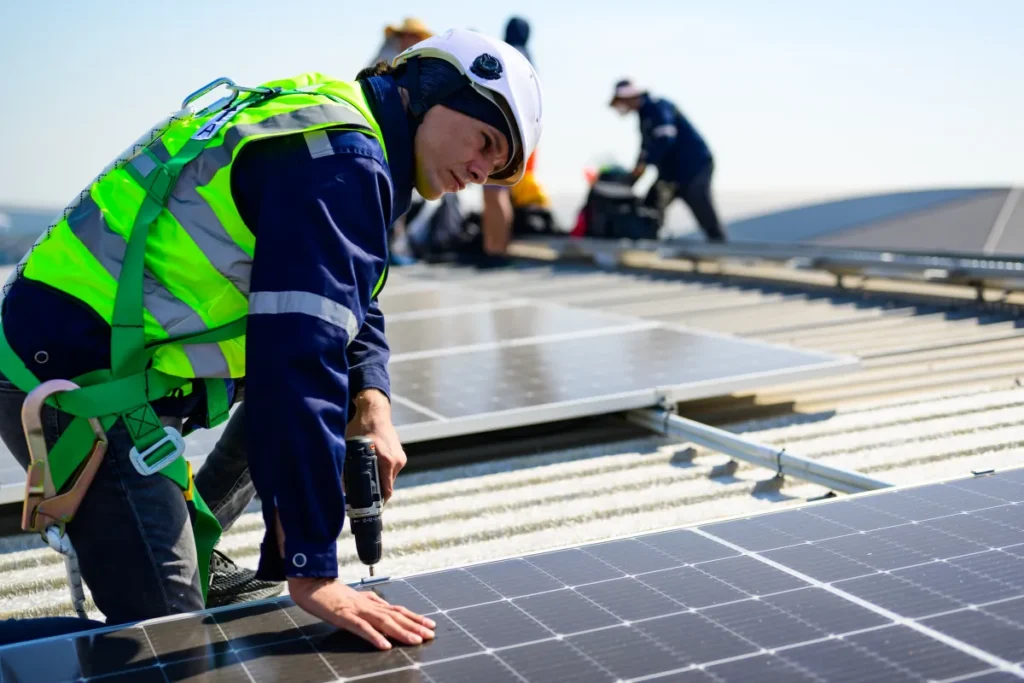
home solar panel installation process certified contractors

Permits And Code Considerations For Solar Panels Permit Requirements

Most residential rooftop solar projects require permits because you’re adding roof attachments and new electrical equipment. For this reason, While solar panels permit requirements vary by scope, reviewers almost always want clear roof attachment details and an electrical one-line diagram. In addition, The exact requirements depend on your scope and address, so treat this as a planning guide and confirm details with the City of Rancho Cordova during submittal.

Permit And Inspection Notes (High Level)

  • Building review: Roof attachments, flashing details, and structural load assumptions may be reviewed.
  • Electrical review: Wiring methods, disconnects, labeling, and how the system ties into your service equipment are typically part of the plan set.
  • Inspections: Expect at least one on-site inspection; larger scopes can require multiple visits (for example, roof attachment and electrical).
  • Battery storage: Adding storage generally increases plan complexity and may add inspection checkpoints.
  • Related work: If you’re upgrading the main panel or doing roof repairs, plan those permits and sequencing early so you don’t redo drawings.

Rancho Cordova Permitting Basics

The City of Rancho Cordova provides online permitting for applications, payments, and inspection scheduling through its permit portal. Meanwhile, Because everything flows through that system, keep your plan set organized and respond quickly if plan check comments come back.

Code requirements can change over time, and reviewers may ask for clarification on items like mounting methods, equipment ratings, and labeling. Additionally, A complete plan set and accurate equipment documentation usually reduces back-and-forth.

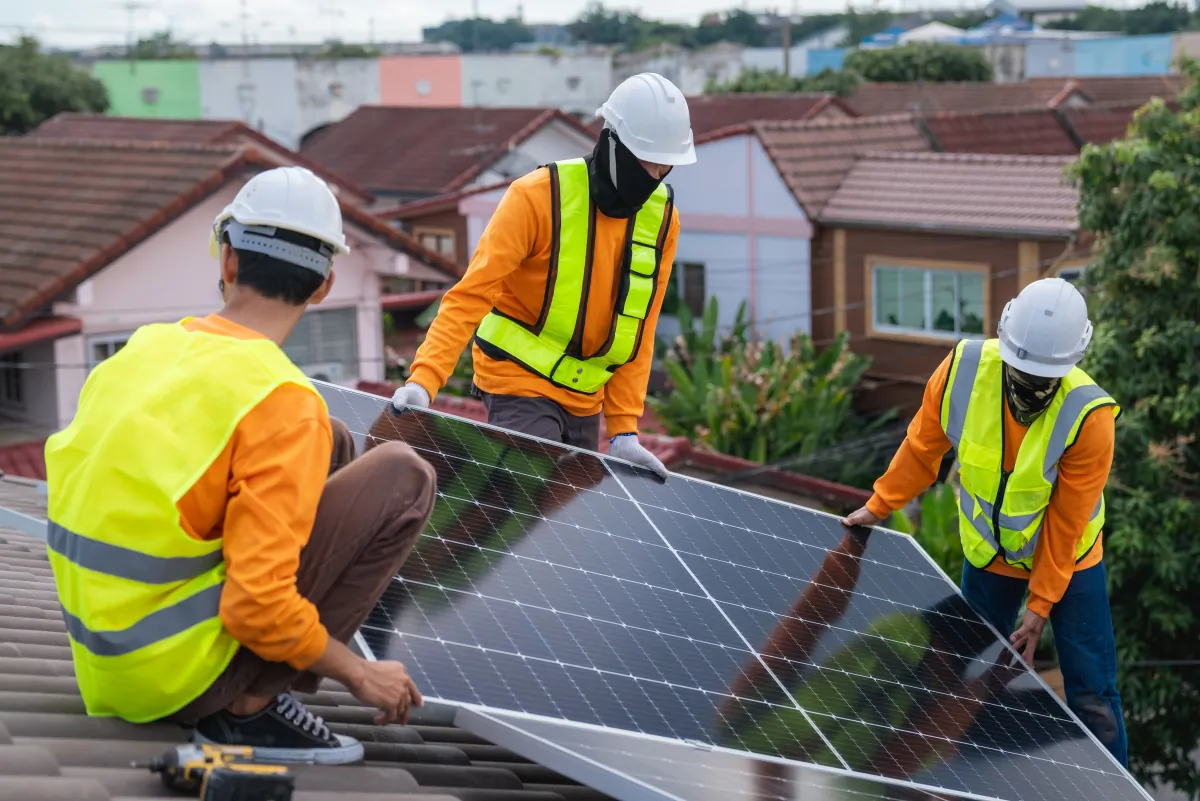
expert solar panel installation certified contractors sustainable home solutions

Timeline And Scheduling

Permitting is rarely a single date on the calendar—it’s a sequence of steps that can stretch if drawings change or inspections get rescheduled. Overall, Planning a realistic timeline helps you avoid rushing work or ordering equipment that later needs to be swapped.

Typical Phases And Rough Timing

  • Site assessment and design: 3–10 days to document roof layout, equipment locations, and electrical tie-in.
  • Permit package prep: 2–7 days to finalize drawings, spec sheets, and any structural/electrical notes.
  • Plan review and revisions: Often 2–6+ weeks depending on workload and how many corrections are necessary.
  • Installation: Commonly 1–3 days for a standard residential array (weather and scope can extend this).
  • Inspections and approvals: 1–3+ weeks depending on inspection availability and any correction items.
Decision or phaseWhat impacts itTypical range
Roof attachment detailsFraming type, mounting method, flashing approachHours–days (design)
Electrical scopePanel capacity, breaker space, battery add-ons1–7 days (design)
Plan review cycleCompleteness of package, corrections, engineering2–6+ weeks
Inspection schedulingCity availability, homeowner access, corrections1–3+ weeks

Scheduling Tips That Reduce Delays

Build in time for at least one round of comments. Also plan for access on inspection day—reviewers often need to see attic areas, disconnect locations, and labels, not just the roof. Also, In Rancho Cordova, inspection scheduling typically runs through the city’s online permit portal, so keep an eye on confirmations and requested changes.

If you’d like help coordinating pre-solar prep work (roof repairs, drywall access for wiring, or service equipment upgrades), US Construction & Remodeling Corp. In addition, can walk the scope with you. Overall, Book online here or call +1 (916) 234-6696.

Frequently Asked Questions

In most cases, yes. A rooftop PV system adds roof attachments and electrical equipment, so the city typically requires a permit and at least one inspection before the project is considered final.

The exact scope matters. For example, roof-mounted systems still need clear mounting and flashing details, and any changes at the main service panel need to be shown on the electrical plan. If you add battery storage, the plan set and inspection steps usually expand.

If you’re unsure, ask what the city expects for your specific residential solar project, then build the plan set around that checklist.

Most homeowners have the installer or contractor handle submittal and inspection scheduling, since they already have the drawings and know what inspectors look for. Even so, you should understand who is paying fees, responding to plan check comments, and coordinating any corrections after an inspection.

Before work starts, get it in writing: who submits the plans, who communicates with the City of Rancho Cordova, and who is responsible for re-inspections if something needs to be adjusted. That clarity prevents delays and surprise costs.

A complete package varies by scope, but most residential submittals include a plan set plus manufacturer documentation. Reviewers usually want enough detail to confirm structural attachment and electrical safety.

  • Site plan and roof layout showing array location and clearances
  • Mounting/attachment details and waterproofing/flashing notes
  • Electrical single-line diagram and equipment locations
  • Equipment spec sheets (modules, inverter, any storage equipment)
  • Main panel/service information and load calculations when needed

Keep a PDF copy of everything you submit. When plan check comments come back, you’ll respond faster if you can reference the exact page and detail callout.

Timelines vary based on review workload and how complete the first submittal is. In general, you can plan for design and permit preparation to move in days, while plan review and inspection scheduling often run in weeks.

Two factors drive most delays: missing details (which trigger corrections) and calendar constraints (inspection availability, homeowner access, weather). You can reduce risk by making sure the drawings match the exact equipment and by keeping inspection-day access simple.

Because the solar panels permit requirements and review flow can change by scope, ask your contractor for a written timeline that includes revision time, not just “install day.”

Panels are only one piece of the budget. Total cost can move up or down based on what the home needs to support a permitted install.

  • Permit and plan check fees (set by the jurisdiction and scope)
  • Structural engineering calculations if the roof framing or attachment method requires it
  • Roof repairs, sheathing work, or upgrades needed to support mounting
  • Main panel or service equipment upgrades, including drywall/stucco restoration
  • Battery storage, critical-load subpanels, or additional disconnects

The safest approach is to request an itemized proposal and ask what conditions would trigger a change order before you sign.

Start with the plan set: reviewers can only approve what’s shown. Pick equipment with current documentation, and make sure the installer uses the same model numbers on drawings, permits, and purchase orders.

  • Ask for a clear roof attachment and waterproofing detail, not a generic note
  • Confirm the conduit route and equipment location (especially on exterior walls)
  • Coordinate roof work and electrical work so the sequence makes sense
  • If a contractor is pulling permits, verify they are properly credentialed for the scope

If you want help coordinating the remodeling parts that often come with solar—roof prep, electrical access, or finish repairs—US Construction & Remodeling Corp. can review the scope and timing with you.

Walk the job with your installer and confirm the system matches the approved plans. Also make sure you receive documentation you’ll need later for warranty claims or resale.

  • Final inspection approval and copies of the signed permit record
  • Visible labels and accessible shutoffs
  • Clean, secure conduit runs and sealed roof penetrations
  • Monitoring access and basic shutdown instructions
  • Warranty paperwork and the final plan set/as-built notes

If anything looks different than the drawings, ask for clarification before you close out the project.

Leave a comment

  1. Vinyl Tile or Laminate: How to Choose for Your Home | US Construction
    Permalink
This website uses cookies to improve your web experience.
Explore
Drag