
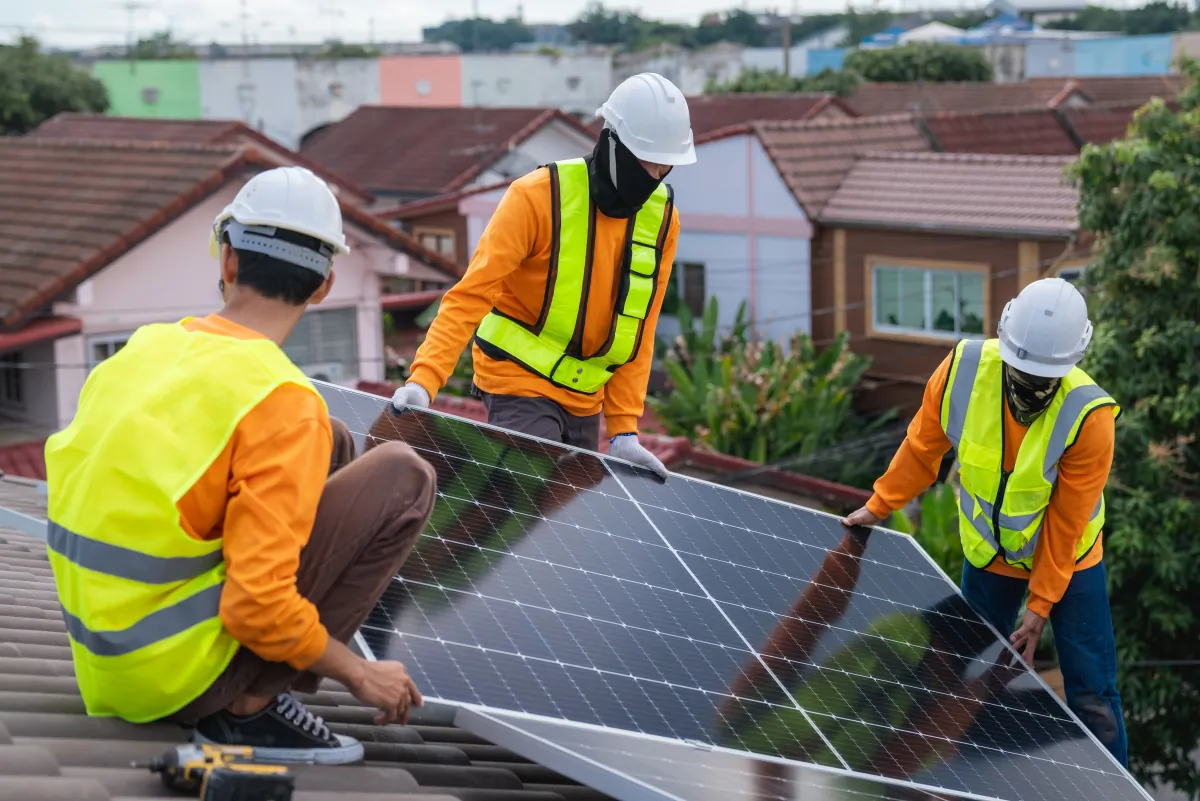
Solar Panels vs DIY in Arden: A Practical Roadmap

Thinking about adding solar to your Arden home? The solar panels vs diy decision usually comes down to rooftop safety, electrical compliance, and how much time you can spend coordinating permits and utility sign-off.
Quick checklist:
- Verify roof condition first; plan reroof timing before installing panels.
- Size the system from real kWh usage and shading, not just panel count.
- Compare inverter options (microinverters vs string + optimizers) and monitoring.
- Confirm permitting and utility interconnection responsibilities and timeline.
- Review the contract (warranties, production assumptions, exclusions, roof penetrations).
- Confirm any electrical panel upgrades and inspection steps.
TL;DR: DIY can look cheaper upfront, yet many homeowners choose a professional install to reduce roof and electrical risk and keep paperwork moving. In Arden-Arcade, the permitting path often runs through the county (and the exact steps depend on the address), so a solid plan matters before you order equipment. Call +1 (916) 234-6696 if you want a quick, no-pressure consult.
A Practical Overview For Solar Panels Vs DIY
| Decision | Why it matters | Quick check |
|---|---|---|
| Roof condition | Installing over an aging roof risks rework later. | Inspect first and plan reroof timing if needed. |
| System size | Determines cost and energy offset. | Size from real kWh usage and shading. |
| Inverter type | Affects monitoring and shade performance. | Compare microinverters vs string + optimizers. |
| Permits & interconnection | Approvals can drive the schedule. | Ask who handles permits/utility and expected timelines. |
In Arden, the solar panels vs diy choice rarely comes down to a single “right” answer. As a result, Homeowners typically want a safe system that passes inspection and a plan that doesn’t drag on for months. As a result, DIY can work if you’re comfortable on a roof, understand electrical work, and can stay organized with paperwork; otherwise, a managed install usually reduces risk and stress.
Quick checklist (use before you buy anything):
- Check roof condition and remaining service life.
- Sketch usable roof area and note shading at different times of day.
- Decide the goal: offset bills, also add backup power, prep for an EV, or a mix.
- Review your main electrical panel capacity and available breaker space.
- Understand the permit and inspection steps for your exact Arden address.
- Choose equipment options and ask about realistic lead times.
DIY Vs. Pro Install: The Trade-Offs
DIY often looks straightforward until you hit the details: roof penetrations, wiring methods, labeling, inspections, and corrections if something doesn’t meet code. In addition, A professional install generally costs more, and in return you get coordinated design, code-focused workmanship, and a single point of responsibility for fixes.
- DIY tends to fit: experienced tradespeople, simple rooflines, and owners who can take time off for inspections.
- Pro install tends to fit: complex roofs, limited electrical capacity, plans for batteries, or anyone who wants a tighter schedule.
Planning And Scope Decisions For Solar Panels Vs DIY
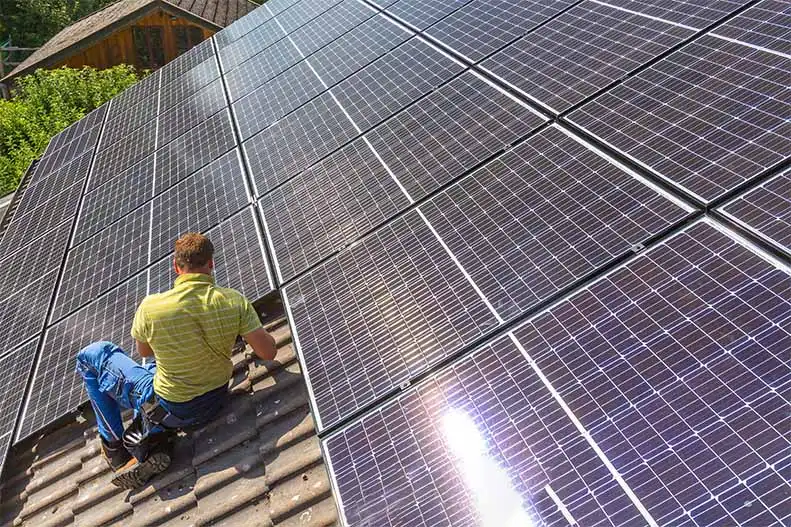
Solar projects touch the roof, the electrical system, and the permitting/inspection workflow. Before you compare quotes (or load a cart with DIY parts), define the scope: grid-tied only, battery backup, or “battery-ready.” Also call out related work that may be needed, such as roof repairs, an electrical panel upgrade, or a clean equipment location that stays accessible.
Layout Planning: Roof Map And Equipment Placement
A good layout is what makes the system feel intentional instead of “bolted on.” It also helps you estimate labor realistically if you’re weighing DIY.
- Map the roof planes that get consistent sun and identify vents, skylights, and ridge lines that limit usable space.
- Decide where equipment will live (inverter, disconnects, monitoring hardware, and any batteries) so the install stays serviceable and doesn’t clutter walkways.
- Plan the conduit route early—short, protected runs usually look better and reduce future roof maintenance headaches.
- Confirm how you’ll access attic/garage areas during install days (ladder placement, storage clearance, pets, and parking).
Small-Space Layouts: Limited Roof And Tight Utility Areas
Some homes simply have less “real estate” to work with. For this reason, When space is tight, prioritize fewer, smarter decisions instead of adding complexity.
- Smaller roof planes: higher-efficiency panels can reduce the total count, which can simplify wiring and racking.
- Multiple small arrays: splitting an array across roof planes can work, but it increases wiring paths and troubleshooting complexity.
- Tight electrical areas: if your main panel is full or hard to access, plan for changes early so the project doesn’t stall after materials arrive.
- Battery placement constraints: choose a location that stays ventilated, protected from impacts, and clear of everyday storage.
Decision Table: What Drives Complexity
| Decision | What it affects | DIY watch-outs | Where pro help shows up |
|---|---|---|---|
| Roof condition | Mounting reliability and leak risk | Missed weak spots; incorrect flashing | Roof inspection, proper flashing, clean routing |
| Shading and orientation | Layout and expected production | Placing panels where shade undercuts output | Array design that balances performance and aesthetics |
| Inverter strategy | Monitoring and serviceability | Compatibility issues; hard-to-troubleshoot wiring | Design matched to roof conditions and homeowner goals |
| Main panel capacity | Electrical scope and timeline | Late discovery that an upgrade is necessary | Early assessment and coordinated electrical work |
| Permits and inspections | Schedule and rework | Rejected submittals; missed corrections | Paperwork, corrections, and inspection preparation |
If you want the simplest path, keep the scope tight: straightforward array layout, common components, and a clear plan for permits and inspections.
Material Choices And Lead Times
Hardware decisions affect more than efficiency. Meanwhile, They influence how the system looks on the roof, how easy it is to service, and how quickly you can get parts if something fails years from now. As a result, When comparing DIY kits to a contractor-specified system, ask for the exact equipment list and the expected availability.
Materials Deep Dive: Panel, Inverter, And Mounting Options
- Panels: monocrystalline panels are a common choice for balancing efficiency and roof space; other panel types can make sense for specific budgets or layouts.
- Inverters: microinverters can help when shading varies across the roof because each panel operates more independently; string inverters (often paired with optimizers) can be a clean option on consistent roof planes.
- Mounting and flashing: quality racking and properly integrated flashing matter as much as the panel brand—this is where leak prevention lives.
- Wiring and conduit: tidy, protected runs improve safety and resale appeal; sloppy routing is one of the most common homeowner complaints after a DIY attempt.
- Battery storage (optional): batteries add backup capability, but they also add cost, space needs, and additional inspection steps.
Lead times can change quickly. Overall, In particular, inverters and batteries sometimes take longer to arrive than panels, so align your design choices with what is actually available before you lock in a schedule.
Timeline And Work Phases
Most solar projects follow the same arc: confirm the home’s readiness, submit plans, install, pass inspections, and get permission to operate. For example, DIY projects often slow down in the “paperwork and corrections” stage, so it helps to plan those steps as carefully as the physical install.
- Site review: roof condition, shading, attic/garage access, and main electrical panel assessment.
- Design and documentation: array layout, equipment placement, and a permit-ready plan set.
- Permitting: submittal, plan review, and any requested revisions.
- Procurement: ordering panels, inverters, racking, and electrical materials based on the approved plan.
- Installation: mounting, wiring, equipment set, labeling, and cleanup.
- Inspection and closeout: final inspection and any required corrections, then utility approval to operate.
Budget Ranges And Timeline (Typical)
- Design/permit review: often a few weeks; longer if revisions are requested.
- Installation work: commonly 1–3 days on many homes; longer with roof work, service upgrades, or batteries.
- Inspections and utility approval: can take days to several weeks depending on scheduling and processing.
- Budget: driven by system size, roof type, electrical upgrades, and whether you add battery storage.
Before-And-After Scenario (Hypothetical)
Before: a homeowner buys a DIY kit and starts staging materials, but discovers the roof needs repair and the main panel has no room for new breakers. The permit submittal also requires a plan set they don’t have, so the project pauses while parts sit in the garage.
After: the homeowner switches to a coordinated plan—roof issues get addressed, the electrical scope is defined up front, and the installation is completed with the right flashing, labeling, and inspection-ready documentation. Additionally, The end result looks cleaner, passes inspection without repeated callbacks, and the homeowner has closeout notes to keep with home records.
How To Avoid Delays
The fastest projects aren’t rushed; they’re prepared. Also, A few small moves up front can save weeks later.
- Take clear photos of the roof area and the main electrical panel early—good information prevents guesswork.
- Don’t order equipment until you’ve verified roof condition and electrical scope; otherwise, you risk buying parts that don’t fit the final plan.
- Keep the component list consistent (panels, inverters, racking) so the permit plan and installation match.
- Respond quickly to plan review comments and keep a single “source of truth” for revisions.
- Schedule inspections as soon as you have install dates, and keep access clear for inspectors.
- If you’re DIY-ing any portion, write down who owns each step (design, roof work, electrical work, documentation) so nothing falls through.
Maintenance Tips After Activation
Solar is low-maintenance, but it isn’t zero-maintenance. As a result, A simple routine helps you spot issues early and protects the roof work around the mounts.
- Check your monitoring app or dashboard periodically to confirm the system is producing as expected.
- Keep panels clear of heavy debris; avoid aggressive cleaning methods that can damage coatings.
- After major storms or roof work, visually check for loose conduit, lifted flashing, or damaged wiring and address it quickly.
- Store manuals, warranties, and inspection sign-offs where you can find them later (they matter at resale time).
ROI And Resale Considerations
Return on investment depends on your energy use, system size, and whether the installation stays trouble-free. Also, For resale, buyers tend to care about clean workmanship and clear documentation.
- Documentation wins: keep permits, inspection approvals, equipment lists, and any warranty details.
- Match solar to the roof’s lifespan: if the roof will need replacement soon, handle that first so you don’t pay to remove and reinstall later.
- Keep it tidy: clean conduit runs and thoughtful equipment placement can make the system feel like an upgrade, not an eyesore.
- Choose the right complexity level: batteries add capability, but they also add cost and maintenance considerations—only add them when the benefit is clear for your household.
Serving Homeowners In Arden
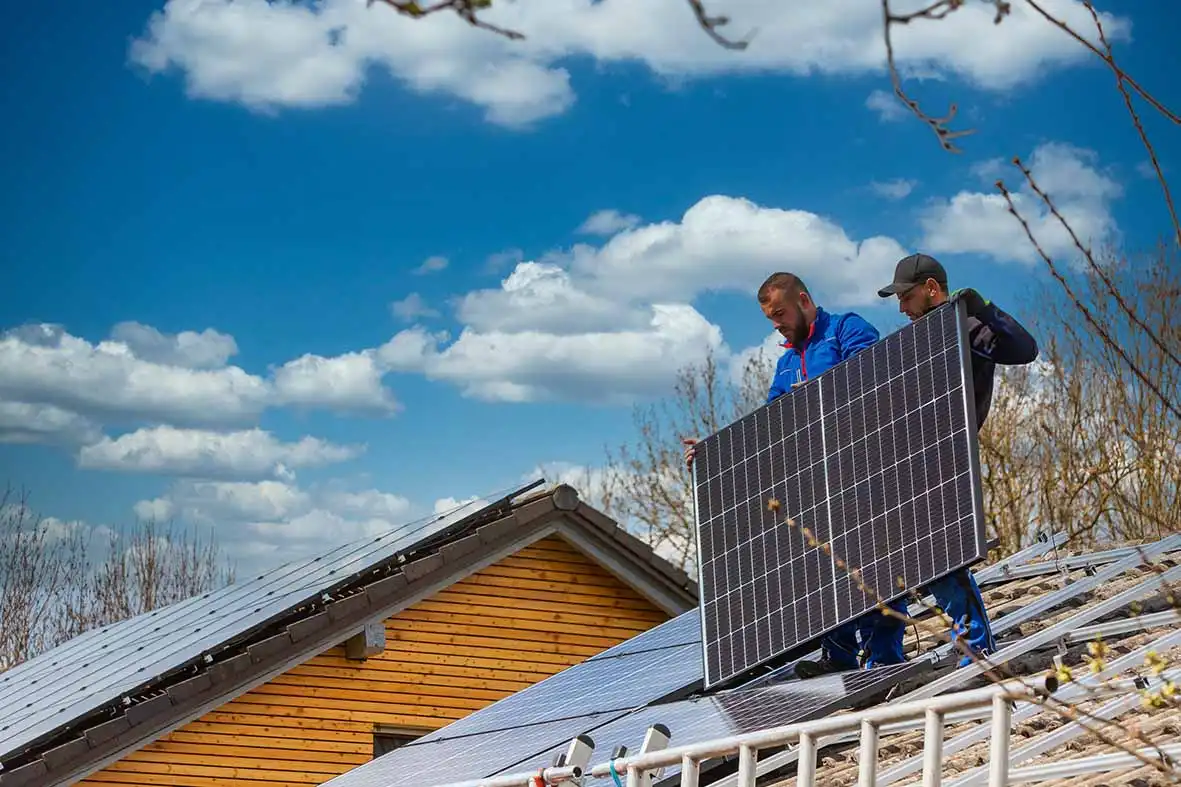
US Construction & Remodeling Corp. As a result, helps Arden homeowners sort out the real-world details behind solar decisions: roof readiness, electrical scope, clean equipment placement, and permit coordination. For this reason, Call Call for a quick consult and an estimate that matches your home, not a generic package.
Free estimate if you prefer to start with photos and a few questions answered.
Local Permitting Reality In Arden
Arden-Arcade is largely unincorporated, and many residential solar and electrical permits are handled through the county building department’s electronic plan submittal process (details vary by address and scope). Also, We confirm jurisdiction early, map the inspection sequence, and keep the permit responsibilities clear in writing.
Trust And Verification Checklist
- Licensing and insurance: we keep documentation available for the scope of work and share it on request.
- Permits and inspections: we spell out who pulls permits, what gets inspected, and what closeout paperwork you should keep.
- Communication: you get one point of contact and plain-language updates when schedules move.
- Work verification: we label equipment, explain shutoffs, and walk you through monitoring so you can spot issues early.
- Respect for your home: we protect work areas and leave the site clean at the end of each day.
Ways To Get Started
If you’re leaning toward DIY, we can still help you sanity-check the plan—roof condition, panel layout, and electrical scope—before you spend money on parts. For example, If you want a full managed installation, we’ll put everything in writing so expectations stay clear.
Call: +1 (916) 234-6696Online estimate: Use the estimate request form
Helpful Links
Frequently Asked Questions
Some homeowners do parts of a solar project themselves, but you still need permits, inspections, and utility approval before the system can operate. If you’re not comfortable with roof work or electrical connections, consider a hybrid approach: you handle research and equipment decisions, and a licensed crew handles mounting, wiring, and closeout documentation.
If you want a quick reality-check for your Arden address, call Call.
Many residential solar installations require building and/or electrical permits, and batteries or main-panel work can add additional review. Because Arden-Arcade is largely unincorporated, the permit workflow often routes through the county building department depending on the address and scope. The safest move is to confirm the permit path before ordering equipment so plans, materials, and inspections stay aligned.
Timelines vary based on plan review and utility processing, but the work usually moves through predictable phases:
- Design and permit submittal
- Material ordering
- Installation (often 1–3 days on many homes)
- Final inspection
- Utility approval/permission to operate
If you’re trying to hit a specific date, the permit and inspection calendar often sets the pace more than the actual install day.
The biggest cost drivers are rarely just the panels. Plan around:
- System size and roof complexity (more planes and penetrations take more labor)
- Inverter type (microinverters vs a single string inverter)
- Electrical upgrades (main panel capacity, disconnects, grounding)
- Battery storage and backup loads (if included)
- Permits, plan review, and any required corrections
- Tools, safety equipment, and your time if you go DIY
For many homeowners, monocrystalline panels offer a strong balance of efficiency and availability. For inverters, microinverters can be a good fit when shading varies across the roof because each panel operates more independently; string inverters (often with optimizers) can be cost-effective on clear, consistent roof planes.
Whichever route you choose, prioritize manufacturer support, warranty terms, and an equipment list that an inspector can review without guesswork.
Look for clear accountability more than sales talk. A solid proposal should include:
- Exact equipment list (panels, inverter, mounting)
- How roof penetrations are flashed and sealed
- Who pulls permits and handles inspections
- Scope for any electrical panel work or drywall patching
- Change-order rules in writing
- System monitoring setup and closeout documentation
You can also verify licensing through the California Contractors State License Board (CSLB) before you sign.
Licensed, insured & trusted local contractor
US Construction & Remodeling Corp.
4424 Freeport Blvd, Sacramento, CA, 95822
Phone: +1 (916) 234-6696
CSLB License #: 1117562 Fully licensed and insured.