Skip links

Solar Panels Vs DIY In Placer

Getting solar can feel simple until you compare the fine print: roof penetrations, electrical safety, inspections, and paperwork. If you're weighing solar panels vs diy in Placer, this guide breaks down what you take on yourself versus what a full-service install covers.

You'll see scope options, material choices that affect longevity, and a realistic timeline so you can pick a path with fewer surprises.

TL;DR: DIY can work when you have the right tools, time, and a plan for drawings and inspections. A turnkey installation usually costs more upfront, but it can shorten the schedule and reduce rework risk.

Quick Checklist Before You Decide:

  • Confirm your roof is in good shape before adding penetrations.
  • Identify shading and the roof areas that are actually usable.
  • Decide whether you want bill offset or backup power (battery).
  • Check whether your electrical panel has capacity or needs an upgrade.
  • Plan who will handle documents, submittals, and inspections.
  • Set a timeline that matches your schedule and the local review cycle.

Options And What Each Includes For Solar Panels Vs DIY

DecisionWhy it mattersQuick check
Roof conditionInstalling over an aging roof risks rework later.Inspect first and plan reroof timing if needed.
System sizeDetermines cost and energy offset.Size from real kWh usage and shading.
Inverter typeAffects monitoring and shade performance.Compare microinverters vs string + optimizers.
Permits & interconnectionApprovals can drive the schedule.Ask who handles permits/utility and expected timelines.

Most homeowners in Placer choose full DIY, a hybrid approach, or a turnkey installation. As a result, The right choice depends on who will manage roof penetrations, electrical coordination, and the paperwork.

DIY Responsibilities You Should Not Underestimate

  • System layout choices (usable roof planes, also shading, and equipment placement)
  • Roof mounting and waterproofing details
  • Documents, submittals, and inspection scheduling

What A Turnkey Install Typically Covers

  • Design help and a complete, written scope
  • Coordinated scheduling so on-site work happens in planned days
  • Closeout documentation you can keep for records and resale

Hybrid Approach (Common Middle Ground)

Some homeowners handle procurement and prep, then hire a pro for roof penetrations and/or the electrical tie-in. In addition, It can lower costs while reducing the highest-risk steps.

Quick Decision Check

For many Placer homes, the solar panels vs diy decision comes down to time and risk. For this reason, If you want the fastest finish with the least guesswork, a coordinated scope usually wins.

Scope Options (Refresh Vs Full Remodel)

Some homes need a limited refresh, while others benefit from a full, coordinated scope that prevents future rework.

Limited Changes

  • Add a modest array to offset part of your usage.
  • Improve the finish with cleaner equipment and conduit placement.

New System Plus Coordinated Upgrades

  • Complete layout plan and a clear wiring route.
  • Electrical scope planned up front (including panel work if needed).

Roof Planes And Equipment Placement

Good layout planning keeps the system productive and keeps the house looking clean.

  • Roof condition: if a roof replacement or roof repair is coming soon, do it first.
  • Shading: prioritize areas that stay productive across seasons.
  • Equipment location: choose spots that are serviceable and visually discreet.
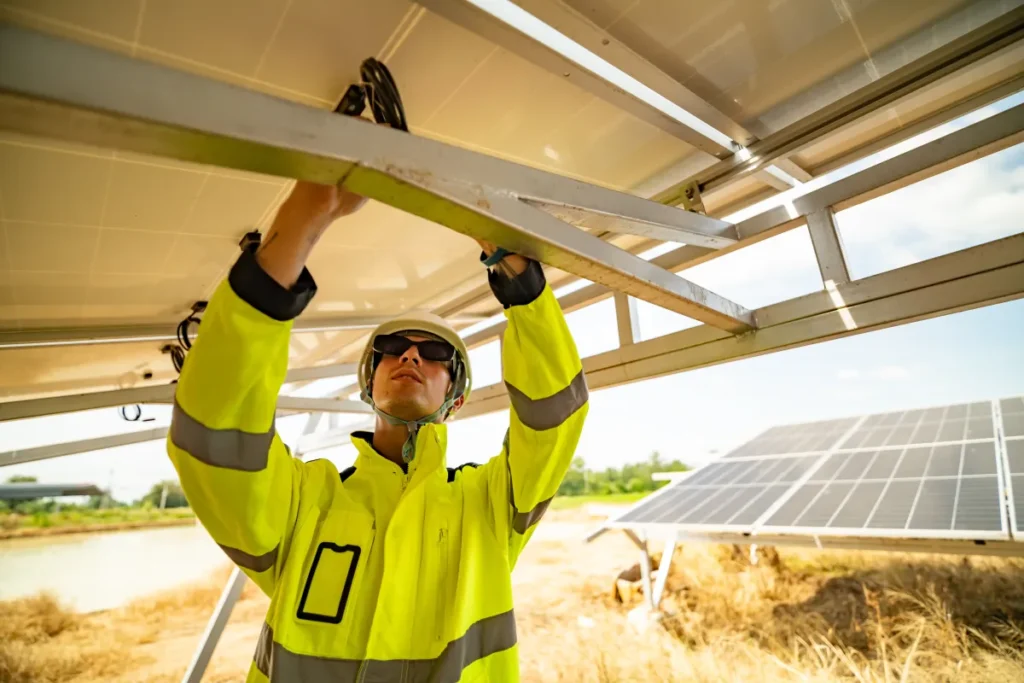
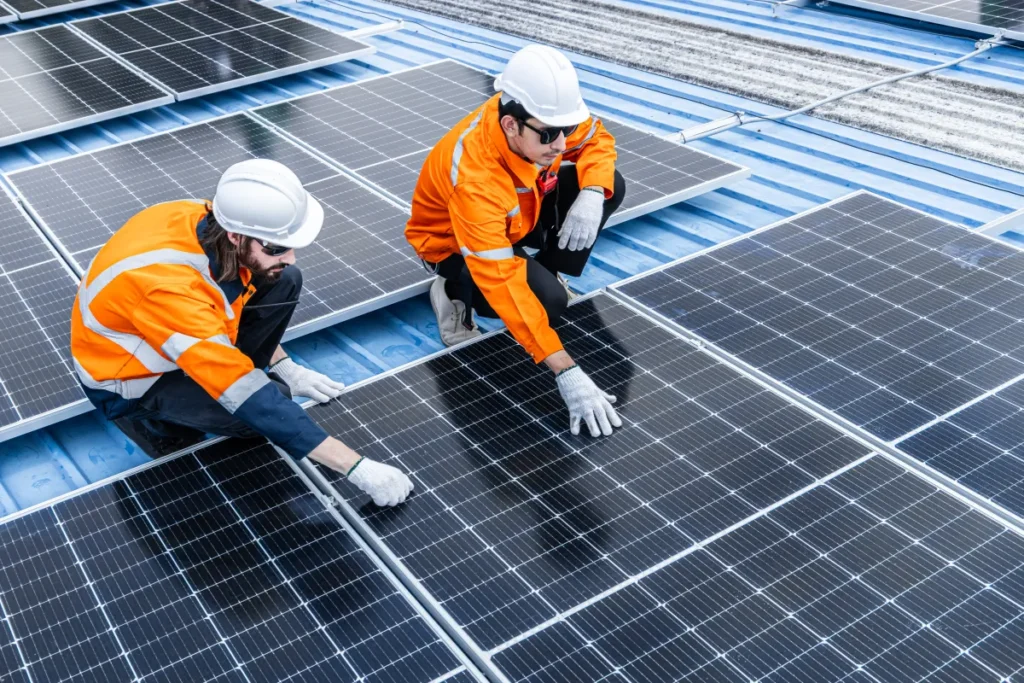
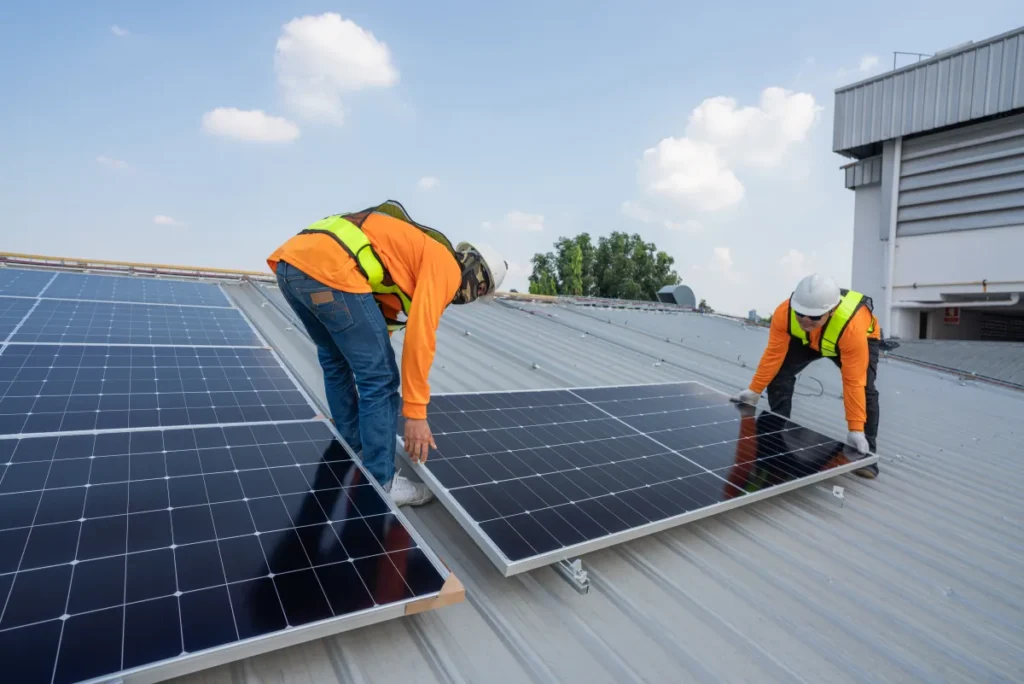
solar panel technicians installing photovoltaic solar panels

Materials And Finish Selections For Solar Panels Vs DIY

In a solar panels vs diy comparison, materials matter for reliability and for the finished look. Additionally, Choose components you can document, install correctly, and service later.

What Matters Most

  • Documentation and warranty terms: make sure they are clear and complete.
  • Corrosion resistance: quality mounting hardware helps the array stay tight over time.
  • Appearance: black-frame options can look cleaner, but compare lead times.

Roof Penetration And Waterproofing Details

This is where DIY risk spikes. Also, A small mistake can become a leak later.

  • Use a consistent flashing approach that matches your roof type.
  • Avoid improvised sealant-only fixes.

Electrical Finish Choices For A Clean Install

  • Conduit routing: plan the path early to avoid awkward runs.
  • Panel capacity: an electrical panel upgrade may be part of a safe scope.

Mistakes That Cause DIY Rework

  • Mounting into a roof that needs repair or replacement.
  • Underestimating shading and ending up with an unproductive layout.
  • Mixing components without confirming compatibility and documentation.
  • Thinking about inspections only after the install is finished.

Timeline And Site Disruption (Typical)

The install days are only one part of the calendar. Overall, Reviews, inspection scheduling, and material lead times often drive the real timeline.

DriverDIY impactTurnkey impact
Roof readinessYou assess and fix issues before mountingIssues are flagged early and coordinated
Documents and submittalsYou gather and submit paperworkOften handled as part of the scope
Electrical capacityYou coordinate an electrician if neededPlanned as one coordinated job

Budget Ranges And Timeline (Typical)

  • DIY: lower labor cost, higher time commitment; budget for tools, safety gear, and rework risk.
  • Hybrid: mid-range cost; you pay for the high-risk steps and keep control of simpler tasks.
  • Turnkey: higher upfront cost; you pay for coordination, workmanship, and documentation.
  • Timeline: DIY often stretches across weekends; turnkey work often finishes in weeks once approvals and scheduling line up.

What To Prioritize

  • Keep permit and inspection sign-offs, warranties, and equipment documentation.
  • Make the install look intentional with clean routing and consistent labeling.
  • Handle roof condition early so buyers do not worry about future removal.

Hypothetical Before/After Snapshot (Anonymized)

Before: A homeowner considers a bargain kit but has partial shading and an older electrical panel, so the scope keeps changing.

After: The plan shifts to a smaller, better-placed array with a coordinated electrical scope and clean closeout documentation. Meanwhile, The schedule becomes easier to predict.

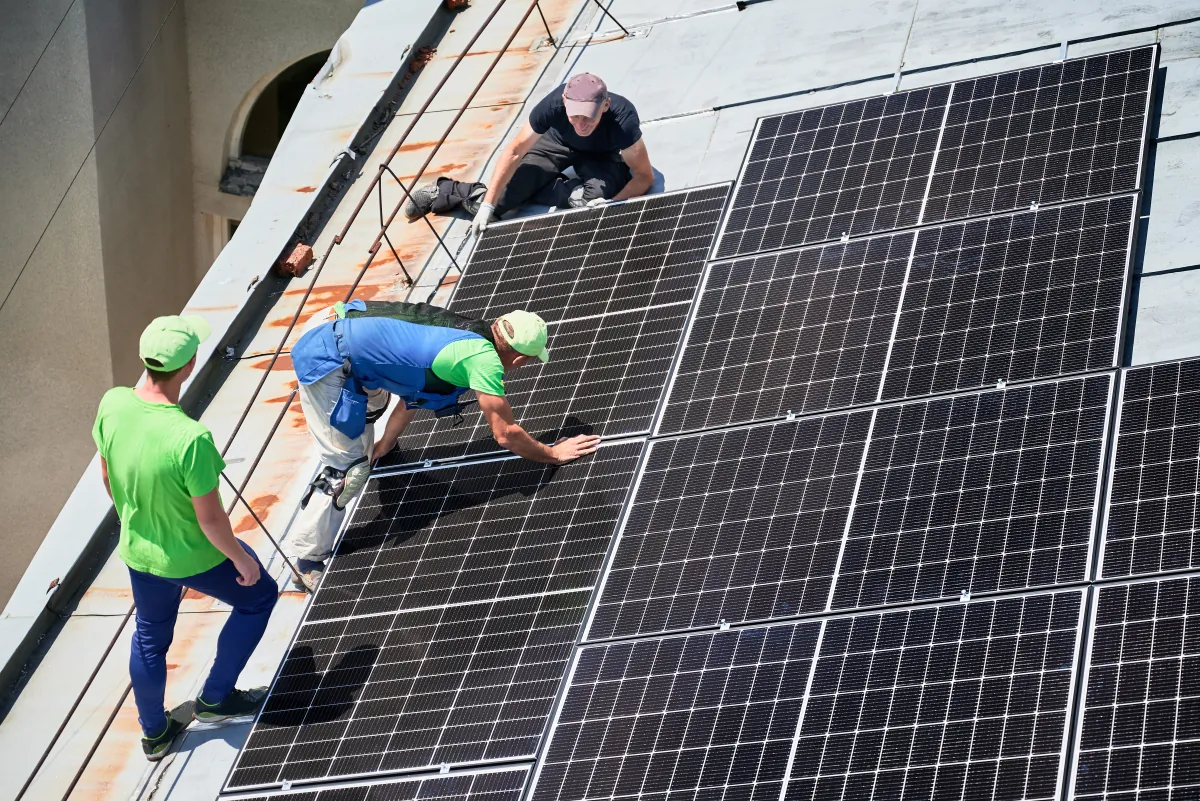
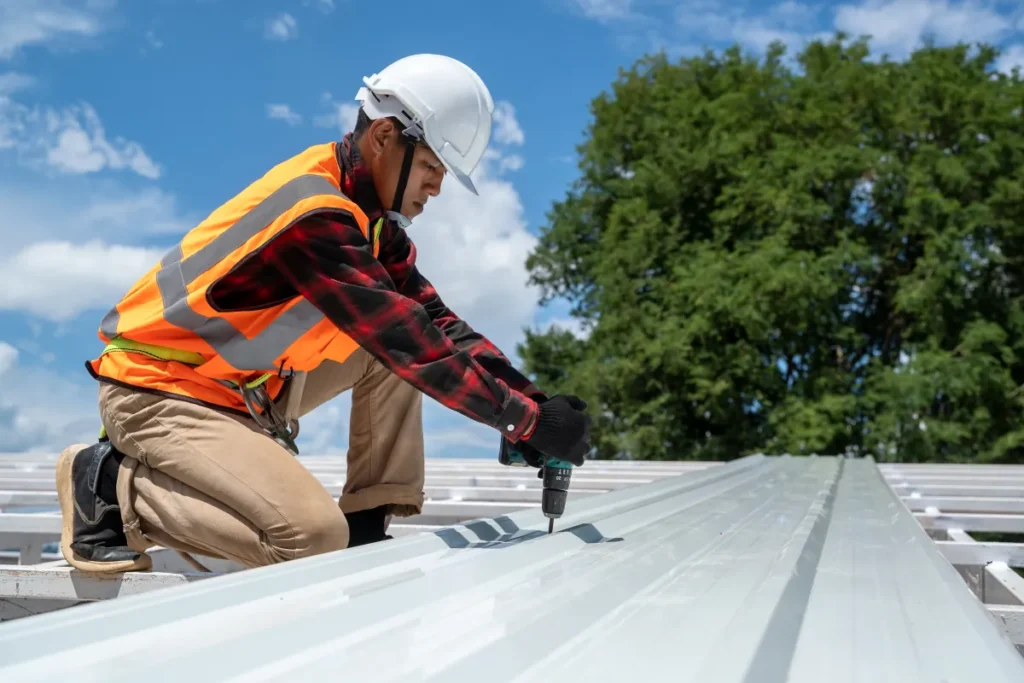
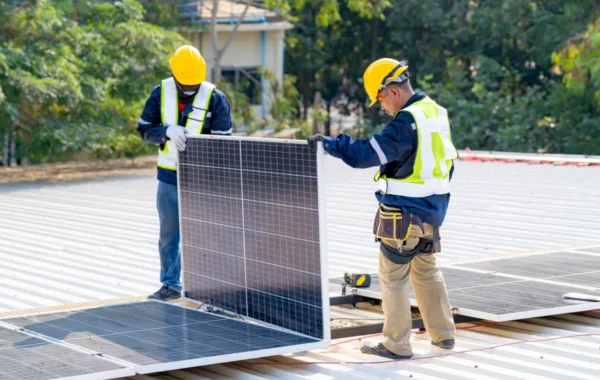
solar panel workers building solar panel system on roof of hou

How To Get Started In Placer

US Construction & Remodeling Corp. For example, helps Placer homeowners compare DIY and installed solar with a realistic roadmap for scope, materials, paperwork, and scheduling.

If you're still weighing solar panels vs diy, book a planning call to talk through timing and the cleanest path forward. You can also call +1 (916) 234-6696.

Paperwork To Closeout

  1. Planning call and goal-setting (bill offset, backup power, future EV needs).
  2. Site check: roof condition, shading, attic access, and electrical panel capacity.
  3. Layout plan: roof planes, equipment placement, and a tidy wiring route.
  4. Submittal: many Placer County projects run through the county permit portal (Accela / e-Permits), depending on jurisdiction and scope.
  5. Installation, cleanup, and inspections.
  6. Closeout records for your files.

Local Planning Notes For Placer County

Placer is a large area with different jurisdictions. For example, Confirm the permitting authority by address before you buy equipment or set a hard install date.

  • Build in time for at least one review cycle on drawings for many projects.
  • Plan inspection availability early so the finish line does not slip.

Trust And Verification Checklist

  • Confirm who is responsible for permits, inspection scheduling, and closeout paperwork.
  • Verify license status and insurance coverage before work begins.
  • Ask for a written scope that explains roof penetrations, equipment placement, and cleanup.
  • Set communication expectations (one point of contact and update cadence).
  • Confirm how workmanship is checked at closeout, and keep a documentation packet.

Related Home Projects Worth Checking

Solar planning often connects to roof repair, roof replacement, and electrical panel upgrades. In addition, If you want to coordinate improvements, start here: see our services.

Helpful Links

Frequently Asked Questions

The calendar is driven by planning, reviews, and inspection scheduling-not just install days. A typical sequence is layout planning, submittal, review, installation, then inspections and closeout.

DIY often stretches across weekends, while a coordinated install compresses on-site work once approvals line up.

In many cases, yes. Residential solar work commonly involves building and electrical permits plus inspections, and the details depend on the jurisdiction and scope.

For many Placer County projects, submissions run through the county permit portal (Accela / e-Permits). Confirm what applies to your address before purchasing equipment.

Roof readiness, electrical capacity, documentation prep, and rework after inspection notes tend to move the budget the most. DIY can look cheaper up front, but tools, safety gear, and time add up.

  • Roof repairs or replacement
  • Electrical panel work
  • Mounting and waterproofing details
  • Warranty coverage and responsibility

Focus on the parts that keep water out and protect wiring. Mounting and penetration details often decide whether a system stays trouble-free.

  • Penetration flashing and compatible sealants
  • Corrosion-resistant mounting hardware
  • Weather-rated wiring and tidy cable management
  • Clear documentation and warranty terms

When homeowners compare solar panels vs diy, the deciding factor is usually risk tolerance. DIY gives you control, but you also own safety, paperwork, and fixes. Turnkey work costs more up front, but you get a coordinated scope and one accountable party.

If timeline is your priority, book a planning call and ask for a written scope and schedule.

Licensed, insured & trusted local contractor

US Construction & Remodeling Corp.
9821 Business Park Dr, Sacramento, CA, 95827
Phone: +1 (916) 234-6696

CSLB License #: 1117562 Fully licensed and insured.

View our Google Business Profile

Leave a comment

This website uses cookies to improve your web experience.
Explore
Drag