
Skip links

CA Title 24 Lighting Controls for Bar & Cafe Build-Outs

A bar or cafe build-out in California moves faster when the team treats lighting compliance as a coordination item, not a late inspection surprise. In particular, title 24 lighting controls affect fixture selection, electrical rough-in, and when you can pass final inspection.

Quick checklist:

  • Define the scope and your must-have outcome (performance, budget, timeline).
  • Confirm what work is involved and the order of operations.
  • Finalize measurements and key selections before ordering long-lead materials.
  • Collect 2–3 quotes and compare line-by-line (scope, allowances, cleanup, warranty).
  • Create a simple schedule and pre-order the items that most often cause delays.

TL;DR: Controls strategy decisions have scheduling consequences because they touch procurement, programming, and inspections. A clear scope (who provides devices, programming, and testing) plus a phasing plan helps protect operating hours. If you align this early, you reduce rework and keep turnover predictable.

  • Confirm space types and how staff uses each area.
  • Define control zones, dimming needs, and any daylight response areas.
  • Coordinate device locations with ceilings, sprinklers, and HVAC.
  • Plan permit/inspection hold points and any acceptance testing.
  • Build a downtime plan (after-hours tie-ins, temporary lighting, access).
  • Set closeout deliverables (as-builts, operations and maintenance manuals, warranties, training).

California Title 24 Lighting Controls For Bar And Cafe Build-Outs: Commercial Project Overview In Sacramento

DecisionWhy it mattersQuick check
ScopeDefines what is included and prevents surprises.Write a line-item scope and allowances list.
Site constraintsAccess and hidden conditions can change the plan.Check access and existing surfaces before work starts.
SelectionsLong-lead items can drive the schedule.Confirm availability before starting.
PermitsSome scopes require approvals and inspections.Ask your city/county what applies to your project.

Bars and cafes combine guest-facing ambiance with back-of-house production, so lighting controls have to support operations while staying compliant. For example, During a tenant improvement, the controls package influences electrical rough-in, ceiling coordination, and the inspection sequence. Additionally, The guidance in this guide applies statewide, and we have written it from the perspective of a Sacramento-based commercial TI contractor who plans work around operating hours and stakeholder coordination.

When teams treat title 24 lighting controls as a finish item, they often discover late changes: extra control zones, sensor coverage conflicts, or additional testing requirements. For this reason, Bringing controls into early scope discussions helps you compare bids accurately and avoid schedule drift.

Where Teams Get Surprised

  • Control zones do not match how the staff actually opens, also closes, cleans, and stocks.
  • Sensor locations conflict with sprinklers, diffusers, soffits, or decorative ceilings.
  • Daylight response areas near glazing change wiring, device counts, and programming.
  • Controls hardware gets ordered late, and lead times push trim-out.
  • Testing and inspection access is not planned, so final approval slips.

Who This Guide Is For

  • Facility and property managers managing turnover dates and tenant coordination
  • General contractors and project managers writing scopes, schedules, and subcontractor buyouts
  • Business owners planning openings and managing operational downtime

If you are reviewing proposals, ask each bidder for a simple controls scope matrix: devices supplied, programming responsibility, testing/acceptance testing responsibility, and the closeout documents included. Overall, That single page usually prevents the most common change orders.
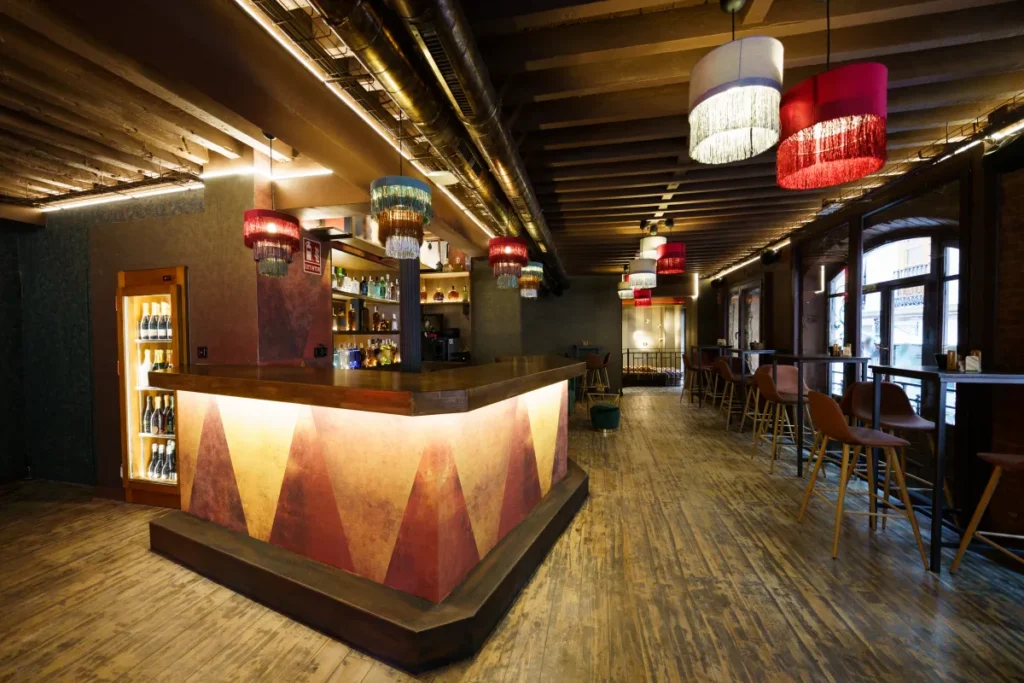
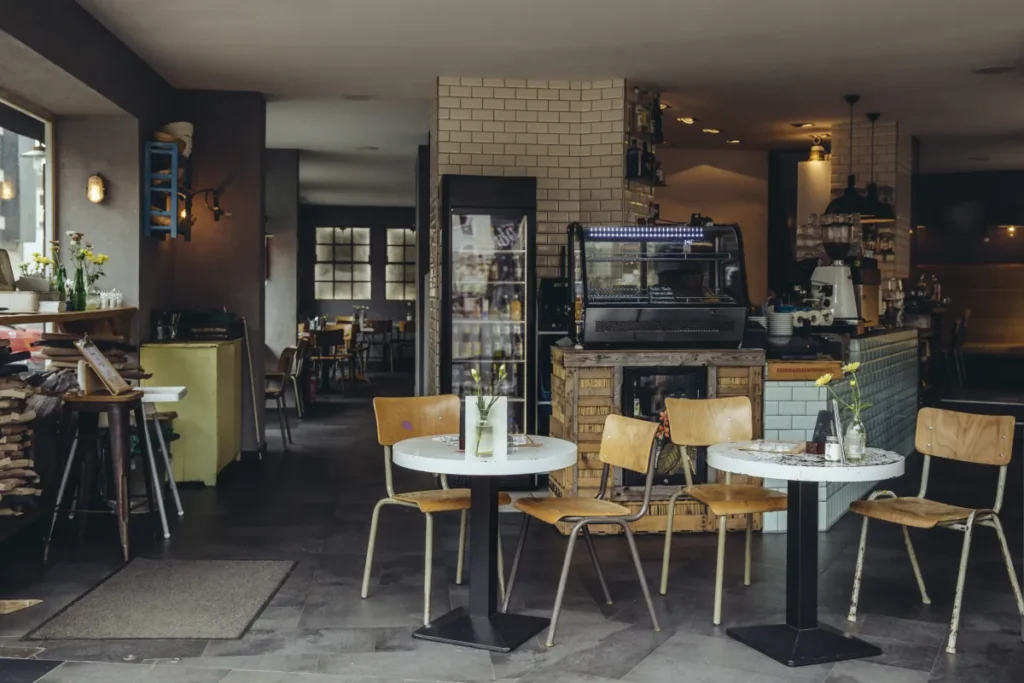
bar cafe build outs bar counter soft chairs cafe no visit

Scope, Inclusions & Exclusions

A clean scope is the fastest way to keep a bar or cafe build-out moving. Additionally, Lighting controls can include line-voltage switching, dimming, occupancy sensing, daylight response, time scheduling, and networked control panels. As a result, Even when fixtures are straightforward, title 24 lighting controls can add wiring, device, and testing steps, so spell out responsibilities before you finalize a schedule.

Typical Inclusions (Bid-Ready)

  • Site walk to verify ceiling conditions, access, and existing electrical constraints
  • Coordination of control zones and device locations with reflected ceiling plans and fixture schedules
  • Procurement and installation of controls devices defined in scope (switches, dimmers, sensors, relays, control modules)
  • Labeling of devices and circuits so facilities teams can troubleshoot later
  • Coordination for programming and functional testing, including scheduling access windows
  • Punch-list support for controls-related corrections identified during inspections

Common Exclusions To Clarify Up Front

  • Energy compliance documentation prepared by the designer/engineer or consultant, unless explicitly included
  • Lighting fixture procurement, unless explicitly included
  • Building-wide system integration beyond the defined control points
  • Permit fees and third-party testing fees (when applicable)
  • After-hours premium labor, unless the phasing plan includes it

Roadmap From Submittal To Sign-Off

  1. Confirm operating hours, shutdown windows, and access constraints with the PM/facility team.
  2. Align the controls narrative (what each area does) with the drawings and fixture schedule.
  3. Approve submittals and lock lead times for sensors, dimmers, gateways, and panels.
  4. Rough-in wiring and box locations to match zoning and any daylighting strategy.
  5. Trim devices, program sequences/scenes, and run functional checks by zone.
  6. Complete required inspections and any acceptance testing, then address corrections quickly.
  7. Deliver training and a closeout package that matches what was installed.

  • More zones, dimming, or networked controls increases programming and test effort.
  • Controls hardware can create the critical path if it is not ordered with fixtures.
  • Inspection availability varies by jurisdiction, so schedule hold points early.
  • Clear closeout requirements reduce revisits after turnover.

Key Decisions At A Glance

DecisionWhy it mattersWhen it affects the schedule
Control zoning by areaMatches operations and compliance intentBefore rough-in and circuiting
Daylight and occupancy strategyDrives sensor counts and locationsDuring ceiling and device layout
Wired vs wireless architectureChanges gateways, access, and troubleshootingDuring procurement and programming
Testing and acceptance planSets inspection hold points and access needsBefore finals and turnover
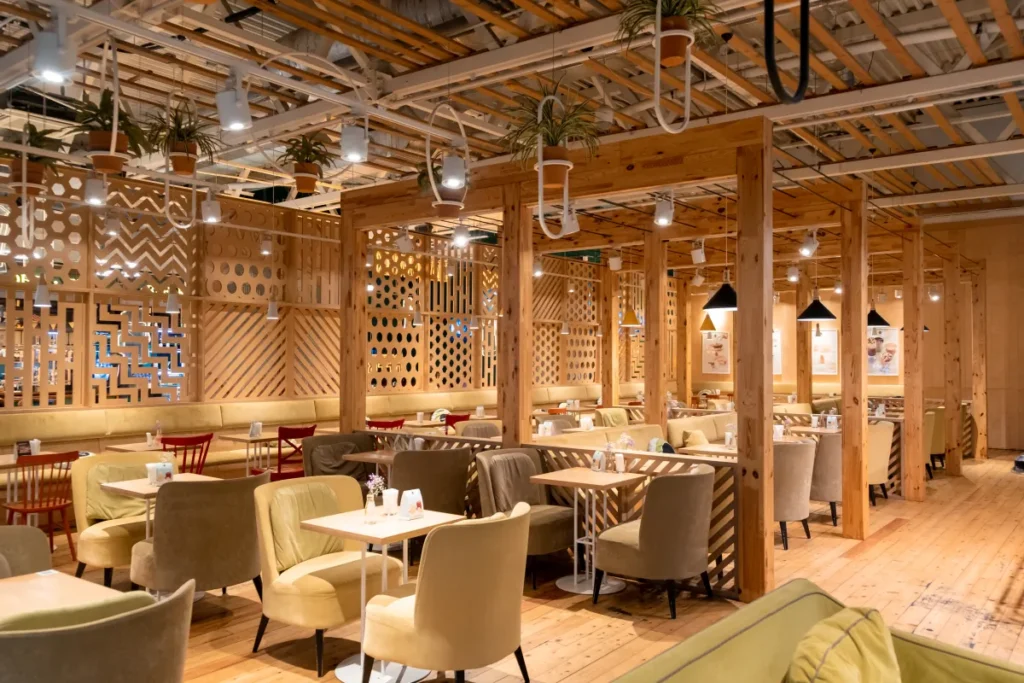
bar cafe build outs close up design vintage coffee shop design

Scheduling & Downtime Minimization (Phasing)

US Construction & Remodeling Corp. In addition, helps commercial clients keep lighting controls from turning into a last-week scramble: we plan shutdown windows, coordinate electricians and controls programming, track inspection hold points, and build documentation as the job progresses.

To review your timeline and what needs to be decided before rough-in, schedule a planning call at https://usconstructioncali.com/free-estimate/ or call +1 (916) 234-6696.

Phasing Patterns That Reduce Downtime

  • Sequence by zones (bar, dining, restrooms, back-of-house) so parts of the space can stay operational.
  • Use after-hours tie-ins for panel work and control cutovers where operations require it.
  • Pre-stage devices, label circuits, and stage lifts so shutdown windows stay short.
  • Program and test in blocks to avoid repeated ceiling access and re-mobilization.
  • Maintain temporary lighting and clear egress along occupied routes during construction.

Tenant And Customer Coordination

Bars and cafes often have multiple stakeholders: tenant, landlord, property management, and neighboring suites. Coordination reduces friction, and it also helps inspectors and technicians get access when they need it.

  • Publish a weekly look-ahead that calls out areas impacted by ceilings, lifts, or temporary lighting.
  • Confirm access for locked rooms, POS/IT closets, and ceiling hatches before scheduled work.
  • Plan sensor testing for times when the space is quiet but staffed, so sequences are easy to verify.

Sacramento-Based Coordination, California-Wide Compliance

Our primary market is Sacramento, and we support commercial TI work across California. As a result, Because each jurisdiction runs plan review and inspections differently, we keep the permitting path and inspection milestones visible in the schedule instead of treating them as administrative tasks. For example, Sacramento projects often use an Accela Citizen Access portal for submittals and inspection requests, so we align our internal tracking with that workflow and share updates with the GC/PM.

Transparency Checkpoints (Things You Can Verify)

  • A written scope matrix that separates fixtures, controls devices, programming, and testing responsibilities.
  • Submittal and lead-time tracking for sensors, gateways, and control panels.
  • An inspection and testing window built into the schedule, not squeezed into punch list week.
  • Device labeling that matches as-builts and panel schedules for future troubleshooting.

Frequently Asked Questions

Cost depends on device counts, system complexity, and operating constraints.

  • Number of control zones, sensors, and dimming areas
  • Wired vs wireless architecture and any networking/gateways
  • Ceiling access, lift needs, and after-hours work requirements
  • Programming complexity (scenes, time schedules, overrides)
  • Testing, inspection coordination, and any required acceptance testing

Share the reflected ceiling plan and fixture schedule to get a comparable bid.

Finalize it before electrical rough-in so circuits, boxes, and device locations match the plan.

  • Confirm zoning by area and how staff operates each zone
  • Identify daylight response areas early because they drive sensor layout
  • Order long-lead controls hardware alongside fixtures

When the schedule is tight, reserve time for programming and testing instead of pushing it to the end.

Inclusions vary by contract structure, but commercial TI scopes commonly cover:

  • Field verification and coordination with drawings
  • Installation of switches, sensors, dimmers/relays, and associated wiring per scope
  • Device labeling and updates for as-built documentation
  • Coordination for programming and functional testing, plus corrections after inspections

We list exclusions clearly (design/engineering, fixture supply, permit fees) so bids compare cleanly.

Often, yes—especially when the work adds/modifies circuits or is part of a tenant improvement.

  • Confirm who pulls permits (owner, GC, or electrical subcontractor).
  • Identify inspections that create schedule hold points.
  • Ask whether acceptance testing applies to the specified controls features.

Building these milestones into the schedule reduces end-of-job delays.

Downtime control starts with phasing and access planning.

  • Sequence work by area so parts of the space can remain open
  • Use after-hours tie-ins when outages would impact operations
  • Maintain temporary lighting and safe egress for occupied routes

We coordinate weekly look-aheads with site contacts so staffing and access stay aligned.

Warranty depends on the devices supplied and on the contract scope.

  • Manufacturer warranties typically cover equipment defects under their published terms.
  • Workmanship coverage is defined in the contract; we document what is covered and excluded.
  • After turnover, many teams schedule a short adjustment visit to fine-tune sensor settings and scenes.

Use https://usconstructioncali.com/free-estimate/ to book a planning call focused on timeline and scope.

You can also call +1 (916) 234-6696. To speed up pricing, share the plan set (or reflected ceiling plan), fixture schedule, operating hours, and target turnover date.

Related service

Looking for a step-by-step overview before you choose materials? Read Bar & Café Build-Outs.

Related articles

Leave a comment

This website uses cookies to improve your web experience.
Explore
Drag