Skip links

Types of Gutters: Options, Materials, and a Clear Roadmap

Gutters aren't one-size-fits-all. The right types gutters for your home depend on roof shape, where water concentrates, and how you want runoff handled at the ground.

Quick checklist:

  • Decide the scope: cleaning, repair, guards, or full replacement.
  • Confirm gutter size/material and how many downspouts you need for runoff.
  • Plan downspout discharge and drainage so water moves away from walls, stairs, and the foundation.
  • Ask whether fascia/rot repair is included and how corners/seams will be sealed.
  • Compare 2–3 itemized quotes (linear feet, downspouts, guards, disposal, warranty).
  • Schedule around weather and run a hose test at the final walkthrough.

TL;DR: Choose a profile (K-style, half-round, or box), decide on seamless vs sectional, and map downspouts so water drains away from the foundation. Solid slope and fastening prevent most leaks and overflow.

  • Pick a gutter profile that fits your roofline and trim
  • Decide seamless vs sectional based on how much you want to minimize seams
  • Match gutter size to roof planes and valley flow
  • Plan downspout locations so discharge stays away from the home
  • Choose material and finish based on durability and curb appeal
  • Decide on guards or a realistic cleaning schedule

Options And What Each Includes For Types Gutters

DecisionWhy it mattersQuick check
Gutter size (5-inch vs 6-inch)Capacity affects overflow risk during heavy rain.Ask the installer to size based on roof area and runoff.
Downspout locationsWhere water lands affects erosion and slip hazards.Map discharge points and confirm extensions/splash blocks.
Guards/screensReduces clogs but still needs maintenance.Choose based on debris type and confirm cleaning access.
Fascia conditionWeak/rotted fascia causes sagging and leaks.Inspect before install; include repair allowance in scope.

When homeowners search types gutters, they're usually comparing three things: the profile you see from the yard, how the gutter is built (seamless or sectional), and the add-ons that control debris and drainage. Additionally, The goal is simple: move roof water into a controlled discharge point without staining siding, soaking landscaping, or leaving puddles near the foundation.

Profile Shapes (The Visible Style)

  • K-style: A flat-back profile that mounts neatly to the fascia. In addition, It blends with common trim lines and handles typical roof runoff for many homes.
  • Half-round: A rounded profile that fits traditional architecture and creates a softer edge line. Meanwhile, Its smooth interior can shed small debris more easily, but you still need a plan for leaves and roof grit.
  • Box-style surface-mounted: A crisp, squared look that suits modern exteriors. For example, This is different from built-in roof box gutters; surface-mounted box-style gutters attach to the fascia like other systems.

How The System Is Built

Seamless gutters are formed to length on site, so long runs have fewer joints. For this reason, Sectional gutters come in pieces and rely on more connectors, corners, and seams.

  • Seamless: Fewer joints across long runs, also cleaner lines, and typically fewer places for leaks to start over time.
  • Sectional: Useful for small repairs or for matching an existing sectional system, but the extra seams demand more attention to sealing and long-term upkeep.

Add-Ons That Change Performance

  • Downspouts and outlets: More downspouts can reduce overflow, but only if the discharge path moves water away from the home.
  • Elbows, straps, and extensions: These control where the water lands and keep piping tight to the wall so it does not become a trip hazard.
  • Splash blocks or drain connections: Helpful where soil erodes, where water splashes onto siding, or where pooling creates muddy walkways.
  • Gutter guards: Screens and micro-mesh reduce debris entry, but they do not make the system maintenance-free.
  • Rain chains (select locations): A design-forward option where splash and drainage are managed with a basin or drain below.

Planning Mistakes That Cause Overflow And Leaks

Most problems come from sizing and drainage, not from the brand of gutter. As a result, Avoid these common missteps before you invest in new materials.

  • Picking a profile for looks without mapping downspout locations and discharge.
  • Keeping the same downspout count when roof valleys concentrate water into one area.
  • Mounting new gutters to weak fascia or damaged rafter tails without addressing the wood first.
  • Relying on heavy caulking instead of proper joints, corners, and hangers.
  • Mixing metals (for example copper with bare steel fasteners) in a way that can accelerate corrosion.
  • Installing guards over dirty gutters and assuming clogs will disappear.

professional gutter repair services

Scope Options (Refresh Vs Full Remodel) For Types Gutters

A gutter project can be a targeted refresh or a full replacement. Overall, If you're changing types gutters, resizing the system, or rerouting discharge, plan for a fuller scope so the result actually solves the water problem.

Keep The System, Fix The Weak Points

  • Clean and flush gutters and downspouts to confirm where the blockage or overflow is happening
  • Reseal corners and end caps where you see drips or staining
  • Replace small damaged sections and resecure loose joints
  • Rehang sagging runs and reset slope so water moves to the outlet
  • Add or replace downspout extensions and splash blocks to control discharge
  • Add outlet screens or simple strainers where roof grit collects

New Gutters And A Cleaner Drainage Plan

  • Remove and dispose of the old system
  • Inspect mounting areas and include fascia repairs if the scope calls for it
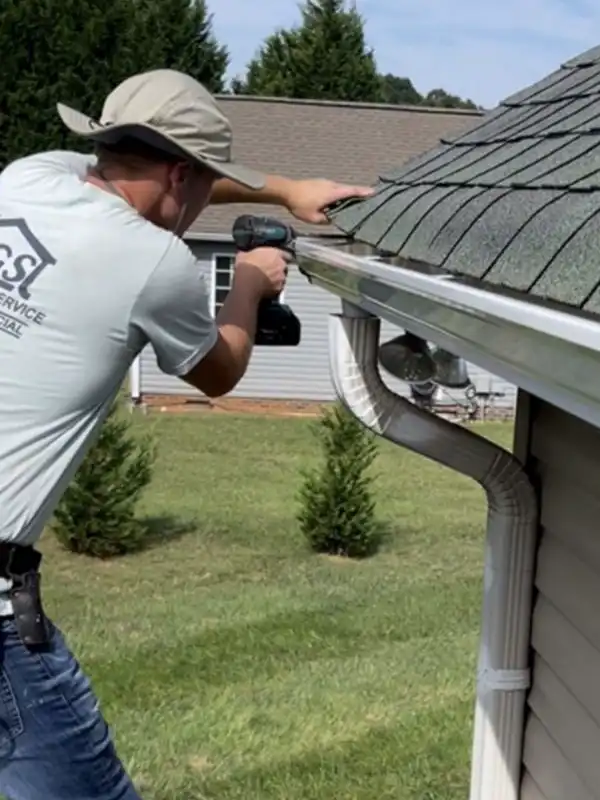
  • Install new seamless runs, corners, end caps, and outlets sized to your roofline
  • Add or resize downspouts and straps so the system can drain quickly during heavy flow
  • Adjust the discharge path (extensions, splash control, or drain tie-ins where appropriate)
  • Optional guard installation based on tree debris and maintenance preference
  • Controlled water test and cleanup at closeout

Many like-for-like gutter replacements do not require permits. However, if the scope includes structural repairs, exterior modifications, or new drainage connections, requirements can change. Also, Confirm with your local building department, and put in writing who handles any permits and inspections.

Project Roadmap (Planning To Closeout)

  1. Quick call to discuss symptoms like overflow, staining, or pooling
  2. On-site measurement and check of roof planes, fascia condition, and discharge options
  3. Review profile, size, material, and color options with a clear written scope
  4. Confirm downspout locations and where water will discharge at the ground
  5. Install day: protect landscaping, remove old gutters, set new runs and outlets
  6. Seal corners, strap downspouts, and run a controlled water test
  7. Walkthrough and maintenance plan so you know what to check over time

Downspout Layouts For Tight Side Yards And Small Lots

  • Keep downspouts near corners to open up gates and narrow walkways
  • Use low-profile extensions that stay out of foot traffic
  • Where allowed, consider underground drain lines or pop-up emitters to keep paths usable
  • Give patio covers and small roof additions their own dedicated downspout
  • Avoid dumping water next to fence posts; route it to a defined discharge point
  • If you want a rain barrel, plan the overflow so it still drains safely away from the home

Keeping Outdoor Storage And Entries Dry

  • Route discharge away from garage thresholds and common entry points
  • Keep trash and recycling areas drier by placing downspouts away from the bin zone when possible
  • Extend discharge beyond slab edges to protect sheds and outdoor storage units
  • Use splash blocks where short downspouts create muddy spots
  • Keep extensions tight to the wall so they do not block storage racks and tools
  • Add a gravel strip at the discharge point to reduce splash and soil erosion

Materials And Finish Selections

Materials affect durability, appearance, and how much maintenance you want. For this reason, Just as important, the finish details (hangers, corners, outlets, and downspout sizing) determine how well the gutter performs on day one.

Material Comparison (Practical)

  • Aluminum: A common choice with a strong price-to-performance balance. Also, It does not rust, and it is available in many colors.
  • Steel: Strong and impact-resistant, but it relies on coatings to prevent rust if scratched or cut.
  • Copper: A premium architectural look that develops a patina. As a result, Plan compatible fasteners and transitions to avoid corrosion issues.
  • Zinc: Durable with a subtle finish, usually used on select architectural styles and budgets.
  • Vinyl: Lower cost, but it can warp, crack, or discolor depending on sun exposure and temperature swings.

Finish Details That Matter

  • Hidden hangers for a clean look and solid hold
  • Corner construction and sealing method (this is where many leaks start)
  • Outlet placement at true low points so water does not sit in the run
  • Downspout size and strap spacing so discharge stays controlled in higher flow
  • Color strategy: match fascia for a quiet look, or contrast for a deliberate trim detail

Quick Decision Table

DecisionOptionsOften affects
ProfileK-style, half-round, box-styleAppearance, bracket style, capacity feel
BuildSeamless, sectionalSeam count, leak risk, repair approach
SizeFive-inch, six-inchOverflow control, downspout sizing
GuardsNone, screen, micro-meshMaintenance rhythm, upfront cost
DrainageSplash block, extension, underground lineFoundation protection, site disruption, approvals

If you want help choosing, ask for options in writing and a simple water-flow check as part of closeout.

construction gutter

Timeline And Site Disruption (Typical)

US Construction & Remodeling Corp. Meanwhile, helps Sacramento homeowners plan gutter upgrades with clear scope, clean installation habits, and a water test so you can see the system drain correctly before the crew leaves. Additionally, You'll get straightforward guidance on types gutters, downspout placement, and guard options based on your roofline.

Call for a quick consult:+1 (916) 234-6696. Meanwhile, If you'd rather start online, use our form to request an estimate.

Budget And Timeline (Typical)

  • A straightforward replacement often finishes in a day once materials are ready
  • Complex rooflines, multiple stories, and fascia repairs can add time and coordination
  • Key cost drivers include linear footage, material choice, downspout count, and access
  • Drainage changes (extensions, drains, or underground routing) can add scope beyond the gutters themselves

On-Site Impact And Access

  • Ladders and staging around the perimeter, so plan to keep vehicles clear near work areas
  • Noise from removal and fastening, especially around corners and downspout straps
  • Small debris from old fasteners and sealant, which should be collected and hauled away
  • Brief water testing with a hose to confirm slope, seams, and downspout discharge

Resale And Curb-Appeal Priorities

Gutters are not a glamorous upgrade, but buyers notice water stains, rotted fascia, and muddy side yards. Additionally, A clean install protects the home and makes the exterior look finished.

  • Color-match gutters and downspouts to fascia and trim for a clean edge line
  • Choose downspout discharge that prevents splash marks on siding and walkways
  • Address damaged fascia at the same time so the attachment points stay solid
  • Consider guards where tree debris is constant, so maintenance does not become a buyer concern

Maintenance Tips After Installation

  • Inspect and clean as needed, often twice per year and after major storms
  • Keep downspout exits clear so water does not back up into the gutter run
  • Watch for new drip lines at corners and outlets, which can signal a loose joint or clog
  • If you use guards, still check for roof grit and small debris that can build up over time

Trust And Verification Checklist

  • Confirm licensing and insurance in general terms and verify anything you are unsure about
  • Get the scope in writing: profile, material, size, color, downspout count, and disposal
  • Clarify who is responsible if permits or inspections are necessary for your scope
  • Agree on communication: start date, daily wrap-up, and how changes get approved
  • Verify workmanship at closeout: straight runs, solid hangers, sealed corners, strapped downspouts, and a water test

How To Get Started In Sacramento

If you're in Sacramento, start with the problem you want solved: overflow at valleys, stains on siding, pooling at the foundation, or gutters that sag and drip. Meanwhile, A short on-site visit lets us confirm roof planes, recommend types gutters that fit the look of your home, and map downspouts to a discharge plan that makes sense for your lot.

Local Notes For Sacramento Homeowners

If your scope is a straightforward replacement, you may not need paperwork. For this reason, If the work includes rebuilding fascia, changing roof-edge details, or adding new drainage connections, check requirements early. Additionally, When permits are necessary, many City applications and status updates can be handled online, which keeps everything documented.

  • Take a few photos of corners, downspouts, and any overflow stains before you call
  • Note where water pools or splashes during a storm (walkways, patios, side yards)
  • Decide whether you prefer a low-visibility look (color-matched) or an architectural accent (like half-round)
  • Ask for a written scope that lists profile, size, downspouts, and any guard system

Ready to price it out? For example, Call +1 (916) 234-6696 to schedule a site measurement, or send photos and details through our estimate request form.

Helpful Links

Frequently Asked Questions

Most homeowners choose by profile and by how the gutter is built. Common profiles include K-style, half-round, and box-style surface-mounted gutters. Then you decide between seamless runs (fewer joints) or sectional pieces (more seams but easier spot repair).

  • Profile affects appearance and how the gutter mounts to the fascia
  • Build style affects seam count and long-term leak risk
  • Downspouts and discharge planning often matter as much as the gutter itself

Seamless is the most common choice for full replacements because it reduces seams across long runs. Sectional can make sense for small repairs or when you are matching an existing sectional system.

Either way, corners, outlets, and end caps still need solid fastening and sealing. That workmanship matters more than the label on the gutter.

Size depends on how much roof area drains into each run and how quickly water concentrates at valleys. Homes with steeper pitches, larger roof planes, or heavy concentration points often benefit from the extra capacity feel of a larger gutter and appropriately sized downspouts.

A contractor can confirm sizing during measurement by looking at roof planes, outlet locations, and discharge options.

Guards can reduce the amount of leaves and debris that enter the gutter, which helps with overflow and cleaning frequency. They are not a zero-maintenance product, though, because fine grit and roof debris can still build up.

  • They tend to help most when trees drop frequent leaves or seeds
  • They still require periodic inspection, especially at corners and downspout outlets
  • Match the guard style to the debris you actually get (not just what looks good online)

Many like-for-like gutter replacements do not require a permit. Requirements can change when the scope includes structural repairs, significant exterior alterations, or new drainage connections.

If you are unsure, confirm with your local building department and make sure your contractor clearly states who handles any required permits or inspections.

A solid quote makes it easy to compare bids and avoid surprises. Ask for the scope to list materials, quantities, and closeout checks.

  • Gutter profile, size, material, and color
  • Linear footage, downspout count, and downspout size
  • Corner and outlet approach, plus any guard system details
  • Discharge plan (extensions, splash control, or drain routing if included)
  • Disposal and cleanup expectations
  • Water test at closeout and basic maintenance guidance

Licensed, insured & trusted local contractor

US Construction & Remodeling Corp.
9821 Business Park Dr, Sacramento, CA, 95827
Phone: +1 (916) 234-6696

CSLB License #: 1117562 Fully licensed and insured.

View our Google Business Profile

Leave a comment

This website uses cookies to improve your web experience.
Explore
Drag