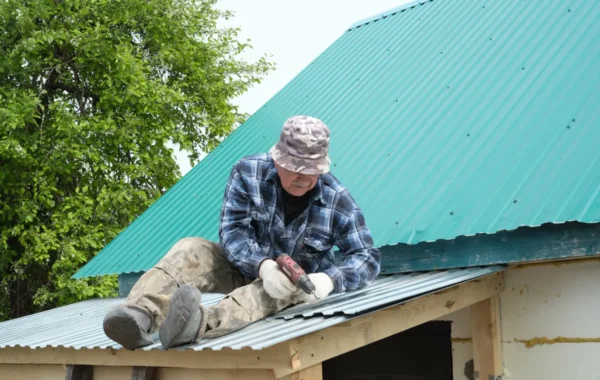
3 Tab Shingles: Options, Materials, and Timeline
If you’re comparing roof options, 3 tab shingles can still make sense for a straightforward, budget-minded replacement. The key is buying a complete scope, so the underlayment, flashing, and ventilation details match the roof you actually have.
Quick checklist:
- Confirm the scope: repair, partial replacement, or a full reroof.
- Pick a material system and verify underlayment, flashing, and ventilation details.
- Clarify tear-off vs overlay and what happens if decking damage is found.
- Compare 2–3 itemized bids (materials, disposal, permits, warranty).
- Schedule around weather and confirm daily cleanup and protection.
- Do a final walkthrough: flashing, vents, and warranty documentation.
TL;DR: A good reroof comes down to details you can verify in writing: tear-off method, decking repairs, underlayment type, flashing replacement, and ventilation plan. Use the checklist below to request a written estimate you can compare line-by-line. Call +1 (916) 234-6696 or request one online at https://usconstructioncali.com/free-estimate/.
- Address and roof access notes (gates, steep driveway, pets)
- Photos of valleys, chimneys, vents, and skylights (if you have them)
- Any active leaks and where you see the stain inside
- Whether you want full tear-off or want options listed both ways
- Your priority: lowest upfront cost, longer service life, or best curb appeal
- Any HOA color rules or scheduling limits you must follow
Roof Calculator
Get a fast roof estimate delivered by email.
Roof Metrics Summary
Options And What Each Includes For 3 Tab Shingles
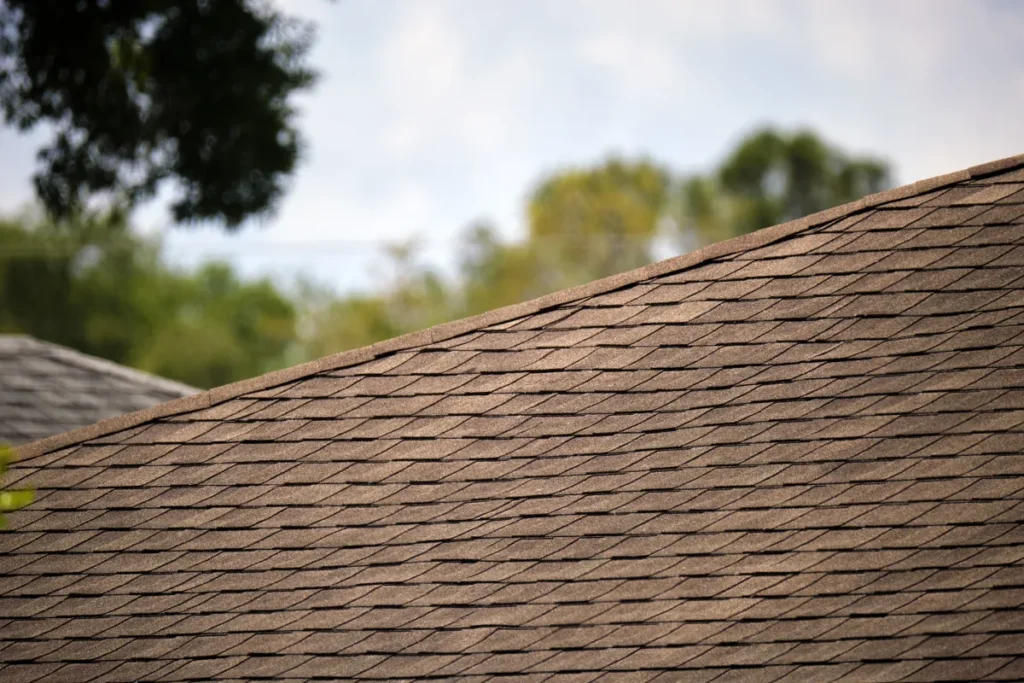
3-tab asphalt shingles create a flatter, repeating pattern that many homeowners recognize. Meanwhile, They can be a practical fit for simple rooflines, rental properties, or anyone who wants a clean, traditional look without premium upgrades.
Who This Shingle Profile Fits
This option often works when you want a straightforward replacement and your roofline is not overly complex. For example, It may be less ideal if you want a thicker, more dimensional look or you need higher performance in high-wind areas.
- Often a fit: simple rooflines, also matching an existing 3-tab look, budget-focused replacements
- Ask about alternatives: dimensional look, higher wind ratings, longer manufacturer warranties
Where estimates start to diverge is the work that surrounds the shingles. As a result, Ask for these scope options so you can compare bids on equal footing.
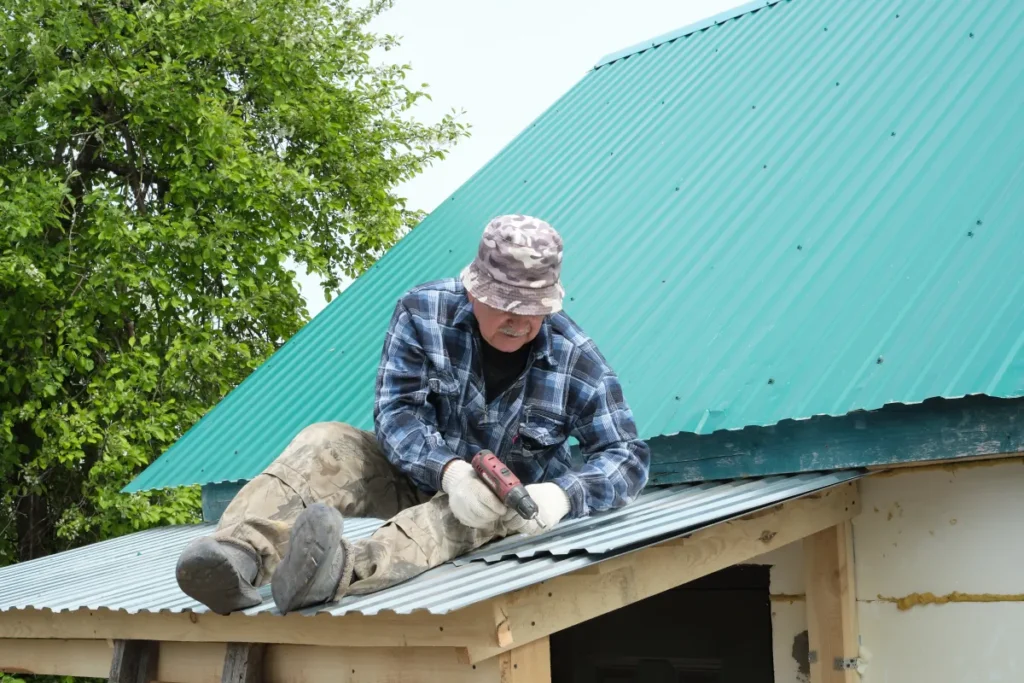
- Standard replacement (tear-off): Remove the existing roof, inspect the decking, install underlayment, shingles, ridge caps, and haul away debris.
- Weatherproofing upgrade: Add higher-grade underlayment and leak-barrier protection in the areas that see the most water movement, such as valleys and roof penetrations.
- Flashing refresh: Replace or rework key flashings (pipes, walls, chimneys where present) instead of relying on old metal that may already be fatigued.
- Ventilation review: Check intake and exhaust so the new roof does not trap heat and moisture.
Use the table below as a quick way to spot what is missing from a bid.
| Decision | What it changes | What to ask |
|---|---|---|
| Tear-off vs overlay | Overlay can hide soft decking and old flashing issues | How many layers are on the roof now, and what does local code allow? |
| Decking repairs | Soft spots must be fixed before nailing shingles | What is the unit price for replacing damaged plywood/OSB after tear-off? |
| Underlayment type | Affects water resistance and tear strength | Is it felt or synthetic, and where do you add extra protection? |
| Flashing scope | Most leaks start at transitions and penetrations | Which flashings get replaced, and which get re-used? |
| Ventilation plan | Helps manage attic heat and moisture | Will you review intake/exhaust and recommend changes if needed? |
Resale And ROI Priorities
A roof replacement often reduces buyer objections, even when you choose a simple shingle profile. In addition, What matters is the installation detail you can point to later: clean flashing work, a consistent underlayment system, and documentation that matches the final build.
If you are comparing 3 tab shingles with architectural shingles, ask your contractor to price both using the same scope. For this reason, That keeps the decision focused on real differences, not missing line items.

Scope Options (Refresh Vs Full Remodel) For 3 Tab Shingles
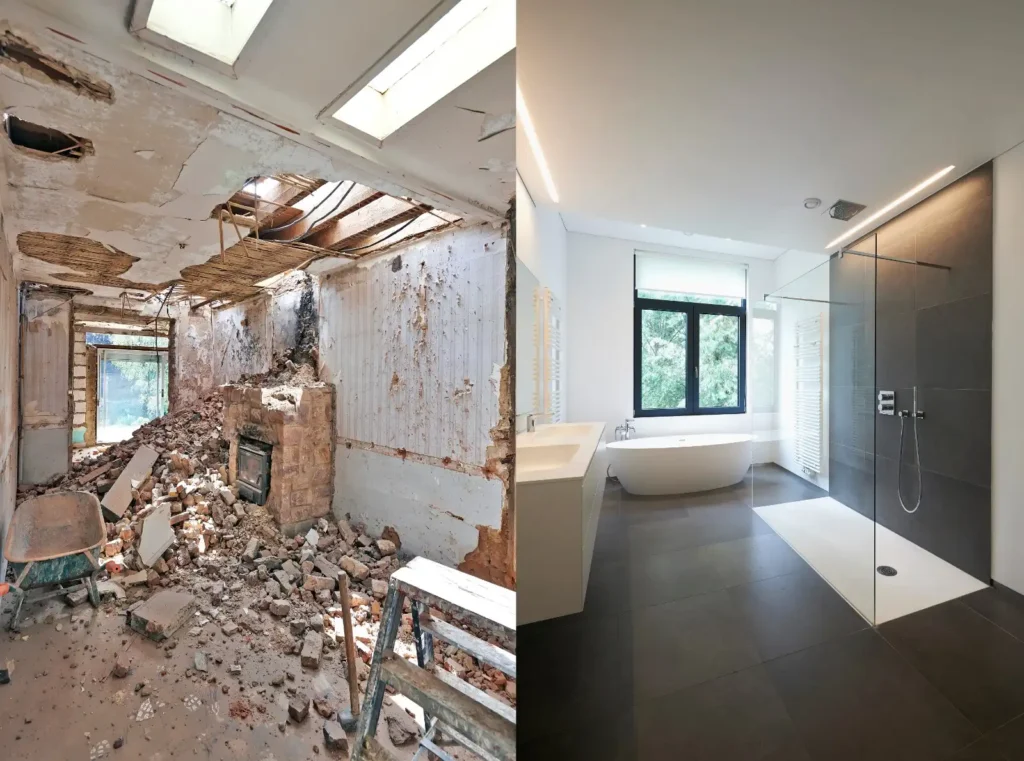
Not every roof problem calls for a full replacement. Overall, A responsible contractor should help you decide whether a targeted refresh solves the issue or whether a full tear-off protects the home better long-term.
- Refresh: Replace damaged shingles, address small flashing failures, and correct isolated leak points. Also, This can work when the roof is otherwise in solid condition and the failure is localized.
- Full remodel (reroof): Tear off the existing roof, inspect the deck, rebuild the waterproofing layers, and install a new shingle system. Additionally, This is usually the right move when shingles show widespread wear, multiple leaks, or brittle tabs.
An 8-Step Sequence
Even on a straightforward reroof, small details decide quality. Also, This is the flow you should expect, from the first visit through final cleanup.
- Site visit, roof measurement, and photos of penetrations and transitions
- Written estimate with a clear scope, exclusions, and unit pricing for unknowns (like decking repair)
- Material confirmation (shingle type, underlayment, flashing metals) and scheduling
- Protection plan for landscaping, driveway, and access routes
- Tear-off and deck inspection, with any discovered repairs documented
- Underlayment, flashing, and ventilation work completed before shingles go on
- Shingle installation, ridge/hip caps, and detail sealing at penetrations
- Cleanup, magnetic nail sweep, and a walkthrough of the finished scope
Written-Estimate Checklist (So Bids Stay Comparable)
If you only get a single bottom-line number, you cannot compare contractors fairly. For this reason, Ask each bidder to spell out the same items in writing, especially if you are pricing 3 tab shingles against other shingle profiles.
- Tear-off and disposal method (including protection for driveway and landscaping)
- Exact underlayment type and where extra protection is added
- Flashing scope at pipes, walls, chimneys, skylights, and valleys (as applicable)
- Ventilation plan and whether intake vents are part of the bid
- Decking repair pricing and how the crew documents hidden damage
- Warranty coverage explained in plain language
Prefer a line-item estimate you can review in writing? Overall, Use the free estimate form at https://usconstructioncali.com/free-estimate/.
Materials And Finish Selections
Shingles are only one layer of the roof system. Additionally, The materials underneath and at the edges usually do the real work of keeping water out.
Felt Vs Synthetic
Felt underlayment costs less, while many synthetic options resist tearing and wrinkling better during installation. For example, Ask what your bid includes and whether the underlayment choice changes any warranty coverage.
Leak Barriers At Valleys And Penetrations
Valleys, pipes, and skylights concentrate water flow. Overall, Many reroof scopes add a self-adhered barrier in those areas to reduce leak risk, although local code and manufacturer instructions may guide where it is necessary.
Flashing And Metal Edge Details
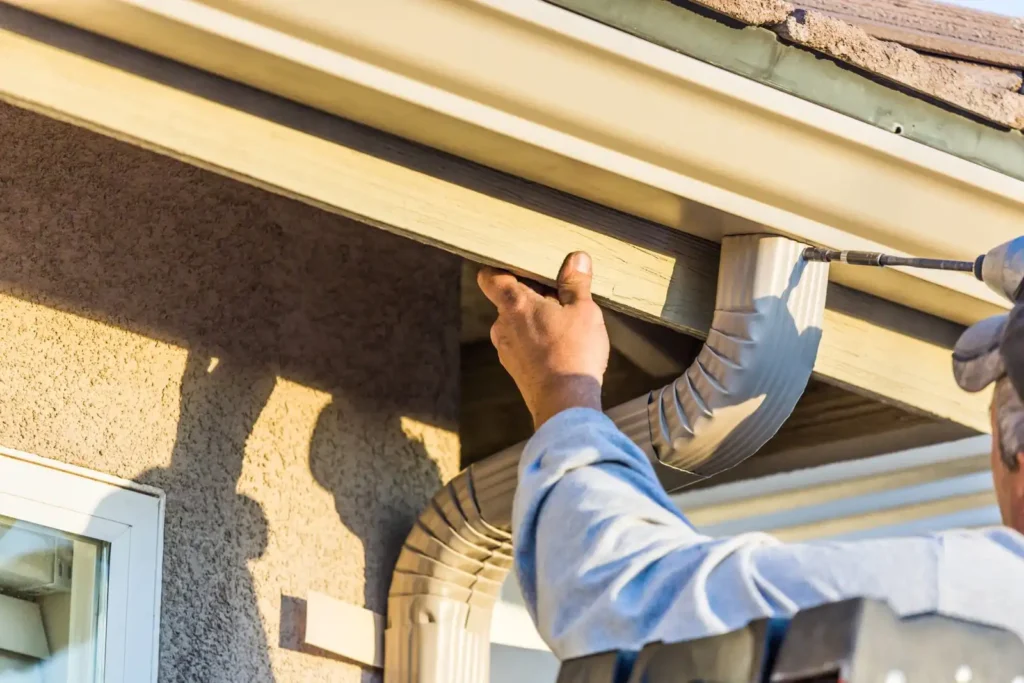
Look closely at drip edge, step flashing, and pipe boots. Overall, These details often outlive the shingles or fail long before them, depending on how they were installed. A solid scope states what gets replaced and what gets re-used.
Ventilation Parts That Actually Help
Ventilation is a system, not a single vent. Overall, Balanced intake and exhaust can help manage attic moisture and heat, while poor balance can pull conditioned air from the home. Ask for a simple explanation of what you have now and what the contractor recommends.
Color And Heat Considerations
Color is mostly about curb appeal, but it can also affect roof surface temperature. In California, some jurisdictions also enforce roofing requirements tied to energy codes, so confirm any local rules before ordering.
Timeline And Site Disruption (Typical)
Roof work moves fast once the crew starts, yet preparation matters just as much. In addition, Clear staging plans and daily cleanup keep the project from disrupting your household longer than it needs to.
Budget Ranges And Timeline (Typical)
- Budget: Roof size, pitch, and the number of layers to remove drive most pricing differences.
- Material upgrades: Underlayment, flashing replacement, and ventilation changes can raise the total, but they also reduce the risk of early failures.
- On-site work: Straightforward reroofs often take a few working days, while cut-up roofs and repairs can take longer.
- Scheduling: Material lead times, weather, and any required inspections can add days to the calendar.
On-Site Disruption You Can Plan For
Expect noise, vibrations, and frequent foot traffic around the home. Additionally, Most crews stage materials in the driveway and use a dumpster or trailer for debris, so plan parking and keep kids and pets away from the work zone.
Protecting Attic Storage And Access
If you store items in the attic, use the roof project as a chance to organize. Additionally, A few simple steps can prevent dust damage and keep access clear.
- Move valuables away from the attic hatch and cover stored items with plastic
- Clear a path to electrical panels and HVAC equipment for safety
- Remove fragile items from garage walls near the roofline (shaking can knock them loose)
- Tell the crew about sprinklers, solar equipment, or delicate landscaping near eaves
Mistakes That Cause Delays And Add Cost
- Signing an estimate that does not spell out flashing replacement and ventilation scope
- Skipping tear-off without confirming code limits, roof weight, and warranty impacts
- Ignoring small interior stains until they turn into decking damage
- Choosing shingles by price alone while leaving old pipe boots and metal edges in place
- Not setting a change-order rule (written approval) before the job begins
How To Get Started In Sacramento
US Construction & Remodeling Corp. helps Sacramento homeowners evaluate 3 tab shingles, define a clear scope, and line up the work with the right documentation when a permit is necessary. The goal is a bid you can read, compare, and approve with confidence.
Request a written estimate: Book a free estimate at https://usconstructioncali.com/free-estimate/ or call +1 (916) 234-6696. If you can, include a few photos of valleys, vent pipes, chimneys, and any leak stains.
Sacramento Permitting, Without Guesswork
Permit requirements vary by scope and jurisdiction, even within the same metro area. In Sacramento, many homeowners track applications, fees, and plan review through the City of Sacramento Community Development portal (Accela Citizen Access). Prior to scheduling, confirm who pulls the permit, what inspection (if any) applies, and how the permit closes out.
- Ask for the permit number if one is pulled, and keep it with your home records
- Make sure the written scope matches what gets inspected (tear-off, decking, ventilation)
- Do not skip documentation just because the job looks simple from the street
Trust Checks You Can Do Before You Sign
Roofing is detail work. A few verification steps help you avoid avoidable problems.
- License and standing: Ask for the contractor’s CSLB license number and verify it online.
- Insurance: Request current liability and workers’ comp certificates sent from the insurer.
- Permit responsibility: Put in writing who files, who pays fees, and who schedules inspections.
- Communication: Agree on update frequency and require written approval for any change order.
- Workmanship review: Walk the perimeter and look for clean flashing, sealed penetrations, and thorough cleanup.
License verification: https://www.cslb.ca.gov/OnlineServices/CheckLicenseII/CheckLicense.aspx.
Before/After Example (Hypothetical)
Before: The roof shows granule loss, a few missing tabs, and water staining near a plumbing vent. The homeowner also notices hot spots upstairs during summer afternoons.
After: The scope replaces the shingles, updates underlayment in valleys and around penetrations, swaps worn pipe boots, and addresses a ventilation imbalance. The result is a cleaner roofline and a scope that documents what was improved.
Helpful Links
Frequently Asked Questions
Yes. 3-tab shingles have a flatter, single-layer look with evenly spaced tabs. Architectural shingles (often called dimensional) are thicker and create a more varied shadow line. Depending on the product, dimensional shingles can offer higher wind ratings and longer warranties, but they often cost more. Ask for both options priced with the same underlayment, flashing, and ventilation scope so the comparison stays fair.
On-site roofing work often finishes in a few working days for a straightforward home. Roof complexity, decking repairs after tear-off, weather, and inspections can extend the schedule. Ask for a short outline of the sequence: when tear-off happens, when shingles go on, and when final cleanup and walkthrough occur.
Most bids start with roof size, but details move the total.
- Number of layers to remove and disposal needs
- Decking repairs discovered after tear-off
- Underlayment and leak-barrier upgrades
- Amount of flashing work (pipes, walls, chimneys, skylights, valleys)
- Ventilation changes (intake and exhaust)
- Access constraints (steep pitch, limited driveway space)
A written, line-item estimate helps you see these drivers before work begins.
Permit rules depend on your city or county and the scope of work. Many jurisdictions treat a full reroof as a building permit item, while small repairs may not require one. If you are in Sacramento, homeowners often track applications and status through the City of Sacramento Community Development portal (Accela Citizen Access). Either way, confirm in writing who pulls the permit and what inspections apply.
Sometimes local code allows an additional layer, but it is not always the best choice. Overlays can hide soft decking, old flashing failures, and trapped moisture. They can also affect how the manufacturer warranty applies. Ask your contractor to explain the condition of the existing roof, the layer count, and the pros and cons of tear-off versus overlay for your specific home.
A useful estimate reads like a checklist, not a one-line number. Look for these items:
- Shingle product and color, plus starter and ridge/hip caps
- Underlayment type and where leak barriers are installed
- Flashing scope (replace vs re-use) at all penetrations and transitions
- Ventilation scope, including any new intake vents if needed
- Decking repair pricing and how discoveries are documented
- Cleanup plan, nail sweep, and final walkthrough
- Payment schedule and change-order approval rules
Licensed, insured & trusted local contractor
US Construction & Remodeling Corp.
9821 Business Park Dr, Sacramento, CA, 95827
Phone: +1 (916) 234-6696
CSLB License #: 1117562 Fully licensed and insured.
Frequently Asked Questions
Yes. 3-tab shingles have a flatter, single-layer look with evenly spaced tabs. Architectural shingles (often called dimensional) are thicker and create a more varied shadow line. Depending on the product, dimensional shingles can offer higher wind ratings and longer warranties, but they often cost more. Ask for both options priced with the same underlayment, flashing, and ventilation scope so the comparison stays fair.
On-site roofing work often finishes in a few working days for a straightforward home. Roof complexity, decking repairs after tear-off, weather, and inspections can extend the schedule. Ask for a short outline of the sequence: when tear-off happens, when shingles go on, and when final cleanup and walkthrough occur.
Most bids start with roof size, but details move the total.
- Number of layers to remove and disposal needs
- Decking repairs discovered after tear-off
- Underlayment and leak-barrier upgrades
- Amount of flashing work (pipes, walls, chimneys, skylights, valleys)
- Ventilation changes (intake and exhaust)
- Access constraints (steep pitch, limited driveway space)
A written, line-item estimate helps you see these drivers before work begins.
Permit rules depend on your city or county and the scope of work. Many jurisdictions treat a full reroof as a building permit item, while small repairs may not require one. If you are in Sacramento, homeowners often track applications and status through the City of Sacramento Community Development portal (Accela Citizen Access). Either way, confirm in writing who pulls the permit and what inspections apply.
Sometimes local code allows an additional layer, but it is not always the best choice. Overlays can hide soft decking, old flashing failures, and trapped moisture. They can also affect how the manufacturer warranty applies. Ask your contractor to explain the condition of the existing roof, the layer count, and the pros and cons of tear-off versus overlay for your specific home.
A useful estimate reads like a checklist, not a one-line number. Look for these items:
- Shingle product and color, plus starter and ridge/hip caps
- Underlayment type and where leak barriers are installed
- Flashing scope (replace vs re-use) at all penetrations and transitions
- Ventilation scope, including any new intake vents if needed
- Decking repair pricing and how discoveries are documented
- Cleanup plan, nail sweep, and final walkthrough
- Payment schedule and change-order approval rules