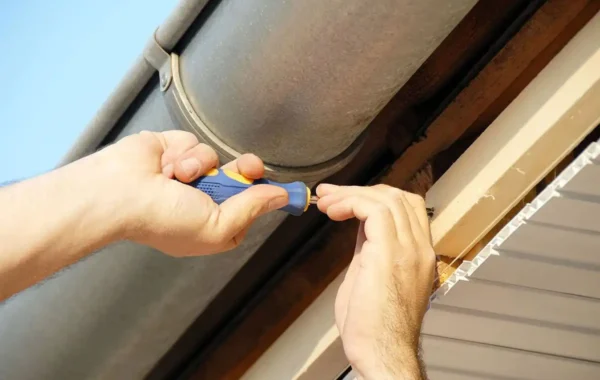

What Is Siding? Planning, Permits, and Practical Decisions
If you’ve been asking yourself what is siding and whether your exterior needs repair or replacement, this guide breaks down the basics in plain terms for California homeowners.
Quick checklist:
- Pick a siding material and finish that matches climate and maintenance goals.
- Confirm moisture management details (housewrap, flashing, caulking) in writing.
- Define the full scope (trim, soffit/fascia, paint, insulation upgrades).
- Confirm access/safety plan and how landscaping/property will be protected.
- Compare 2–3 itemized quotes and verify warranty coverage.
- Check permit requirements if altering exterior walls or doing structural repairs.
TL;DR: Siding is the outer “skin” that helps protect your home from weather while shaping curb appeal. The right choice depends on wall condition, material goals, and the level of maintenance you want over time. A solid plan starts with a clear scope, then lines up materials, permits (when required), and a realistic schedule.
- Confirm whether you need repair, partial replacement, or full re-siding
- Pick a material based on maintenance, durability, and look
- Plan water-management details (flashing, weather barrier, seal strategy)
- Budget for hidden repairs like damaged sheathing or trim
- Ask your local building department about permits and inspections for your scope
- Decide how you’ll protect landscaping and stage materials during the work
Planning, Permits, And Practical Decisions For What Is Siding
| Decision | Why it matters | Quick check |
|---|---|---|
| Material choice | Durability and maintenance differ by material. | Compare fiber cement vs vinyl and verify warranties. |
| Moisture management | Water control prevents rot and mold. | Confirm housewrap and flashing details around openings. |
| Trim & transitions | Details control fit and long-term sealing. | Specify corners, soffit/fascia scope, and finish plan. |
| Access & protection | Staging affects speed, cost, and safety. | Plan scaffolding, landscaping protection, and cleanup. |
Siding is the exterior cladding installed over your wall assembly. Additionally, It takes most of the sun, rain, and wind load so the layers behind it (weather barrier, sheathing, framing, insulation) can stay dry and stable. When homeowners ask what is siding, they’re usually also asking whether it’s “just cosmetic” or “part of the structure” — in practice, it’s both protection and design.
A well-scoped siding project does more than swap boards. Meanwhile, It checks trim, sheathing, and flashing around windows and doors, plus the way water exits the wall at the bottom. For example, That’s where long-term performance comes from, especially on walls with lots of penetrations like hose bibs, exterior lights, and vents.
Cladding Patterns That Work On Smaller Elevations
On compact homes, small additions, or tight side-yard elevations, the pattern you choose changes how “busy” the exterior feels. For example, Horizontal lap can calm a long wall, while vertical board-and-batten can add height to a shorter façade. For this reason, If you want an accent without visual clutter, keep the secondary profile limited to a gable or entry area and keep trim consistent.
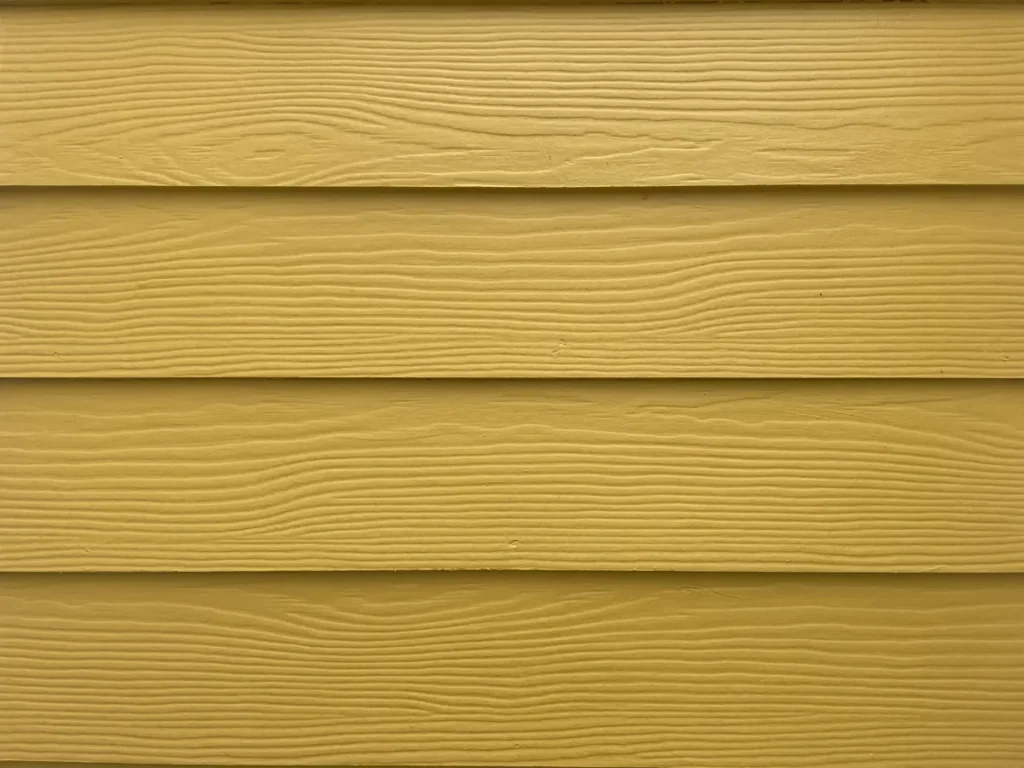
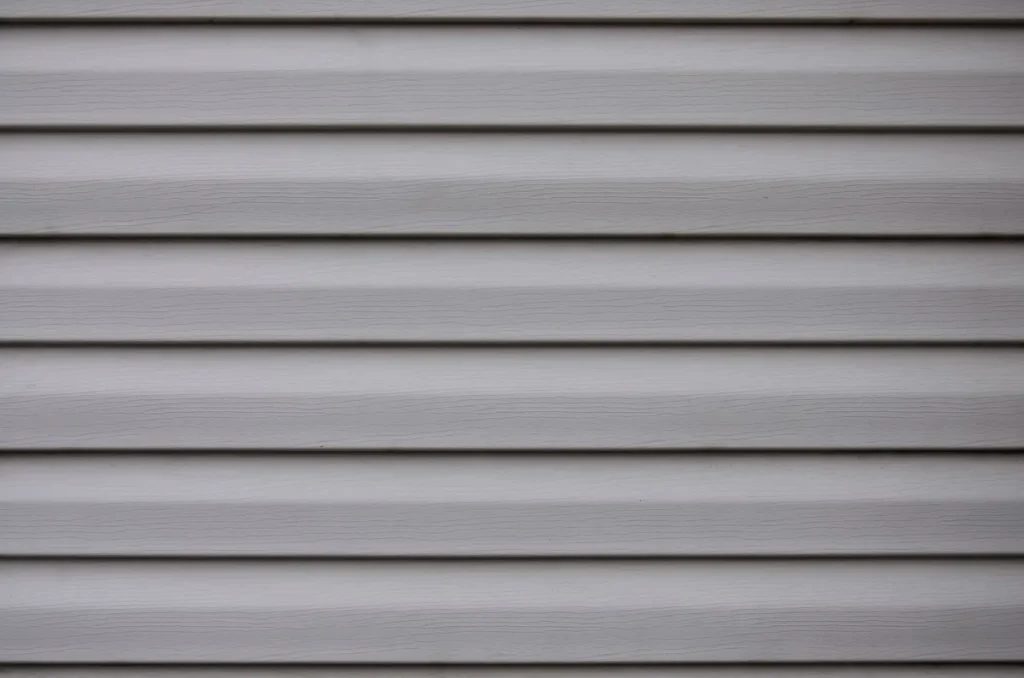
- Horizontal lap: classic look and forgiving on uneven walls
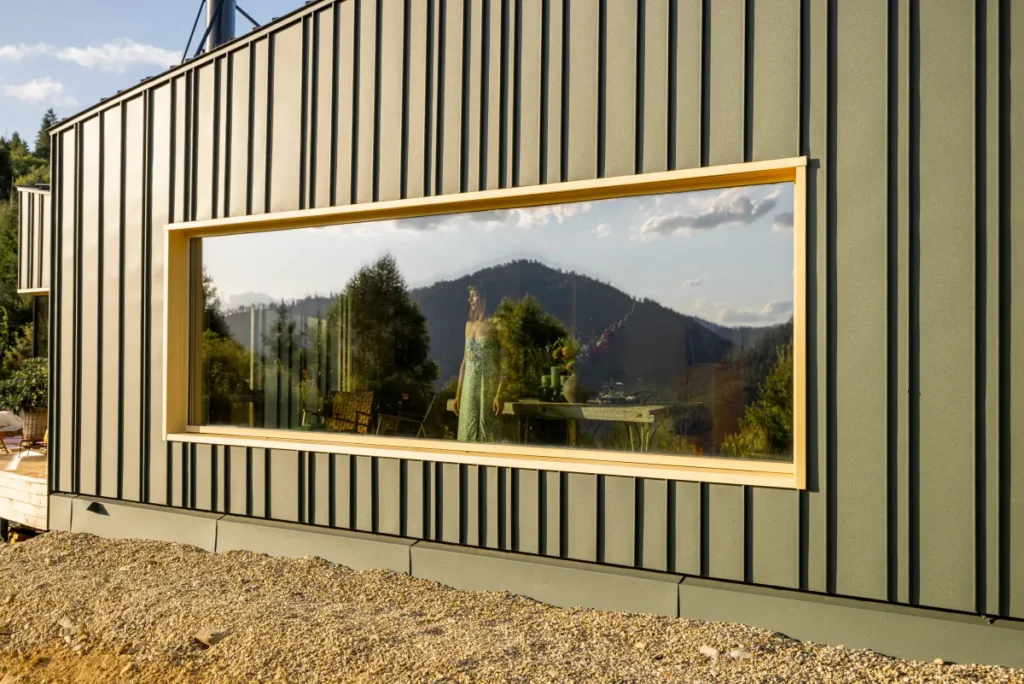
- Vertical board-and-batten: strong lines for narrow elevations
- Shingle or shake accents: best in small areas to avoid overload
- Panel systems: clean modern look, also but joint details matter
Detail Planning: Corners, Trims, And Transitions
Great siding installs look intentional because the details line up. Overall, Plan your corner approach (integrated corners vs. For this reason, corner boards), window and door casing thickness, and how you’ll transition to other finishes like stucco or brick. The goal is simple: keep water moving out and keep joints easy to maintain.
- Decide where you will use trim or flashing instead of relying on caulk alone
- Use mounting blocks for lights, vents, and hose bibs to reduce leak risk at penetrations
- Confirm clearances from roofing, decks, and grade to reduce moisture exposure
Jobsite Storage And Daily Cleanup
Exterior work can take over a driveway fast. For this reason, A simple storage plan keeps the job safer and makes day-to-day life easier while crews are on site.
- Choose a delivery and staging spot that keeps sidewalks and exits clear
- Protect plants with breathable covers and safe walk paths
- Set expectations for end-of-day cleanup, nail sweeps, and trash containment
Hypothetical Before-And-After Example (No Client Details)
Hypothetical example: A homeowner notices peeling paint and soft spots near a window. Also, During planning, the team finds failed sealant and damaged trim. The “after” scope includes selective trim repair, updated flashing at the window, replacement siding that matches the profile, and a maintenance plan for periodic washing and seal checks. The outcome isn’t just a cleaner look — it reduces recurring water intrusion at the same trouble spot.

Planning Checklist (Scope, Materials, Budget) For What Is Siding
Before you price materials, define the scope. In addition, A “siding replacement” can mean anything from swapping damaged boards to rebuilding wall layers. Getting specific early helps prevent surprises later.
Scope Questions That Change The Bid
- Are you repairing isolated areas, one elevation, or the entire home?
- Will you replace trim, fascia, and soffits at the same time?
- Do windows and doors need re-flashing or trim rebuilds?
- Are you changing the profile (lap to vertical, adding panels, adding accents)?
- Do you want added insulation or improved air sealing while walls are open?
Material Choices (And What They Trade Off)
Homeowners often compare vinyl, fiber cement, wood, engineered wood, and metal. As a result, Each option has a different balance of maintenance, impact resistance, and finish expectations.
- Vinyl: lower maintenance and consistent color; confirm thickness and accessory quality.
- Fiber cement: strong, paintable, and stable; plan for proper cutting, sealing, and fastener patterns.
- Wood: classic look; plan for regular paint or stain and careful moisture control.
- Engineered wood: lighter handling than fiber cement; confirm warranty and edge-sealing details.
- Metal: crisp modern lines; confirm dent resistance and how joints are flashed.
| Decision | Biggest cost driver | Biggest timeline driver |
|---|---|---|
| Material and finish system | Product grade and trim accessories | Lead time for special-order colors |
| Hidden wall repairs | Sheathing and trim replacement | Extent of tear-off and dry-in work |
| Detail complexity | Corners, accents, window trim | More cuts and more seal points |
| Permitting (when required) | Plan and inspection fees vary by area | Plan review and inspection scheduling |
If you started with what is siding, it may have sounded simple. For example, The checklist above is how you keep it simple during construction: write the scope, pick the finish, and decide how you’ll handle details before anyone starts removing material.
Permits And Inspections (General)
Permit requirements vary across California and depend on the scope. Additionally, Replacement-in-kind may be straightforward in some jurisdictions, while changes that affect the wall assembly (structural work, moving openings, significant exterior alterations) can trigger permits and inspections. Because the rules are local, confirm requirements with your city or county building department before work begins.
Clarify in writing who will handle permits and schedule inspections, and make sure the scope includes weather-protection steps if the project spans multiple days. As a result, If your home was built before 1978, ask how your contractor handles paint disturbance and dust control to keep the site safer during prep.
Key Milestones
A siding project moves faster when materials and details are decided up front. Weather and inspection availability can also affect scheduling, so build in a little flexibility.
Milestones You Can Expect
- Site walk-through and measurements
- Scope confirmation and material selection
- Protect landscaping and set up staging
- Selective demo and wall condition check
- Weather barrier and flashing details
- Siding and trim installation
- Caulking, paint or touch-up (as needed), and final cleanup
Budget And Timeline (Typical)
- Most budgets swing based on material choice and the amount of hidden repair behind the existing siding.
- Access (two-story walls, tight side yards) often adds labor time more than homeowners expect.
- Timeline can range from a short multi-day repair to a longer multi-week re-siding, especially if you add trim work or painting.
- Permits, HOA review, and special-order products can extend the schedule even when labor is ready.
Maintenance After Installation: Keep The Exterior Working
Maintenance stays manageable when you follow a simple routine. Meanwhile, The key is catching small seal failures before water gets behind the cladding.
- Rinse dirt and pollen with a gentle hose wash; avoid aggressive pressure washing at seams.
- Inspect sealed joints and penetrations (lights, vents, hose bibs) at least once a year.
- Keep vegetation trimmed back so siding can dry after rain or irrigation.
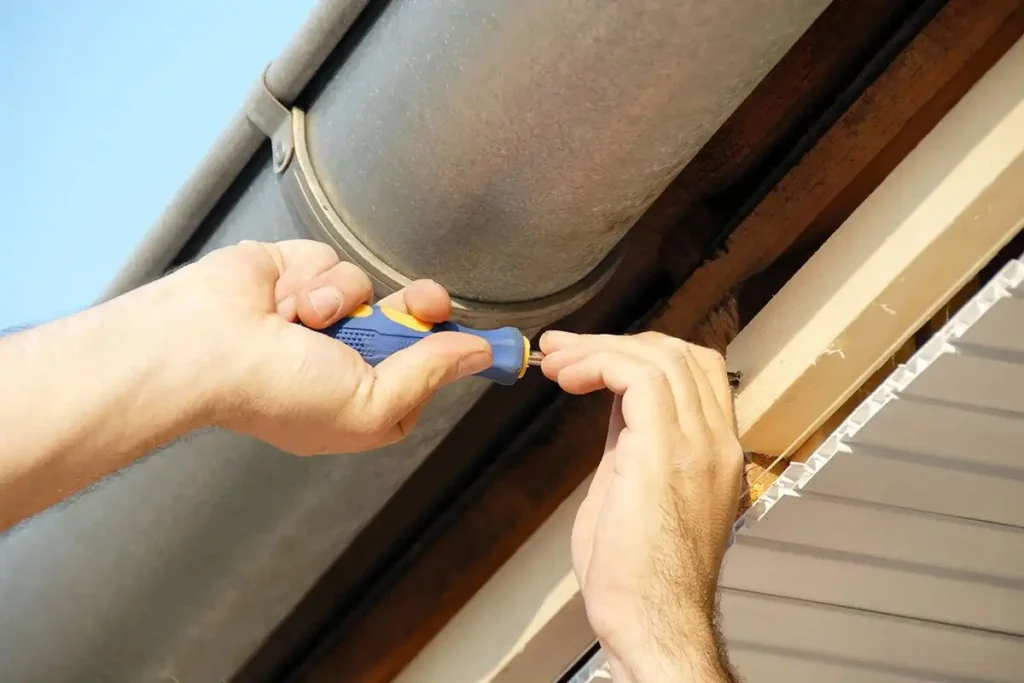
- Keep gutters working and direct downspouts away from walls to reduce splash-back.
- Follow the manufacturer’s repaint and touch-up guidance for paintable products like fiber cement and wood.
Common Mistakes To Avoid
Most siding problems trace back to planning gaps, not the material itself. Meanwhile, These are the issues that tend to create leaks, callbacks, or surprise costs.
- Pricing the job before confirming the wall’s condition and repair allowance
- Skipping a clear flashing plan at windows, doors, and roof-to-wall intersections
- Overusing sealant as a “solution” instead of proper trim and water-shedding details
- Choosing a pattern without planning corners, starter strips, and consistent reveals
- Ignoring access logistics (staging, ladders or scaffolding, driveway use) until demo day
- Forgetting about maintenance clearances at grade, decks, and roof lines
- Not documenting permit responsibilities when the scope requires it

Next Step In Sacramento
US Construction and Remodeling Corp. Also, helps homeowners in Sacramento plan siding repairs and replacements with a clear scope, practical material options, and a plan for water-management details before demo day. If you want a quick read on your exterior condition and a straightforward estimate, call us and we’ll talk through what you’re seeing and what it typically takes to address it.
Call for a quick consult: +1 (916) 234-6696
Prefer online scheduling? In addition, Use our form to request an estimate online.
What We Check During A Siding Walk-Through
- Soft spots and moisture-prone areas around openings and roof lines
- Trim condition at corners, windows and doors, fascia, and soffits
- Where flashing is necessary (and where sealant alone will not last)
- Access and staging so the work stays safe and your property stays usable
Trust And Accountability Items To Confirm
- License and insurance: verify status and ask for proof appropriate to your scope.
- Permit responsibility: confirm who handles permits and inspection scheduling if required.
- Communication: expect a written scope, product details, and changes documented in writing.
- Workmanship verification: ask how installation requirements and critical water details will be handled.
In Sacramento, permitting and plan review often run through the City of Sacramento Community Development portal (Accela Citizen Access). For this reason, Even for exterior work, requirements can vary by scope and address, so a quick check early helps avoid delays later.
Helpful Links
Frequently Asked Questions
House siding is the exterior cladding attached to the outside walls. It protects the wall system from weather and also shapes the home’s appearance.
Depending on the material, siding can be a lap profile, vertical boards, shingles, or panels installed with trim and flashing details.
It depends on your city or county and the scope. Straight replacement may be simpler in some jurisdictions, while projects that change the wall assembly or exterior appearance can require permits and inspections.
Check with your local building department early, and confirm in writing who will handle any permit paperwork and inspection scheduling.
Most homeowners choose from a handful of options, each with different maintenance needs:
- Vinyl
- Fiber cement
- Wood
- Engineered wood
- Metal
The best fit depends on budget, desired look, and how much repainting or sealing you want to take on over time.
Minor repairs can take a few days. Full re-siding can take longer because crews may need to remove existing material, repair hidden damage, install weather barriers, and complete trim and finish work.
Material lead times, weather, and inspection scheduling can also affect the calendar.
Cost usually comes down to a few variables:
- Material choice and trim accessories
- How much tear-off and disposal is necessary
- Hidden repairs to sheathing, framing, or trim
- Height, access, and staging needs
- Finish work (painting, seal strategy, detail complexity)
Ask for a written scope that spells out materials, flashing approach, repair allowances, and cleanup expectations. It also helps to confirm warranty terms and whether the contractor will follow manufacturer installation requirements.
In California, verify license status with the CSLB and request proof of insurance appropriate to the project.
Licensed, insured & trusted local contractor
US Construction & Remodeling Corp.
9821 Business Park Dr, Sacramento, CA, 95827
Phone: +1 (916) 234-6696
CSLB License #: 1117562 Fully licensed and insured.
Frequently Asked Questions
House siding is the exterior cladding attached to the outside walls. It protects the wall system from weather and also shapes the home’s appearance.
Depending on the material, siding can be a lap profile, vertical boards, shingles, or panels installed with trim and flashing details.
It depends on your city or county and the scope. Straight replacement may be simpler in some jurisdictions, while projects that change the wall assembly or exterior appearance can require permits and inspections.
Check with your local building department early, and confirm in writing who will handle any permit paperwork and inspection scheduling.
Most homeowners choose from a handful of options, each with different maintenance needs:
- Vinyl
- Fiber cement
- Wood
- Engineered wood
- Metal
The best fit depends on budget, desired look, and how much repainting or sealing you want to take on over time.
Minor repairs can take a few days. Full re-siding can take longer because crews may need to remove existing material, repair hidden damage, install weather barriers, and complete trim and finish work.
Material lead times, weather, and inspection scheduling can also affect the calendar.
Cost usually comes down to a few variables:
- Material choice and trim accessories
- How much tear-off and disposal is necessary
- Hidden repairs to sheathing, framing, or trim
- Height, access, and staging needs
- Finish work (painting, seal strategy, detail complexity)
Ask for a written scope that spells out materials, flashing approach, repair allowances, and cleanup expectations. It also helps to confirm warranty terms and whether the contractor will follow manufacturer installation requirements.
In California, verify license status with the CSLB and request proof of insurance appropriate to the project.