Bathroom Remodeling Permit Requirements In Sacramento
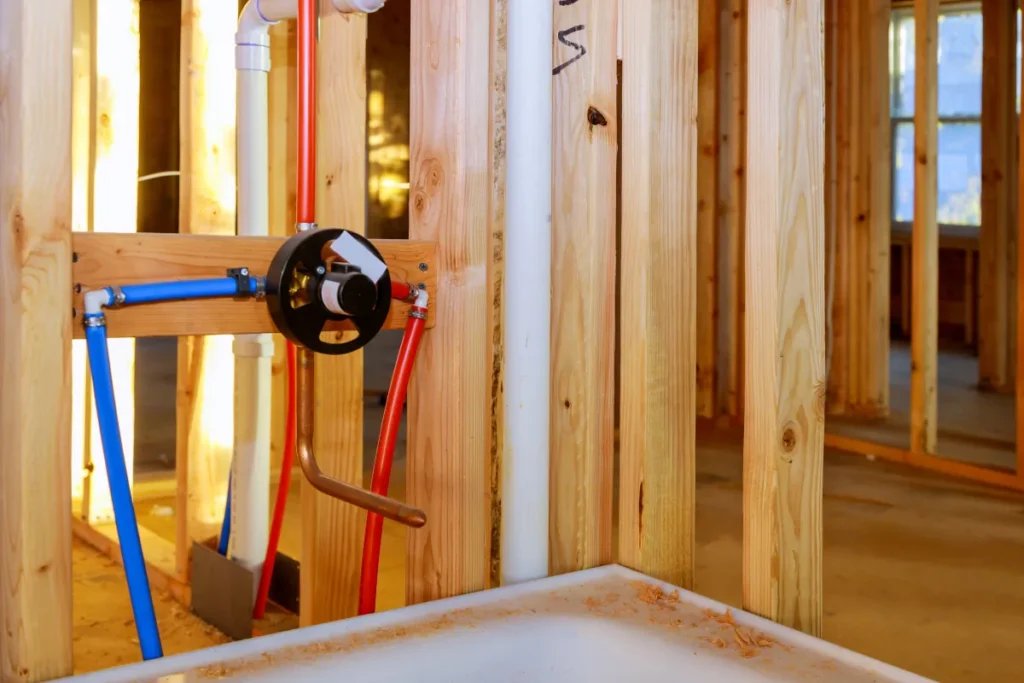
If you’re searching for bathroom remodeling permit requirements in Sacramento, you’re probably trying to avoid a stalled project, rework, or a surprise inspection. Most permit questions come down to what changes behind the tile—plumbing locations, electrical circuits, ventilation, and any wall changes.
Quick checklist:
- Define the scope and prioritize daily function (shower, storage, ventilation).
- Confirm what trade work is involved (plumbing, electrical, drywall) and the order of work.
- Choose finishes that hold up in wet areas and are easy to clean.
- Collect 2–3 quotes and compare line-by-line (scope, allowances, cleanup, warranty).
- Decide what needs to be ordered first (tile, fixtures, vanity) to keep the schedule moving.
TL;DR: Permits often apply when you move plumbing, add or change electrical, upgrade ventilation, or alter walls. Build some permit review time into your schedule, and don’t start demolition until you know what the City will require. For a timeline-first planning call, reach us at +1 (916) 234-6696.
- Define the scope: keep fixtures in place or relocate them
- Confirm electrical needs: outlets, lighting, heated floor, fan
- Plan ventilation: fan size, duct route, roof/wall termination
- Choose a waterproofing approach for the shower area
- Lock material lead times (tile, vanity, shower glass, fixtures)
- Decide who pulls permits and schedules inspections
How To Plan Bathroom Remodeling Permit Requirements In Sacramento Without Surprises
| Decision | Why it matters | Quick check |
|---|---|---|
| Wet-area finishes | Wet zones need durable, easy-clean surfaces. | Choose materials rated for bathrooms and simple maintenance. |
| Ventilation | Helps prevent humidity and long-term damage. | Confirm fan sizing and vent routing. |
| Layout | Good layout improves daily usability. | Verify clearances and door swings. |
| Budget control | Keeps scope creep from blowing up the price. | Use allowances and a written change-order process. |
Bathroom remodel “surprises” usually aren’t about style. Meanwhile, They happen when the scope changes midstream or when work behind the walls triggers permits that weren’t planned for. Meanwhile, A little upfront definition saves days later, especially when inspections must happen at specific points in the build.
Where Surprises Usually Come From
- Moving the vanity, also toilet, shower valve, or drain after demolition starts
- Adding new lighting, outlets, or a heated floor without confirming power needs
- Upgrading the exhaust fan and discovering the duct route needs changes
- Opening walls and finding damage that needs repair before closing up
If you want a clean schedule, treat permitting as a planning task, not a paperwork chore. Overall, When you know the scope early, you can order materials, line up trades, and schedule inspections with fewer stop-start gaps.
Who This Guide Is Built For
- Homeowners keeping the same layout but updating fixtures and finishes
- Projects converting a tub to a shower or changing shower plumbing
- Bathrooms adding outlets, lighting, or better ventilation
- Any remodel that might touch walls, windows, or framing
Scope, Budget, And Priorities
Before you collect quotes, write down what must stay and what can change. Additionally, That one page makes it much easier to compare bids and keeps your permit path clear. It also helps you decide when a “nice-to-have” turns into a schedule risk.
Decisions To Lock In Early
- Layout: keep fixtures in place vs. relocate plumbing and drains
- Shower plan: tub-to-shower conversion, curb vs. curbless, niche locations
- Electrical: add a dedicated circuit, more outlets, vanity lighting, or heated floor
- Ventilation: new fan, new duct run, or replacing an existing fan only
- Finishes: tile scope, grout type, and whether you want custom shower glass
- Access: single-bathroom planning and where materials will be staged
What Typically Drives Costs (And Time)
Permits don’t “make” a bathroom expensive—scope does. For this reason, Layout changes, custom tile work, plumbing moves, and specialty materials can add cost and extend the calendar. For this reason, If you’re trying to protect a target completion date, prioritize the items that affect rough-in and inspections, and keep optional upgrades flexible until the core plan is set.

Permits & Inspections (General Guidance)
Permit requirements vary by scope and address, so treat this as general guidance for Sacramento homeowners—not legal advice. Also, In many cases, the City of Sacramento runs plan review and permit tracking through its Community Development portal (Accela Citizen Access), so you can typically submit, pay, and track status online.
Changes That Commonly Trigger Permits
- Relocating plumbing fixtures (toilet, vanity, tub/shower) or moving drains/vents
- Installing new circuits, moving wiring, or adding major electrical loads
- Changing ventilation (new fan location, new duct route, new exterior termination)
- Moving or removing walls, opening framing, or changing window/door openings
- Work that affects waterproofing assemblies in a tiled shower area
Inspections You May Encounter
- Rough-in checks before walls close (plumbing and electrical)
- Waterproofing or shower pan verification (when applicable)
- Final inspection once fixtures, fans, and finishes are installed
Inspections are “hold points.” Schedule them early and build a small buffer for corrections. As a result, Still, a well-defined scope and proper prep usually keep them from becoming a bottleneck.
How To Keep Inspections From Stalling The Job
- Confirm who will request inspections and who will meet the inspector
- Keep product spec sheets available for fans, valves, and waterproofing systems
- Leave work accessible (don’t box in valves or cover junctions early)
Timeline And What To Expect
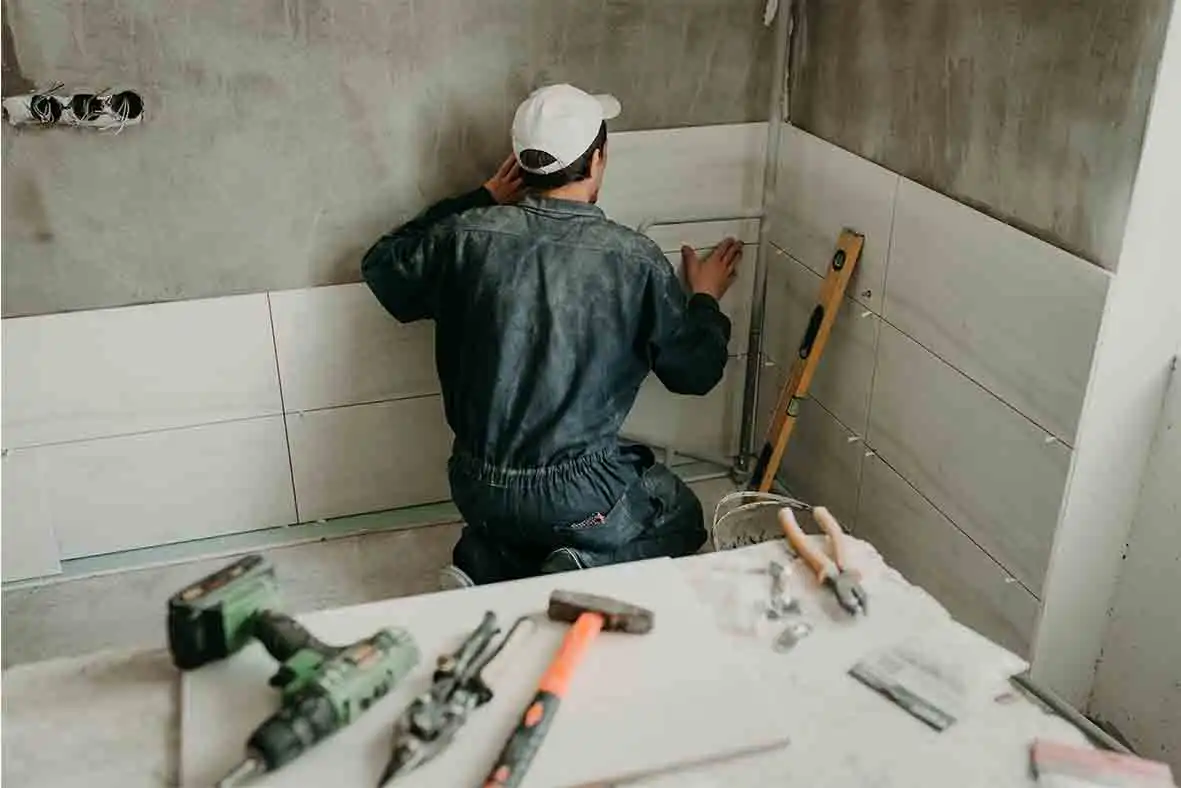
Every bathroom differs, but most projects follow the same sequence: planning, permitting (when needed), demolition, rough-in, inspections, waterproofing/tile, and finishes. In addition, Materials and inspections can both affect the calendar, so it helps to choose fixtures and tile early—especially if you want custom items.
Typical Phases And Ranges
- Planning and selections: 1–3 weeks (scope, materials, measurements)
- Permitting and plan review: 1–6+ weeks (scope-dependent)
- Ordering and delivery: 1–4 weeks (fixtures, tile, glass, vanity)
- Demo and prep: 1–3 days
- Rough-in work: 3–7 days (plumbing/electrical/vent changes)
- Waterproofing and tile: 1–2 weeks (varies by tile scope and cure time)
- Finish install and final: 2–5 days (fixtures, trims, punch list)
| Decision to make early | Why it matters | Common impact |
|---|---|---|
| Keep plumbing locations | Limits rough-in changes | Fewer inspection hold points |
| Custom tile vs. prefab | Affects labor and cure time | Can extend install window |
| Vent fan and duct route | Controls moisture and code compliance | May require opening walls/ceiling |
| Shower waterproofing system | Determines steps and materials | Impacts inspection and sequencing |
| Custom shower glass | Often ordered after tile | Lead time can delay “final” |
One more planning tip: if this is your only bathroom, ask about temporary shutoff windows and whether you’ll need a backup plan for a few days. For example, A clear schedule keeps the household running while the work moves forward.

When To Call A Licensed Contractor
If your remodel stays cosmetic, you may only need light help. Overall, Once you move plumbing, change electrical, alter ventilation, or rebuild a tiled shower, coordination becomes the hard part. For example, A properly licensed contractor can manage trades, align the scope with permit expectations, and keep inspections from turning into last-minute surprises.
US Construction and Remodeling Corp. For this reason, works with Sacramento homeowners on bathroom remodel planning and execution. Overall, Call +1 (916) 234-6696 to talk through your timeline, the scope you want, and what to confirm before work begins.
Questions To Ask Before You Hire
- Who will pull permits and schedule inspections for this scope?
- What parts of the job require licensed trades (plumbing/electrical), and who is doing them?
- How will you protect floors, manage dust, and handle daily cleanup?
- What waterproofing system will you use in the shower, and why?
- How do you handle changes after demolition (pricing and documentation)?
- What is the realistic schedule, and what events can pause the work?
Grout, Caulk, And Fixtures
- Run the exhaust fan during showers and for a while afterward to reduce moisture.
- Keep grout and tile clean with non-abrasive cleaners; avoid harsh acids unless the manufacturer allows them.
- Inspect caulk lines at corners and around fixtures; re-caulk promptly if you see gaps.
- Squeegee shower walls when possible to reduce mineral buildup.
- Check under the vanity and around the toilet for small leaks during the first few weeks.
Visit our website to learn more, or call +1 (916) 234-6696 to set a planning call focused on timeline and sequencing.
Helpful Links
Frequently Asked Questions
It depends on what you change. Many like-for-like swaps (for example, replacing a vanity in the same spot) may not trigger the same level of review as relocating plumbing or rewiring lighting. The safest approach is to define the scope on paper and confirm requirements with the City of Sacramento before demolition.
If you’re unsure, treat bathroom remodeling permit requirements as part of your planning conversation. A contractor can often flag likely permit triggers early—plumbing moves, new circuits, fan duct changes—so your schedule accounts for review and inspections.
Permits are more common when the work changes systems, not finishes. These updates often trigger permits or trade inspections:
- Relocating the toilet, vanity, tub, or shower (or moving drains/vents)
- Installing a new shower valve location or changing supply/drain routing
- Adding circuits, moving wiring, or upgrading electrical loads
- Adding a new exhaust fan or changing the duct route/termination
- Removing or altering walls or framing
Requirements can vary by scope, so confirm specifics for your address and plan before ordering materials.
Timing varies with scope and how complete the submittal is. Some straightforward bathroom projects can move quickly, while layout changes or multi-trade work often takes longer because the City may need plan review and staged inspections.
To protect your timeline, use the waiting period to finalize selections, order long-lead items, and coordinate trade availability. That way, once permits are approved, the build phase can start without scrambling.
Permit fees depend on scope, valuation, and which permits apply (building vs. plumbing/electrical/mechanical). Because of that, there isn’t a single standard fee for a bathroom remodel.
Ask for an itemized estimate that separates construction work from expected permit and inspection costs. If your scope changes after demolition, fees and re-submittals can change as well—another reason to lock core decisions early.
If your scope requires a permit, starting demolition early can create real risk: stop-work orders, re-inspections, and having to open finished surfaces to show work that should have been inspected. It’s usually smarter to use that time for ordering materials, protecting your home, and setting a realistic schedule.
If you truly keep the work cosmetic, permits may not apply; confirm that before you start demo.
A bathroom can look great and still fail if moisture management is an afterthought. Before you sign a contract, ask for clear answers on:
- The waterproofing system being used (and whether it follows the manufacturer’s installation instructions)
- What substrate/backer will be used behind tile and in wet areas
- How the shower floor will be sloped and drained
- Which grout and sealant/caulk products will be used and where
- How ventilation will be sized and ducted to reduce long-term moisture
These details affect both durability and the sequence of work, so they belong in the plan—not as last-minute decisions.
Inspections usually happen at specific “pause points,” such as after rough plumbing/electrical and before surfaces get closed up. If an inspection is delayed, crews can’t always move forward, so the schedule can slip even if materials are ready.
To keep things moving, schedule inspection windows early, keep work accessible for the inspector, and avoid changes that alter rough-in work after it’s complete. A contractor-led plan that includes inspection timing reduces stop-start gaps.
Licensed, insured & trusted local contractor
US Construction & Remodeling Corp.
9821 Business Park Dr, Sacramento, CA, 95827
Phone: +1 (916) 234-6696
CSLB License #: 1117562 Fully licensed and insured.