
Skip links

Change Siding on a House in California: Planning, Permits, and Timeline

New siding can change how your home looks, how it sheds rain, and how much upkeep you deal with year to year. If you’re planning to change siding house, start with the details that control performance: what’s underneath, how you’ll handle trim and openings, and whether permits apply for your scope.

Quick checklist:

  • Pick a siding material and finish that matches climate and maintenance goals.
  • Confirm moisture management details (housewrap, flashing, caulking) in writing.
  • Define the full scope (trim, soffit/fascia, paint, insulation upgrades).
  • Confirm access/safety plan and how landscaping/property will be protected.
  • Compare 2–3 itemized quotes and verify warranty coverage.
  • Check permit requirements if altering exterior walls or doing structural repairs.

TL;DR: Choose a material that fits your maintenance comfort level and your home’s style. Get a written estimate that spells out tear-off, repairs, and trim details. Confirm permit requirements with your local building department before work begins.

  • Document current conditions (photos, soft spots, staining).
  • Pick a target look (lap, board-and-batten, panels) and material (vinyl, fiber cement, engineered wood, metal).
  • Decide how you’ll handle corners, trim, and window/door surrounds.
  • Clarify what gets removed, what gets repaired, and what stays.
  • Confirm whether permits and inspections apply for your jurisdiction and scope.
  • Ask for a written estimate with allowances and a start-to-finish schedule.

Planning, Permits, And Practical Decisions For Change Siding House

DecisionWhy it mattersQuick check
Material choiceDurability and maintenance differ by material.Compare fiber cement vs vinyl and verify warranties.
Moisture managementWater control prevents rot and mold.Confirm housewrap and flashing details around openings.
Trim & transitionsDetails control fit and long-term sealing.Specify corners, soffit/fascia scope, and finish plan.
Access & protectionStaging affects speed, cost, and safety.Plan scaffolding, landscaping protection, and cleanup.

Changing siding is rarely “just cosmetic.” The cladding protects the wall assembly, and small detailing choices decide whether the exterior stays tight over time. For example, A well-planned change siding house project balances three things: the look you want, the maintenance you’re willing to do, and the conditions you discover once the old material comes off.

Before you pick a color, decide what you’re solving. For this reason, Peeling paint, dents, recurring moisture at windows, and sun-faded panels point to different causes—and different solutions. That clarity helps you avoid paying for a “new look” that doesn’t address the real problem.

This guide is also a good fit if you’re dealing with any of the following:

  • Wood siding that needs frequent repainting or patching.
  • Cracked, warped, or dented panels that make the exterior look tired.
  • Soft trim, staining, or other signs that water may be getting behind the cladding.
  • A planned window/door upgrade where you want the exterior details to match.

Seams, Trim, And Transitions

Good-looking siding starts with a simple drawing of each side of the house. As a result, You don’t need an architect for this—just a sketch that marks windows, doors, and major features so the pattern looks intentional.

  • Align courses and seam locations to windows and doors when possible.
  • Choose corner details early (corner boards, mitered corners, or metal corners) because they change both labor and style.
  • Plan transitions at garages, porches, and bump-outs so they don’t look like afterthoughts.
  • Account for fixtures—hose bibs, lights, meters—so penetrations stay clean and sealed.

Tight Access And Small Exteriors

On narrow side yards, compact homes, or ADUs, access can drive the plan more than the material. Meanwhile, A realistic plan keeps pathways usable while crews work and debris moves safely off-site.

  • Confirm gate widths and side-yard clearance for ladders, scaffolding, and haul-out.
  • Decide how you’ll protect landscaping, patios, and exterior equipment during tear-off.
  • If you share a driveway or follow HOA rules, put delivery and cleanup expectations in writing.

Resale And ROI Priorities

New siding can support resale because buyers notice curb appeal immediately and a maintained exterior reduces “unknowns.” For ROI, prioritize straight lines, consistent trim widths, and durable materials over trend-driven profiles that can date quickly. Overall, When you change siding house with resale in mind, neutral colors and clean detailing usually keep the widest appeal.

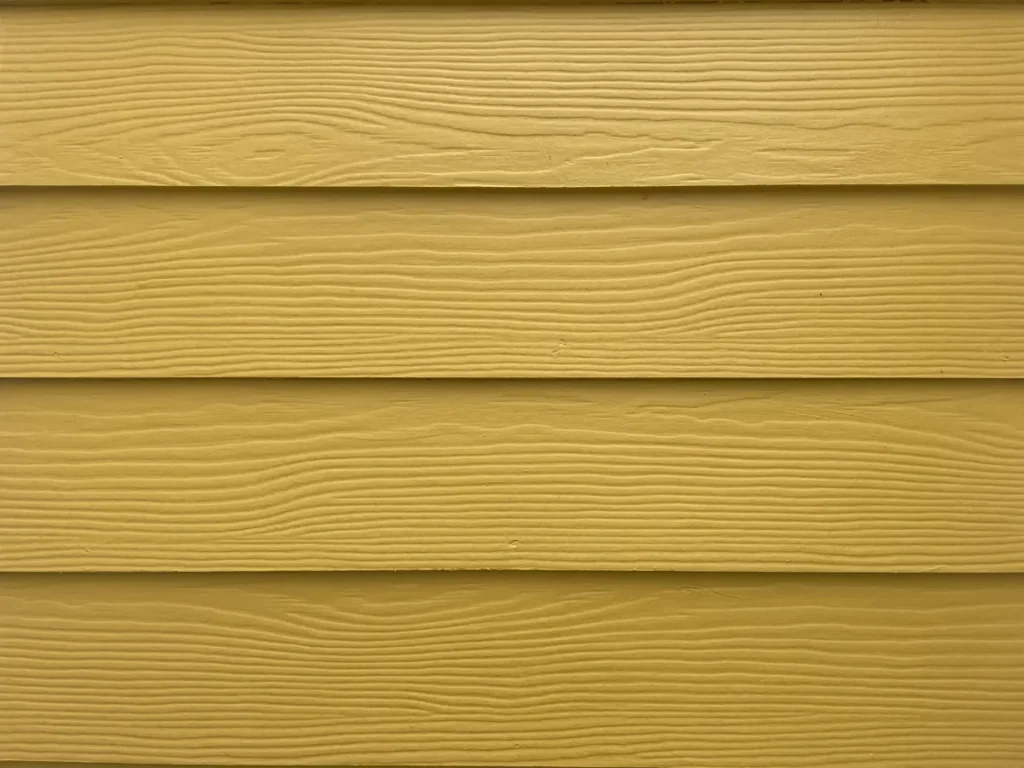
t1 siding white background of pale striped wooden boards

Planning Checklist (Scope, Materials, Budget) For Change Siding House

A clear scope protects your budget. It also makes it possible to compare estimates without guessing what each contractor assumed.

Scope Checklist You Can Hand To Any Contractor

  • Tear-off: What gets removed (cladding only, trim, soffits) and where partial replacement is acceptable.
  • Repairs: How damaged sheathing, framing, or trim gets handled if it’s found during demo.
  • Moisture protection: What new weather barrier and sealing details are included around openings and penetrations.
  • Trim package: Reuse, wrap, or replace—plus corner boards, window/door casing, and skirt boards.
  • Finish work: Paint or factory-finished material, caulking scope, and touch-up standards.
  • Jobsite protection: Landscaping protection, dust/debris control, and daily cleanup expectations.

Practical Comparisons (No Hype)

Vinyl siding is popular for lower ongoing maintenance and fast installation, although impact resistance and color options vary by product. Additionally, Fiber cement siding offers a solid, painted finish and can match traditional lap profiles; plan for repainting over time. Engineered wood siding can deliver a warm look with lighter weight, but it still needs disciplined sealing and maintenance. Metal panels can work well for modern elevations and durability, especially when you want clean lines.

Whichever material you choose, ask how it will be detailed at corners, around windows, and at the bottom edge of the wall. Also, Those details often drive the long-term performance more than the brand name.

Decisions That Drive Cost And Schedule

DecisionTypical optionsWhat it changes
Cladding materialVinyl / fiber cement / engineered wood / metalUpkeep, install details, finish work
Repairs under sidingSpot repairs vs broader replacementBudget, inspection needs, timeline risk
Trim approachReuse / wrap / replaceFinished look, labor hours, paint scope
Access & protectionOpen access vs tight side yardStaging, productivity, cleanup time

What To Prepare

To get a useful, apples-to-apples written estimate, send the basics up front. In addition, That way, the proposal can focus on decisions instead of back-and-forth guessing.

  • Photos of each side of the house (plus close-ups of any damage).
  • Number of stories and any tight access points (side yards, gates, steep grades).
  • Your preferred material and profile, or two options you’re deciding between.
  • Notes on any known leaks, soft spots, or prior repairs.
  • Whether you plan to change windows/doors at the same time.
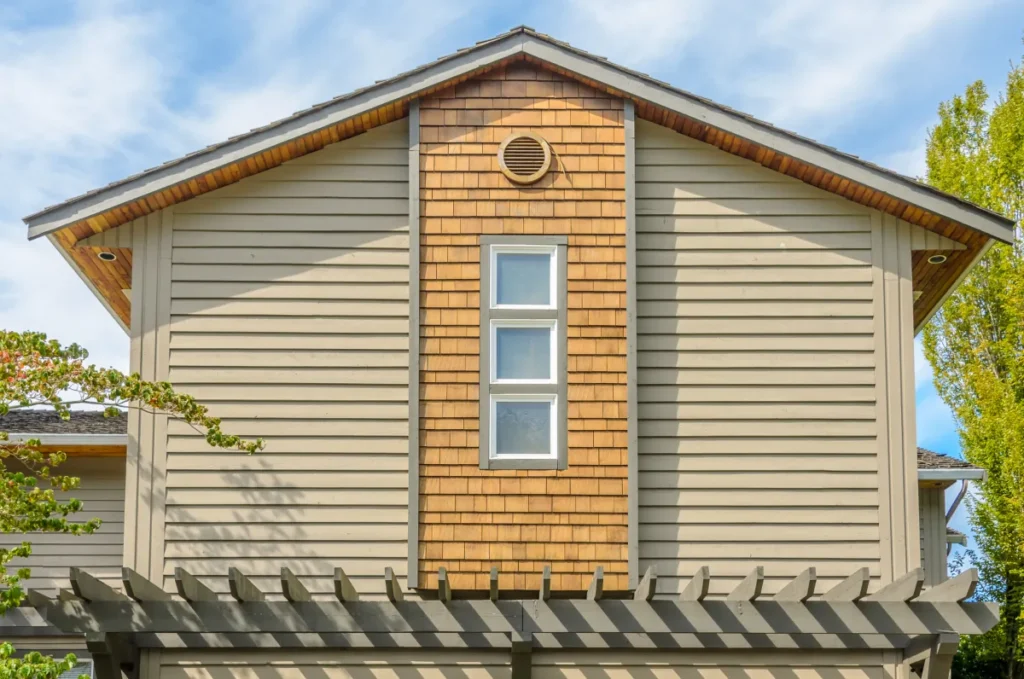
vertical siding experienced woodworker building modern backyard ga

Permits And Inspections (General)

US Construction & Remodeling Corp. As a result, helps Sacramento homeowners plan siding replacements with clear scope, practical material options, and permit-aware details. Request a written estimate and send a few exterior photos so we can give you an accurate starting point.

Permits and inspections vary across California by jurisdiction and by scope. Many straightforward re-cladding projects stay simple; however, the moment you change structural elements, openings, or fire-related assemblies, the permit conversation changes.

Work Items That Often Trigger Permit Review

  • Replacing or altering wall sheathing, framing, or shear elements.
  • Changing window or door sizes, locations, or headers.
  • Switching to a heavier cladding system or adding new exterior insulation layers.
  • Adding or moving exterior electrical, plumbing penetrations, or vent terminations.
  • Projects near property lines where fire-resistance requirements can apply.

Ask your local building department what applies to your address and scope. For this reason, Get that answer in writing when possible, and build the permit lead time into your schedule.

Permit Questions To Ask Up Front

  • Does a like-for-like siding change require a permit in my jurisdiction?
  • If repairs are found, what threshold changes the permit requirements?
  • Who pulls the permit and schedules inspections—the homeowner or the contractor?
  • What inspections should I expect (and at what stages)?
  • What documents or drawings are typically necessary for this scope?

Trust Checks Before You Sign

A solid proposal is specific, and it sets expectations before the job starts. In addition, Use this short list to keep the project accountable—no drama needed.

  • License and insurance: Confirm the contractor carries the appropriate California license classification for the work and current insurance.
  • Permit responsibility: Make it clear who handles permits when they’re required and how fees are treated.
  • Communication: Ask who your day-to-day point of contact is and how change decisions get documented.
  • Workmanship verification: Walk the elevations before install and confirm seam placement, trim widths, and finishing standards.
  • Closeout: Require a punch list and a final walkthrough so details don’t get rushed at the end.

Company Contact

Company: US Construction & Remodeling Corp. | Phone: +1 (916) 234-6696 | usconstructioncali.com

Frequently Asked Questions

It depends on your city or county and the exact scope. A like-for-like replacement may be simpler, but permits are more common when you repair structural elements, change window/door openings, add exterior insulation, or alter fire-related wall requirements. When in doubt, confirm with your local building department before work starts.

The biggest drivers are usually (1) the cladding material and finish, (2) the amount of repair work discovered after tear-off, (3) trim complexity around windows/doors, and (4) access—multi-story walls and tight side yards take more time. Permits, specialty colors, and disposal/hauling can also affect the total.

Many full-house re-cladding projects are measured in weeks, while partial replacements can be completed in a few days. Permit review, material lead times, inspections, and hidden repairs are the most common reasons schedules extend. A written estimate should list the milestones so you know what can shift the timeline.

Both can be good choices, but they behave differently. Vinyl generally needs less repainting, while fiber cement offers a painted, solid look and can be more rigid. Ask your contractor what maintenance to expect for your specific product, color, and exposure (sun, sprinklers, coastal air), then choose what matches your upkeep comfort level.

Sometimes, but it’s not always the right move. Installing over existing layers can hide damage, complicate detailing at windows and trim, and create uneven walls. Many homeowners choose tear-off so the contractor can inspect the substrate and address repairs before installing the new cladding.

Ask for a written scope that covers tear-off, repairs, trim work, sealing details, cleanup expectations, and how changes are documented. Confirm who handles permits when they’re required, and verify the contractor’s California license and insurance. Finally, walk the elevations together to confirm seam placement and the finished look before work begins.

Leave a comment

This website uses cookies to improve your web experience.
Explore
Drag