Fun Bathroom Themes: Practical Remodeling Guide for California
Bathrooms can feel like pure utility, but they don’t have to. When you build fun bathroom themes around durable finishes and good lighting, the room feels personal without becoming hard to maintain.
Quick checklist:
- Define the scope and prioritize daily function (shower, storage, ventilation).
- Confirm what trade work is involved (plumbing, electrical, drywall) and the order of work.
- Choose finishes that hold up in wet areas and are easy to clean.
- Collect 2–3 quotes and compare line-by-line (scope, allowances, cleanup, warranty).
- Decide what needs to be ordered first (tile, fixtures, vanity) to keep the schedule moving.
This guide breaks down theme directions that work in real homes, the upgrades that move the needle most, and how to plan a California remodel so the schedule stays realistic.
TL;DR: Pick one “hero” feature (tile, vanity color, wallpaper, or lighting) and keep the other surfaces calm and easy to clean. Move plumbing only when the layout truly needs it. A quick consult can confirm what’s realistic before you buy materials.
- Choose a theme anchor (tile, wallpaper, or vanity color)
- Set a 2–3 color palette and one main metal finish
- Confirm wet-area surfaces are rated for showers/tubs
- Plan storage so counters stay clear
- Map lighting layers: ambient + task + accent
- Flag plumbing/electrical moves for permit review
Want a quick gut-check on your ideas? Call +1 (916) 234-6696. Prefer online? Start here: estimate request form.
Signs It’s Time For Fun Bathroom Themes
| Decision | Why it matters | Quick check |
|---|---|---|
| Wet-area finishes | Wet zones need durable, easy-clean surfaces. | Choose materials rated for bathrooms and simple maintenance. |
| Ventilation | Helps prevent humidity and long-term damage. | Confirm fan sizing and vent routing. |
| Layout | Good layout improves daily usability. | Verify clearances and door swings. |
| Budget control | Keeps scope creep from blowing up the price. | Use allowances and a written change-order process. |
- Retro color-block tile with globe sconces
- Coastal palette with a bold blue shower niche
- Botanical wallpaper above beadboard wainscoting
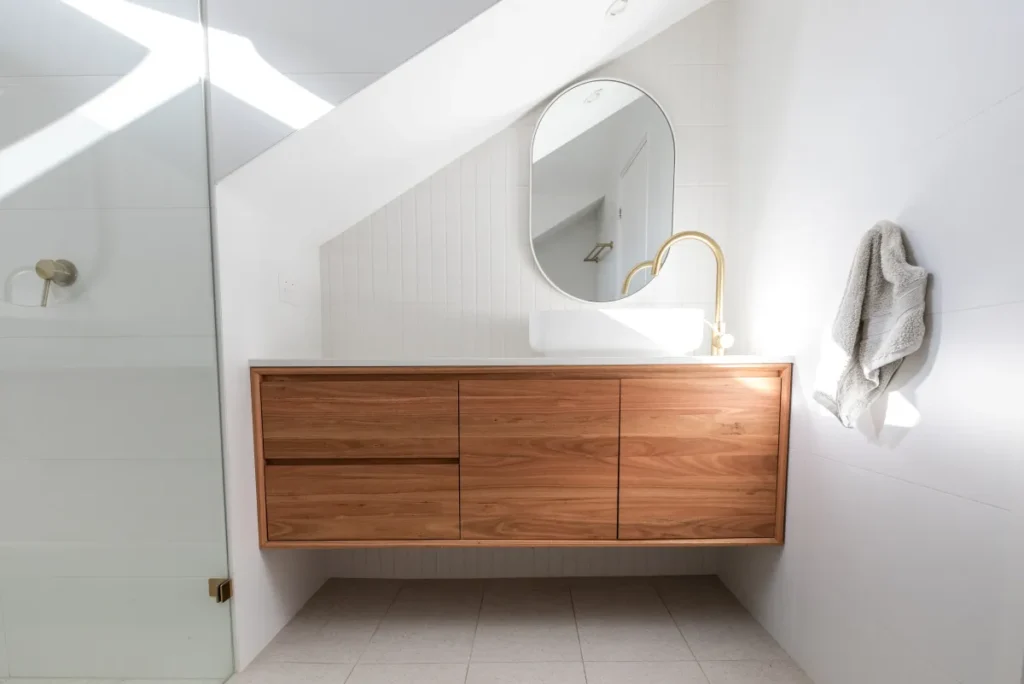
- Graphic black-and-white floor tile with a warm wood vanity
- Jewel-tone vanity paired with crisp white walls
- Terrazzo-look porcelain flooring for playful texture
- Desert-modern neutrals with one citrus accent color
- Statement mirror shape (arched or asymmetrical) as the focal point
- Two-tone shower surround that “frames” the wet wall
- Kids/guest bath: durable pattern tile with easy-clean paint
A theme is worth doing when it improves the room you actually use, not just the photos. Also, In practice, fun bathroom themes work best when you tie the “personality” to a few intentional elements and keep the rest straightforward.
Signs You’re Ready To Lean Into A Theme
- Your bathroom feels dated even after cleaning and re-caulking
- You want a refresh, also but a full layout change feels unnecessary
- You’re updating a kids’ or guest bath and want it to feel memorable
- You’re already replacing tile, vanity, or lighting and want the upgrades to look cohesive
- You want better storage and ventilation, not just new paint
Mistakes That Make A Theme Look Forced
Most “theme regret” comes from too many competing patterns, the wrong materials in wet areas, or lighting that flattens everything.
- Using multiple bold patterns at once (pick one hero pattern)
- Putting non-rated wallpaper or paint in direct shower splash zones
- Ignoring ventilation, which shortens the life of finishes
- Mixing metal finishes randomly instead of choosing a main finish
- Choosing statement tile for every surface (it can feel busy fast)
- Skipping samples—colors and grout look different under your lighting

Common Upgrade Paths (What Changes Most)
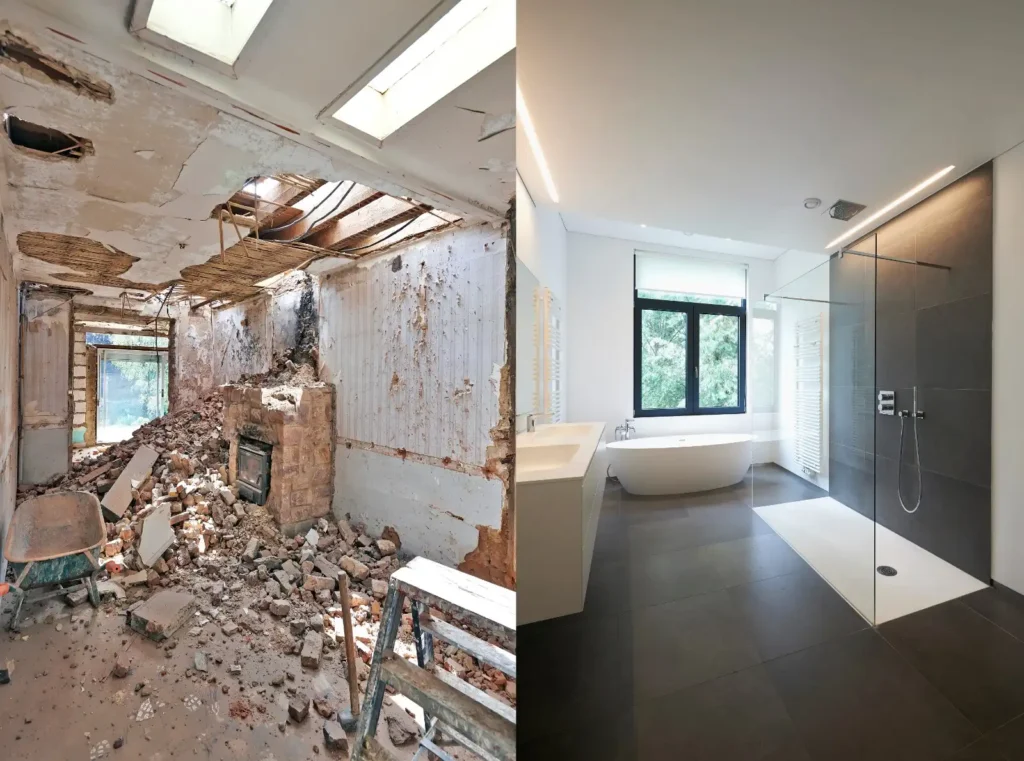
Most bathrooms don’t need a full gut job to land a theme. Additionally, The biggest visual shifts usually come from the shower/tub surround, the vanity zone, and the lighting—because those features sit at eye level and dominate the room.
To keep fun bathroom themes from feeling cluttered, treat the room like a simple hierarchy: one hero, one supporting texture, and one “quiet” background.
Layout Options That Support The Theme
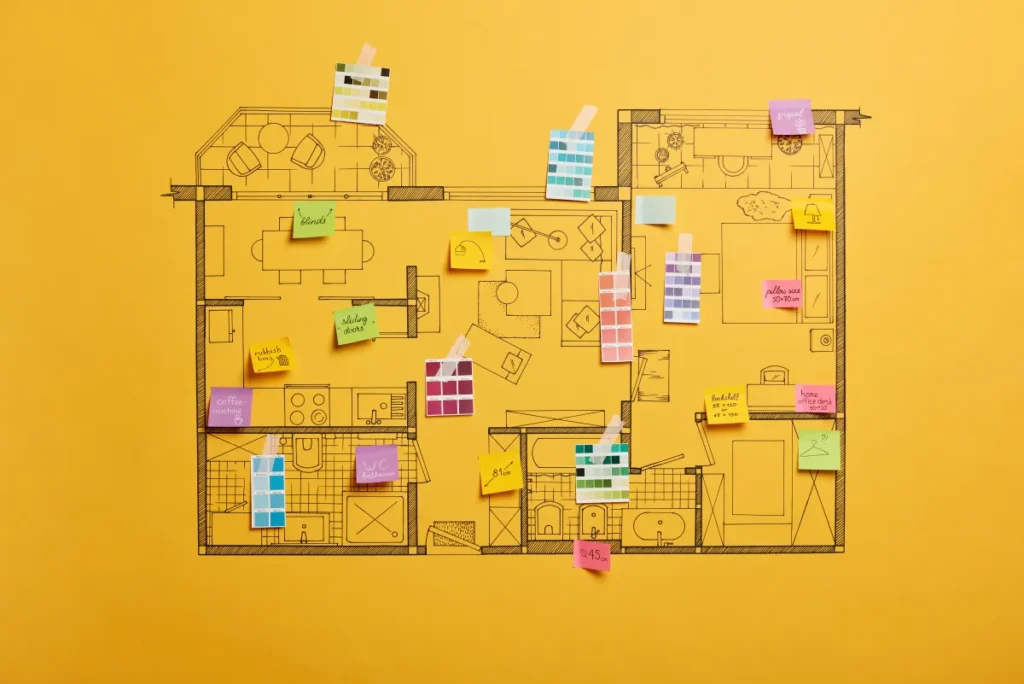
Layout drives comfort as much as style. In addition, A narrow galley bath benefits from a floating vanity and a clear walking line; an L-shape plan can tuck a linen tower near the vanity; a U-shape layout can work in larger primary baths; and an island-centered concept (a center makeup table or double-sided storage) can make a big room feel intentional.
Small-Bath Layout Ideas:
- Swap a swing door for a pocket or out-swing door when feasible
- Use a wall-hung vanity to open floor sightlines
- Choose a sliding shower door or a fixed panel to reduce door conflicts
- Build a recessed niche for shampoo so you can skip corner caddies
- Use one continuous floor tile to make the room feel larger
| Decision | Cost impact | Time impact | What it changes |
|---|---|---|---|
| Keep layout vs. move plumbing | Low → High | Low → High | Moves can trigger more coordination and inspections |
| Tile height (wainscot vs. full height) | Low → Medium | Low → Medium | More tile means more labor and more grout to maintain |
| Stock vs. custom vanity | Low → High | Low → High | Custom boosts fit and storage, but adds lead time |
| Lighting upgrades (layers + dimmers) | Low → Medium | Low → Medium | Improves mirror use and makes colors look intentional |
Vanity, Cabinet Doors, And Counters
The vanity usually reads as “furniture,” so it’s a smart place to express a theme without risking moisture problems. For this reason, Popular cabinet door styles include Shaker (works with almost anything), slab (modern and clean), raised-panel (traditional), and beadboard (great for cottage/coastal looks).
For countertops, common options include quartz (easy care), solid surface (seam-minimizing), natural stone (distinctive, more maintenance), and porcelain slabs (thin, modern, durable). For example, A short backsplash or full-height vanity splash can protect the wall while “framing” your color choices.
Flooring And Wet-Zone Surfaces
For most households, porcelain or ceramic tile makes the most sense on floors and in showers because it handles water and cleaning. As a result, You can still go playful—patterned porcelain, a contrasting grout color, or a border detail can carry the theme without relying on delicate materials.
Lighting That Keeps It Playful—But Practical
Layered lighting matters more than people expect. Use ambient light for overall brightness, task light at the mirror for grooming, and accent light to highlight a feature wall or niche. Meanwhile, Dimmers help, and so does choosing bulbs with consistent color temperature so the room doesn’t shift from warm to harsh.
Storage Upgrades That Hide The Clutter
A theme falls apart when the countertop becomes the storage plan. Overall, Build organization into the remodel so the room stays clean-looking day to day.
- Deep drawers instead of doors for hair tools and toiletries
- Recessed medicine cabinets for “invisible” storage
- Toe-kick drawers for small items in tight rooms
- Shower niches and corner ledges to clear the floor
- Wall hooks and towel bars placed where you actually reach

Budget Ranges And Timeline (Typical)
Turning a themed concept into a buildable bathroom means coordinating material choices, lead times, and any permit triggers. US Construction & Remodeling Corp. In addition, helps Sacramento homeowners translate fun ideas into a clear scope and a realistic schedule.
To start online, you can request a free estimate. As a result, If you want to talk it through faster, call +1 (916) 234-6696.
Ballpark Cost And Timing (Typical)
Every home is different, especially with older plumbing, hidden damage, or long lead-time materials. As a result, These are broad California ballparks to help you plan.
- Cosmetic refresh (paint, lighting, hardware, minor fixture swaps): roughly $3,000–$12,000; often 2–5 days on-site
- Mid-scope update (new vanity, flooring, paint, and a shower refresh without moving plumbing): roughly $12,000–$30,000; often 1–3 weeks on-site
- Full remodel (new shower/tub surround, multiple trades, new finishes, possible electrical upgrades): roughly $25,000–$60,000+; often 3–8+ weeks on-site
- Permits, inspections, and special-order materials can add additional weeks before work begins
Cost Drivers That Matter More Than The Theme
- Moving plumbing or electrical (walls open, more coordination)
- Waterproofing scope and how much tile you install
- Tile complexity (patterns, borders, niches, trims)
- Custom glass, specialty fixtures, and long lead-time vanities
- Ventilation upgrades and any needed repairs behind walls
Keep Bold Choices Flexible
Fun bathroom themes can stay resale-friendly when you put “timeless” money into the permanent parts of the room. Neutral tile, a quality vanity, and good lighting tend to age well; meanwhile, paint color, mirrors, and accessories can carry the personality and change later without redoing the wet area.
Frequently Asked Questions
They can help or hurt depending on how permanent the bold choices are. For better resale flexibility, keep big-ticket surfaces (shower/tub surround, floors, vanity) more neutral and express the theme through paint, lighting, mirrors, and accessories you can swap later.
It depends on scope and lead times. A cosmetic refresh can take days, while a full remodel often takes weeks on-site. Special-order fixtures, custom vanities, permits, and inspections can extend the overall calendar before work begins.
The “theme” itself isn’t usually the big driver. The largest cost swings typically come from plumbing/electrical moves, how much tile you install, waterproofing scope, specialty glass, and fixture lead times.
Permit requirements vary by jurisdiction and scope. Cosmetic updates often don’t require permits, while moving plumbing, adding electrical circuits, changing structural elements, or creating new wet areas commonly does. Your local building department (city or county) is the final authority.
Porcelain and ceramic tile are reliable for wet zones and patterned looks. For vanity counters, quartz and porcelain slabs stay durable and easy to clean. If you want wallpaper, use moisture-rated products and keep them out of direct splash areas.
Look for clear documentation and accountability.
- Confirm licensing and insurance (and that the names match the contract)
- Ask who handles permits and inspections when needed
- Review a detailed, written scope and material list
- Ask how waterproofing gets handled and verified
- Set communication expectations before work starts