General Contractor Hiring Checklist for Sacramento Homeowners
Hiring for a remodel can feel messy when every proposal looks different and every crew promises a smooth job. If you’re searching for a general contractor, this checklist helps you compare companies, lock in key decisions early, and protect your timeline in Sacramento before you sign anything.
Quick checklist:
- Define the scope and your must-have outcome (function, budget, timeline).
- Confirm what trade work is involved (electrical, plumbing, drywall) and the order of work.
- Finalize measurements and key selections before ordering long-lead materials.
- Verify license/insurance where required, and compare bids line-by-line (allowances, exclusions, change orders).
- Create a simple schedule and pre-order the items that most often cause delays.
TL;DR: Define scope and selections first, then get 2-3 bids priced on the same plan. Next, sign a contract that matches the bid (including allowances and change rules). Finally, reserve final payment until inspections are signed off and the punch list is complete.
- Verify license status (ask for proof) and confirm who pulls permits when needed.
- Request recent references and examples of similar work, not just photos.
- Get bids that itemize scope, allowances, and exclusions in writing.
- Confirm the schedule: start window, working days, and material lead times.
- Set change-order rules: written approval, price, and time impact before work proceeds.
- Hold final payment until inspections, walkthrough, and documentation are complete.
Want a timeline-first plan before you pick a contractor? Call +1 (916) 234-6696 or Free estimate with US Construction & Remodeling Corp.
How To Hire For General Contractor (Without Guesswork)
| Decision | Why it matters | Quick check |
|---|---|---|
| Scope | Defines what is included and prevents surprises. | Write a line-item scope and allowances list. |
| Site constraints | Hidden conditions can change the plan. | Check access, wiring/plumbing, and existing surfaces. |
| Selections | Long-lead items can drive the schedule. | Confirm availability before demo starts. |
| Permits | Some scopes require approvals and inspections. | Ask your city/county what applies to your project. |
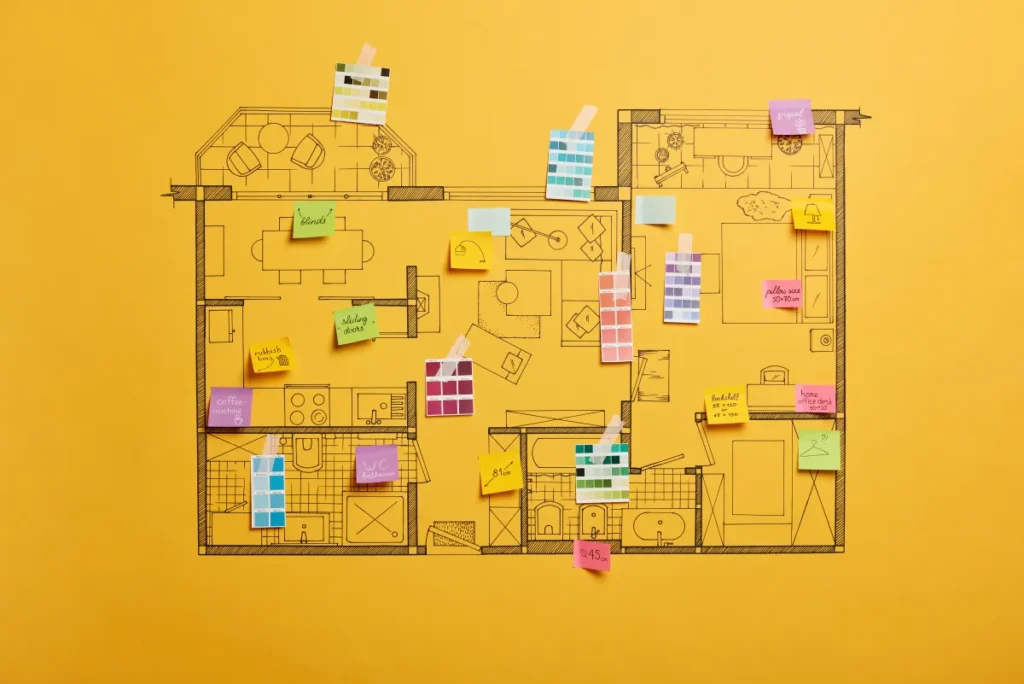
Start by writing down what you’re remodeling, what stays untouched, and the result you expect. That clarity keeps conversations focused; it also helps you avoid bids that sound comparable but actually cover different work.
This guide is also for homeowners planning a remodel with multiple trades, a tighter timeline, or lots of moving parts (kitchens, baths, additions, and whole-home updates).
Fit Check: When You Need A General Contractor
- The project involves two or more trades (for example, also framing + electrical + plumbing).
- You want one point of responsibility for scheduling, also subcontractors, and coordination.
- The work affects layout, structure, or building systems and may also trigger inspections.
- You want a written plan for communication and decision deadlines.
Screening Checklist (Before Walkthroughs)
Before anyone visits your home, do a quick screen. In addition, You’ll save time and you’ll get better bids because only serious candidates move forward.
- Verify California license status on the CSLB License Check and ask what classification fits your project.
- Ask for proof of insurance (general liability and workers’ compensation, also if applicable).
- Confirm who manages the job day-to-day and how you’ll get updates.
- Request 2-3 recent references for similar scopes and ask about schedule accuracy and change handling.
- Ask how they price allowances vs. Overall, specified items so you can compare bids fairly.
- Watch for red flags: vague pricing, also pressure tactics, or reluctance to put details in writing.
Planning Checklist To Lock Decisions Early
Contractors can’t price what isn’t decided. For example, These items reduce surprises and help you keep the schedule intact.
- Define must-haves vs. Additionally, nice-to-haves, plus a budget range you can live with.
- List finish priorities (flooring, also paint, cabinetry, countertops, fixtures) and note any brand/model preferences.
- Confirm key dimensions that affect ordering (appliances, also vanity widths, door swings, and aisle space).
- Decide who supplies materials (owner-provided vs. Also, contractor-supplied) and where deliveries will be stored.
- Plan living logistics: access routes, parking, pets, working hours, and which rooms must also stay functional.
- Collect photos of existing conditions and write down known constraints (panel location, also plumbing access, etc.).
Bid Comparison Checklist (Apples-To-Apples)
A bid isn’t just a number; it’s a scope statement and a schedule commitment. As a result, To compare bids fairly, every contractor must price the same scope, the same assumptions, and the same responsibilities.
What Every Bid Should Include
- Detailed scope with inclusions and exclusions (not just “remodel kitchen”).
- Labor and material allowances called out clearly, also with unit costs when possible.
- Demolition, also debris hauling, and site protection details.
- Who is also responsible for ordering, delivery coordination, and material storage.
- A proposed schedule (start window, also working days, and major milestones).
- Warranty terms and what completion means (punch list, inspections, and cleanup).
Bid Red Flags You Can Spot Fast
- A single lump-sum price with no scope detail or allowances.
- Missing exclusion list (that’s where surprises hide).
- Unclear supervision (no named project lead or communication plan).
- Very low price that depends on “we’ll figure it out later.”
Small-Space Layouts: Choices That Affect Price
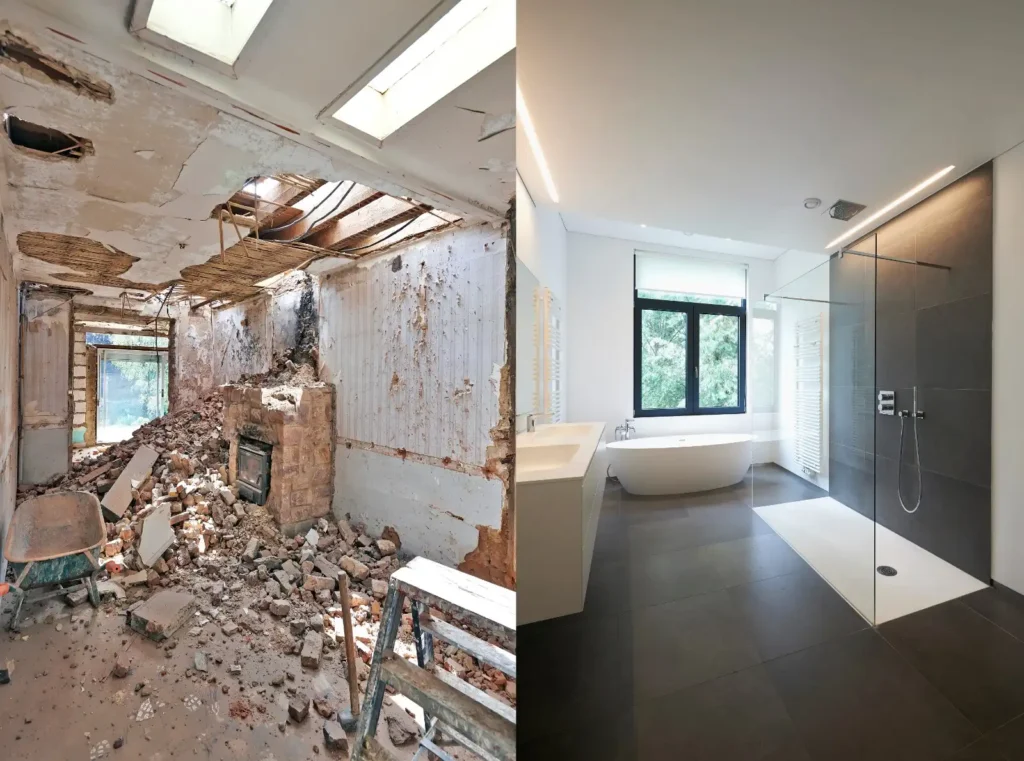
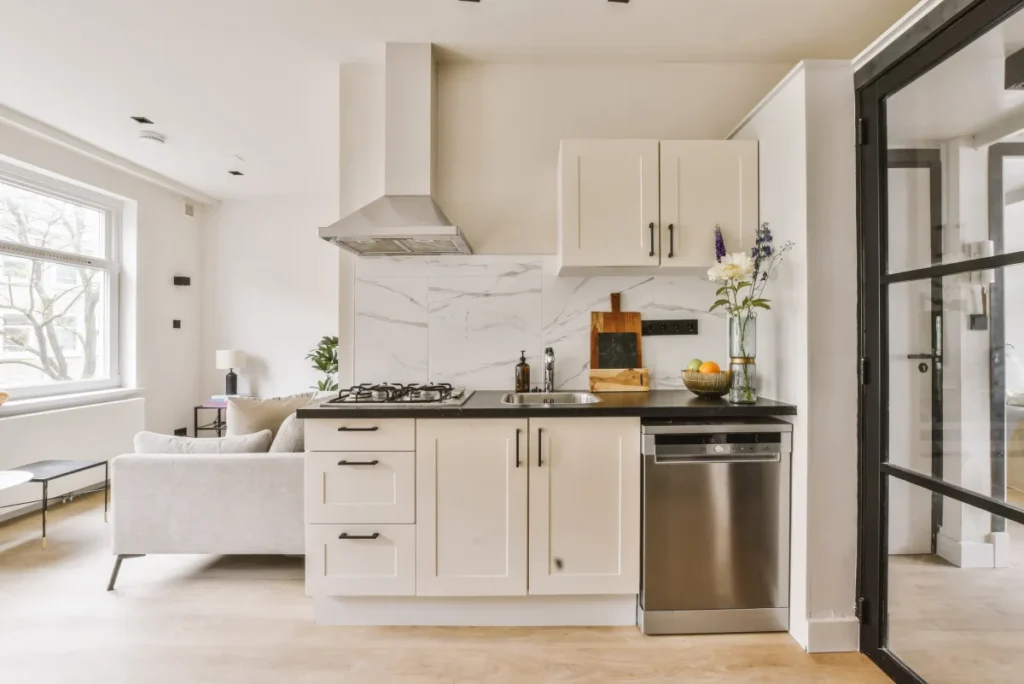
In a small kitchen or bathroom, minor layout moves can trigger major trade work. Therefore, treat layout decisions as scope, not decoration, and get them decided before bidding.
- Bathroom: Keeping plumbing locations similar often reduces rough-in work, while moving drains can increase time and coordination.
- Kitchen: Keeping the sink and range on the same wall can reduce utility moves; adding an island often adds electrical and sometimes plumbing scope.
- Doors and storage: Pocket doors, recessed shelving, and custom cabinetry can be great, but they change framing and labor, so make them explicit in the bid.


Contract Basics (Payment Schedule, Scope)
Your contract should match the winning bid line for line. When it does, you reduce surprises and you create a clear, fair way to handle changes when they happen.
Contract Checklist (Keep It Simple, Keep It Complete)
- Scope with drawings/specs attached (and a written exclusion list).
- Allowance schedule (what’s included, what’s not, and how upgrades are priced).
- Payment milestones tied to completed work, not just dates.
- Start window, working days, and how delays are communicated.
- Who supervises the site and how you approve decisions.
- Cleanup standards, protection of floors/adjacent rooms, and debris hauling.
- Warranty terms, closeout documents, and how punch-list items are handled.
Permits And Inspections: Who Handles What
Permits depend on scope and the exact address. In general, work that changes structure or touches electrical, plumbing, HVAC, or windows/doors often requires permits and inspections. Because requirements vary by jurisdiction, confirm with your local building department and make sure the responsibility is written into the contract.
For Sacramento projects, many steps (applications, payments, and status tracking) run through the City of Sacramento Community Development portal (Accela Citizen Access) when applicable.
Timeline Planning And Change Orders
Most remodel delays come from two sources: decisions that weren’t made early enough and materials that weren’t ordered in time. A good timeline highlights those pressure points so you can plan around them.
Typical Phases And Rough Durations
- Planning + scope definition: 1-3 weeks
- Bidding + selection: 1-2 weeks
- Permits (if required) + ordering long-lead items: 2-8+ weeks
- Demolition + prep: 2-7 days
- Rough work (framing, electrical, plumbing, HVAC): 1-3 weeks
- Inspections (as needed): 1-5 business days (varies by jurisdiction)
- Drywall, paint, and surfaces: 1-2 weeks
- Cabinetry/countertops and finish installs: 1-3 weeks
- Punch list + closeout: 3-10 days
Timeline & Decision Table
| Phase | Typical duration | Owner decisions due | What to confirm |
|---|---|---|---|
| Planning + scope | 1-3 weeks | Must-haves, budget range | Written scope + drawings |
| Permits + ordering | 2-8+ weeks | Finishes, fixtures, appliances | Lead times + permit needs |
| Rough construction | 1-3 weeks | Outlet/lighting locations | Inspection schedule |
| Finishes | 1-3 weeks | Paint, hardware, fixtures | Quality checkpoints |
| Punch list + closeout | 3-10 days | Walkthrough priorities | Warranties + lien releases |
Change Order Rules To Set Before Day One
- Require written change orders with price and schedule impact before work proceeds.
- Decide who can approve changes (one person) to avoid mixed messages.
- Set a cutoff for design changes once rough work starts.
- Track allowances: when you pick upgrades, document the price difference immediately.
If you want help mapping a schedule that fits your household, start with a planning call. Call +1 (916) 234-6696 or Free estimate.

Quality Checks Before Final Payment
Final payment is your leverage. Therefore, treat it as a checklist moment: confirm quality, confirm documentation, and confirm that the job is truly complete.
Quality Checks To Do On The Final Walkthrough
- Confirm required inspections are complete (when the scope requires them).
- Test what you can: outlets, lights, fixtures, appliances, doors, drawers, and exhaust fans.
- Check finishes under good lighting (paint, tile lines, trim joints, caulk, and hardware alignment).
- Collect product manuals, warranty info, and care instructions from manufacturers.
- Get lien releases and closeout paperwork appropriate to the job.
- Write a punch list with deadlines and keep a copy for both sides.
Common Mistakes Homeowners Make (And How To Avoid Them)
- Choosing purely on the lowest number instead of scope clarity and supervision.
- Starting work while selections are still undecided, which forces rushed purchases and change orders.
- Paying ahead of progress; instead, tie payments to measurable milestones.
- Letting verbal changes happen in the field without written pricing and time impacts.
- Skipping the final walkthrough or accepting “we’ll come back later” without dates.
Sacramento-Area Service Coverage
US Construction & Remodeling Corp. serves Sacramento and nearby service areas: Sacramento, Elk Grove, Arden, Rancho Cordova, El Dorado Hills, Folsom, Roseville, Rocklin, Alameda, Davis, Berkeley, Fair Oaks, Novato, Placer, San Mateo, San Francisco, and Los Angeles.
To talk through your timeline and the decisions that drive it, call +1 (916) 234-6696 or Free estimate.
Helpful Links
Licensed, insured & trusted local contractor
US Construction & Remodeling Corp.
9821 Business Park Dr, Sacramento, CA, 95827
Phone: +1 (916) 234-6696
CSLB License #: 1117562 Fully licensed and insured.
Service info for Sacramento
For the complete overview of process and planning in Sacramento, visit Home Remodeling.
Frequently Asked Questions
A general contractor coordinates the full job: scheduling trades, managing day-to-day work, and keeping the sequence on track. Depending on the agreement, they may also handle ordering, jobsite protection, and coordinating inspections when the scope requires them.
When you compare companies, ask who your on-site lead is and how often you'll receive progress updates.
Most homeowners do best with 2-3 bids that are priced on the same scope and the same allowance assumptions. More bids can help, but only if you're comparing apples to apples.
- Give each bidder the same scope notes and selections list.
- Ask for a written exclusions list.
- Compare supervision, schedule, and change-order rules, not just price.
Use the California Contractors State License Board (CSLB) lookup to verify license status and details before you sign a contract.
Permit needs depend on your scope and address. In general, projects that change structure or touch electrical, plumbing, HVAC, or openings (doors/windows) often require permits and inspections.
For Sacramento homeowners, plan review and permit tracking commonly run through the City of Sacramento Community Development portal (Accela Citizen Access) when applicable. When in doubt, confirm with the local building department and put responsibilities in writing.
A fair schedule ties payments to completed milestones so you are paying for progress. Keep final payment until the walkthrough is complete, punch-list items are handled, and closeout documents are delivered.
- Define milestones clearly (not vague dates).
- Put change orders in writing with price and time impacts.
- Keep allowances transparent so upgrades don't surprise you.
Small spaces magnify decisions. To reduce change orders, finalize layout and selections before bidding, then keep changes written and priced.
- Keep plumbing locations similar when possible.
- Confirm appliance and vanity sizes before ordering.
- Decide lighting, outlets, and ventilation early so rough work stays clean.
- Use a written change-order process for every upgrade.


Permalink
Permalink
Permalink