Skip links

Grease Interceptor for Cafe Build-Outs (Sacramento)

A café build-out can stall late in the schedule if grease interceptor sizing installation isn’t aligned with the plumbing plan. Equipment package, and landlord utility constraints. This guide covers the coordination points Sacramento facility teams and GCs use to keep plan review, inspections. And opening-day work on track.

Quick checklist:

  • Define the scope and your must-have outcome (performance, budget, timeline).
  • Confirm what work is involved and the order of operations.
  • Finalize measurements and key selections before ordering long-lead materials.
  • Collect 2–3 quotes and compare line-by-line (scope, allowances, cleanup, warranty).
  • Create a simple schedule and pre-order the items that most often cause delays.

TL;DR: Treat this as an operations item, not just a plumbing detail. Lock the sizing inputs, location, and maintenance access early so the tie-in window doesn’t become a last-minute shutdown. Use the checklist below to brief your team before you submit plans.

What To Expect From A Commercial Grease Interceptor Sizing And Installation For Cafe Build-Outs Sacramento Contractor For Grease Interceptor Sizing Installation

DecisionWhy it mattersQuick check
ScopeDefines what is included and prevents surprises.Write a line-item scope and allowances list.
Site constraintsAccess and hidden conditions can change the plan.Check access and existing surfaces before work starts.
SelectionsLong-lead items can drive the schedule.Confirm availability before starting.
PermitsSome scopes require approvals and inspections.Ask your city/county what applies to your project.

Grease interceptor work shows up in café tenant improvements when you add or relocate grease-producing fixtures. For example, Expand a cook line, or connect a new space to an existing sanitary system. For facility and property managers, the risk is usually schedule-related: late design changes. Difficult trenching paths, or a tie-in that conflicts with operating hours.

When grease interceptor sizing installation is scoped correctly, the build-out team can coordinate plumbing rough-in, inspections. As a result, And restoration without burning your turnover window. The key is to define the assumptions (menu, fixtures. Peak use) and the access plan (where it goes, how it gets serviced) before bids come back.

Quick Checklist For The Site Walk

  • Latest floor plan showing kitchen equipment layout and plumbing fixtures
  • Menu/service model and any known peak-use assumptions
  • Existing utility info: sanitary exit point, also available exterior space, and any landlord constraints
  • Operating hours and the acceptable shutdown window for tie-ins and testing
  • Access needs: routes for excavation, material staging, and pump-out truck approach
  • Maintenance owner: who will schedule pumping and keep compliance records

Scope Boundaries (Included Vs. Excluded)

A written scope should make it clear what the contractor is pricing and what the GC or design team must provide.

  • Typically included:site walk, sizing basis review (using the project’s fixture/equipment inputs), interceptor selection coordination, installation labor, tie-in to identified points. For this reason, And limited restoration at disturbed areas
  • Typically excluded (unless listed): kitchen equipment purchase, major utility relocations beyond the described tie-in, structural engineering, abatement/hazardous material remediation, and ongoing grease hauling fees

How To Compare Estimates Apples-To-Apples

  • Confirm the sizing basis and what happens if the menu/fixture count changes after award
  • Check whether trenching, concrete sawcut, backfill, and surface restoration are included (and where)
  • Clarify after-hours work: included, optional, or excluded
  • Confirm permit/inspection responsibility (who pulls, who pays fees, who schedules)
  • Ask for a clear maintenance-access plan: cover location, cleanout access, and pump-out truck approach
  • Require closeout deliverables in writing (product data, photo log, as-built markups, warranty paperwork)

For broader food-service tenant improvement coordination, see bar and cafe build-outs with commercial plumbing.

If you’re preparing a bid package, call +1 (916) 234-6696 and we’ll tell you what documents and site details help contractors price consistently.

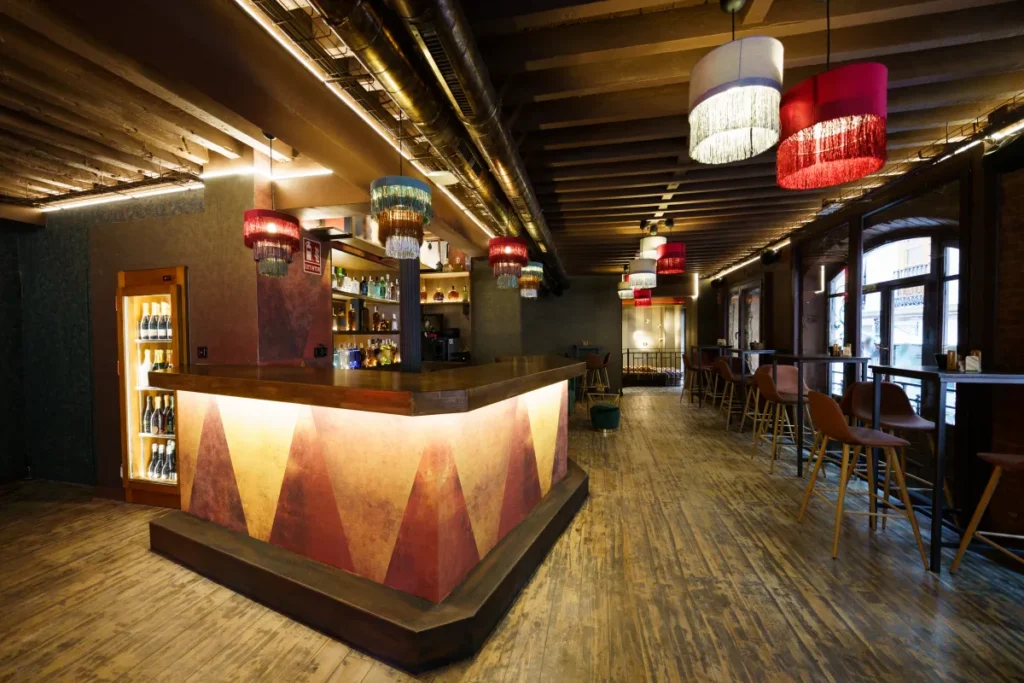
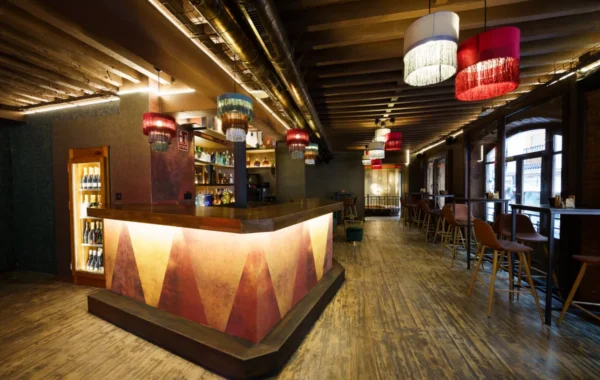
bar cafe build outs woman laughing next three friends bar

Site Walk, Scope Definition, And Pre-Construction For Grease Interceptor Sizing Installation

A productive site walk looks beyond the kitchen footprint. Meanwhile, The team should verify where the grease waste can route, how excavation affects adjacent tenants or building operations. And whether pump-out access will still work after the space opens.

Step-By-Step Service Overview

  1. Review the latest plans, equipment list, and operating hours to confirm sizing inputs.
  2. Walk the site to confirm tie-in points, available interceptor location(s), and restoration limits.
  3. Coordinate with the GC/design team on interceptor type, access covers, vents, and cleanouts.
  4. Issue a written estimate with clear inclusions/exclusions, assumptions, and an identified tie-in window.
  5. Support permit and submittal requirements as needed for the build-out package.
  6. Execute rough-in, schedule inspections, and complete the final tie-in and testing inside the approved downtime window.
  7. Deliver closeout documentation and a maintenance handoff checklist for turnover.

Cost And Timeline (Planning Range)

  • Indoor vs. Overall, exterior installation changes cost and duration because excavation and restoration requirements differ.
  • Unknown utility conflicts (depth, slope, or access) often drive redesign and change orders, so verify conditions early.
  • Permits and inspections can control the critical path; align milestones with the overall café build-out schedule.
  • After-hours tie-ins reduce operational impact but should be priced explicitly so teams can weigh options.

Key Decisions That Drive Schedule And Rework

Decision to lockWhy it mattersWhat to provide
Menu and equipment planDefines sizing assumptions and future capacity planningEquipment cut sheets and a fixture schedule
Interceptor locationControls trenching route, restoration scope, and pump-out accessFloor plan, site constraints, and landlord rules
Tie-in windowSets downtime, staffing needs, and restart criteriaOperating hours and acceptable shutdown duration
Inspection sequenceAffects backfill timing and final tie-in dateGC schedule with inspection milestones

For faster pricing, send the latest plan set, a simple equipment/fixture list, and your target opening date. In addition, That lets your contractor align grease interceptor sizing installation with plumbing rough-in and restoration instead of treating it as a last-minute add-on.

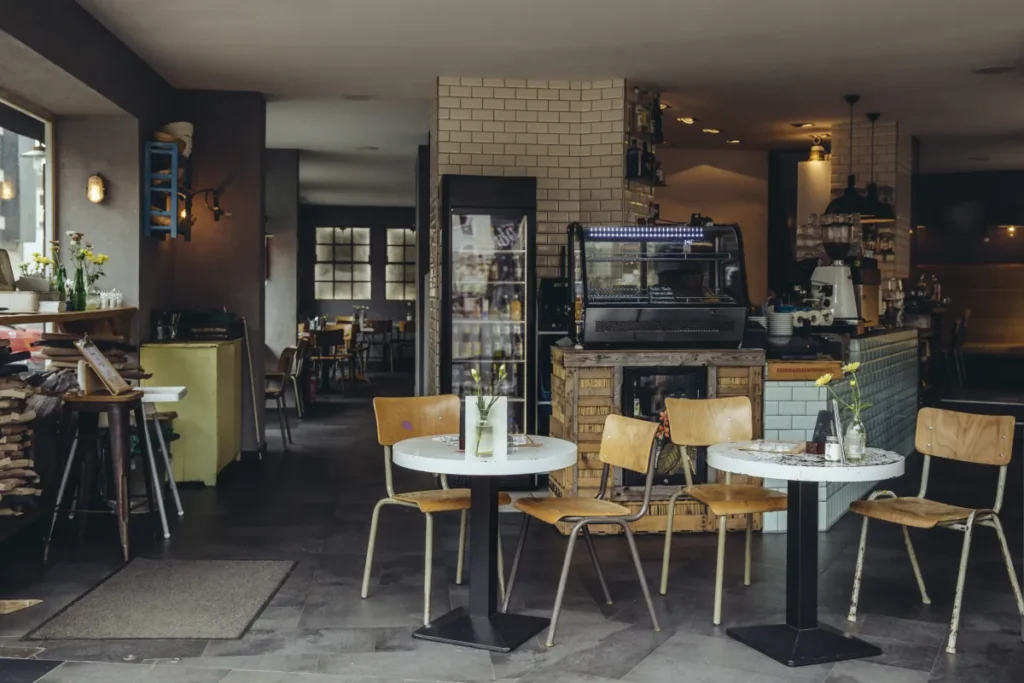
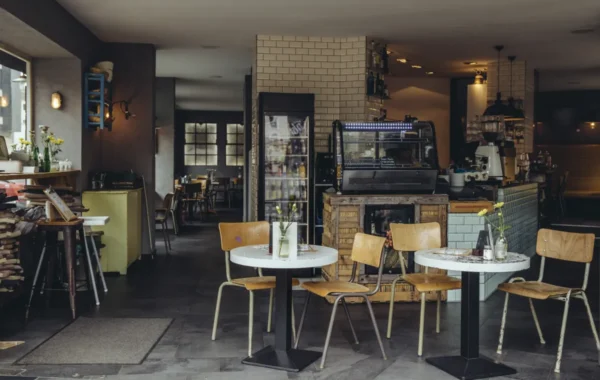
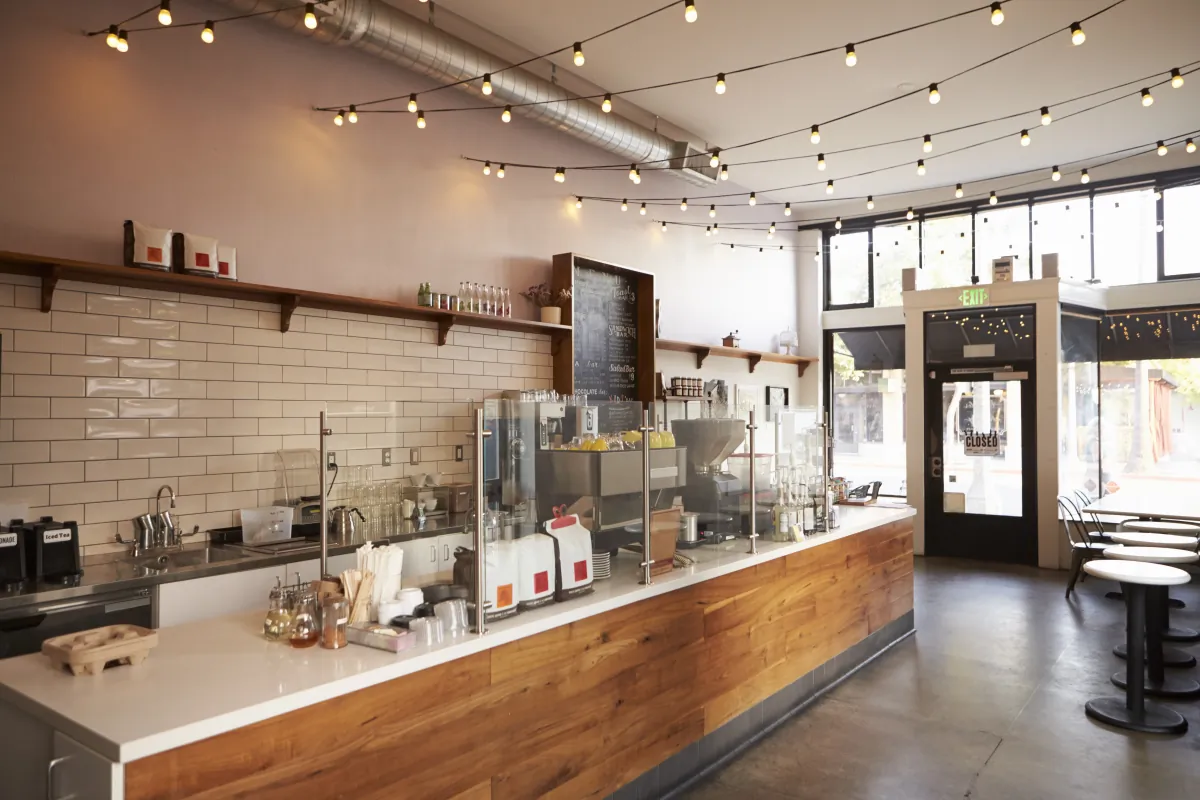
franchise build outs empty cafe bar interior daytime

Scheduling After Hours And Access Logistics

US Construction & Remodeling Corp. Additionally, supports Sacramento commercial teams with grease interceptor sizing installation by mapping the work to operating hours, phasing tie-ins to limit downtime, coordinating permit/inspection touchpoints. And delivering clean closeout documentation for turnover.

Request a written estimate: Share your plan set, kitchen equipment and fixture list, operating hours, and any landlord access rules. Also, Use the booking form at https://usconstructioncali.com/free-estimate/ or call +1 (916) 234-6696 to schedule a site walk.

Phasing Strategies That Minimize Downtime

  • Separate noisy/demo work from the final tie-in window so operations teams can plan around the true shutdown.
  • Pre-stage interceptor components, piping, and restoration materials before the downtime window starts.
  • Complete the tie-in, testing, and cleanup inside an agreed blackout period, then document restart criteria (what “back in service” means).
  • Maintain safe, clearly marked access paths for staff and inspectors while work is in progress.
  • When partial service must continue, coordinate temporary controls and housekeeping with the GC and site operations lead.

Hypothetical example:A café that serves morning traffic can keep front-of-house operations running while the team roughs in back-of-house during approved hours. For example, Then completes the tie-in and testing overnight to avoid a peak-hour shutdown.

Access Logistics To Settle Early

  • Pump-out access: confirm where a service truck can park, how hoses route, and who controls gates or loading areas.
  • Staging and debris routes: protect tenant corridors, elevators, and finished surfaces from demo and restoration traffic.
  • Noise and dust controls: define work-hour limits, containment, and cleaning expectations in writing.
  • Security and keys: coordinate access schedules, lockbox rules, and escort requirements for after-hours work.

Sacramento-Specific Permitting Coordination

In Sacramento, teams typically manage permit submittals, payments, and plan review status online through the City’s Accela Citizen Access system. As a result, Because inspections can govern backfill and tie-in timing. It helps to line up plumbing milestones early and keep field changes documented for the inspector and closeout file.

Documentation Facility Teams Should Expect

  • Written scope and assumptions used for sizing, plus a clear list of inclusions and exclusions
  • Product data and submittals for the interceptor and related components
  • Photo log of underground work before backfill and surface restoration
  • As-built markups showing final routing, cleanouts, and access cover locations
  • Maintenance handoff notes so the operations team can schedule service without guesswork

If you’re coordinating multiple trades, a short alignment call can reduce rework and avoid opening-day surprises. For example, Reach us at +1 (916) 234-6696.

Frequently Asked Questions

Clear sizing starts with operational inputs and a usable set of drawings.

  • Kitchen equipment plan and the plumbing fixture schedule (including grease-producing fixtures)
  • Menu/service model and any planned future expansion that could change peak flow
  • Existing utility info and available space for routing and interceptor placement
  • Operating hours and any blackout windows required for tie-ins
  • Who will perform routine maintenance and where service access will be kept clear

A good estimate reads like a checklist and identifies assumptions up front.

  • Site walk and coordination with the GC/design team on interceptor type and location
  • Installation labor, tie-in to the identified connection points, and testing/startup verification
  • Defined trenching and restoration scope (where sawcut, patching, and finishes are included)
  • Permit/inspection support as specified in the proposal (responsibility should be stated)
  • Closeout documentation: product data, photos, and as-built markups for facility records

Items like kitchen equipment purchase, major utility upgrades, and ongoing pumping fees should be listed separately if needed.

Most of the spread comes from site conditions and access, not the basic grease interceptor sizing installation effort.

  • Interceptor type and location (indoor vs. exterior in-ground)
  • Excavation, concrete sawcut, and restoration requirements
  • Utility conflicts and how far the grease line must run to the tie-in point
  • Access constraints (limited staging, restricted work hours, security requirements)
  • After-hours tie-ins to minimize downtime
  • Permit fees and inspection sequencing requirements

The on-site work can be scheduled tightly, but overall duration depends on permitting, inspections. And what the team finds when tying into existing utilities.

  • Plan review and permit processing time (varies by scope and submittal completeness)
  • Inspection hold points (for example, before backfill and at final tie-in)
  • Extent of trenching and restoration
  • Whether tie-ins must happen after hours to keep the café operating

During estimating, ask the contractor to identify inspection milestones and the proposed tie-in window so the GC can place it on the master schedule.

Many café build-outs involve plumbing permits when you add fixtures, modify waste piping, or do exterior connections. Responsibility varies by contract: often the GC pulls the building permit and coordinates trades. While the plumbing contractor provides required submittals and schedules plumbing inspections.

In Sacramento, project teams typically track permit status and payments online through Accela Citizen Access. Because inspection timing can control backfill and final tie-in work, confirm the inspection sequence early with the authority having jurisdiction and keep field changes documented.

We can help you plan a maintenance handoff (access locations, service expectations, and documentation) and coordinate service-ready installation details for turnover. If you want ongoing support, ask about options for periodic check-ins or on-call troubleshooting, based on your operating hours.

To book a site walk or request a written estimate, use https://usconstructioncali.com/free-estimate/ or call +1 (916) 234-6696.

Explore the full service overview

If you want the big-picture process, pricing factors, and what to expect, start here: Bar & Café Build-Outs.

Related articles

Leave a comment

This website uses cookies to improve your web experience.
Explore
Drag