Skip links

Gutters Vs DIY In Los Angeles

Gutters protect your roof edge and walls by moving rainwater away from the house. If your search for “gutters vs diy los” brought you here, you’re probably deciding between a weekend ladder job and a professional install in Los Angeles. This guide walks through the real tradeoffs: safety, scope, materials, and what a written estimate should include.

Quick checklist:

  • Decide the scope: cleaning, repair, guards, or full replacement.
  • Confirm gutter size/material and how many downspouts you need for runoff.
  • Plan downspout discharge and drainage so water moves away from walls, stairs, and the foundation.
  • Ask whether fascia/rot repair is included and how corners/seams will be sealed.
  • Compare 2–3 itemized quotes (linear feet, downspouts, guards, disposal, warranty).
  • Schedule around weather and run a hose test at the final walkthrough.

TL;DR: DIY works for cleaning and small sealing jobs on a safe, single-story roofline. When gutters sag, leak in several places, or require high ladder work, a pro install is usually safer and faster. Ask for a written estimate that lists materials, downspout locations, and cleanup.

  • Look for overflow stains or peeling paint under the eaves (the roof overhang).
  • Check for standing water in the gutter after rain—poor slope causes that.
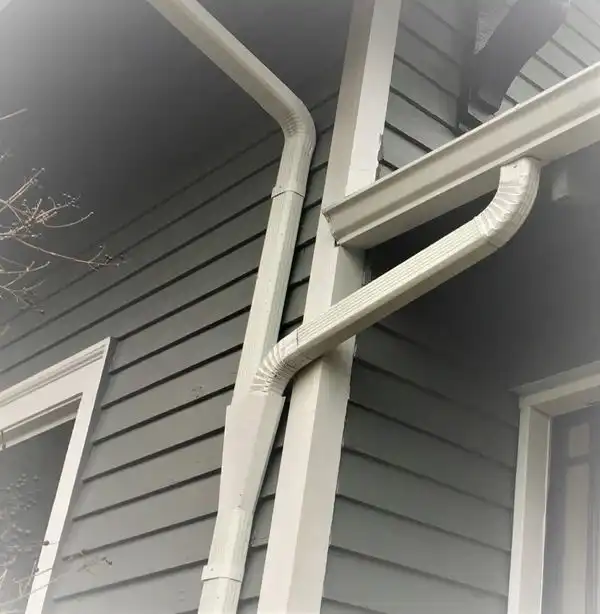
  • Count the downspouts (vertical pipes) and note where water exits.
  • Snap photos of corners, seams, and any sagging sections.
  • Note roof height and access (one story vs two+ stories).
  • Decide if you want gutter guards or seasonal cleaning.

Signs It’s Time For Gutters Vs DIY In Los Angeles

Decision Why it matters Quick check 
Gutter size (5-inch vs 6-inch) Capacity affects overflow risk during heavy rain. Ask the installer to size based on roof area and runoff. 
Downspout locations Where water lands affects erosion and slip hazards. Map discharge points and confirm extensions/splash blocks. 
Guards/screens Reduces clogs but still needs maintenance. Choose based on debris type and confirm cleaning access. 
Fascia condition Weak/rotted fascia causes sagging and leaks. Inspect before install; include repair allowance in scope. 

When gutters work, they move water away from your siding and foundation without spilling. For this reason, When they fail, you usually see it right away: overflow during rain, drips at joints, and dark streaks under the roof edge. For this reason, Even a short storm can expose weak spots fast.

Pinpoint the source before you replace anything. Also, A clogged downspout (the vertical pipe that carries water down) can cause overflow that looks like a “bad gutter.” A loose hanger can make a straight run sag and hold standing water.

DIY-Friendly Fixes (When It’s Safe)

  • Clear debris and flush the gutter with a hose to confirm the downspout is also open.
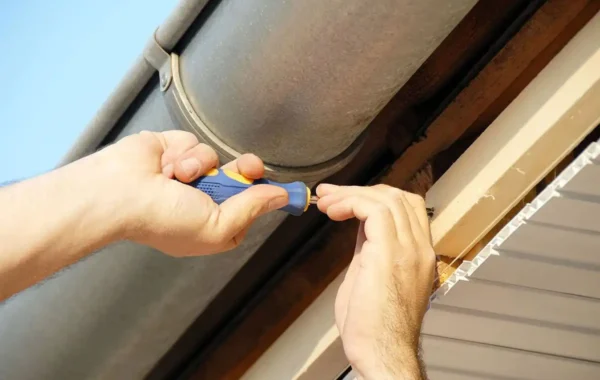
  • Tighten or replace a few hangers if the fascia (the board behind the gutter) is solid.
  • Reseal a single small joint leak with the right gutter sealant.
  • Add a downspout extension or splash block to push water farther from the home.
  • Repaint minor peeling once the leak source is fixed and the area dries out.

Signs You Should Bring In A Professional

  • The roof edge is two stories up, steep, or hard to access safely.
  • The gutter line is bowed or pulling away in several spots.
  • You see soft wood at the fascia or the gutter fasteners are loosening repeatedly.
  • Leaks show up along many seams, corners, or end caps—not just one spot.
  • You need to add downspouts or reroute discharge points to solve pooling.
  • You want seamless gutters (formed as one continuous piece) to reduce seams.

DIY Vs Pro Gutters In Los Angeles (Gutters Vs DIY Los): A Simple Decision Test

Use this quick test before you buy materials. Meanwhile, If you hit more than one “no,” a written estimate usually saves money and headaches.

  • Can you set a ladder on level ground and keep stable footing the whole time?
  • Can you reach the entire run without overextending or stepping onto the roof edge?
  • Is the job limited to cleaning, a single reseal, or one short replacement section?
  • Is the fascia solid, with no soft spots where the gutter attaches?
  • Do you know where every downspout will send water, away from walkways and the foundation?
  • Do you have a helper for ladder safety and long gutter sections?

If you want a second set of eyes before you commit, call +1 (916) 234-6696 and describe what you’re seeing.

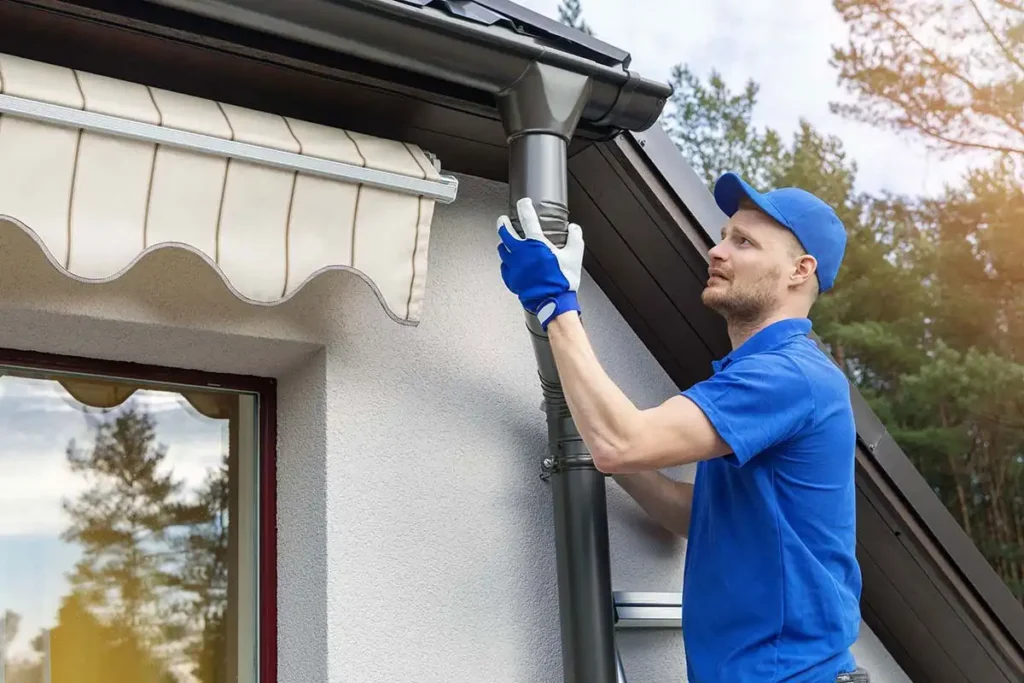
construction gutter

Common Upgrade Paths (What Changes Most)

Most homeowners end up in one of three upgrade paths: a basic clean-and-reseal, a partial replacement of damaged sections, or a full replacement with a cleaner layout and better materials. As a result, The right choice depends on the roofline, height, and how the home handles water when it rains.

Plan The Gutter “Layout” Before You Buy Materials

Gutters look simple, but layout matters. For example, You’re planning the runs (straight lengths), the corners, and the downspouts. Meanwhile, The goal is simple: move water to a safe discharge point without dumping it onto steps, patios, or along the foundation.

  • Sketch your roof edge and mark every corner and valley where water concentrates.
  • Choose downspout locations that have a clear path to drain away from the house.
  • Allow for proper pitch (a slight slope) so water flows to the outlets instead of pooling.
  • Decide where downspouts will terminate: extension, splash block, or connection to an approved drain.

What Changes Most

Material affects durability and maintenance. Overall, Profile affects how the gutter fits the home and how it handles volume.

  • Aluminum: Lightweight and common for seamless systems; resists rust.
  • Steel: Tougher, but it can rust if the finish is damaged.
  • Copper: Long-lasting and distinctive; higher upfront cost.
  • Vinyl: Budget-friendly for some situations; can warp or crack over time.

You’ll also hear about profiles such as K-style and half-round. In addition, A contractor can recommend a profile based on your roof edge and the look you want.

Tradeoffs In Plain Language

Guards reduce the amount of debris that gets into the gutter, but they don’t make the system maintenance-free. Additionally, Choose based on the debris you deal with and how often you want to get on a ladder.

  • Micro-mesh: Blocks small debris; needs occasional surface cleaning.
  • Screen: Affordable; can let small debris through.
  • Foam/brush: Simple, but it can hold dirt and needs replacement sooner.

Options For Tight Access And Small Yards

If your property has limited space to discharge water, downspout placement and extensions matter more than the gutter itself.

  • Use extra downspouts on long runs to reduce overflow and corner stress.
  • Route downspouts to areas where extensions won’t block gates or walkways.
  • Consider a compact splash block or hinged extension where space is tight.
  • If you’re connecting to drainage, confirm the method is allowed for your property and scope.

Budget Ranges And Timeline (Typical)

When homeowners compare options under “gutters vs diy los,” pricing is usually the toughest part to pin down without measurements. Also, Costs move based on roof height, linear footage, corners, and any fascia repair. Meanwhile, Use these as planning numbers, not a quote.

Budget Ranges & Timeline (Typical)

  • DIY clean + minor reseal: often $20–$150 in supplies; 2–4 hours.
  • DIY sectional replacement: often $400–$1,500 in materials; 1–2 weekends.
  • Seamless aluminum installed: often $1,800–$6,000+; usually completed in a day.
  • Add gutter guards: often $700–$2,500; commonly done with the install.

What Drives Cost The Most

  • Number of stories and how hard the roof edge is to access safely.
  • Total linear feet, number of corners, and how many downspouts you need.
  • Fascia condition and whether wood repair is necessary before hanging new gutters.
  • Material choice (aluminum vs steel vs copper) and guard type.
  • Downspout routing and discharge method (extensions vs drainage connection).
DecisionTime impactCost drivers to watch
Clean & resealSame dayClogs, one-off leaks, ladder safety
Replace a few sections1–2 weekends (DIY)Matching parts, corners, sealing seams
Full seamless replacementTypically 1 dayHeight, linear feet, corners, fascia repair
Add guardsUsually same dayDebris type, clean-out access, product fit

If you want numbers based on your roofline, request a written estimate and include photos of the problem areas.

Permits And Scheduling Notes

Many straightforward gutter replacements don’t require permits, but requirements can change when you repair structural wood, alter drainage paths, or tie into storm systems. Also, Verify expectations before work starts so you don’t have to redo it later.

In Los Angeles, LADBS offers online services for permits and plan review. Additionally, Some residential scopes may qualify for faster online options depending on the work.

  • Ask questions if your scope includes fascia replacement, rafter tail repairs, or changing where water discharges.
  • Plan for access: move vehicles, clear side yards, and keep pets indoors during install.
  • Avoid scheduling right before a rain forecast if you’re removing old gutters and repairing wood.
expert gutter installation process

Serving Los Angeles Homeowners

US Construction & Remodeling Corp. Also, helps Los Angeles homeowners compare DIY fixes with professional gutter installation so the scope stays clear and the water goes where it should. For this reason, If you’re weighing “gutters vs diy los,” we’ll lay out the safest options and the real cost drivers.

Request a written estimate and share a few details so we can price it accurately: photos of the roof edge, number of stories, where water currently discharges, and whether you want gutter guards.

Prefer to talk it through? Call +1 (916) 234-6696.

What A Los Angeles Gutter Visit Typically Covers

This is what we check on-site so there are no surprises after you approve the work.

  • Measure the roof edge and note corners, valleys, and long runs that collect more water.
  • Inspect the fascia for soft spots, peeling paint, or loose fasteners.
  • Confirm where each downspout will land and how water will be directed away from the house.
  • Review material options (such as seamless aluminum) and any guard add-ons.
  • Document the scope in writing, including haul-away of old materials.

Before/After (Hypothetical Example)

Before: A homeowner sees water spilling over the front edge during rain and notices a sag in the middle of the run. In addition, They clean the gutter, but overflow returns because the pitch is off and the downspout can’t keep up.

After: The run is replaced with a straight, properly pitched seamless gutter, the downspout location is adjusted to improve flow, and the discharge is extended away from the foundation. For this reason, The homeowner still checks it seasonally, but the overflow problem stops.

Resale And Long-Term Value

Gutters rarely “wow” a buyer, but they quietly protect high-cost parts of the home. For example, Clean lines, stable attachment, and proper discharge reduce the chance of rot at the roof edge and water staining on exterior finishes.

If you’re prioritizing return on investment, put money into the parts that prevent damage: solid fascia repair, correct slope, and downspouts that move water away from the home.

Maintenance Tips That Prevent Leaks

  • Clean gutters and check downspouts before the rainy season and again after heavy storms.
  • Look for standing water; it often signals a slope issue or a low spot.
  • Check seams, end caps, and corners for small drips and reseal early.
  • Confirm downspout extensions stay connected and still point away from the foundation.

Trust Checklist Before You Sign

  • Confirm the contractor is properly licensed and insured for this kind of work.
  • Get a written scope that lists material, profile, color, downspout count, and disposal.
  • Clarify who handles any permit steps if your scope requires them.
  • Ask how the installer verifies slope and tests water flow before leaving.
  • Keep all warranty terms in writing and tied to the materials and workmanship scope.

Helpful Links

Frequently Asked Questions

Often, replacing gutters like-for-like is treated as a minor repair. If your scope includes structural wood repair, changing where water discharges, or tying into storm drainage, check with the Los Angeles Department of Building and Safety before work starts.

  • Get clarity early so the scope stays clean.
  • Put permit responsibility in writing in the contract.

After an on-site measurement, many full replacements can be installed in a day. Fascia repairs, complex corners, and scheduling constraints can add time. DIY projects often stretch into one or two weekends because of extra store runs and leak troubleshooting.

Height and complexity usually drive price more than the gutter itself. Watch these items:

  • Number of stories and access challenges
  • Total linear feet and number of corners
  • Downspout count and discharge routing
  • Fascia condition and any needed repairs
  • Material choice and whether you add gutter guards

Seamless gutters reduce the number of seams, which are common leak points. A crew typically forms them to length and installs them in one continuous run. Sectional gutters can work for small repairs or short runs, but you’ll spend more time sealing joints and maintaining those seams.

No—guards usually reduce how much debris gets inside, but they still need maintenance. Micro-mesh can block fine debris, while basic screens may let smaller material through. Pick a guard based on the debris you deal with and make sure you can access it for occasional clean-out.

A solid estimate makes it easy to compare DIY costs to a professional install. Look for:

  • Gutter material and profile, plus color/finish
  • Linear footage, corners, and downspout count
  • Any gutter guard option (or a note that it’s excluded)
  • Fascia repair approach (if needed) and how changes are approved
  • Haul-away/disposal and jobsite cleanup
  • Timeline and any permit-related responsibilities (if applicable)

Licensed, insured & trusted local contractor

US Construction & Remodeling Corp.
9821 Business Park Dr, Sacramento, CA, 95827
Phone: +1 (916) 234-6696

CSLB License #: 1117562 Fully licensed and insured.

View our Google Business Profile

Leave a comment

This website uses cookies to improve your web experience.
Explore
Drag