
Hardie Plank Siding Cost in California: Ranges + Timeline
Planning an exterior upgrade in California often comes down to one question: what will the siding really cost? This guide explains hardie plank siding cost with realistic ranges, the choices that move bids the fastest, and a timeline you can plan around.
You’ll also see what tends to be included (and what’s often missing), so you can compare quotes on equal footing.
TL;DR: Most projects land in the middle once you include removal, wall prep, trim, and a finish that matches the home. Confirm wall square footage, access (one-story vs two-story), and repair needs to tighten the range.
Quick Checklist Before You Request Quotes:
- Estimate your exterior wall area (or bring plans).
- Decide: prefinished boards or primed boards with field paint.
- Count windows and doors that need new trim.
- Note access constraints (tight side yard, steep grade, two-story).
- Ask if the quote includes removal, disposal, and basic wall repairs.
- Confirm how water-management details are handled around openings and penetrations.
Hardie Plank Siding Cost Questions Homeowners Ask Most
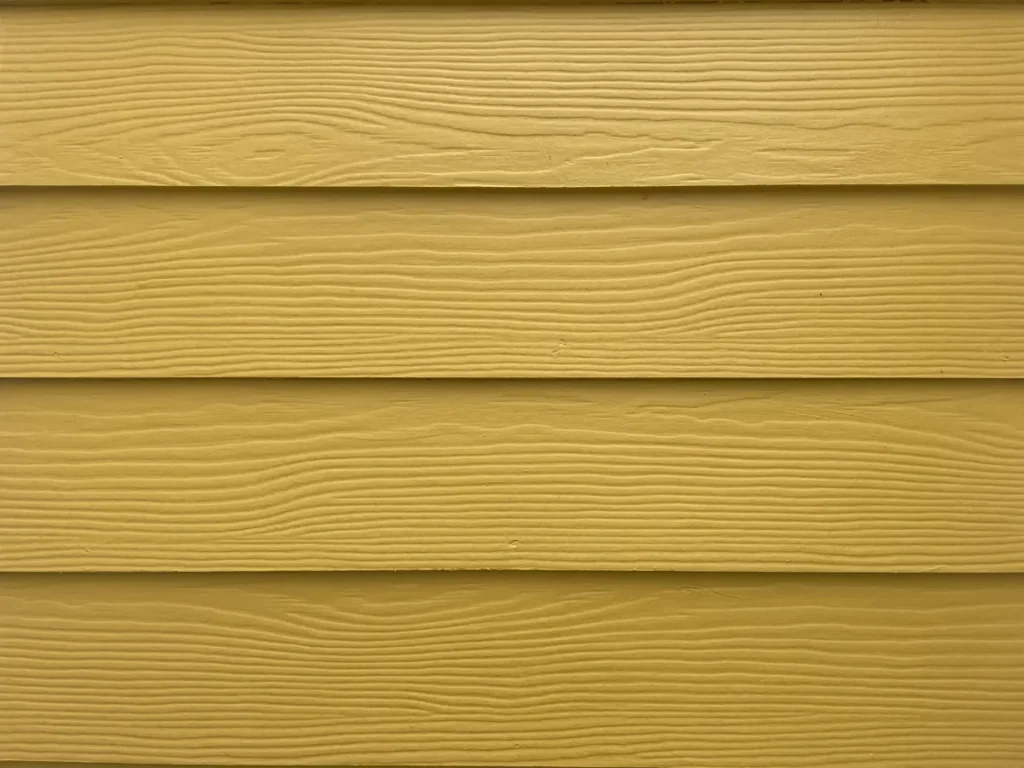
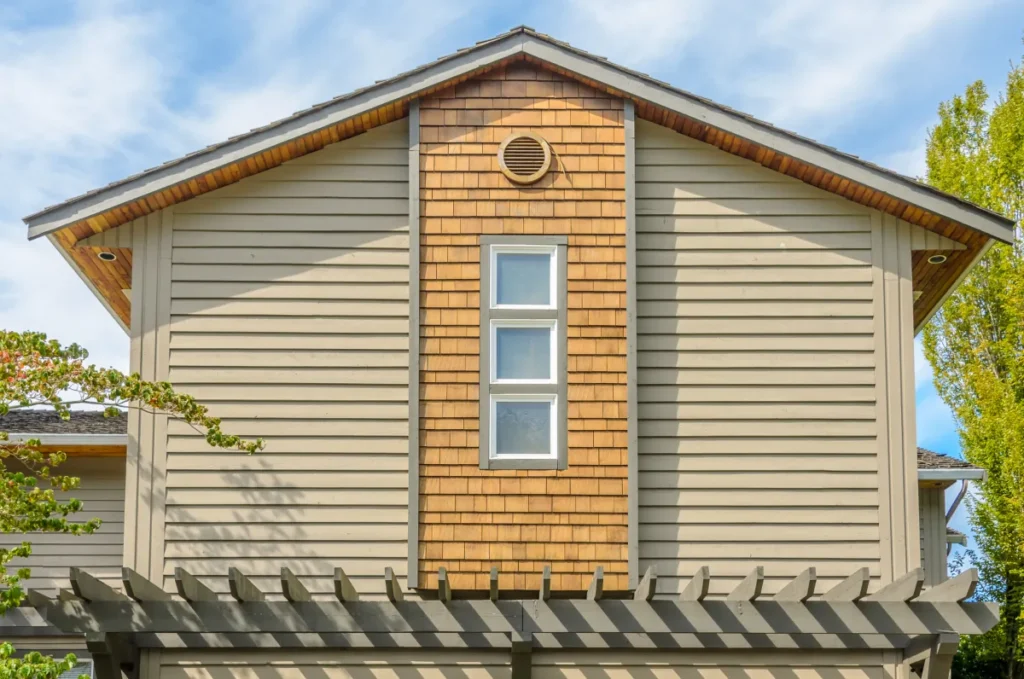
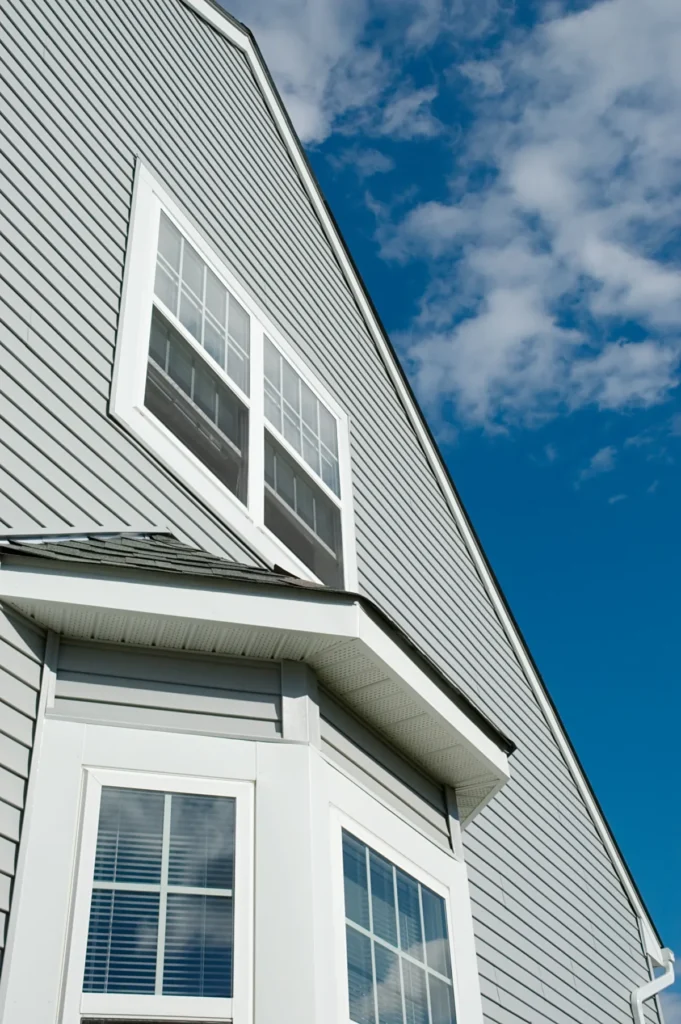
Fiber cement lap siding (often called Hardie Plank) is a common choice because it resists rot and insects and holds paint well. As a result, The price range feels wide because “new siding” can mean anything from a partial repair to a full tear-off with new trim, moisture protection, and a finished paint system.
Quick Answers (California Planning Ranges)
- Installed cost per square foot: Many California projects fall in a broad $12–$22+ per sq ft range for standard lap siding work. Additionally, Two-story access, heavy repairs, and upgraded finishes push higher.
- Does the price include removing old siding? Not always. In addition, Tear-off and disposal can be a major line item, especially with multiple layers or brittle materials.
- Prefinished vs primed: Prefinished boards cost more up front, but they can reduce on-site painting time. For this reason, Primed boards usually need full paint coverage after installation.
- What about trim? Meanwhile, Corner boards, window/door trim, fascia, and soffit details can swing the budget fast because they add labor and material.
If you’re estimating hardie plank siding cost for a full replacement, ask every contractor to spell out what’s included. Overall, That’s how you avoid comparing a “materials-only” number to a true start-to-finish scope.
Who This Upgrade Is A Good Fit For
- Homes with peeling exterior paint that need a durable, also paintable surface.
- Owners who want a clean, consistent look with updated trim lines.
- Projects where you also plan to address moisture issues or localized wood rot.
Common Planning Mistakes That Inflate Costs
Most surprise costs come from missing scope details. Also, A short prep list keeps bids tighter and reduces mid-project changes.
- Comparing quotes that don’t match on removal, disposal, trim, and painting.
- Skipping a wall condition check (soft sheathing, rot at corners, or hidden termite damage).
- Waiting to choose the finish level (prefinished vs painted), which affects both price and lead time.
- Underestimating access needs like staging, ladders, or scaffolding on two-story walls.
- Not planning for older paint. For example, If your home predates 1978, ask how the crew controls dust and debris.
What Affects Price The Most (Fastest)
Two homes can look similar from the street and still price very differently. Additionally, The biggest cost movers are the ones that change labor hours or reveal repair work after removal.
The Biggest Cost Drivers To Confirm Early
- Total wall area: More wall area increases materials and labor, although heavy trim can matter as much as size.
- Stories and access: Two-story work usually needs more setup time and safety measures.
- Tear-off scope: Removing old siding, nails, and debris adds time and disposal fees.
- Wall prep and repairs:Sheathing is the flat layer under siding. In addition, If it’s damaged, repairs add cost but protect the installation.
- Weather-resistive barrier (WRB): This is the “house wrap” layer that helps manage water behind siding. Additionally, Upgrading it adds labor but can be worth it.
- Finish choice: Field painting adds days. Meanwhile, Prefinished boards can shorten on-site time but may cost more in materials.
| Driver | How it changes cost | How it changes timeline | What to decide/verify |
|---|---|---|---|
| Wall area + layout | More materials and labor | Longer install window | Get measurements or plans |
| Access (one vs two story) | More setup and safety time | More days on site | Note steep grades and tight sides |
| Removal + disposal | Adds labor and dump fees | Often adds 1–3 days | Confirm layers and material type |
| Wall repairs | Can be minor or significant | Repairs can pause installation | Ask how rot is handled if found |
| Trim/detail work | More cuts and labor hours | Adds finishing days | Count windows, corners, bands |
| Finish (paint/prefinish) | Shifts costs between labor/material | Paint adds dry time | Choose color/finish up front |
Lock these drivers early and you’ll get a tighter range, a clearer start date, and fewer surprises once work begins.
Budget Examples (Small / Mid / Full Scope)
These ranges are hypothetical examples meant to help you plan. Overall, If you’re trying to pin down hardie plank siding cost for your house, use the examples to compare scope and ask better questions. A site visit is the only way to price repairs and details accurately.
Small Scope (One Wall Or Partial Replacement)
Use this planning range when you’re fixing damage on a single elevation, replacing a few panels, or updating a small addition.
- Typical budget: $6,000–$15,000
- Usually includes: limited removal, basic prep, new lap siding on the targeted area, and simple trim tie-ins
- Common add-ons: matching paint, localized sheathing repair, upgraded corner boards
Mid Scope (Most Full Re-Sides)
This is the most common situation: full replacement on a standard single-family home with moderate trim and straightforward access.
- Typical budget: $18,000–$45,000
- Usually includes: removal and disposal, WRB (house wrap) updates as needed, new trim package, and a consistent finish
- Common add-ons: rot repair around windows, fascia/soffit updates, gutter adjustments
Full Scope (Large Home, Heavy Trim, Or Significant Repairs)
Choose this planning range when the home is larger, has complex architecture, or needs meaningful wall repair before new siding goes up.
- Typical budget: $45,000–$95,000+
- Usually includes: extensive tear-off, larger repair budget, upgraded trim/band boards, and more labor for staging and access
- Common add-ons: window replacements, structural repairs, specialty finishes
Typical Line Items
The cleanest way to compare quotes is to compare the same buckets. In addition, Ask every bidder to show these line items, even if they group some costs together.
| Line item | Typical range (planning) | Notes |
|---|---|---|
| Materials | $4–$9 per sq ft | Siding, trim, fasteners, sealants, WRB |
| Labor | $6–$13 per sq ft | Removal, prep, installation, trim work |
| Disposal + protection | $500–$3,000+ | Hauling, dump fees, protecting landscaping and walkways |
| Painting (if field-finished) | $2–$6 per sq ft | Surface prep, coats, and dry time |
| Permits/inspections (if needed) | $200–$2,000+ | Varies by jurisdiction and scope |
| Contingency for hidden repairs | 5–15% of budget | Rot, sheathing replacement, framing fixes |
- Cost breakdown tip: If one quote looks dramatically lower, check whether it excludes removal, painting, or repair planning.
- Finish tip: Prefinished boards push cost toward materials. Meanwhile, Primed boards often push cost toward labor for painting.
How Long It Takes (Typical)
Most siding projects move in two phases: planning (scope, selections, and any permits) and on-site work (removal, prep, installation, and finish). For this reason, Material availability and repair findings are the usual schedule swing points.
Timeline Snapshot (From Quote To Finish)
- Measurements + photos: 30–90 minutes on site
- Proposal and scope alignment: 2–7 days
- Ordering materials: 1–3+ weeks (longer for special colors/trim)
- Permitting (when required): 1–6+ weeks depending on jurisdiction
- Removal + wall prep: 1–4 days
- Siding installation + trim: 3–10 days
- Field paint (if needed): 2–6 days including dry time
- Final walkthrough and closeout: 1 day
Permit And Inspection Notes (California)
Permit rules vary by city and county. In addition, Some like-for-like siding replacements may not need a permit, while projects that change wall structure, add insulation, replace windows, or involve major repairs often do.
- Ask who will verify the permit requirement for your address.
- If inspections apply, plan for at least one check before the new siding is fully closed up.
- For homes built before 1978, plan for lead-safe practices when disturbing painted surfaces.
Even when a permit is not required, the install details still matter. For this reason, Solid wall prep and water-management steps protect the home and help the siding perform as designed.

Book A Real Estimate
Online pricing can’t see your wall condition, access limits, or trim complexity. As a result, A real estimate starts with measurements, photos, and a short on-site review so the scope matches your home.
Schedule your free estimate online to get a written range based on your exterior, your finish choice, and any repair needs. If you’d rather talk it through first, call +1 (916) 234-6696.
Resale Value And ROI Notes
New siding can boost curb appeal and reduce maintenance, but the return depends on the market and the quality of the install. Prioritize choices that protect the building and look consistent over time.
- Fix moisture entry points and damaged sheathing before new boards go up.
- Keep trim proportions consistent, especially around windows and corners.
- Choose a finish that fits the neighborhood and won’t fade unevenly.
- Document any permits and inspections when they apply.
What To Have Ready For A Faster Quote
- Photos of each side of the house, plus close-ups of any damage.
- Approximate wall area or a floor plan if you have it.
- Your preference on prefinished vs field-painted boards.
- Any related exterior work you want priced together (trim, fascia, gutters).
US Construction & Remodeling Corp. is based in Sacramento and serves homeowners in California service areas. You can learn more on our website.
Phone: +1 (916) 234-6696
Helpful Links
Frequently Asked Questions
Most contractors price siding by the square foot of exterior wall area (not floor area). For many California homes, installed ranges often land around $12–$22+ per sq ft for standard lap siding work, with higher costs for two-story access, complex trim, and repairs found after tear-off.
- Higher end: heavy trim, lots of corners, tight access, or significant wall repair
- Lower end: simpler elevations, good wall condition, and straightforward access
Often, yes. Fiber cement typically costs more to install because it’s heavier, needs more cutting and detail work, and demands careful prep. In return, many homeowners choose it for durability, paint performance, and a more solid feel.
The right choice depends on budget, the look you want, and how much maintenance you’re willing to do over time.
Both can be good choices. Prefinished boards usually cost more up front, but they can reduce on-site painting time and keep the finish consistent. Primed boards can cost less in materials, yet you’ll typically pay more for paint labor after installation.
- Prefinished: faster on-site finish work, color options may affect lead time
- Primed + paint: flexible color matching, more on-site days for paint and dry time
Not always, but many full replacements include tear-off. Removal lets the crew inspect sheathing, fix rot, and update the WRB (house wrap) correctly. In some situations, a contractor may propose installing over existing material, but that can complicate trim details and hide problems.
Ask what the plan is for wall inspection and moisture protection either way.
It depends on your city or county and what the project includes. Some like-for-like replacements may not need a permit, while projects with structural repairs, window changes, or other upgrades often do.
Ask your contractor to confirm requirements for your specific address and to explain any inspection steps if a permit applies.
Compare scope, not just price. Two bids can look similar while covering very different work.
- Confirm the same wall area measurement and material type
- Match trim scope (corners, windows/doors, fascia/soffit)
- Verify removal and disposal are included (or clearly excluded)
- Ask how wall repairs are handled if rot is discovered
- Confirm the finish level (prefinished vs painted) and what paint steps are included
If you want a written estimate tied to your home, you can schedule online or call +1 (916) 234-6696.
Licensed, insured & trusted local contractor
US Construction & Remodeling Corp.
9821 Business Park Dr, Sacramento, CA, 95827
Phone: +1 (916) 234-6696
CSLB License #: 1117562 Fully licensed and insured.