Skip links

How Much Is a New Roof in California? Cost and Timeline Guide

If you’re searching for is new roof pricing in California, you want a budget range that reflects how roofs are actually built and bid. This guide gives practical cost ranges, what pushes the price up or down, and how long a replacement usually takes.

Quick checklist:

  • List the biggest cost drivers (roof size/pitch, material, tear-off, decking repair, and flashing/vents).
  • Pick a material system and verify underlayment, flashing, and ventilation details.
  • Clarify tear-off vs overlay and what happens if decking damage is found.
  • Compare 2–3 itemized bids (materials, disposal, permits, warranty).
  • Schedule around weather and confirm daily cleanup and protection.
  • Do a final walkthrough: flashing, vents, and warranty documentation.

TL;DR: In Sacramento, many full roof replacements land in the five-figure range, with the biggest swings coming from material choice and how much tear-off or wood repair you need. Most installs take a few working days, although permitting and inspections can extend the calendar. Call +1 (916) 234-6696 to request a written estimate, and use this checklist to get faster, cleaner quotes:

  • Roof type now (shingle, tile, metal) and what you want next
  • Approximate roof age and any known leak areas
  • Clear photos of each roof slope plus closeups of penetrations
  • Notes on access (gates, steep driveway, tight side yards)
  • Count skylights, chimneys, solar, and roof vents
  • Any HOA requirements and your timing goal

Typical Ranges In Sacramento For Is New Roof

Homeowners asking “How much is a new roof?” usually need a planning number before they pick materials. For example, In Sacramento, many full replacements fall roughly between $12,000 and $30,000, while premium materials or complicated rooflines can push higher. Additionally, If you searched is new roof because a leak forced the issue, start with these ranges and then narrow the number with an on-site inspection.

Use Sacramento as a baseline even if you’re elsewhere in California. Also, Labor, disposal, and permit fees vary by jurisdiction, but the same drivers show up on every quote: roof size, pitch, layers, and wood condition.

Typical Installed Ranges (Planning Only)

  • Asphalt shingle re-roof: often $12,000–$22,000 for many single-family homes
  • Tile roof replacement: often $20,000–$45,000+ depending on underlayment and repairs
  • Standing seam metal: often $25,000–$55,000+ for premium systems and detailing

Small, simple roofs can land below these ranges. Overall, Steep roofs, multi-story access, multiple existing layers, and extensive flashing work can land above them.

Hypothetical example: A straightforward shingle roof with one existing layer and clean access may price far differently than a roof with two layers, skylights, and soft decking. As a result, The second scenario often costs more because the crew has more tear-off, more disposal weight, and more repair time.

Cost Table You Can Use To Sanity-Check Quotes

Line itemTypical rangeWhat moves it
Labor (tear-off and install)$4,500–$12,000Pitch, complexity, access, layers
Materials$5,000–$18,000System choice, underlayment, flashing
Permits and inspections$200–$1,200Jurisdiction and scope
Disposal and dump fees$400–$1,500Extra layers, heavier materials
Wood repairs (decking)$0–$6,000Only known after tear-off
Contingency reserve$800–$3,000Helps cover surprises without stopping

Use the table as a quick “does this make sense?” check. For this reason, A professional estimate may package items differently, but you should still be able to see where the money goes.

Repair Vs. Replacement: A Quick Gut-Check

  • Choose repair when damage is also isolated and the roof has plenty of remaining life
  • Lean toward replacement when leaks repeat, shingles fail across multiple slopes, or layers stack up
  • Plan on replacement when decking feels soft, edges sag, or flashing details fail in several areas

Labor, Materials, And Scope

Roofing costs are not just “shingles and nails.” Crews protect landscaping, remove old layers, dry-in the deck, install waterproofing, and detail every edge and penetration. Meanwhile, Those details take time, so quotes can vary even when two contractors propose the same roof covering.

Where The Money Usually Goes

  • Removal and disposal: tear-off, hauling, and debris handling
  • Decking and prep: replacing damaged sheathing and correcting weak areas
  • Waterproofing: underlayment plus targeted membranes in valleys and penetrations
  • Roof system install: starter courses, field install, ridge caps, and fasteners
  • Flashing work: pipe boots, chimney and skylight transitions, wall intersections
  • Ventilation adjustments: changes needed to meet manufacturer requirements

Ask how each bidder handles unexpected wood replacement. Additionally, You won’t know the full deck condition until tear-off, so clear unit pricing (or a clear method) keeps the budget from drifting.

Financing Options Homeowners Use

Sometimes a roof replacement is planned, and sometimes it becomes urgent. In addition, These are common ways homeowners pay for roofing work in California:

  • Cash or savings for smaller roofs or planned replacements
  • Home equity line or loan (HELOC) when you want longer terms
  • Personal loan through a bank or credit union
  • Insurance claim when damage qualifies under your policy
  • Credit card for a deposit or small add-ons (watch the rate)

Terms and eligibility vary, so compare the monthly payment to the total cost over time. Overall, If a storm, falling branch, or other event triggered the work, document the condition with photos and check your policy’s coverage rules.

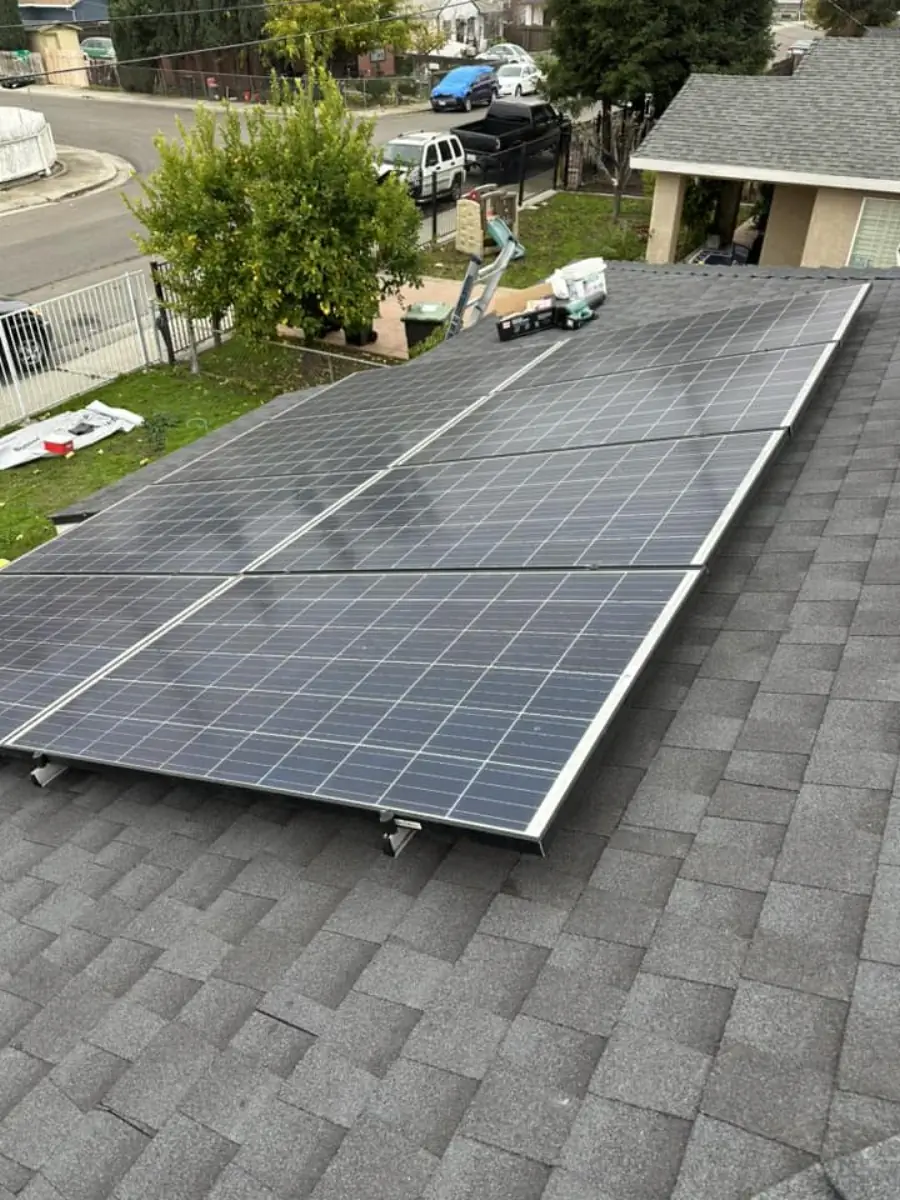
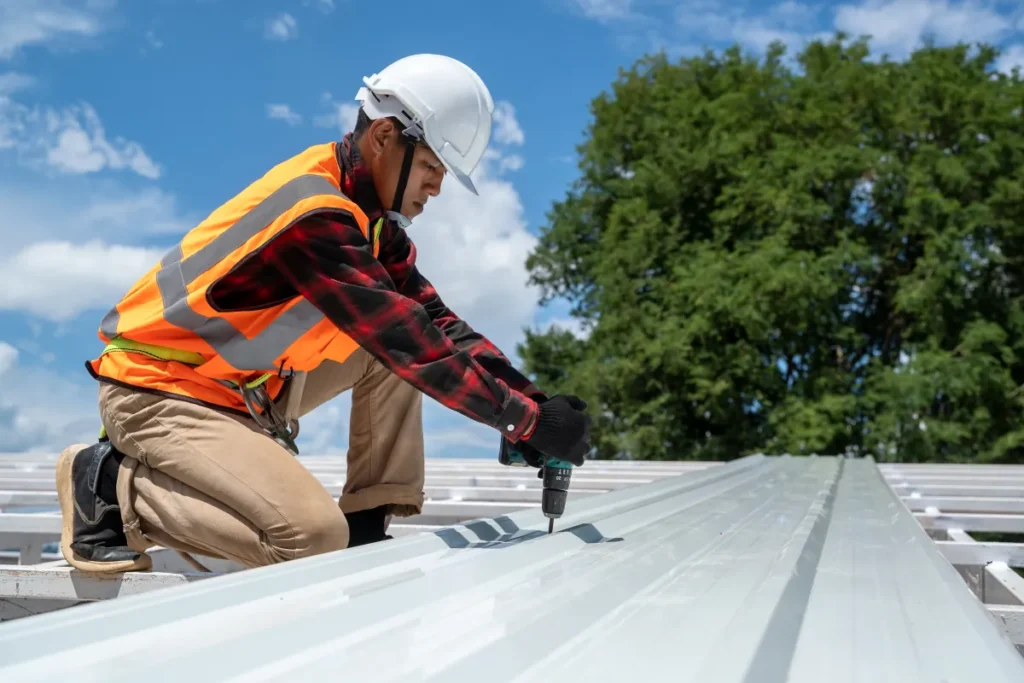
residential roof replacement project

What Drives The Price Up Or Down

When homeowners type is new roof into a search bar, they often expect a single “average” price. Also, In reality, two roofs can look similar from the street and still price differently once you account for layers, complexity, and what you uncover after tear-off.

Biggest Cost Drivers

  • Roof size and pitch: steep or tall roofs need more labor and safety setup
  • Number of layers: more tear-off and heavier disposal increases cost
  • Roof geometry: valleys, dormers, and lots of edges mean more cuts and flashing
  • Deck and fascia condition: damaged sheathing or weak edges add carpentry work
  • Penetrations: skylights, chimneys, and solar mounts increase detailing time
  • Ventilation needs: adding ridge or attic vents can improve performance but adds work
  • Material upgrades: premium underlayments and metal flashings raise materials cost

Quick Decision Table (Cost And Timeline)

DecisionCost impactTimeline impact
Tear-off vs. overlayTear-off costs more but reveals deck issues earlyOften adds about a day on site
Basic vs. upgraded underlaymentUpgrades add materials costUsually minimal change
Complex roof geometryMore labor and flashing detailCan add 1–2 working days
Decking repairs found at tear-offCan add significant carpentry costCan add hours to a couple of days
Permit and inspection timingFees vary by jurisdictionCan add days to weeks on the calendar

Good contractors explain these tradeoffs before work starts. Meanwhile, If a bidder can’t tell you what changes the price, the “cheap” quote may not stay cheap.

Common Mistakes That Inflate Roof Costs

  • Comparing bids that don’t match materials, tear-off assumptions, and flashing details
  • Skipping ventilation review, then paying later to correct moisture and heat issues
  • Waiting until small leaks become interior repairs in insulation and drywall
  • Not planning access for material delivery and debris hauling
  • Accepting vague wording instead of insisting on clear, written line items
  • Ignoring HOA requirements until after materials are ordered

Timeline, Permits, And Scheduling Notes

A roof install often takes a few working days, yet the full calendar is usually longer. Additionally, Material availability, permitting, weather, and inspection scheduling can stretch the timeline, especially when you choose specialty products.

Typical Project Timeline

  1. Site visit and estimate: 1–3 days (plus scheduling)
  2. Material selection and ordering: 2–10+ days depending on product
  3. Permitting (when required): days to weeks depending on jurisdiction
  4. Tear-off and dry-in: often 1 day for many homes
  5. Install and detailing: often 1–3 days; complex roofs take longer
  6. Inspection and punch list: 1–7 days depending on availability

Permit And Inspection Basics

Many California jurisdictions require a permit for a re-roof, even when you replace “like for like.” If the job includes sheathing replacement, structural repairs, or a material change, permitting becomes even more likely. As a result, Inspections typically confirm key installation steps, although each city or county sets its own requirements.

In Sacramento, many homeowners submit applications and track status through the City’s online permitting portal. As a result, That can make it easier to follow plan review and inspection scheduling without back-and-forth calls.

Scheduling Notes That Affect Start Dates

  • Weather windows and heat that can limit safe work hours
  • Lead times for tile profiles, specialty colors, or custom metal trim
  • HOA approvals when they apply before delivery
  • Solar panel removal and re-install coordination, if needed

Ask for an estimated start window and how long the crew expects to be on site. In addition, A clear schedule reduces disruption and helps you plan parking, pets, and work-from-home days.

vertical siding side view vintage wooden gable roof batten

How To Get An Accurate Quote

The fastest way to get a reliable number is to share the right details and insist on a written estimate. Additionally, If you searched is new roof and you’re comparing contractors, that written document is what keeps every bid comparable.

Info To Prepare Before Requesting An Estimate

  • Your address and any access constraints (gates, steep driveways, tight side yards)
  • Roof material now and what you prefer next (or ask for best-value options)
  • Known leak locations and any past repair history
  • Photos of the roof and closeups of valleys, skylights, chimneys, and vents
  • Plans for add-ons like new vents, skylights, gutter work, or solar removal/reset
  • Your timing goal and any HOA deadlines

What To Look For In A Written Roofing Quote

  • Exact material specs (roofing, underlayment, flashing metals, ventilation parts)
  • Tear-off plan and how many existing layers are included
  • How unexpected wood replacement will be priced and approved
  • Protection plan for landscaping, windows, and driveway areas
  • Debris handling details and the final cleanup approach
  • Warranty terms and what conditions could affect coverage

US Construction & Remodeling Corp. Meanwhile, is based in Sacramento and serves homeowners across California markets. For this reason, Call +1 (916) 234-6696 to schedule an evaluation and get a written estimate you can review line by line. You can also verify any contractor’s license status through the California CSLB.

When “Is New Roof” Is Your Search: Questions To Ask

Use these questions to keep every bidder aligned and protect your budget:

  • How many layers are included in the tear-off price?
  • Which underlayment and flashing materials are specified?
  • How will you price wood replacement if you find damaged decking?
  • What ventilation changes do you recommend, and why?
  • Will the bid include permit coordination when a permit is necessary?

Helpful Links

Frequently Asked Questions

California roof replacement pricing spans a wide range because every roof has different size, access, layers, and repair needs. As a planning starting point, many homeowners see full replacements land from the low five figures into $50,000+ for premium materials or complex roofs. Use Sacramento ranges as a baseline, then adjust for your local permit fees and labor market. If you searched is new roof because time is tight, ask for a written estimate that spells out materials, tear-off assumptions, and how wood replacement will be priced.

Overlaying (installing over an existing layer) can reduce tear-off and disposal costs. That said, it limits your ability to inspect the decking, and some roofs or local rules won’t allow it. A full tear-off costs more upfront, but it lets the crew repair damaged decking and start with a clean system. The right answer depends on your existing layers, roof condition, and local requirements.

Many California cities and counties require a permit for a re-roof. Requirements often change based on whether you replace sheathing, modify ventilation, or switch materials. A permit can also come with inspections, so factor that time into your schedule. When you request an estimate, ask the contractor to confirm the permit path for your exact address.

For many homes, the on-roof work takes 1–3 days once the crew starts. The full calendar can run longer because you may need time for material ordering, permitting, and inspections. Complex rooflines, tile work, or significant deck repairs can add days on site. Ask for a start window and a day-by-day plan so you can plan around deliveries and parking.

A strong estimate should list the exact materials (including underlayment and flashing), the tear-off plan (and how many layers), ventilation changes, and the plan for unexpected wood replacement. It should also clarify debris handling, property protection, and warranty terms. If two quotes look far apart, the details in writing usually explain why.

Insurance typically covers sudden damage from a covered event, not normal wear and aging. If you suspect storm or tree damage, take photos, prevent further water intrusion, and contact your carrier to understand your policy. Even when insurance applies, you still need a contractor estimate and clear written details so the claim stays aligned with the actual work.

Licensed, insured & trusted local contractor

US Construction & Remodeling Corp.
9821 Business Park Dr, Sacramento, CA, 95827
Phone: +1 (916) 234-6696

CSLB License #: 1117562 Fully licensed and insured.

View our Google Business Profile

Related service

Looking for a step-by-step overview before you choose materials? Read Roofing Remodeling (Landing Page).

Leave a comment

This website uses cookies to improve your web experience.
Explore
Drag