Skip links

Installing New Gutters: Sacramento Homeowner Guide

Rainwater should move off your roof, into gutters, and away from your foundation. If you’re considering installing new gutters, the goal is control—direct runoff where you want it and keep it off fascia, walkways, and landscaping.

Quick checklist:

  • Decide the scope: cleaning, repair, guards, or full replacement.
  • Confirm gutter size/material and how many downspouts you need for runoff.
  • Plan downspout discharge and drainage so water moves away from walls, stairs, and the foundation.
  • Ask whether fascia/rot repair is included and how corners/seams will be sealed.
  • Compare 2–3 itemized quotes (linear feet, downspouts, guards, disposal, warranty).
  • Schedule around weather and run a hose test at the final walkthrough.

This guide covers the upgrade options that matter most, the questions a homeowner should ask before signing a quote, and the real-world scheduling considerations you’ll see across California. You’ll also find a Sacramento section with permit-portal notes and a practical install checklist.

TL;DR: A reliable gutter system depends on good measurements, solid hangers, sealed corners, and a thoughtful downspout discharge plan. Match gutter size and guard type to your roof and nearby trees, and try to schedule before heavy rain weeks.

  • Identify overflow spots and where water pools at grade
  • Decide whether you need larger gutters or more downspouts
  • Pick seamless vs. sectional and whether guards are worth it
  • Confirm where every downspout will discharge (extensions, blocks, or drains)
  • Ask how fascia will be inspected and how corners will be sealed
  • Get a written scope with a schedule window and cleanup plan

Signs It’s Time For Installing New Gutters

DecisionWhy it mattersQuick check
Gutter size (5-inch vs 6-inch)Capacity affects overflow risk during heavy rain.Ask the installer to size based on roof area and runoff.
Downspout locationsWhere water lands affects erosion and slip hazards.Map discharge points and confirm extensions/splash blocks.
Guards/screensReduces clogs but still needs maintenance.Choose based on debris type and confirm cleaning access.
Fascia conditionWeak/rotted fascia causes sagging and leaks.Inspect before install; include repair allowance in scope.

Gutters fail in small ways long before they fall off the fascia. Overall, When the system can’t move water consistently, you’ll see it on the exterior—and sometimes inside. For example, If several signs show up at once, installing new gutters usually costs less than chasing leaks and rot one corner at a time.

  • Water spilling over the front edge during moderate rain
  • Sagging runs, also pulled-out spikes, or loose hidden hangers
  • Drip lines or stains on siding, stucco, or trim beneath seams
  • Peeling paint or soft wood on fascia boards
  • Standing water near the foundation or eroded soil under downspouts
  • Separated seams, cracked end caps, or patched corners that keep leaking
  • Rust spots, pinholes, or dented sections that won’t hold slope
  • Frequent clogs from nearby trees, even after cleaning
  • Downspouts that back up or discharge right onto a walkway

Homeowner Storage And Organization Tip: Keep Runoff Away From What You Store

One overlooked benefit of a gutter upgrade is protecting patios, garages, and exterior storage areas. For this reason, In practice, that comes down to where the downspouts empty and whether splash blocks or extensions keep water off slabs and planter edges.

  • Route downspouts away from garage doors and side gates to reduce slip hazards
  • Use extensions or splash blocks so water doesn’t soak stored items near the wall
  • If you use rain barrels, confirm overflow routing so water still exits safely during storms
  • Keep a small labeled bin for spare downspout straps, a matching touch-up paint pen, and a basic cleanout tool

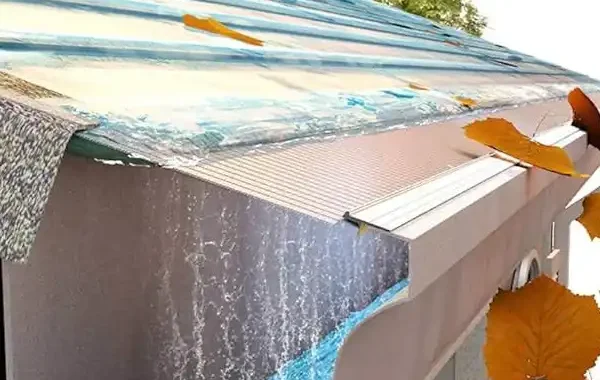
advanced gutter guard protection systems

Common Upgrade Paths (What Changes Most)

Most homeowners replace gutters because performance dropped, not because they want a new look. In addition, The best upgrade path depends on roof geometry, how much water concentrates in valleys, and what’s below the eaves (entryways, walkways, planted areas, and drainage). Also, A good quote should spell out the profile, material, downspout sizes, and where water will discharge.

What Holds Up In California

Materials change cost, appearance, and how forgiving the system is over time. Also, Here’s the practical tradeoff list a contractor should explain in plain language.

  • Seamless aluminum: The most common choice for value and color options. As a result, It resists rust and performs well with quality hangers and sealed corners.
  • Steel: Strong, but it can rust if coatings get scratched or cut edges stay exposed. For example, It’s often chosen for durability when properly finished.
  • Copper: Premium look and long service life, paired with a higher price tag and specific fastener requirements to avoid corrosion with dissimilar metals.
  • Vinyl/PVC: Lower upfront cost, yet joints and heat movement can make long-term performance unpredictable in sun-exposed areas.

Downspouts, Corners, And Discharge Locations

The gutter itself is only half the system. Meanwhile, Downspout placement determines whether water ends up soaking the foundation or moving safely to grade. As a result, During planning, walk the perimeter with your contractor and agree on every outlet location before fabrication.

  • Place downspouts where they can drain away from the home without crossing high-traffic paths
  • Avoid dumping water onto stair landings, narrow side yards, or fence lines that trap moisture
  • Consider larger downspouts or additional outlets where roof valleys concentrate runoff
  • Confirm the termination method: splash block, extension, or an approved connection to a drain system
  • Ask how the installer will set slope and verify flow after installation

Upgrade Add-Ons That Change Maintenance (And Expectations)

Gutter guards can cut down on frequent cleanings, but they don’t eliminate maintenance. Additionally, The right choice depends on the debris you get: large leaves, small needles, or roof grit. Also, make sure the scope states whether downspouts will be cleaned and flushed as part of the job.

  • Screen guards: Affordable and quick to add, but small debris can still pass through.
  • Micro-mesh guards: Better for fine debris, with higher cost and a need for correct pitch and fastening.
  • Hooded guards: Can shed larger leaves, yet performance varies by roof pitch and flow rate.
DecisionWhat it affectsHow to choose
Gutter size (5-inch vs. 6-inch)Overflow riskMore roof area and valleys often favor larger sizes
Downspout count/placementDrainage and erosionKeep discharge away from foundations and walkways
Guard typeCleaning frequencyMatch the guard to nearby trees and roof debris
MaterialDurability and lookBalance budget, corrosion resistance, and style
Fascia conditionLong-term holdRepair soft wood before hanging new gutters

Budget Ranges And Timeline (Typical)

Pricing for installing new gutters swings based on access and details more than many homeowners expect. Meanwhile, Linear footage matters, but so do second-story heights, roofline complexity, corner counts, the number of downspouts, and whether fascia repair is necessary. Ask for an itemized scope so you can compare apples to apples.

Budget Ranges & Timeline (Typical)

  • Budget: Roughly $1,800–$6,500 for many seamless aluminum replacements; complex layouts or premium metals can exceed $10,000.
  • On-site installation: Often 1 day for a straightforward home; 2–3 days when access is difficult or fascia work is included.
  • Lead time: Commonly 1–3 weeks, depending on fabrication, weather, and any permit requirements.

What Buyers (And Inspectors) Notice

New gutters rarely sell a home by themselves, but they help prevent issues that show up on inspection: stained fascia, rotted trim, water damage, and soil erosion near the foundation. For example, For resale-minded homeowners, prioritize function over fancy finishes and keep your invoice and scope in your home maintenance folder.

  • Choose a discharge plan that moves water well away from the foundation
  • Fix fascia issues now so hangers stay secure long-term
  • Pick a guard type only if it matches your debris pattern and roof pitch

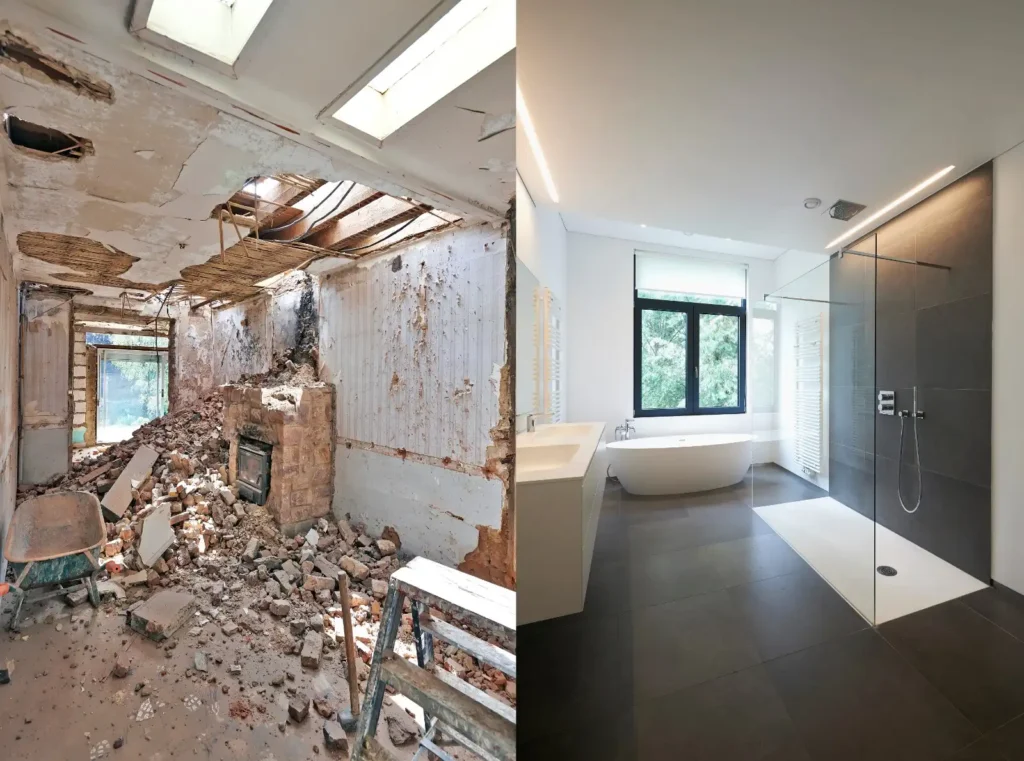
Before/After Example (Hypothetical)

Before: A homeowner notices water pouring over one corner and staining the trim. For example, Cleaning helps briefly, yet the run keeps sagging and seams leak at the corners.

After: The plan switches to seamless aluminum with hidden hangers, adds a downspout near the valley, and redirects discharge with an extension to a safer grade area. Also, The homeowner still checks guards seasonally, but overflow stops and the fascia stays dry.

Permits And Scheduling Notes

Many like-for-like gutter replacements don’t trigger permitting, but some scopes can. Overall, If you’re changing drainage connections, repairing structural wood, or tying into a stormwater system, confirm requirements with your local building department before work starts. Scheduling also goes smoother when you plan around weather and access.

  • Ask whether fascia or rafter tail repairs are part of the written scope
  • If you have an HOA, confirm color and profile rules before ordering materials
  • Schedule when you can provide clear access to side yards, gates, and driveway areas
  • Coordinate gutter work with roofing or exterior painting so fasteners and drip edges align

Before and after gutter replacement transformation in

Serving Sacramento Homeowners

US Construction & Remodeling Corp. For example, helps Sacramento homeowners plan installing new gutters with a clear scope, a realistic schedule window, and a discharge plan that fits the property. When you want to map timing before rainy weeks or coordinate with roofing and exterior repairs, a planning call keeps decisions straightforward.

Book a planning call to talk timeline and options, or call +1 (916) 234-6696.

Local Project Steps You Should Expect

  1. Planning call to confirm goals, problem spots, and timing
  2. Site visit to measure runs, note valleys, and review drainage at grade
  3. Written scope covering profile/material, downspouts, guard options, and discharge locations
  4. Scheduling based on fabrication lead time and weather
  5. Removal of old sections and a fascia condition check before hanging new hardware
  6. Installation with correct slope, sealed corners, secure straps, and cleanup/haul-away
  7. Flow test and final walkthrough so you can see where water exits

Sacramento Permitting And Plan Review Note

Most gutter replacements stay simple, but some jobs touch fascia repairs or drainage tie-ins. For example, When a permit or plan review applies inside the City of Sacramento, the Community Development portal (Accela Citizen Access) typically handles online applications, payments, and status tracking. If your address falls under county jurisdiction, requirements can differ, so it’s worth verifying early.

Trust And Verification Checklist (No Guesswork)

  • Ask for proof of appropriate California contractor licensing and current insurance coverage before work begins.
  • Confirm who pulls permits if your scope needs one, and get that responsibility in writing.
  • Require a written scope: gutter size/profile, downspout count, guard type, color, disposal, and warranty terms.
  • On install day, look for solid hanger attachment, consistent slope, clean sealant at corners, and secured downspouts that won’t rattle in wind.
  • Request a flow test so you can verify drainage before the crew leaves.

If you’re comparing bids, keep the scope identical and ask each contractor to point to every downspout location on the property. Additionally, That single step prevents most surprises later.

Helpful Links

Frequently Asked Questions

For many single-family homes, the on-site work takes about a day. Multi-story access, fascia repairs, or added downspouts can extend the job to 2–3 days, plus fabrication lead time.

  • More corners and roof valleys often add time
  • Guard installs and downspout reroutes can extend scope
  • Rainy weather can shift scheduling windows

The biggest drivers are access and complexity, not just linear footage.

  • Number of stories and roof pitch
  • Corner counts and downspout quantity
  • Material choice (aluminum vs. copper/steel)
  • Gutter guard type and coverage
  • Fascia condition and any wood repair
  • Discharge method (extensions vs. drain tie-in)

Often, like-for-like replacements do not, but permit rules vary by city and county. If the scope includes structural wood repair, drainage tie-ins, or other building work, check with your local building department and make sure permit responsibility is clear in writing.

Guards can be a good fit when trees drop debris regularly, but they still need occasional inspection.

  • Pick guard style based on the debris you actually get (leaves vs. needles vs. roof grit)
  • Plan to flush downspouts seasonally, even with guards
  • Ask how the guard integrates with your roof edge and drip edge

Seamless aluminum is the common choice for cost and corrosion resistance. Copper offers a premium look at a premium price, and steel can be durable when coatings stay intact. The best option is the one that matches your budget, your home style, and your maintenance tolerance.

Start with verification and clear scope, then judge the plan—not the sales pitch.

  • Verify California contractor licensing and insurance coverage
  • Require a written scope with material, size, downspouts, and discharge points
  • Ask how slope will be set and how flow will be confirmed (a water test matters)
  • Confirm cleanup, haul-away, and warranty terms

Licensed, insured & trusted local contractor

US Construction & Remodeling Corp.
9821 Business Park Dr, Sacramento, CA, 95827
Phone: +1 (916) 234-6696

CSLB License #: 1117562 Fully licensed and insured.

View our Google Business Profile

Leave a comment

This website uses cookies to improve your web experience.
Explore
Drag