Keep people away from unsafe ceilings and water near electricity. When conditions are safe, document the leak and request a roof assessment. Service timing depends on weather, safety, location, access, and crew availability.
Open 7 days, 9:00 AM–5:00 PM; business-hours calls are typically answered within one hour. After hours we answer when we can, and every voicemail gets a call back.
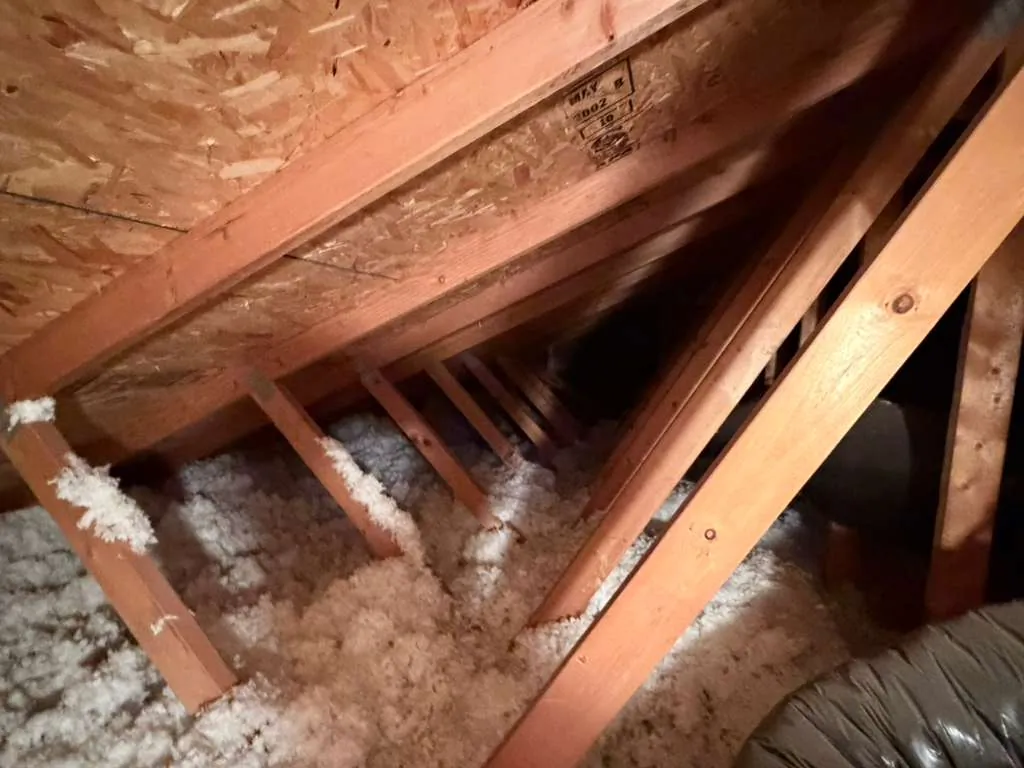
We document interior symptoms, accessible roof and attic conditions, weather, prior repairs, safe temporary measures, and open scope questions before permanent work is defined.
An active leak needs a safety-first response, documented observations, and a clear separation between temporary protection and permanent repair.
01
Active Leak Assessment
Assess visible leak paths and define safe temporary mitigation when conditions allow.
Interior symptoms, weather, and leak timing
Ground-level, roof, and accessible attic observations
Written temporary measures, access limits, photos, and next steps
02
Permanent Roof Repair
Define permanent repair or replacement after the leak source and roof condition are reviewed.
US Construction Remodeling Corp. is the general contractor and project manager (CSLB #1117562, B – General Building). When the approved scope requires roofing trade work, we coordinate qualified, appropriately licensed C-39 roofing subcontractors.
Leak source, repairability, and compatible materials
Decking, flashing, drainage, and connected damage
Written scope, exclusions, concealed conditions, permits, warranty, and closeout
A measured next step
Your urgent roof assessment in 3 steps.
01
Tell us what is happening
Share the address, affected rooms, when the leak began, current weather, prior repairs, roof type and age if known, and any safe photos.
02
We review the leak and safety priorities
Our team organizes the visible conditions, access, timing, and the scope questions that still need verification.
03
Receive the next practical step
We explain whether the next step is safe temporary mitigation, further diagnosis, permanent repair, replacement planning, or another qualified service.
Published project records
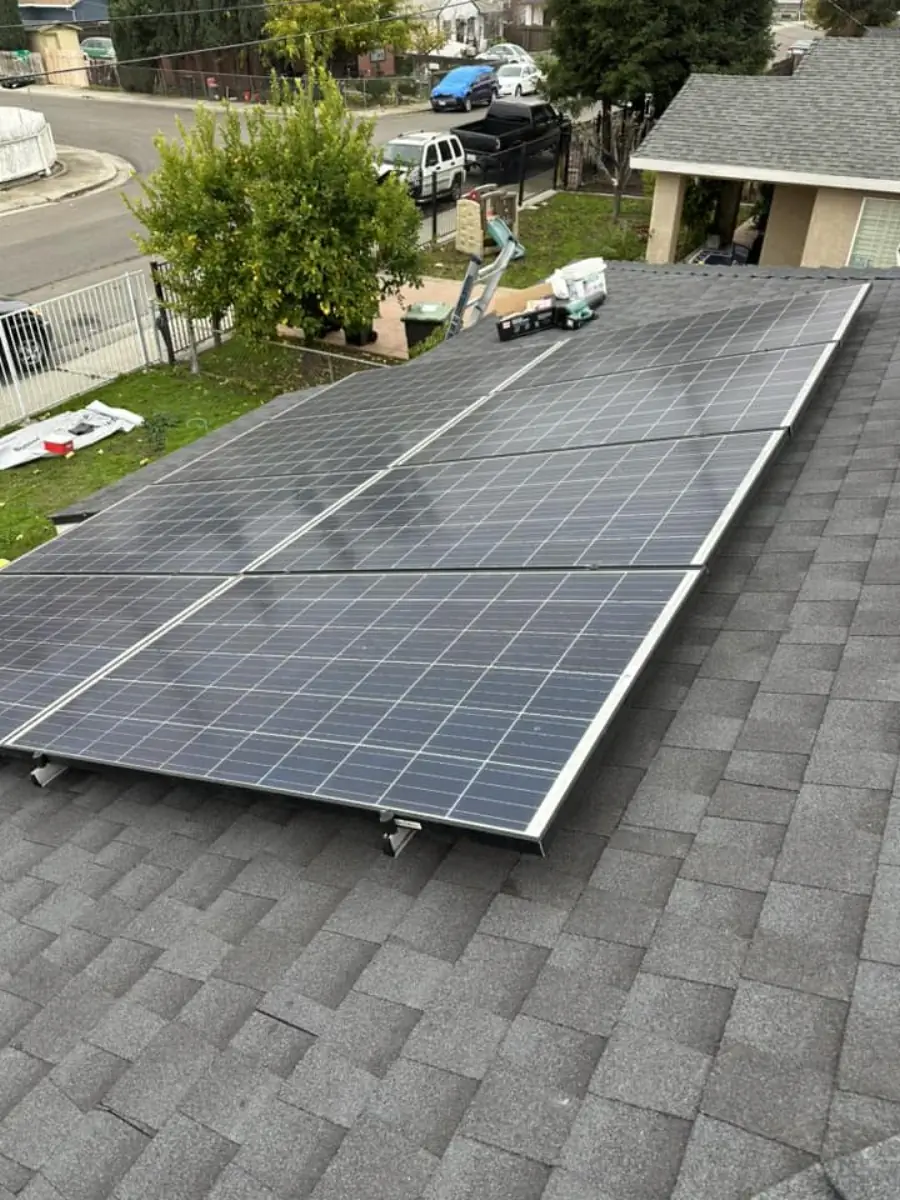
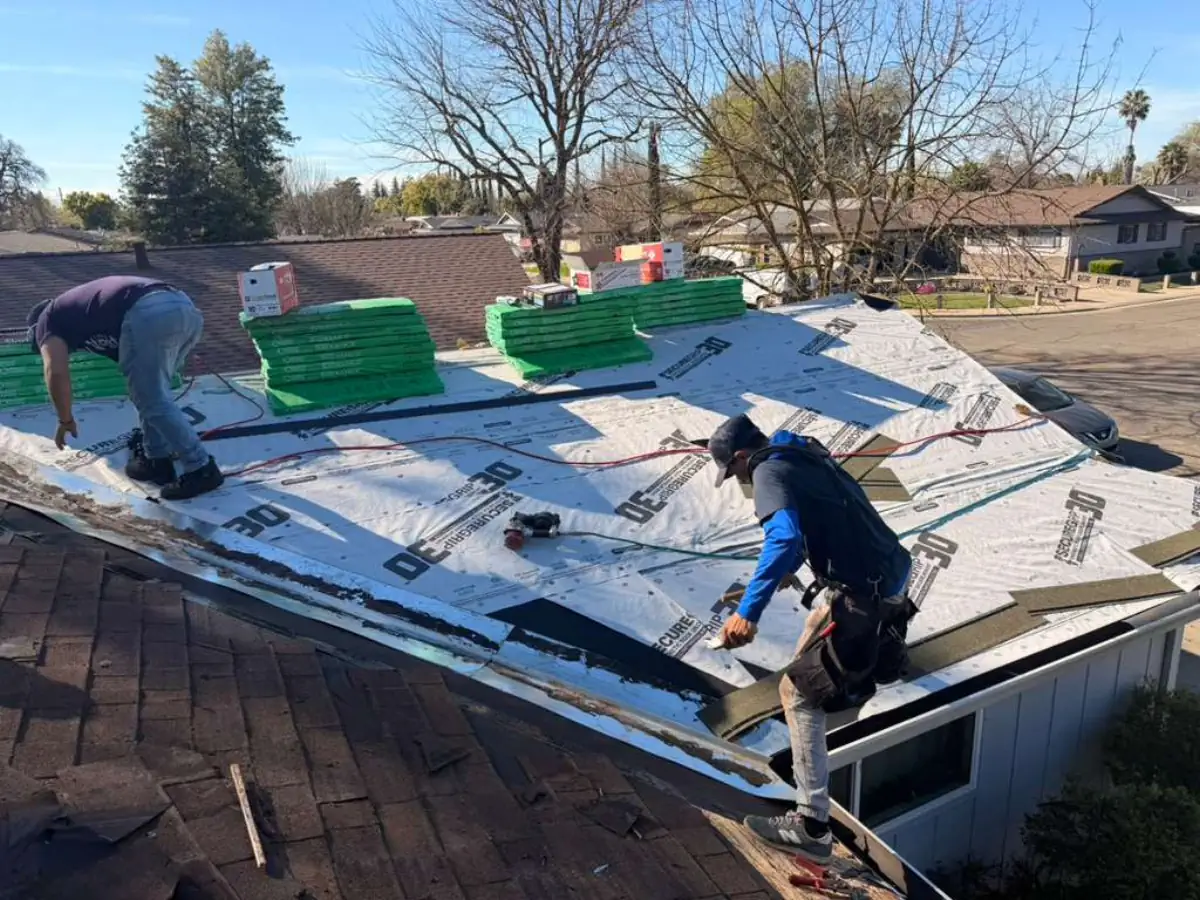
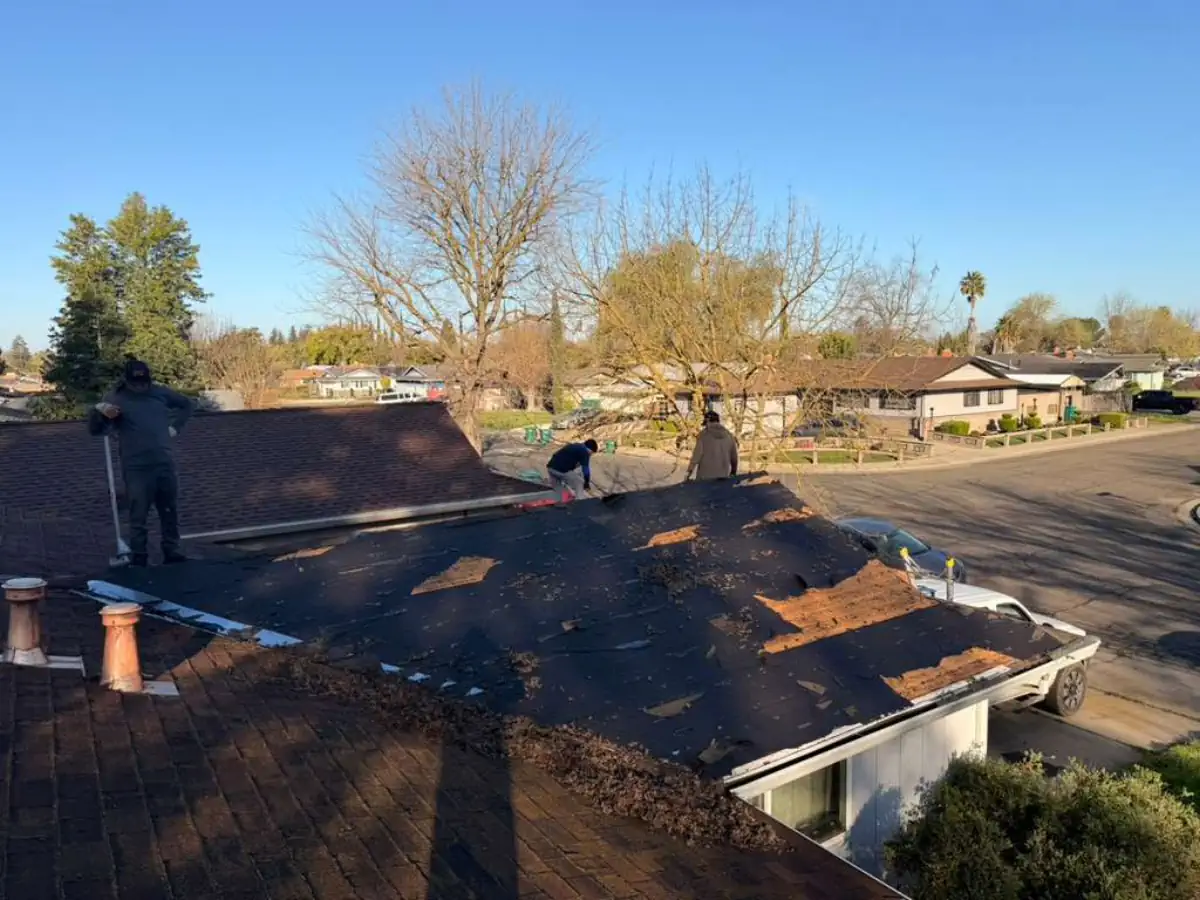
Documented roof repair and replacement projects
Each record keeps its actual project location and documented scope so you can review real work without generic placeholders.
A stronger proposal names the important decisions instead of hiding them inside one total.
Planning item
What should be written
Why it matters
Permit path
Jurisdiction, permit responsibility, and inspections
Keeps approvals and scope responsibilities visible
Temporary mitigation
Method, access, weather limits, duration, monitoring, and responsibility
Separates immediate damage control from the permanent repair decision
Permanent repair
Repair boundary, roof layers, flashings, drainage, decking, and connected interior work
Shows what will be corrected, what remains concealed, and what is excluded
Site closeout
Protection, cleanup, photos, permit records, warranty, and monitoring guidance
Makes the finish and handoff expectations explicit
About the authors
Written by our team
Our Chief Designer wrote this page, and our general contractor reviewed it.
01
Written by Emin
Chief Designer
Emin is the Chief Designer at US Construction Remodeling Corp. Emin leads client design meetings, measured layouts and 3D visualization in Revit, 3ds Max and Unreal Engine, and uses AI tools to speed up design and project planning.
02
Reviewed by Umit Sahin
General Contractor
Umit Sahin is a general contractor at US Construction Remodeling Corp. and oversees construction, permits, and inspections on our projects.
03
Official resources
Official sources for Sacramento permit information, CSLB storm guidance, and our current contractor license.
my house was damaged by a broken hot water pipe, floor, walls, and my kitchen cabinets was damaged . my insurance company told me to find a contractor, us construction remodeling helped me a lot, my house is looking better than how it was before…
Nancy E FleischerGoogle review
They made the replacement for the roof over the garage very simple. No guess work or trying to sell you more. … Cleaned up everything when job was done and it looks great.
Darin SelbyGoogle review
I had to replace my roof because my insurance specialist told me that I need a new roof, I spoke with several companies US Construction was the lowest the bid and highest quality material, the work crew was excellent and I appreciate the hard work.
James PeabodyGoogle review
Compare the same written scope
Four checks before approving emergency roof work.
Totals do not need to match, but each contractor should be able to explain the scope behind the number.
01
Temporary protection and access
02
Leak source and connected damage
03
Permanent repair materials and limits
04
Price, changes, warranty, and closeout
Sacramento homeowner questions
Emergency roof leak repair FAQ
Keep people away from bulging ceilings, wet electrical fixtures, slippery floors, and falling materials. Call emergency services for an immediate life-safety hazard. Move belongings and contain water only where it is safe.
No. Wet, steep, storm-exposed, damaged, or unfamiliar roofs can be dangerous. Use safe ground-level observations and request an assessment by a qualified contractor.
No. A tarp or temporary seal may reduce water entry until safe diagnosis and repair, but it does not prove that the source, assembly, or concealed damage is permanently corrected.
Permit requirements depend on the property and exact work. Limited temporary mitigation and permanent repair or replacement can follow different paths. Confirm the address-specific requirements before permanent work.
No. The decision depends on the leak source, roof age and condition, extent of damage, repairability, compatible materials, decking, code and permit requirements, and long-term value.
Share the address, affected rooms, when the leak started, current weather, roof type and age if known, prior repairs, safe photos, access concerns, and temporary steps already taken.
It should distinguish temporary and permanent work and state access, observations, photos, materials, repair limits, concealed conditions, cleanup, price, payment, warranty, permit responsibility, exclusions, and the process for written changes.
Continue planning
Emergency roof leak resources
Use these resources to understand inspection scope, repair-versus-replacement decisions, cost drivers, and Sacramento roofing services.
Open 7 days, 9:00 AM–5:00 PM; business-hours calls are typically answered within one hour. After hours we answer when we can, and every voicemail gets a call back.
Emergency roof leak assessment request
Tell us about the roof leak
Share the Sacramento-area address, affected rooms, when the leak began, current weather, roof type and age if known, prior repairs, access concerns, and optional photos. We review the details before discussing the next safe step.