



Skip links

Roof Leak Investigation & Tile Roof Repair in Folsom, CA (Ceiling Leak)

A homeowner in Folsom, CA noticed a ceiling water stain and needed the source identified quickly. We performed a roof + attic leak investigation, confirmed water intrusion at flashing/penetration transition points due to deteriorated sealant (with a few displaced tiles contributing), and completed a localized tile remove & reset repair with an underlayment patch and targeted resealing in the affected zone.

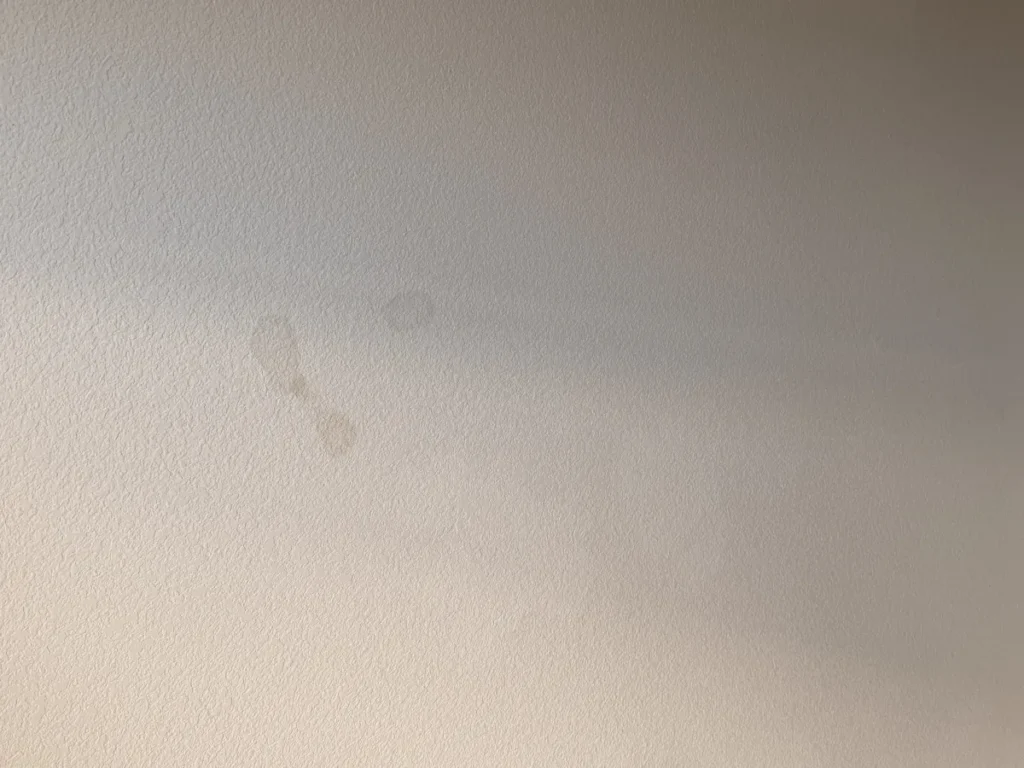
Ceiling water stain in Folsom CA home before leak investigation

Project Snapshot

  • Location: Folsom, CA (95630)
  • Issue: Ceiling leak / stain (source initially unknown)
  • Roof type: Tile roof
  • Root cause (confirmed): Water intrusion at flashing/penetration transition points due to deteriorated sealant, plus a few displaced tiles that allowed water to reach and compromise the underlayment in a localized zone.
  • Scope: Localized tile remove & reset (~60 SF) + underlayment patch + flashing/penetration reseal
  • Total: $1,985 (includes investigation, safety setup, materials, cleanup)
  • Project lead: Evon Celik — Owner (US Construction & Remodeling Corp.)
  • Project date: 02/22/2026
  • License: CSLB #1117562

The Problem (What the homeowner saw)

A light but visible water stain appeared on the interior ceiling. Because water can travel before it shows up inside, the leak source wasn’t obvious from the room alone.

Investigation Steps (Roof + Attic)

To avoid guessing, we documented conditions and traced likely leak paths:

  1. Interior documentation of the stain location to map the probable roof area above.

  2. Roof‑surface inspection focusing on common tile roof leak points: valleys, penetrations, and flashing transitions.

  3. Attic inspection to check the underside of the roof deck, insulation conditions, and any nearby ductwork that could contribute to condensation.

  4. For homeowners comparing inspection timing and scope before repair, Roof Inspection Cost in California: Price Ranges and Timeline guide  explains the common price drivers and timeline factors we see in California.

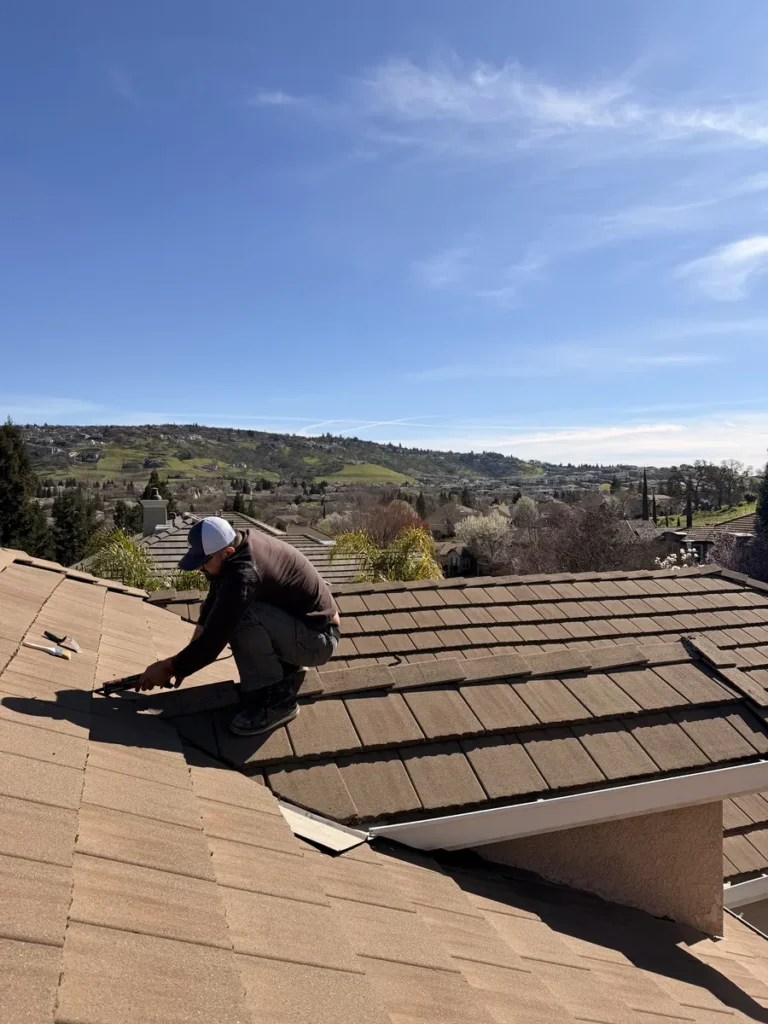
Technician performing tile roof leak repair in Folsom CA
permit inspection asian man inspector holding clipboard inspecting t
permit inspection i make sure that every project safe sturdy
permit inspection rear view black male engineer standing taking n

Emergency Roof Leak Repair (Permit & Inspection Notice)

This Folsom roof leak was handled as an emergency repair to help prevent additional interior damage. The homeowner called on Friday, another round of rain was expected on Tuesday, and we completed the localized repair on the earliest available date (Sunday) so the active leak could be addressed before the next storm.

Because this was a limited-scope repair, it moved quickly. Permit and inspection requirements depend on the city and the actual scope of work. If a roof leak repair expands into partial re-roofing, larger replacement areas, or sheathing/deck repairs, permits and inspections may be required. For homeowners comparing broader repair timelines and next-step planning, our Emergency Roof Leak Repair in California: A Practical Guide and Permits & Inspections page provide additional context.

Tile roofs are water-shedding systems, so leaks typically occur at transition points—flashings, penetrations (pipe boots), and areas where tiles shift and allow water to reach the waterproofing layer below. In this case, our inspection confirmed water intrusion at sealed transition details and within a small localized area where a few tiles had moved, contributing to underlayment vulnerability in the traced leak zone.

  • Entry point (confirmed): Deteriorated/failed sealant at metal flashing and penetration (pipe boot) transitions in the mapped roof zone, combined with a few displaced tiles that allowed water to reach the underlayment.
  • Evidence: Aged/cracked sealant and gaps at the transition detail; displaced/misaligned tiles in the same zone; attic-side moisture staining pattern consistent with water tracking from that roof area; localized underlayment weakness matching the leak path.
  • Ruled out: HVAC/duct condensation (no diffuse sweating pattern); non-roof plumbing leaks in the immediate area; and adjacent roof sections that showed no matching moisture trail.

Because tiles are often reusable, the most effective fix is usually to restore watertightness at the true entry point and renew the waterproofing layer (underlayment) only where it’s compromised. Once we traced the leak to a defined area and verified the failure points (sealant/flashing/penetrations + displaced tiles), a localized remove-and-reset repair was the most logical, cost-effective approach.

  • Targets the real failure points: Repairs the actual leak source instead of guessing.
  • Restores waterproofing: Rebuilds protection at the underlayment layer where water was reaching below the tile.
  • Limits disruption & cost: Reuses serviceable tiles and keeps the repair footprint focused (~60 SF).
  • Salvaged tile remove & reset: Existing tiles reused where serviceable.
  • Self-adhered underlayment patch: Installed in the traced leak zone, with edges sealed.
  • Compatible roofing sealants: Used at metal flashing and penetration detailing.
  • Tile attachment components: Clips and/or mortar as required by field conditions.
  • Targeted reseal: Flashing/penetration transitions (pipe boots) resealed as needed.
  • Attic re-check at completion: Inspected the underside of the roof deck and insulation around the traced zone for active dripping, fresh wetting, or ongoing moisture indicators.
  • Roof-surface check: Confirmed tiles were reset/secured properly and repaired transition details (flashings/penetrations) were resealed and dressed correctly.
  • Underlayment confirmation: Verified the self-adhered underlayment patch was installed in the leak zone with edges sealed before tile reset.
  • Interior check: Verified no active dripping at handoff and documented the ceiling stain condition.
  • Rain follow-up: Homeowner was advised what to monitor after the next rain (new staining, bubbling paint/drywall, or attic moisture). After completion, no continued leakage was reported.

If you notice a ceiling stain after rain, here’s what to do (and what to avoid):

Do

  • Take a photo of the stain and note the date/time and the last rain event.
  • Check the attic (if safe) for wet insulation, drips, or staining on the roof deck and take photos.
  • If dripping is active, place a small container and move valuables away from the area.
  • Call early for an inspection—small leaks can travel and cause hidden damage over time.

Don’t

  • Don’t assume the roof entry point is directly above the stain (water can track).
  • Don’t apply random caulk on top of tiles—this can trap water and make diagnosis harder.
  • Don’t ignore “light” stains; intermittent leaks can worsen quickly.
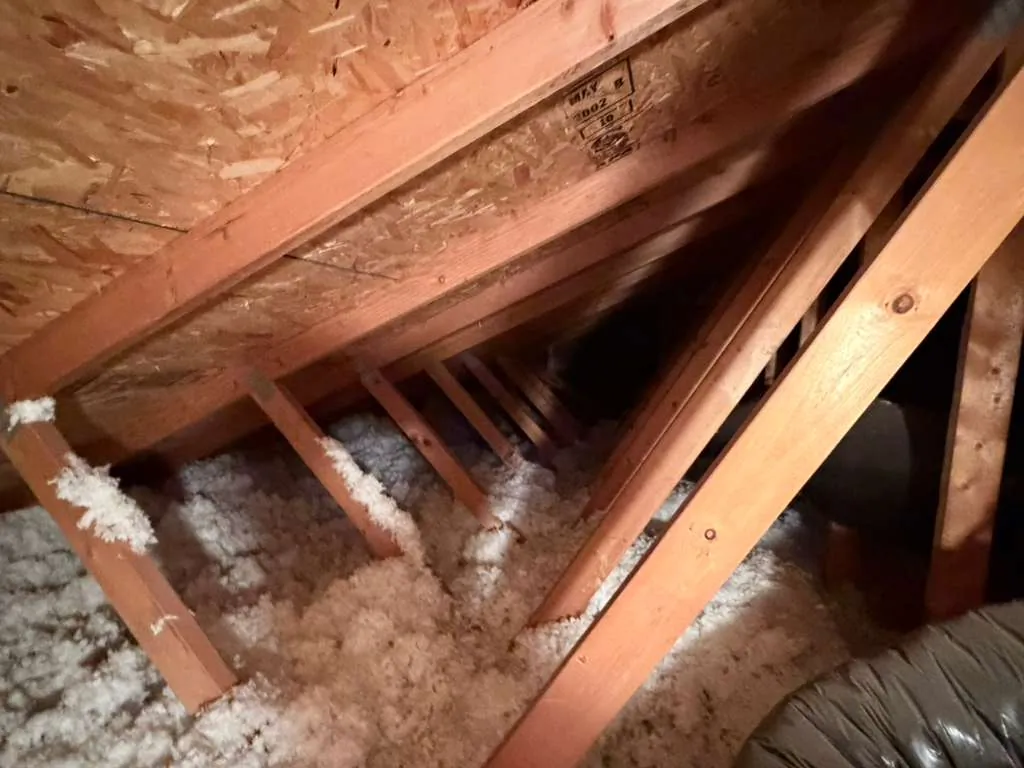
Attic view of roof deck and rafters during a ceiling leak investigation in Folsom, CA.

Pricing (What was included)

Total: $1,985
This total includes investigation, safety setup, the localized tile remove/reset area (~60 SF), waterproofing patch materials, resealing work, and cleanup.

Homeowners comparing repair budgets can also review our Roof Leak Repair Cost in California: Price Ranges & Timeline and broader roofing services page for additional context.

Project note: This total reflects the completed scope listed above. The leak source was identified and repaired, and no continued leakage was reported after completion.

Results (Post-Repair Verification)

Final outcome: The ceiling leak was resolved. At completion, there was no active dripping observed, and after the repair was completed, no new ceiling staining was reported.

  • Localized tile removal and reset over ~60 SF (salvaged tile reset).
  • Self-adhered underlayment patch installed in the traced leak zone; edges sealed before tile reset.
  • Flashing/penetration transitions resealed where needed (sealant refreshed at the failure points).
  • Attic + interior checked at handoff for visible active moisture indicators; homeowner advised what to monitor after the next rain.
  • For general closeout expectations and post-project coverage information, see our Warranty & Post‑Project Support page.

Need help with a ceiling leak in Folsom?

If you see a new stain, bubbling drywall, or dripping after rain, request an inspection.

Call Now: (916) 234-6696 Request Free Inspection

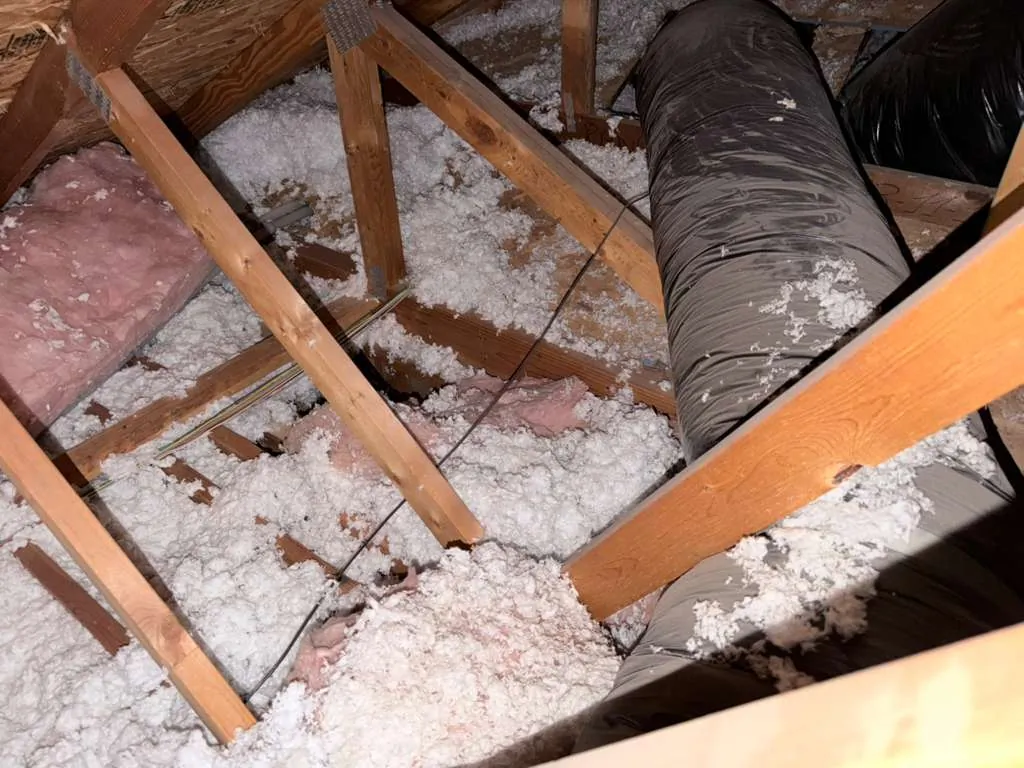
Attic inspection showing blown-in insulation and ductwork during a ceiling leak investigation in Folsom, CA.

FAQ (Tile Roof Leak Investigation & Repair)

License & Warranty

  • Contractor license: US Construction & Remodeling Corp. — CSLB #1117562
  • Work standard: Completed under licensed contractor supervision based on the approved scope for this property.
  • Warranty: Warranty terms follow the signed project agreement and apply to the completed scope shown on this page.

Water can travel along framing or the underside of the roof deck before it drops onto insulation and drywall, so the visible stain isn’t always directly under the entry point.

Tile roofs are water-shedding systems; leak points are often at valleys, penetrations (pipe boots), flashing transitions, or underlayment damage beneath tiles. We inspect the roof surface and confirm conditions from the attic side so we don’t guess.

In many localized leak repairs, the investigation (interior mapping, roof-surface inspection, and attic verification) is included as part of the approved scope. Final details follow the written estimate and signed agreement.

Pricing depends on roof access, complexity, and whether a localized repair is completed. For this case study, investigation + localized repair totaled $1,985.

If insulation is saturated or shows microbial growth risk, replacement may be recommended. If it’s dry and the leak is resolved, monitoring may be enough.

Some leaks are intermittent and can involve multiple paths. If water returns, we recommend follow-up diagnostics (expanded tracing and, if needed, a controlled water test) to isolate any secondary entry points.

What Our California Clients Say

Read verified reviews from California homeowners and business owners who worked with US Construction Remodeling Corp. These testimonials reflect real project experiences, communication quality, and overall satisfaction.

Licensed, Insured & Certified — Verified Contractor Credentials

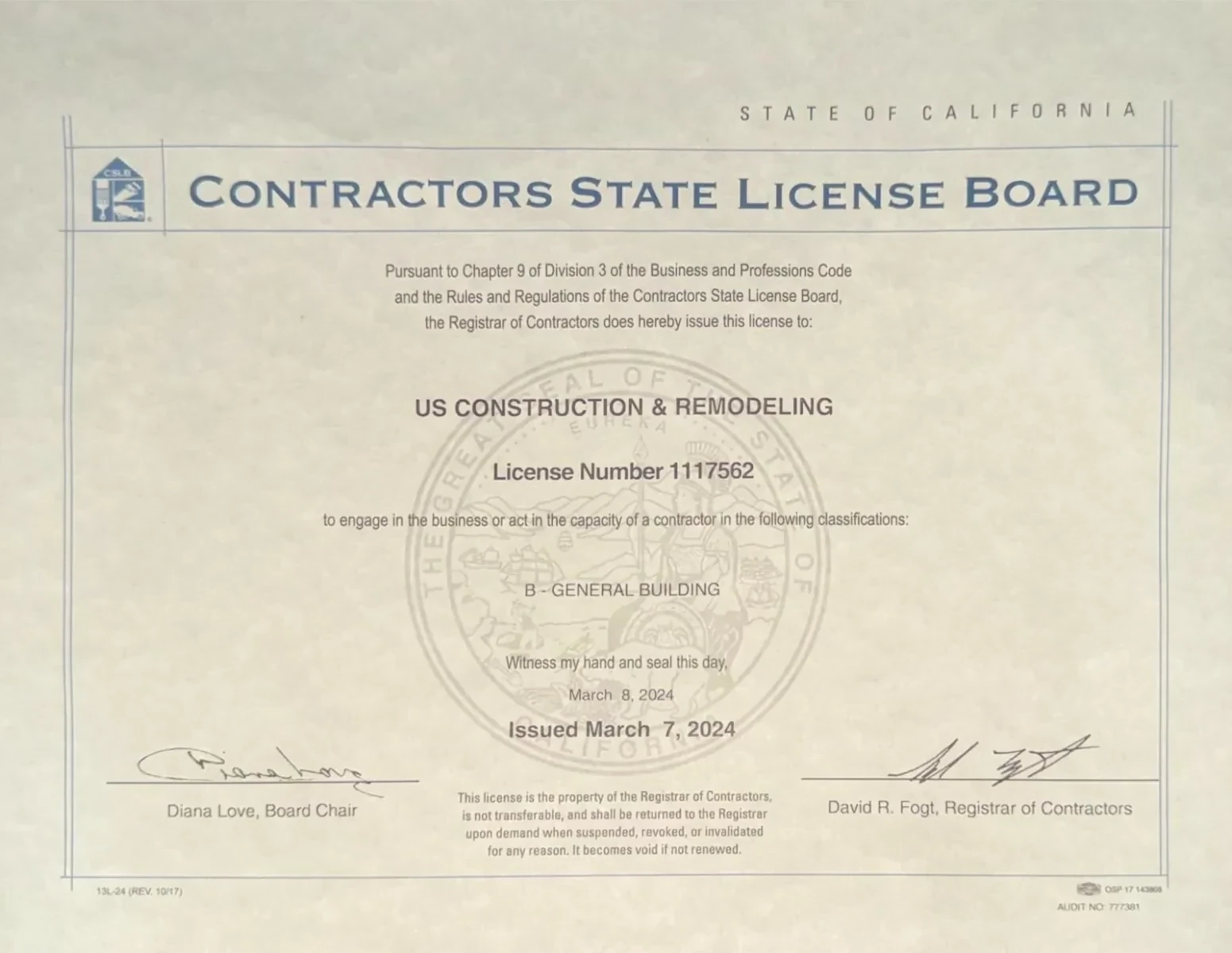
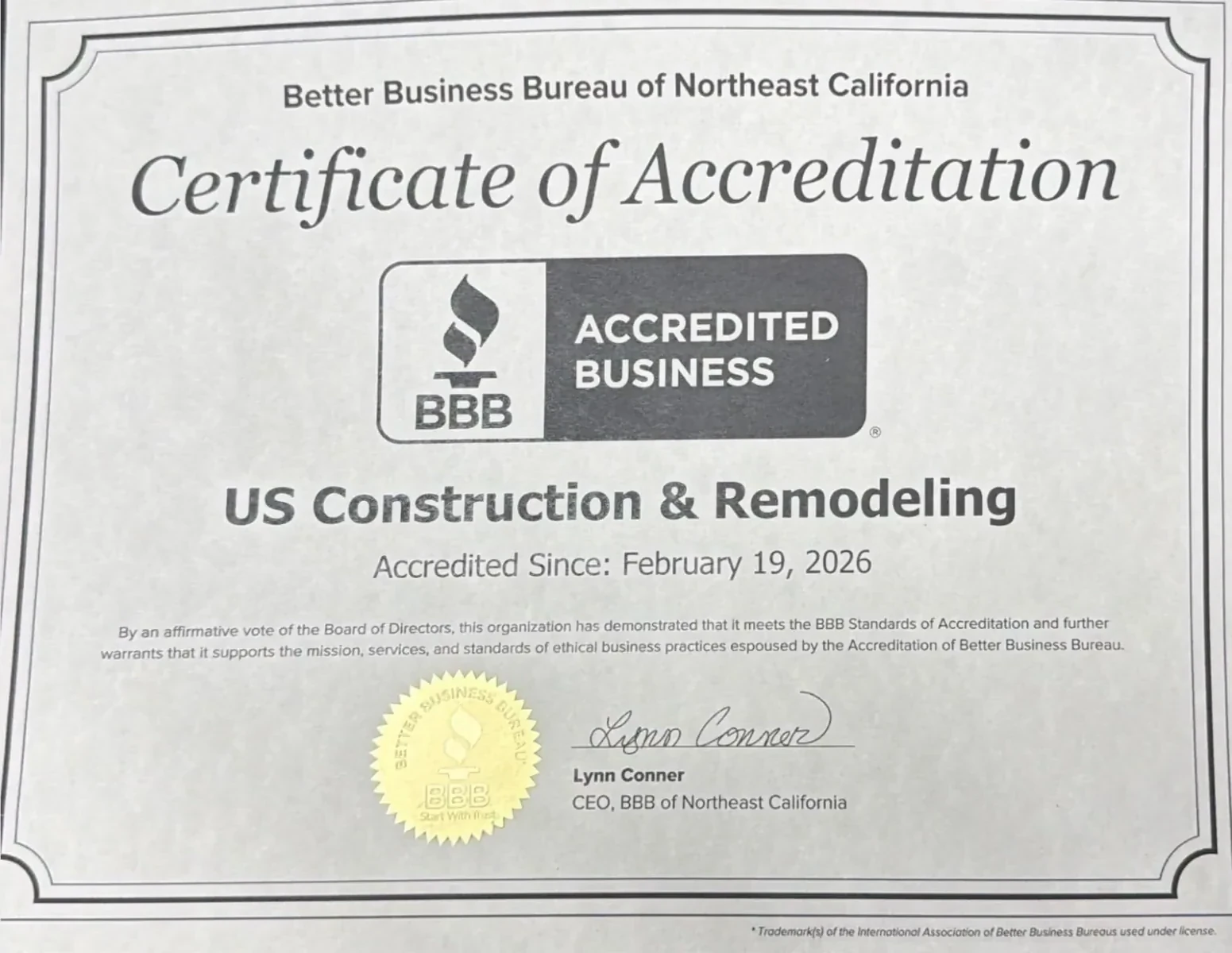
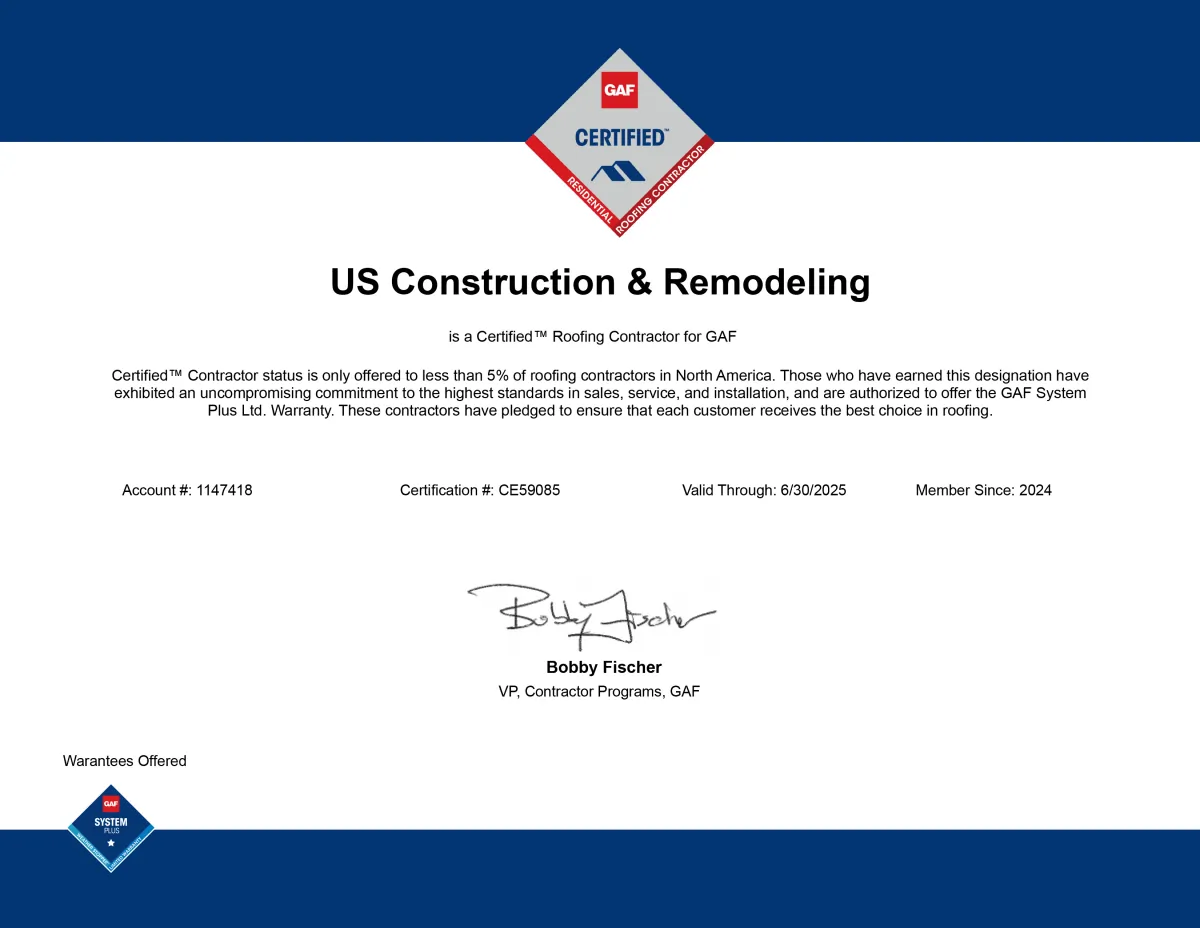
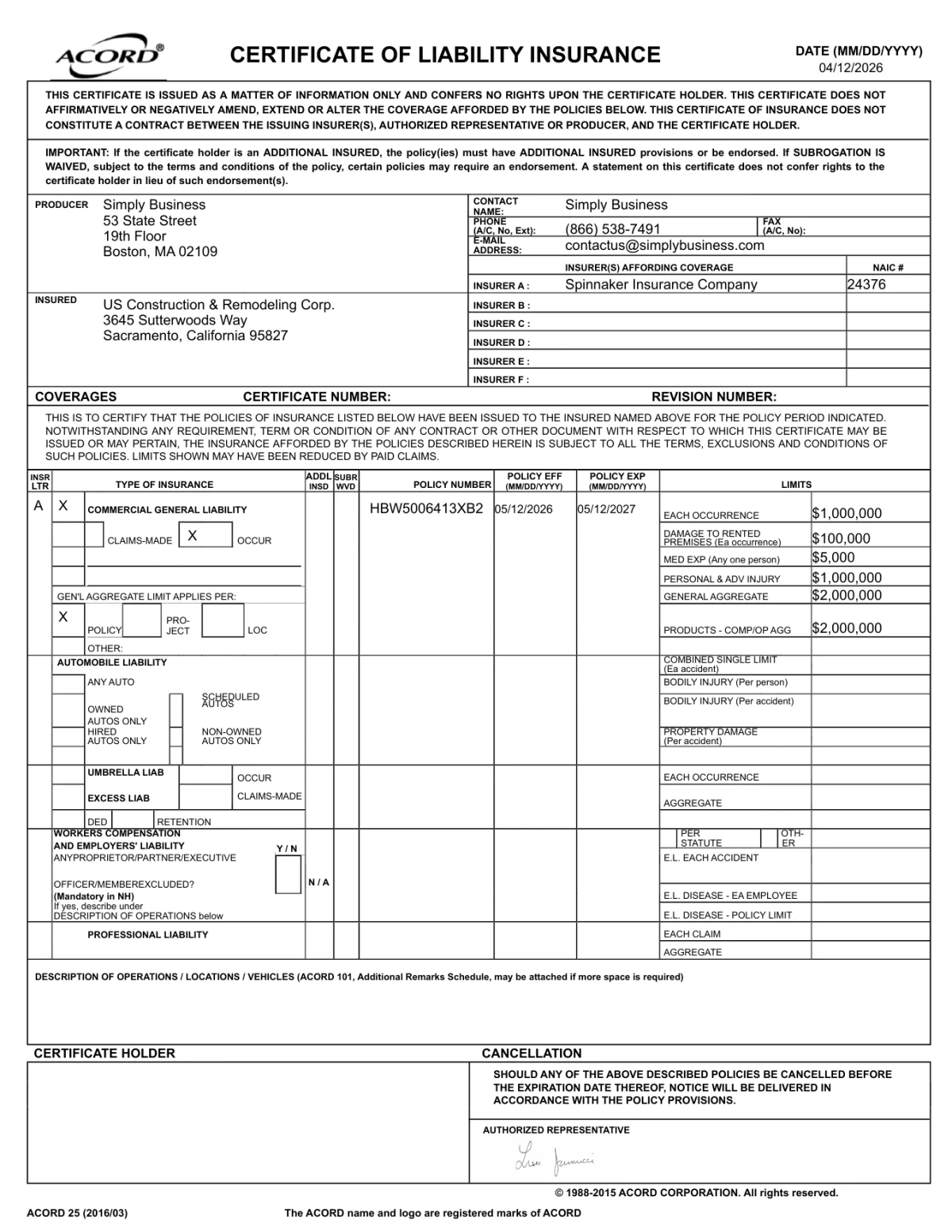
US Construction & Remodeling is a California CSLB licensed contractor (B – General Building, License #1117562), carries active Commercial General Liability insurance (COI available upon request), is a BBB Accredited Business, and is also a GAF Certified™ Roofing Contractor. These credentials are included on our website to help homeowners and commercial clients quickly verify that they’re working with a legitimate, compliant, and accountable contractor—backed by state licensing, current insurance coverage, independent business accreditation, and manufacturer-recognized training and certification.

Project Oversight & Completion Verification

Managed on site.
Verified at completion.

Evon Celik, Project Manager at US Construction & Remodeling Corp., remained involved throughout this project from the initial site visit to final completion. His role included on-site coordination, progress oversight, scope alignment, and final verification of the completed repair work. This case study reflects the actual project conditions, documented repair scope, job-site photos, and final completion review based on the work performed at the property. This project was managed on site by Evon Celik, Project Manager at US Construction & Remodeling Corp. Evon remained involved from the initial visit through final completion to help verify the repair scope, field conditions, and completed work. This case study is based on the actual project scope, job-site photos, inspection findings, and final completion review.

This project oversight included site conditions, leak investigation findings, repair scope, material usage, photo documentation, progress tracking, and final verification that the completed work matched the documented scope shown on this page.


Project pages are more useful when they reflect real field conditions and completed work rather than generic marketing language. Showing documented scope, actual photos, and final verification helps homeowners better understand the repair process, expected scope, and project outcome.


This case study was prepared using the completed project scope, roof and attic inspection notes, job-site photos, repair documentation, Folsom permit-process information, contractor coordination, and final verification completed at the property.


Project oversight
by Evon Celik.

This website uses cookies to improve your web experience.
Explore
Drag