Quality Checks That Matter For Kitchen Dining Tables
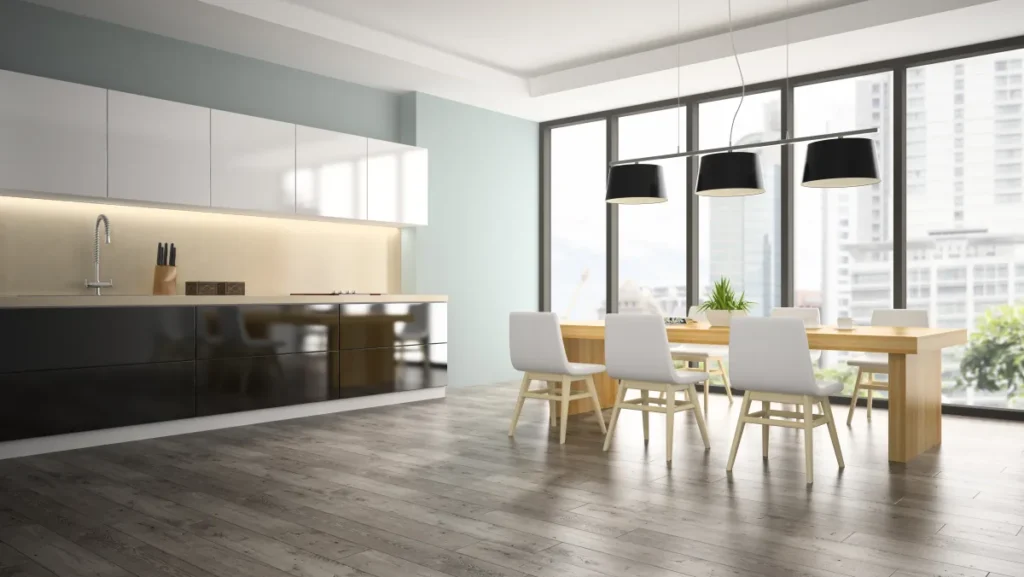
In a combined kitchen and dining zone, the details determine whether kitchen dining tables feel like a natural part of the remodel or an afterthought. Also, The best time to catch problems is during planning—before cabinets are ordered and before lighting and electrical locations are locked in.
Layout Planning: Keep Traffic Moving
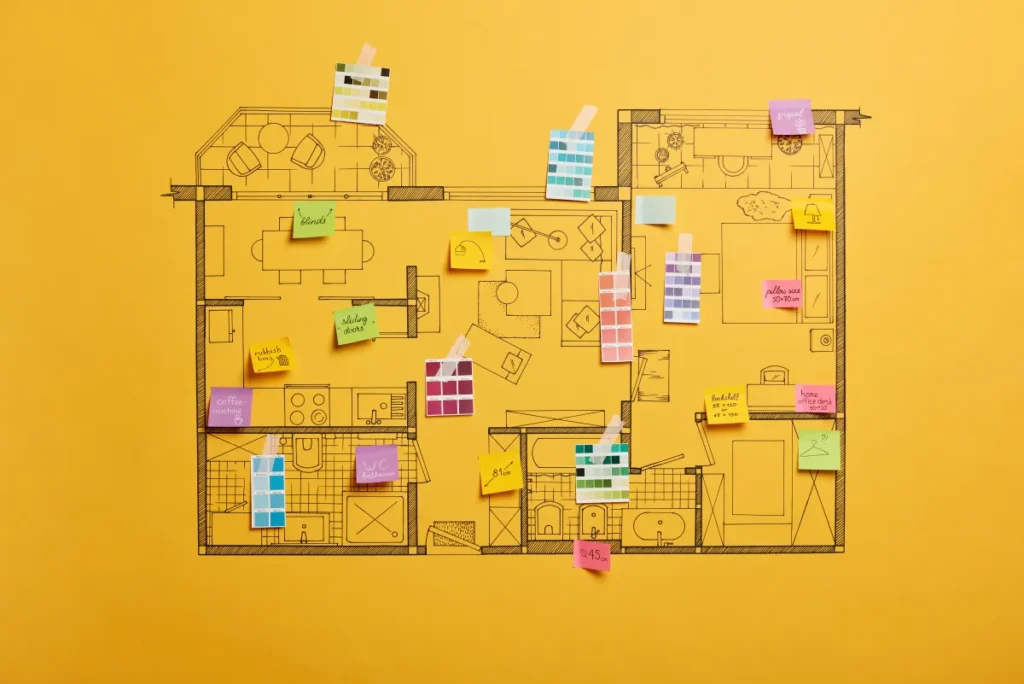
Start with two sketches: one for cooking (sink, cooking, refrigeration) and one for dining (table, chair pull-back, and walk paths). As a result, Then choose a layout that protects both zones.
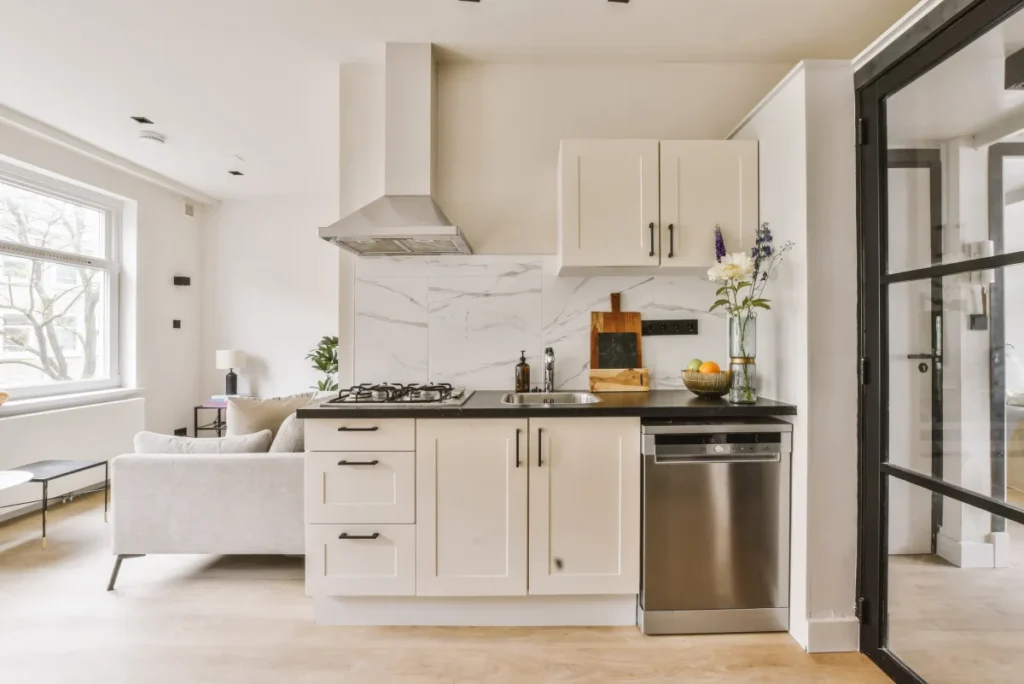
- Galley: Works well in narrow kitchens, but keep the table out of the aisle; a nearby nook or peninsula seating often fits better.
- L-shape: Leaves an open corner for a dining table; plan chair pull-back so it doesn’t block the main route.
- U-shape: Adds counter space, but the dining zone usually sits just outside the “U” so the room doesn’t feel tight.
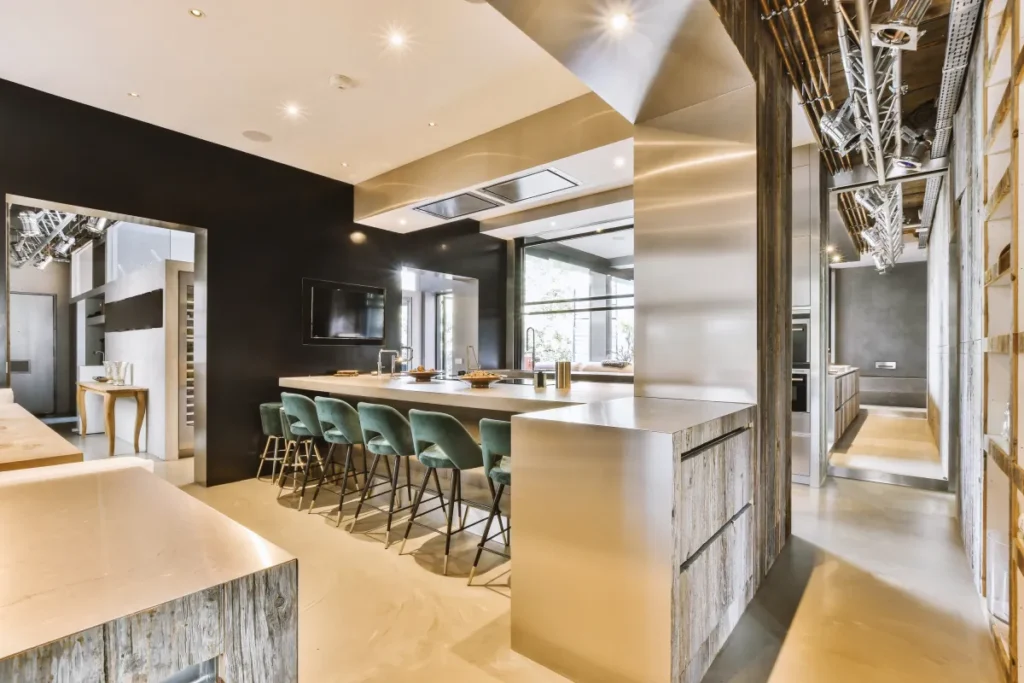
- Island-centered: Great for hosting, but check that stool seating still leaves a clear route around the island and toward the table.
test the layout with tape on the floor. For example, You’ll see quickly whether cabinet doors, appliance doors, and chair pull-back fight each other. If you plan both island seating and a table, confirm that two people can move through the space while others are seated.
Storage Optimization: Keep Dining Essentials Out Of The Work Zone
When the dining table sits close to the kitchen, targeted storage makes daily life smoother. Additionally, Instead of spreading serving pieces across the room, add storage that supports the dining zone without stealing prep space.
- Deep drawers for plates and bowls near the table
- A pull-out trash/recycling location that’s easy to reach but out of the seating path
- Banquette bench storage for linens, placemats, and small appliances
- A beverage station (counter + small cabinet) to reduce traffic through the cooking area
- A dedicated spot for chargers so devices don’t take over the kitchen counters
Before/After Snapshot: A More Usable Dining Zone (Anonymized)
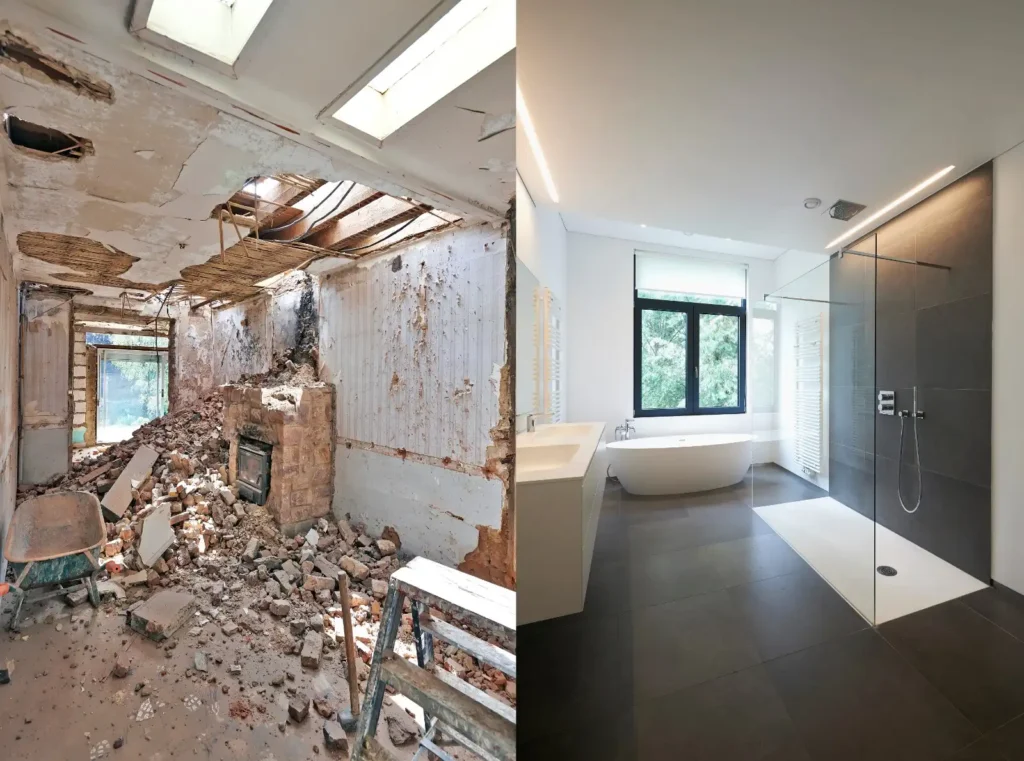
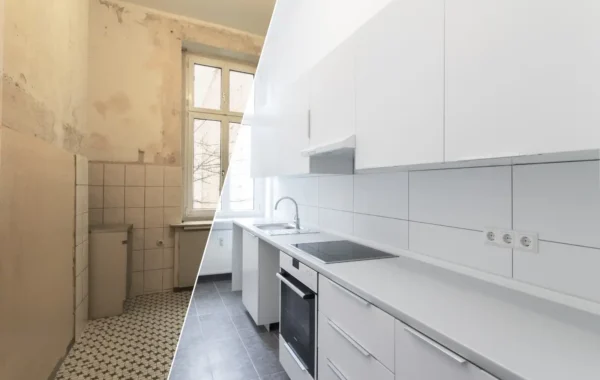
Before: A rectangular table was pushed into a corner, but chair pull-back blocked the pantry door and the walkway. For this reason, The overhead light sat off-center, so the table looked unplanned and the room felt dim.
After: The layout was adjusted to an L-shape with a compact peninsula, and the table moved to the open side of the room. Meanwhile, A centered fixture and dimmer improved comfort, and a small built-in bench created seating without stealing floor space. As a result, pantry access and main traffic paths stayed clear while the dining area felt intentional.
Workmanship Checkpoints Worth Asking About
- Alignment: Cabinet runs stay level and doors/drawers line up cleanly.
- Fit and finish: Counter seams, backsplash lines, and trim joints look consistent.
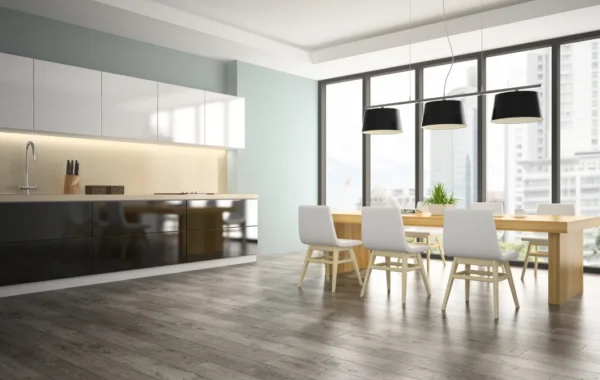
- Lighting placement: The dining fixture centers on the table and the kitchen lighting avoids harsh glare.
- Durable edges: Counter and tabletop edges match how the space gets used (kids, tight pathways, heavy traffic).
- Transitions: Flooring transitions sit flat and don’t create trip points near the dining area.
Related Upgrades That Pair Well With The Dining Zone
If you’re already updating the kitchen, bundling adjacent work can keep the space cohesive and reduce rework. Overall, These items often pair well with a dining-zone refresh:
- Cabinet replacement or cabinet upgrades (hardware, soft-close, organizers)
- Countertop replacement and new sink/faucet selections
- Backsplash updates and paint refresh in the dining wall zone
- Under-cabinet lighting and dimmer planning
- Pantry and drawer organization upgrades
For more context on scope options, visit https://usconstructioncali. Additionally, com/ and bring questions to your planning conversation.
Materials And Maintenance Notes
The table and the kitchen finishes should work as a system. In addition, Choose materials that handle your real routine—kids, pets, hot pans, homework—so you don’t spend your first year tiptoeing around the new space.
Cabinet Door Styles: Match Look And Cleanup
Shaker doors suit most dining tables and hide fingerprints better than ultra-gloss finishes. For example, Slab doors look clean and modern, but they show smudges more; place pulls where hands naturally land. Raised-panel doors add detail, although deeper profiles can collect dust and need a bit more cleanup time.
Whatever style you pick, ask about durable finishes and edge protection on high-touch areas like trash pull-outs and corners near the dining path.
Countertops And Table Tops: Pick A Pairing
Quartz remains popular for countertops because it resists staining and cleans easily. For this reason, Granite and other natural stones can look great too, although they may need periodic sealing. Solid-surface materials offer a seamless look and can be easier to repair for small scratches. Butcher block brings warmth; however, it needs regular oiling and quick cleanup around sinks and cooking zones.
For table tops, sealed solid wood, quality veneer, and stone-look surfaces each have trade-offs. Also, Add felt pads under chair legs and use trivets so both the table and nearby counters stay in good shape.
Flooring Under A Dining Table
Dining chairs drag and spills happen. Additionally, Tile handles moisture and dents well, while quality luxury vinyl plank (LVP) can reduce noise and provide strong scratch resistance. Hardwood and engineered wood feel warm, but they need extra care against water and chair abrasion—especially close to sinks or exterior doors.
Layered Lighting For Kitchen + Dining Comfort
Plan lighting in layers:
- Ambient: Recessed or surface fixtures that light the room evenly
- Task: Under-cabinet light and focused light over prep areas
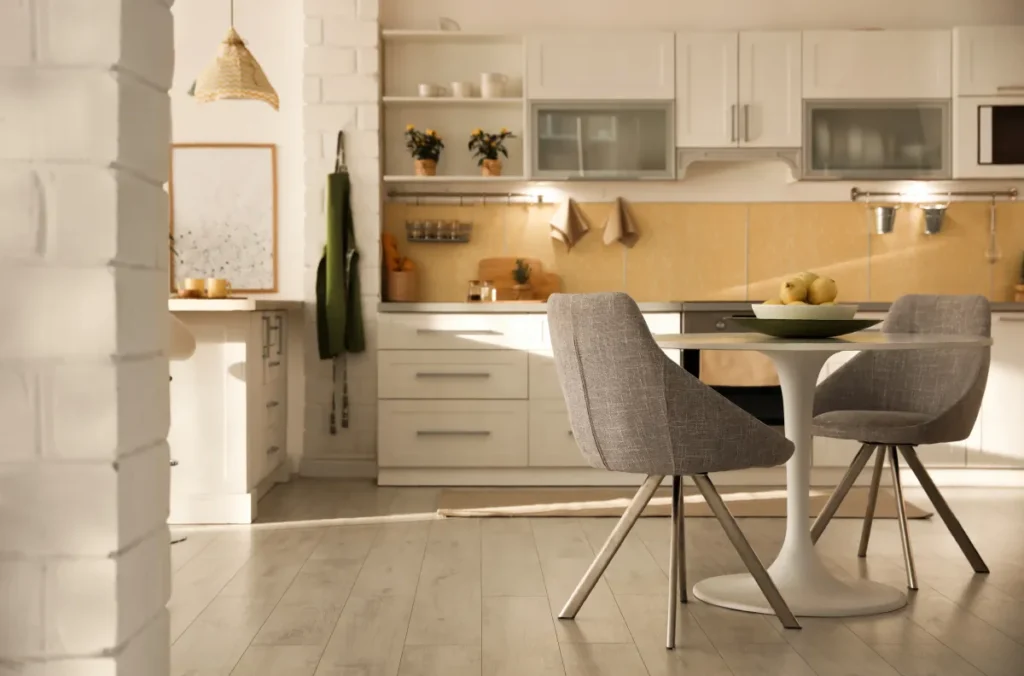
- Accent: A centered pendant or chandelier over the dining table to anchor the zone
That way, you can brighten the kitchen for cooking and then dim the dining area for evening meals without glare.
Maintenance Tips That Protect The Investment
- Use mild cleaners and avoid abrasive pads on cabinet finishes.
- Wipe spills quickly, especially on wood and natural stone.
- Use coasters and trivets to reduce heat rings and discoloration on tables.
- Replace chair glides regularly to protect floors.
- Follow manufacturer care guidance for stone sealing and surface protection.
Value & ROI (General Guidance)
Kitchen updates often influence how buyers feel about a home because the space signals overall upkeep. Additionally, While resale impact varies, the best ROI usually comes from decisions that improve function and durability without locking you into a single very personal layout.
ROI-Friendly Priorities For The Kitchen And Dining Zone
- Keep circulation simple so the room feels larger and easier to use.
- Choose neutral, durable finishes that age well.
- Prioritize good lighting and adequate storage.
- Make seating flexible when possible (for example, a table that can expand for guests).
Choices To Think Through Carefully
- Highly customized built-ins that only fit one furniture size or one lifestyle.
- Very delicate surfaces if the home will see heavy daily use.
- Oversized islands or tables that reduce the main walkway.
Timeline And Expectations
A kitchen + dining update can be a small refresh or a full remodel. For example, Either way, the timeline depends on scope, product lead times, and whether the work touches structure or utilities. The goal is to define decisions early so the job stays predictable once work begins.
Typical Project Sequence In The Sacramento Area
- Walkthrough and measurements to understand the space and constraints
- Layout planning for cooking flow and dining clearance
- Material and fixture choices (cabinets, counters, flooring, lighting, table/seating)
- Detailed scope and pricing, including what gets removed and what stays
- Scheduling based on lead times and site readiness
- Site protection, demolition where needed, and prep work
- Rough work (framing and trade updates when the scope calls for them)
- Install phase: cabinets, surfaces, flooring, lighting, and finish carpentry
- Final punch list, cleanup, and care guidance
Budget Ranges & Timeline (Typical)
- Dining-zone refresh: Smaller scope; often measured in weeks, not months, once materials are on-site.
- Banquette or built-in seating: Mid-range scope; timing depends on custom carpentry and any upholstery lead times.
- Kitchen refresh with dining integration: Mid-to-higher scope; schedule depends on cabinet/counter lead times and installation sequencing.
- Full remodel with layout changes: Higher scope; permitting and inspections can extend the schedule depending on jurisdiction and complexity.
Quick Table: Decisions That Drive Scope
| Decision | What it affects | Common trade-off |
|---|
| Freestanding table vs. built-in nook | Space planning, carpentry scope, storage | Built-ins add function but reduce flexibility |
| Lighting plan over dining zone | Electrical locations, ceiling patching, comfort | Pendants add focus but need precise placement |
| Flooring selection | Durability, cleanup, sound | Tile is tough; wood feels warm but needs care |
| Countertop choice | Maintenance, lead times, daily wear | Quartz is low-maintenance; butcher block needs upkeep |
Cost Drivers To Decide Early
To reduce last-minute changes, decide on the big drivers early and confirm they fit your layout:
- Will the dining zone be freestanding furniture or built-in seating?
- Do you want to move lighting, outlets, or switches?
- Are you changing the kitchen layout (walls, plumbing, appliances)?
- Will new flooring run through both kitchen and dining?
If you have a deadline, share it early so the design and product choices support that target from the start.




Permalink