Skip links

USC Folsom Plumbing Project

Main Water Line Replacement in Folsom

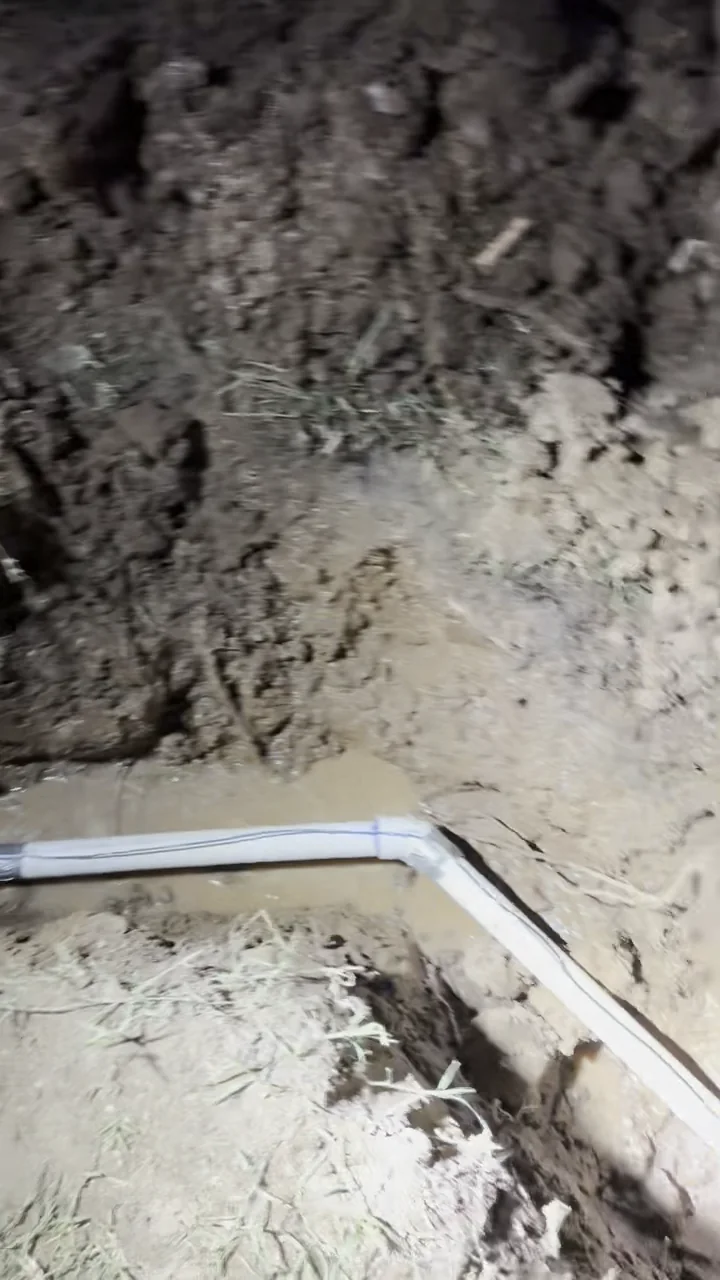
A large wet area led to exploratory digging at this Folsom rental property. US Construction & Remodeling Corp. confirmed damage in the existing galvanized main water line and replaced the meter-to-house route with a new line positioned farther from the tree and root zone.
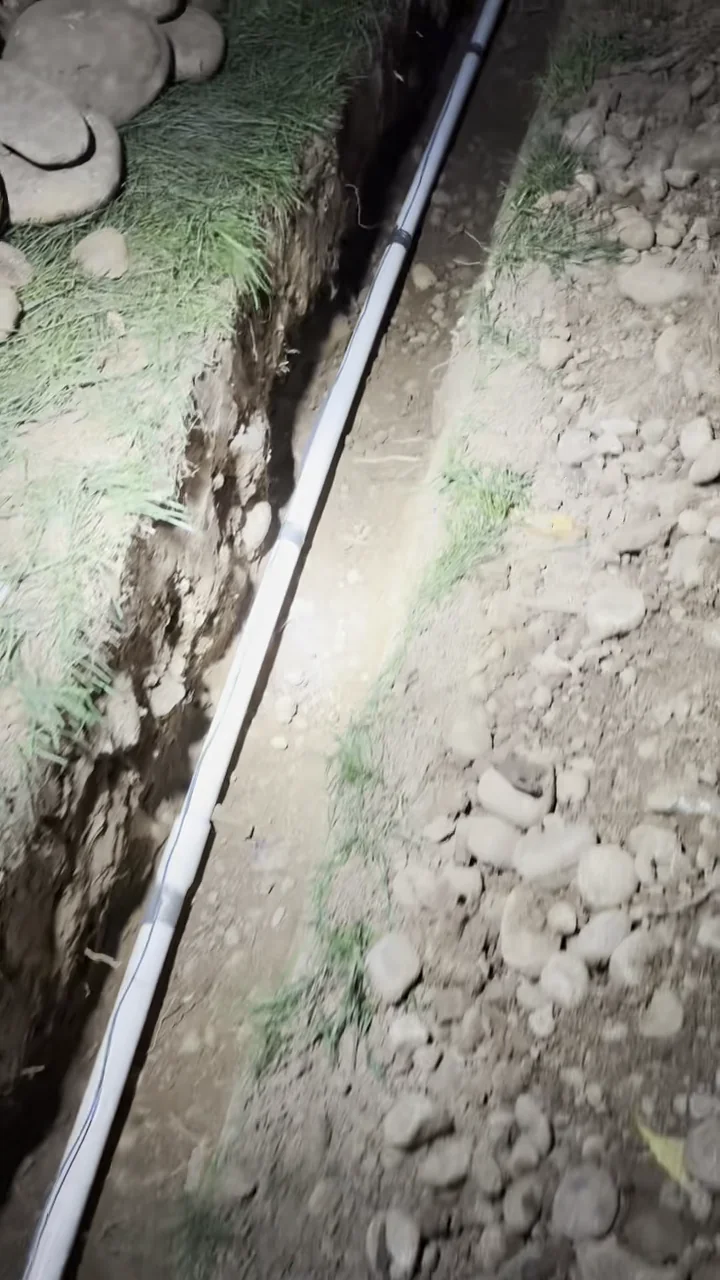
New residential main water line installed through a rock-heavy trench in Folsom.
Rock-heavy soil increased the excavation and routing work recorded during installation.

Project at a glance

What the Folsom water-line project involved

Customer concern

A large wet spot on the property prompted an on-site assessment.

Confirmed condition

Exploratory digging exposed a damaged galvanized main water line near tree roots.

Replacement route

A new route was installed between the meter and the house, farther from the tree.

Approximate length

The field interview records a run of about 40 feet.

Recorded line size

The interview describes the old line as approximately 3/4 inch and the new line as 1-1/4 inch.

Field execution

A two-person crew completed the recorded installation work during one long day after the assessment.

Finding the source

The wet ground was investigated before a replacement route was selected

A wet area can come from irrigation, drainage, or a pressurized water line. The field team did not rely on the surface condition alone. Exploratory digging was used to expose the existing line and confirm where the water was coming from.

The exposed condition showed the old galvanized service line running close to a mature tree and its roots. That evidence supported replacing the route rather than treating the wet soil as an isolated surface problem.

Why the route changed

Move the new line away from the root zone

The replacement was routed farther from the tree instead of repeating the same alignment. This gave the new meter-to-house line a clearer path while addressing the location associated with the damaged old line.

Installation sequence

From assessment to a new meter-to-house water line

1

Assess the wet area

The first visit documented the condition and identified where exploratory digging was needed.

2

Expose the existing line

Digging confirmed damage in the galvanized main water line near the tree-root area.

3

Review the replacement scope

The property owner reviewed and accepted the proposed work before the installation visit.

4

Excavate the new path

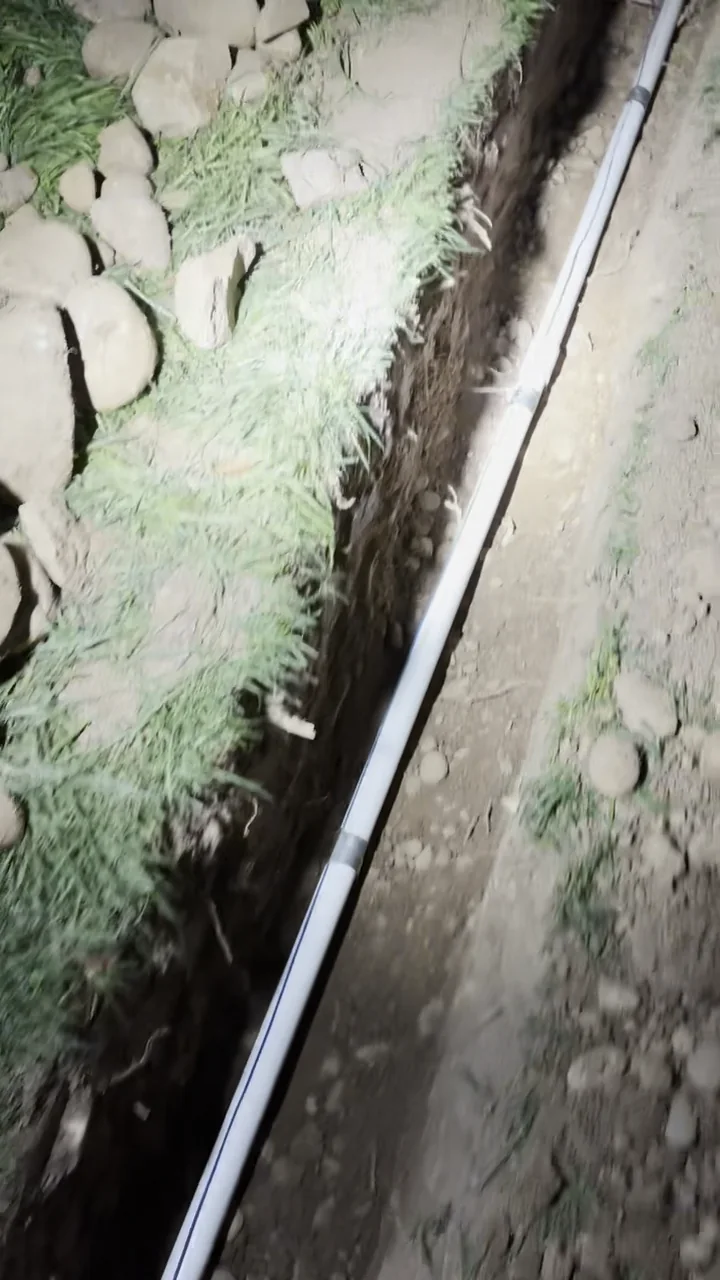
The crew opened an approximately 40-foot route through soil containing substantial rocks and roots.

5

Install the new line

The new water line was routed from the meter toward the house on an alignment farther from the tree.

6

Document before backfill

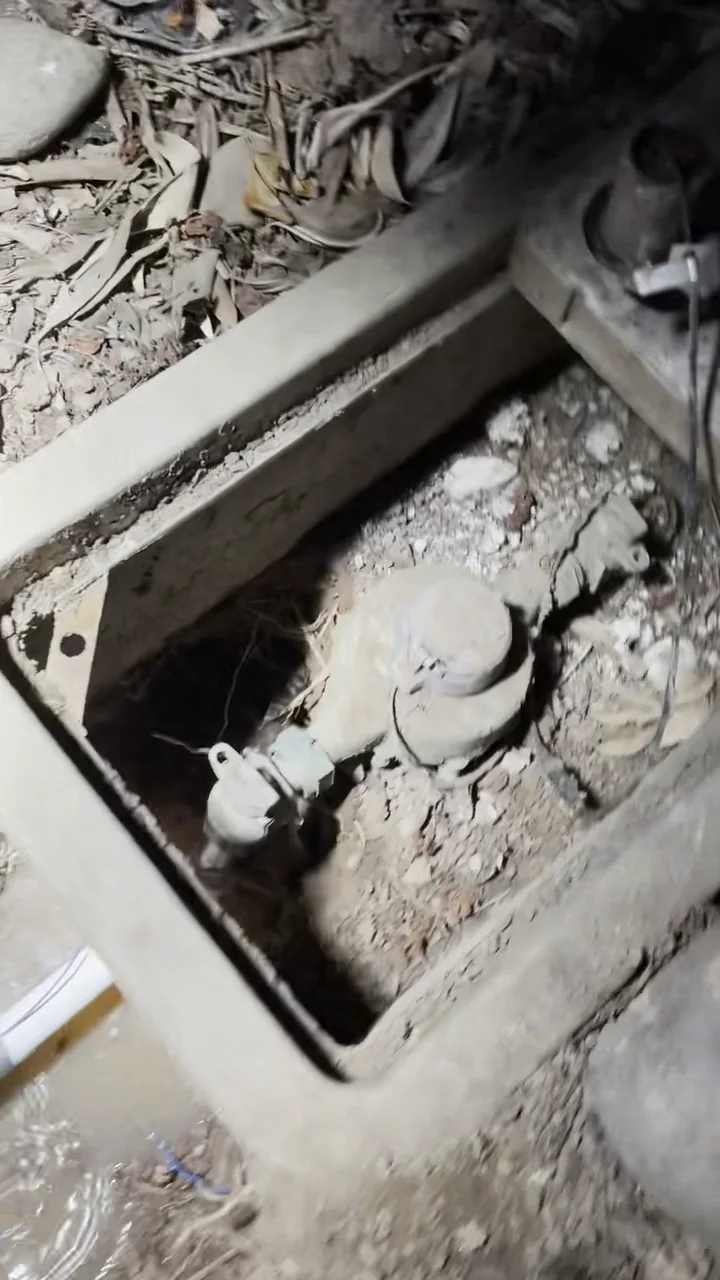
The project video records the open trench, long pipe run, route turns, rocky conditions, roots, and meter-side area before restoration.

Real site conditions

Rocks and roots shaped the excavation work

Rock-heavy soil

Large and small rocks are visible along the trench, increasing the physical excavation work.

Tree-root area

Roots are visible near the meter-side portion of the documented route and influenced the decision to move the alignment.

Occupied property planning

The rental property still had water before the scheduled repair, allowing the owner and tenants to coordinate the work for the following day.

When to investigate a buried water line

A persistent wet area can justify a focused assessment

Unexplained wet soil, a soft or muddy area, water surfacing when irrigation is off, or an unusual change in water use can indicate a buried-line concern. The location and pattern should be checked before a repair method is selected.

This Folsom project required replacement after the existing line was exposed and its condition was confirmed. Another property may call for a different scope depending on the pipe material, access, route, utilities, soil, roots, and exact source of the water.

Learn more about USC projects and services in Folsom.

Project-specific pricing

Scope follows the route and site conditions

No customer price is published for this project. Main-line replacement pricing depends on the verified length, pipe size, access, excavation conditions, utility conflicts, restoration scope, and connection details. USC provides the proposed scope and price before authorized work begins.

Folsom water-line project

Confirm the source. Choose the route. Document the work.

This case study shows how a visible wet area became a focused meter-to-house replacement plan after exploratory digging confirmed the damaged galvanized line and the nearby root conditions.

Installation-in-progress photos taken by the USC team before backfill and landscape restoration. Customer identity and exact address are withheld for privacy.

This website uses cookies to improve your web experience.
Explore
Drag